
Reviewed · SALVADOR & PELOURINHO
Salvador: Cultural Treasure – Samba de Roda.
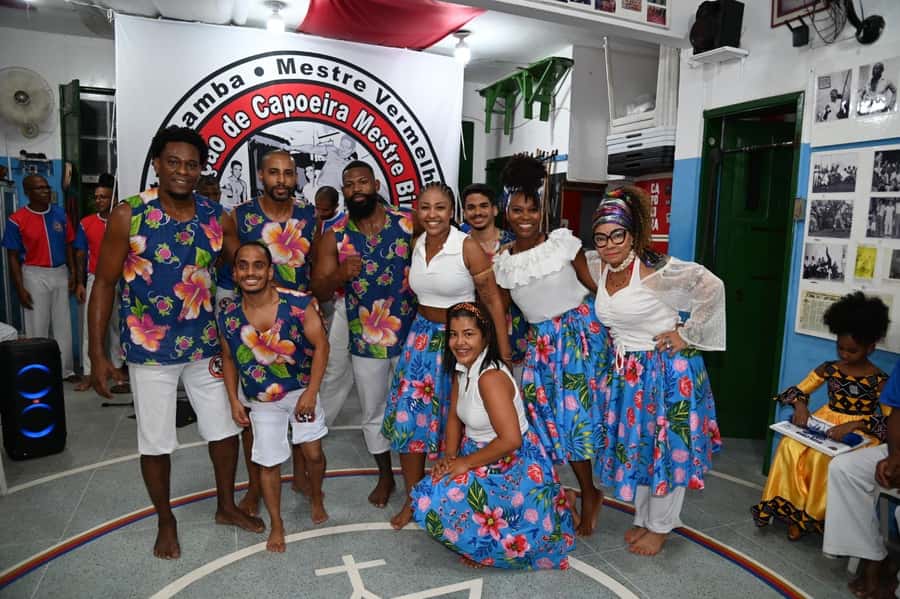
Samba de Roda in Salvador is interesting because you learn the dance where it was shaped by Afro-Brazilian resistance. The setting is the Associação de Capoeira Mestre Bimba, tied to Mestre Bimba and Capoeira Regional history. That matters, because the class connects rhythm and movement to real people and real political risk.
I like two things most: the English-speaking instructor explanation style, and the way you practice basic Samba steps right away with music in your body. Even if you feel awkward at first, the lesson keeps moving, with patient guidance and lots of encouragement.
One drawback to plan for: it’s only 1 hour, so you’ll leave with the fundamentals, not a full, polished routine. If you want to perform at a party afterward, you’ll likely want to practice a bit on your own.
Key takeaways before you go
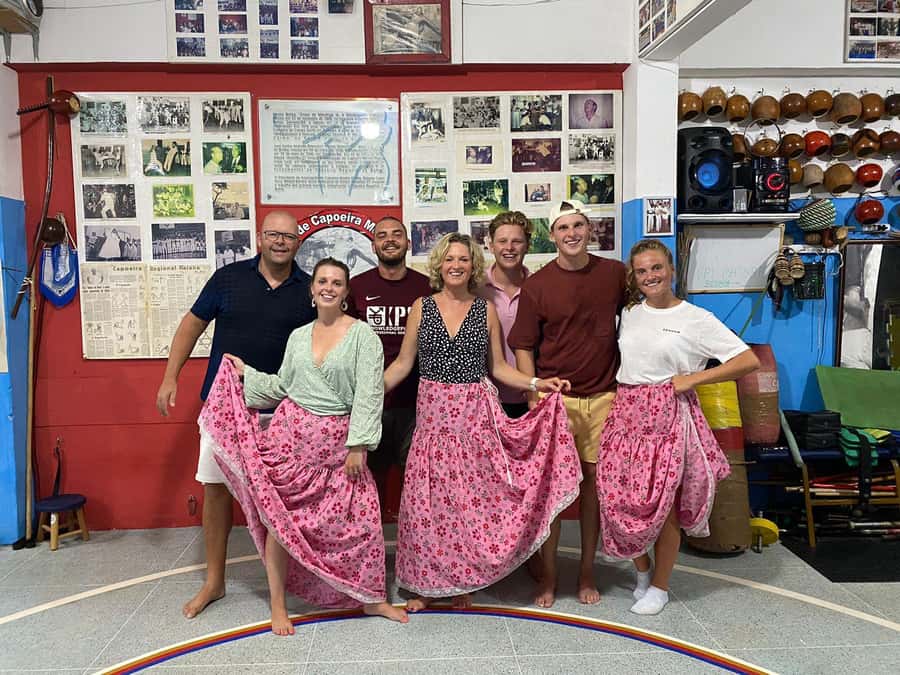
- Mestre Bimba’s school setting links the class to Capoeira Regional history, not just stage performance
- English instruction helps you understand what you’re doing and why it matters
- Samba basics in one hour, so beginners can actually take something home
- Samba history in plain terms from Bahia’s Afro-Brazilian communities to UNESCO Intangible Cultural Heritage status
- Interactive coaching style that keeps you moving with music and corrections
Why Samba de Roda at Mestre Bimba’s school feels different
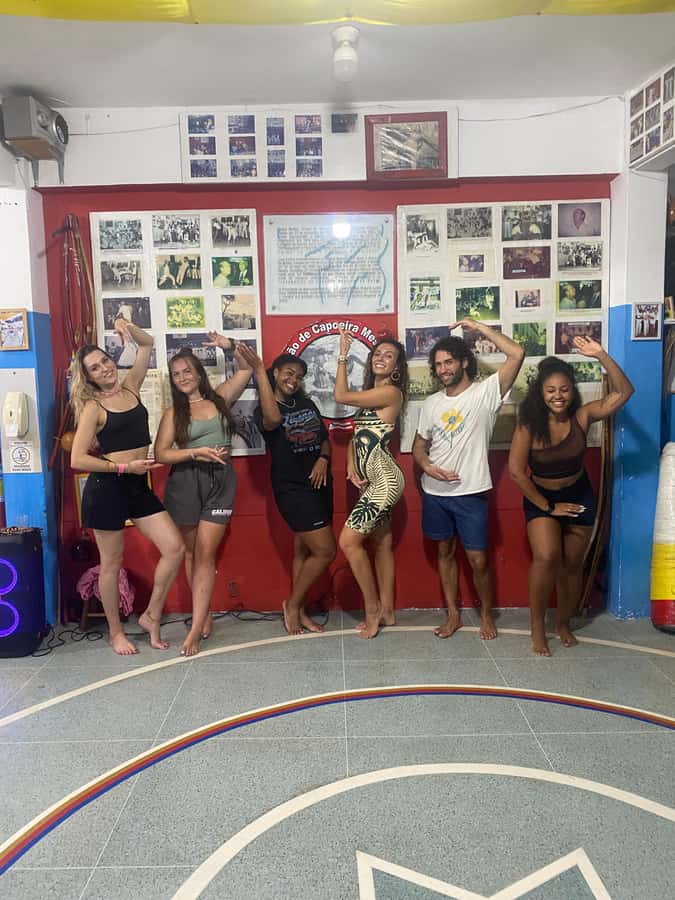
Samba de Roda is often sold as a fun dance class. Here, the location adds weight fast. You’re learning in a place connected to the first Capoeira School in Brazil, founded by Mestre Bimba, the creator of Capoeira Regional. That gives the session an important frame: these arts were not just entertainment. They were also identity, community, and survival.
What really makes it click for me is the way the story and the steps talk to each other. Samba originated in Afro-Brazilian communities of Bahia in the late 19th century. Yet African cultural expressions such as Capoeira and Candomblé were viewed with suspicion and criminalized, and Samba faced similar pressure. In about a century, it shifted from persecution to national symbol, and it is now recognized by UNESCO as an Intangible Cultural Heritage of Humanity.
The venue’s history is part of the lesson, too. The school is described as a major quilombo of resistance, using cultural elements in Salvador as a steady form of pushback. Even if you only remember a couple of facts, the setting helps those facts feel real.
More of Salvador and the Pelourinho:
- Round trip transfer, Salvador, Bahia, Brazil
★ 5.0 · 228 reviews - Salvador City Tour – Discover Brazil’s First Capital En, It, Es
★ 5.0 · 217 reviews - Cooking class in Salvador, an authentic dinning experience
★ 5.0 · 132 reviews
Entering the Associação de Capoeira Mestre Bimba area
Your meeting point is at Associação de Capoeira Mestre Bimba. There is no pickup service, so you’ll want to find it on your map and arrive on your own. If you need nearby anchors, use Ó Paí Ó Restaurante or São Domingos Gusmão Church in Largo do Terreiro de Jesus.
Why I think this matters: in Salvador, a “just show up” address can be confusing, and arriving without stress makes the hour feel easier. Since the class is short, wasting time at the start is a real cost.
Once you’re there, keep in mind the cultural and historical importance of the venue. This is not a background decoration. It’s an active training space and a living cultural institution. A calm, respectful attitude will help you feel comfortable right away.
The 1-hour lesson: what you actually do
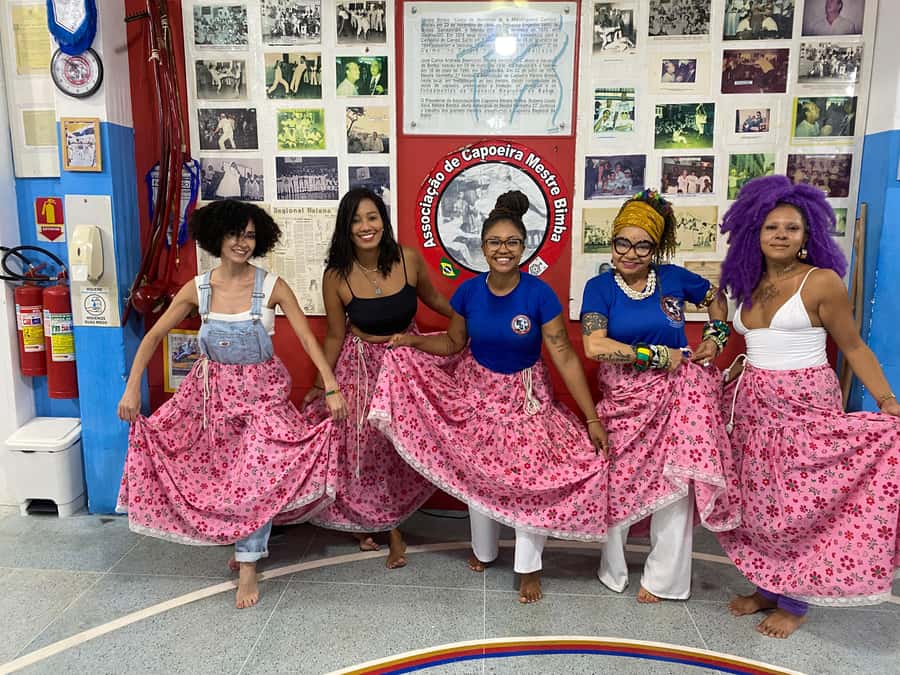
The class is designed as a beginner-friendly introduction. You do not need dance experience, and you don’t need a partner. That’s a big deal because Samba de Roda can look like group choreography online, but in a beginner class you’re really learning mechanics first.
Here’s the kind of flow to expect from the structure that’s been described:
- You learn basic Samba steps from your instructor, with practical cues you can follow in real time.
- You build rhythm by moving to the music, not just counting from your head.
- You get explanations about Brazilian culture, dance, and music, so the movements have meaning.
- You practice enough that you finish the hour feeling like you can repeat what you learned.
People who booked this class repeatedly mention the same practical pattern: the instructor is patient, encouraging, and keeps the learning process comfortable. The teaching style is often described as calm in the way it breaks things down, which is exactly what you want when your brain is trying to map footwork and rhythm at the same time.
If you come with zero confidence, go anyway. In an hour, the goal is not perfection. The goal is getting your body to recognize the beat and your mind to understand what to do next.
Learning Samba steps with rhythm, not just counts
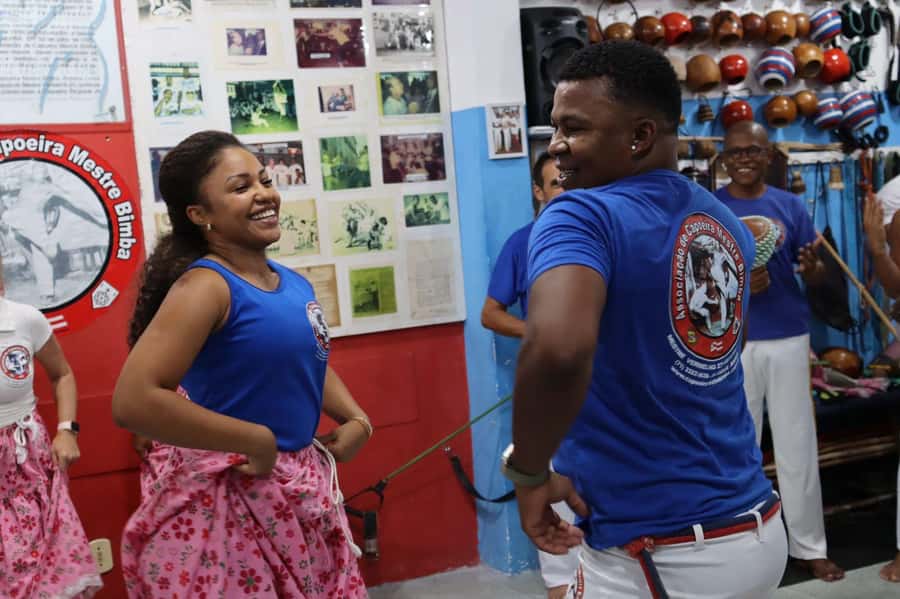
Samba is about body rhythm and timing. That’s why this class focuses on feeling the music while you move. When it goes well, you stop thinking about “correct moves” and start thinking about the groove. That makes it fun quickly, which is what many people highlight.
Also, the corrections matter. The instructor is described as giving supportive feedback, with enough clarity that beginners can adjust without feeling judged. In past experiences, a recurring theme has been instruction that’s easy to follow even when you’ve never danced before.
One helpful way to think about it: if you leave with one or two step patterns you can repeat, you can keep learning on your own later. Samba is full of variations, but a reliable base is what lets you build.
More Carnival & Samba in Salvador da Bahia:
- Cultural Treasure of Salvador – Samba
★ 5.0 · 38 reviews - Salvador: Cultural Night of Capoeira, Samba, and Drumming
★ 4.9 · 17 reviews - Rio de Janeiro: Beginner Samba Lesson in Ipanema
★ 4.9 · 1,071 reviews - Rio: Pub Crawl in Lapa with Cachaça Tasting and Live Samba
★ 4.7 · 881 reviews
The history piece: from persecution to UNESCO recognition
This is not just a “facts and photos” talk. The historical context is tied to why Samba and similar Afro-Brazilian traditions survived and gained recognition.
The core story you should expect to hear:
- Samba traces back to Afro-Brazilian communities in Bahia in the late 19th century.
- African cultural manifestations like Capoeira and Candomblé were treated with suspicion and criminalized.
- Samba faced similar pressure.
- Over roughly 100 years, Samba moved from persecuted culture to a national symbol.
- It is now recognized by UNESCO as Intangible Cultural Heritage of Humanity.
Why that history is valuable for you: it changes what you think you’re doing. Instead of seeing Samba as only a party dance, you learn how it carried social meaning. Then, when you feel the rhythm in the class, you understand what people were fighting for.
And because the setting connects Samba to Capoeira Regional history through Mestre Bimba’s school, the lesson doesn’t treat “dance history” as separate from “cultural history.” It shows how these arts moved through power and resistance together.
Language and teaching style: English that actually helps
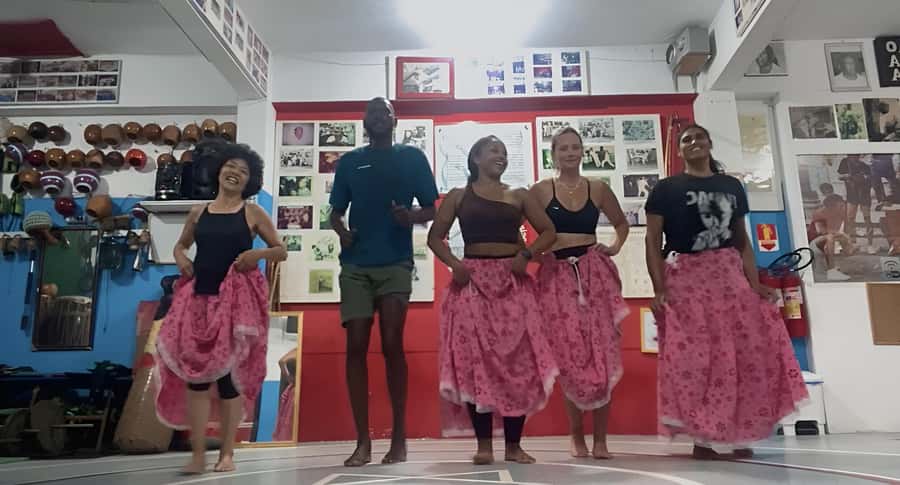
A lot of cultural classes in Brazil say they offer English, but the experience is hit or miss. Here, the class includes an instructor who speaks fluent English as well as Portuguese. That means you can follow explanations about the music and the cultural context without guessing.
In the feedback, many people mention how easy it was to understand the instructor, and how the instructor gave clear, step-by-step guidance. One name that comes up often in participant notes is Yasmin. If you end up with her, you’ll likely appreciate the mix of instruction and encouragement that makes beginners comfortable.
One subtle plus you should care about: some people mention that the instructor also gave practical safety and getting-around advice for the area, especially at night. That’s not part of the dancing, but it makes your whole visit easier.
Price and value: is $43 for a 1-hour class fair
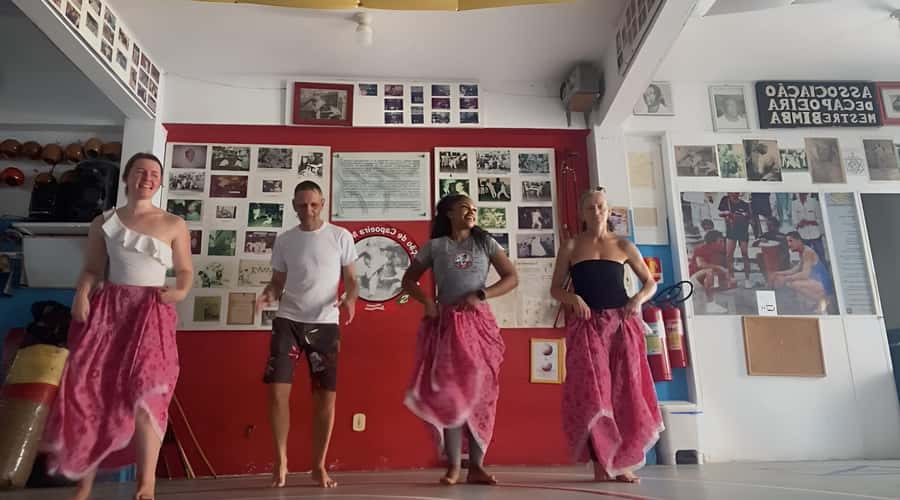
At $43 per person for 1 hour, this class is priced as an instructor-led cultural workshop. The value comes less from duration and more from two things you get in that hour:
- Hands-on instruction with real corrections, so you actually learn steps you can use.
- Context you can carry so the dance feels meaningful, not random.
Because the lesson is short, you are paying for density. The class has to fit Samba basics, rhythm practice, and the cultural history story into 60 minutes. When an instructor nails that balance, you feel it immediately, and people do rate this experience very highly.
Another value factor: it happens in a historic institution, not a rented community room. Paying for the location matters here because the history is part of the teaching, not an afterthought.
Logistics that matter: where to meet and how to plan your arrival
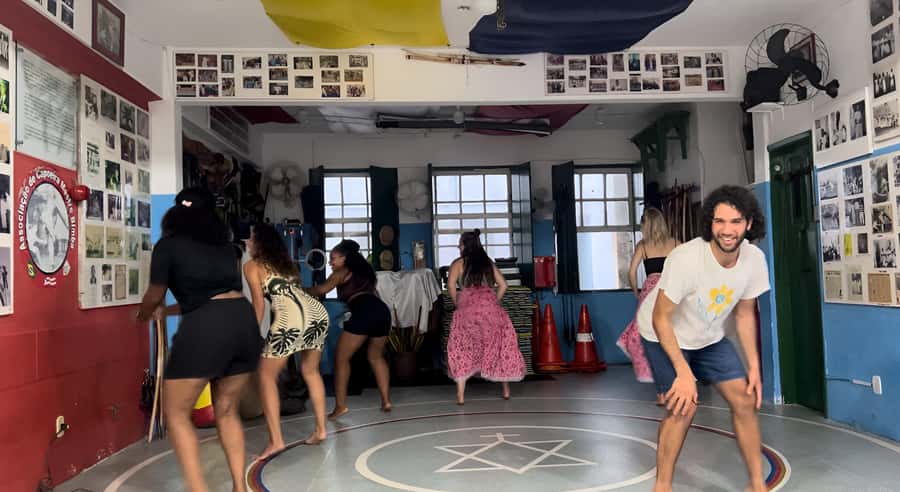
Because there’s no pickup service, your biggest task is simple: get to Associação de Capoeira Mestre Bimba on time. Use the landmark anchors nearby, like Ó Paí Ó Restaurante or São Domingos Gusmão Church at Largo do Terreiro de Jesus, if you’re mapping from a hotel or central area.
What you should plan in your mental schedule:
- Give yourself enough time to arrive calm and ready to move.
- Bring your normal travel outfit that lets you move. The lesson is dance-based, and you’ll be standing, stepping, and practicing rhythm.
- Come with a respectful mindset for the space, since it’s tied to cultural heritage and resistance history.
If you’re pairing this with other activities in Salvador, also remember that people note it can be a workout, especially because you’re learning rhythm and repeating steps. If you plan a long evening right after, keep that in mind.
Who this is best for, and who might want something else
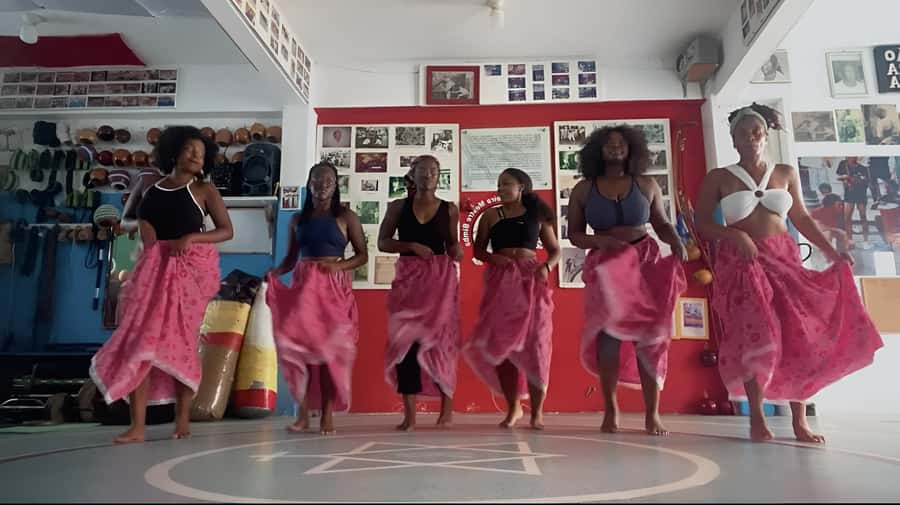
This is a strong fit if you:
- Want a beginner-friendly intro to Samba de Roda.
- Like your cultural activities to include meaning, not just movement.
- Appreciate learning in an authentic historical setting tied to Mestre Bimba and Capoeira Regional.
It may be less ideal if you:
- Want a long, advanced choreography practice. You’re getting fundamentals in one hour.
- Prefer a purely performance-style experience with lots of watching and minimal participation. This class is built for you to move.
If you’re on your first days in Salvador, this is especially handy. It gives you a fast cultural entry point, and the historical context helps you notice more later as you explore the city.
Should you book this Samba de Roda class?
Book it if you want a short, guided experience where you learn basic steps, feel the rhythm, and understand the cultural background behind Samba in Bahia. At $43 for 1 hour, the price makes sense because you’re paying for instruction plus context, in a venue tied to Associação de Capoeira Mestre Bimba and Mestre Bimba’s legacy.
Skip it only if you’re hunting for a long, advanced dance session. If you’re fine leaving with the fundamentals and the story, this is the kind of class that can become one of your most memorable Salvador moments.
FAQ
How long is the Samba de Roda class?
The class lasts 1 hour.
Do I need any dance experience?
No. No dance experience is necessary.
Do I need to bring a partner?
No. You do not need a partner for this class.
What languages are used during the lesson?
The instructor teaches in English and Portuguese.
Where is the meeting point?
Meet at Associação de Capoeira Mestre Bimba. Nearby landmarks include Ó Paí Ó Restaurante and São Domingos Gusmão Church in Largo do Terreiro de Jesus.
Is there pickup service?
No. There is no pickup service.
Is free cancellation available?
Yes. Cancel up to 24 hours in advance for a full refund.
Newest Salvador da Bahia reviews
- Cultural Folkloric Show and Dinner in Salvador★ 4.5 · 15 reviews
- Transfer Vila Galé Marés (Guarajuba) – Private★ 5.0 · 15 reviews
- Tour to Praia do Forte and Guarajuba★ 4.0 · 16 reviews
- Private City Tour of Salvador da Bahia★ 5.0 · 17 reviews
- 3-Hour Private Tour of Salvador Capital Afro-Brazilian★ 5.0 · 17 reviews
- Afro-Brazilian Roots city Tour in Salvador with lunch at Favela★ 5.0 · 17 reviews
- Salvador African Heritage Private City Tour Including Afro Museum★ 4.5 · 18 reviews
- Morro de São Paulo Tour, Leaving Salvador-Bahia.★ 5.0 · 18 reviews
Salvador & Pelourinho, compared.

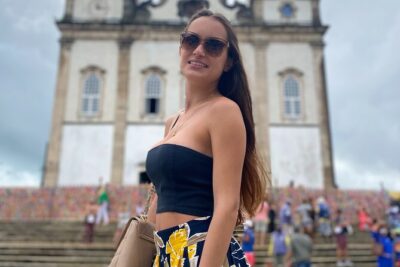
Salvador City Tour – Discover Brazil’s First Capital En, It, Es
Read our review →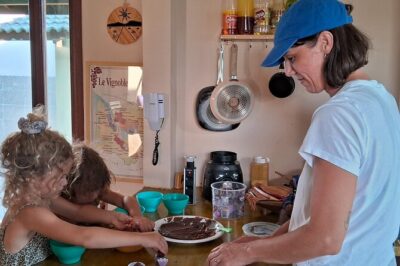
Cooking class in Salvador, an authentic dinning experience
Read our review →
Tour to the Frades Islands and Itaparica, from Salvador – Ba
Read our review →
Transfer Salvador Airport / Hotel Litoral Norte
Read our review →


Tour Praia do Forte and Guarajuba, Leaving Salvador-Bahia.
Read our review →Browse the lists this tour appears in