
Reviewed · SALVADOR & PELOURINHO
Cooking class in Salvador, an authentic dinning experience
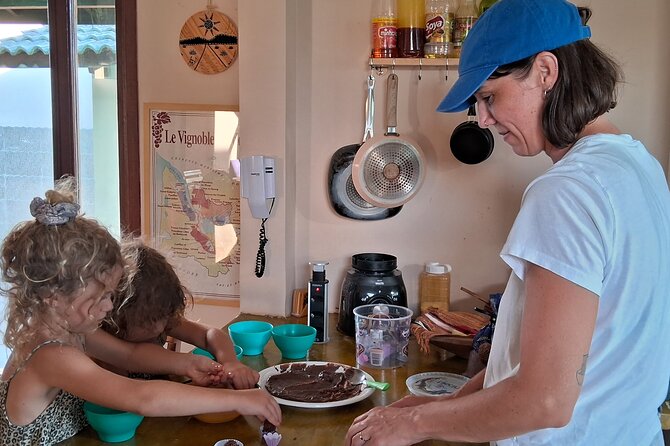
This cooking class in Salvador da Bahia is interesting because it turns you from a spectator into part of the food story. I love the hands-on cooking flow that starts with a caipirinha and ends with coffee and liqueur, and I love the way you make multiple signature dishes like pão de queijo and moqueca. One possible drawback: you will be standing, chopping, tasting, and cooking for about four hours, so it is not the kind of activity for you if you want a low-effort evening.
I also like that Chef Karla keeps things social and flexible. You can even adjust the menu if seafood is not your thing, and the class can accommodate vegetarian, vegan, and gluten-free diets when you tell them ahead. If you are hoping for a quick photo stop, this is more practical than flashy, and that is exactly why it works.
Key Things That Make This Salvador Class a Standout
- Market-to-kitchen format that connects ingredients to everyday Salvador cooking
- Multiple recipes in one sitting, about eight dishes across appetizers, main, and dessert
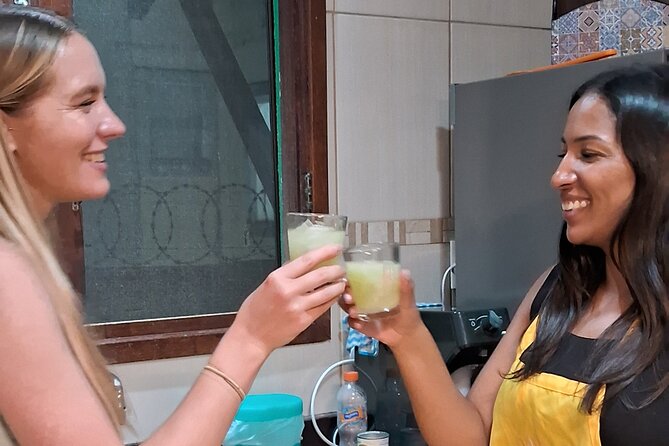
- Caipirinha prep as your warm-up, with unlimited drinks while you cook
- Regional flavors you cook yourself, including queijo coalho and moqueca
- Dessert at the right time, with brigadeiro made as part of the meal rhythm
- Chef Karla’s friendly, personalized pace, including menu changes for seafood lovers and non-lovers alike
Where You Start in Stella Maris, and What the Evening Actually Feels Like
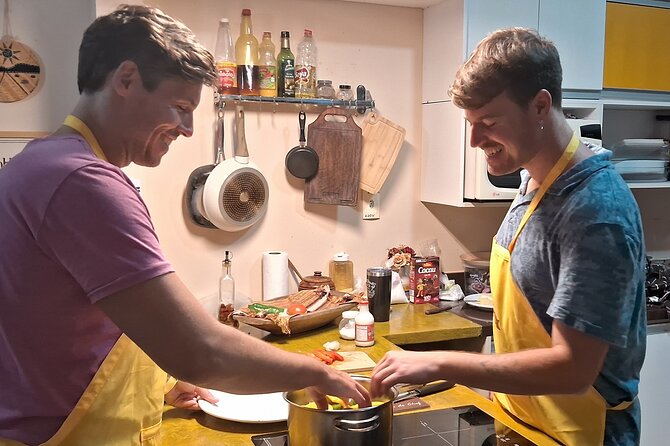
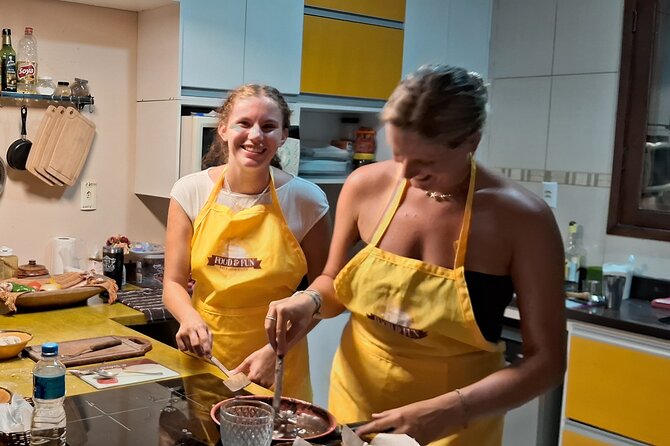
The experience begins back at the meeting point in Stella Maris, at R. Eng. Adozindo Magalhães, 255. From there, if you are booked with only the cooking class, you start right at the home kitchen where the activity happens. Either way, the vibe is the same: you are not herded around a museum-like script. You are in a real kitchen, cooking alongside a host who explains what matters.
The schedule is about four hours. That length is important because it gives you time to learn, not just taste. You chop, mix, fry, marinate, and build sides. You also sit down to eat what you make, which is the difference between a class and a show.
One more detail I appreciate: this is a private activity, meaning only your group participates. So if your group includes picky eaters, serious home-cooks, or folks who just want a relaxed evening, the class can work around you.
More of Salvador and the Pelourinho:
- Round trip transfer, Salvador, Bahia, Brazil
★ 5.0 · 228 reviews - Salvador City Tour – Discover Brazil’s First Capital En, It, Es
★ 5.0 · 217 reviews - Tour to the Frades Islands and Itaparica, from Salvador – Ba
★ 4.0 · 130 reviews
Enter Chef Karla’s Kitchen: Caipirinha, Appetizers, and First-Batch Skills
The class begins with a drink that is basically a Salvador welcome card. You prepare the signature caipirinha, choosing a fruit of your choice. If you prefer no alcohol, there is a fruit cocktail option, so you still get the full experience of making it.
While you sip and snack on appetizers, you start on pão de queijo. This matters because it is a foundational Brazilian comfort food, and it is also practical to learn early. You get the technique into your hands before the kitchen ramps up for the main course.
Then you shift into appetizers that reflect the roots of the cuisine. You learn about ingredients, including where they come from, and you also try vegetables cooked in a simple way. I like that this is not just “cook the dish, eat the dish.” You get the why behind the ingredients, especially when the class connects basic cooking choices to regional habits.
If you enjoy DIY cooking, this format will feel natural. You are not standing to watch someone else. You are working, tasting, and asking questions without feeling rushed.
The Market Moment: Why Seeing Ingredients Helps You Cook Better
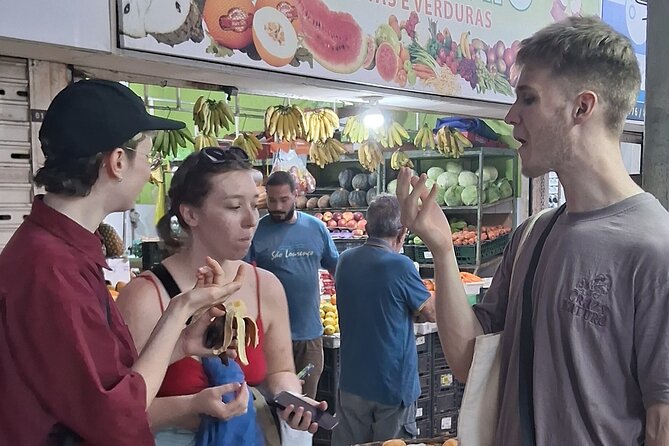
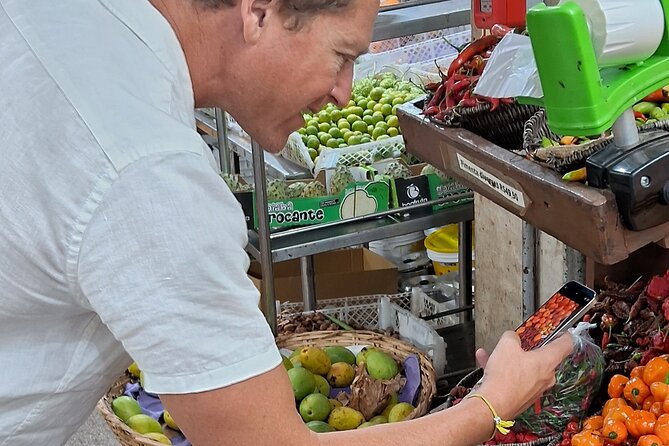
When the full experience includes the market, you head out first and shop with Chef Karla. This part is especially valuable because you learn what is local and what shows up in Salvador cooking, not just what is available in a typical grocery store.
In the market, you get a tour of local foods, and you might taste fruits and sweets along the way. You may also get to try items like cachaca when offered. The point is not just sampling. You are training your eye to understand the ingredients you will later cook at the house.
From a practical standpoint, market time also makes the whole meal make sense. When you later handle cheese for queijo coalho or deal with seafood for moqueca, you have context. You know what it looks like, how it is chosen, and why it belongs in this menu.
One small note: meeting spots can vary by how your booking is structured. The reliable anchor is that you start in the Stella Maris area and then settle into the home kitchen. If you want the market portion, plan on arriving ready to walk and browse.
Pão de Queijo and Simple Vegetables: The Appetizer Lesson You’ll Actually Use
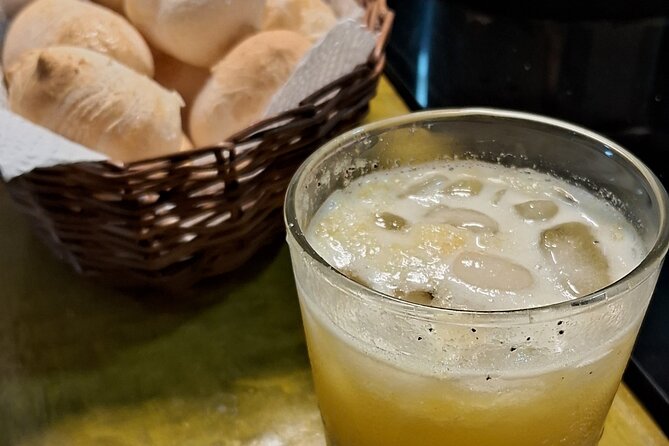
Appetizers are where the class teaches both flavor and technique without overwhelming you. Making pão de queijo early gives you an easy win, because it is a crowd-pleaser in Brazil and a satisfying project even for non-cooks.
You also taste vegetables prepared simply. This is a smart choice for a cooking class. Simple does not mean boring. In many regional cuisines, “simple” is the secret, because it lets the ingredient flavor lead. You get to observe how that plays out with vegetables, instead of only focusing on richer dishes.
You also get guided explanation about ingredients and their origin. Even if you do not remember every detail later, it changes how you cook. After this class, you are more likely to treat herbs, starches, and cheeses as intentional choices, not just background notes.
The best part is that the appetizers are not “extras.” They are part of the full meal arc, setting you up to understand the richer flavors that come next.
More Cooking Classes in Salvador da Bahia:
- 4h Cooking Class in Salvador with 9 Recipes & Bottomless Drinks
★ 5.0 · 73 reviews - Family Cooking Class in Rio Make 9 Brazilian Dishes Together
★ 5.0 · 32 reviews - 4h Cooking Class in São Paulo with 9 Recipes & Bottomless Drinks
★ 5.0 · 30 reviews - 3-Hour Brazilian Cooking Class in Rio de Janeiro
★ 5.0 · 30 reviews
Queijo Coalho, Pineapple Pepper Jelly, and Camarão na Tapioca
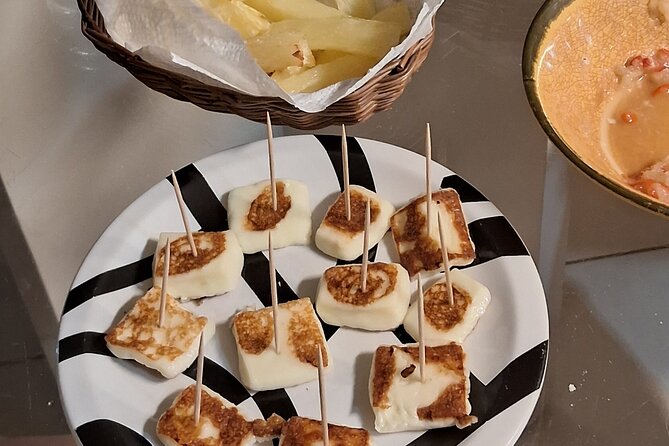
A highlight is learning about the special cheese queijo coalho. You do not just eat it. You learn how it fits into the cuisine and why it works so well with the pairing the class includes: a pineapple pepper jelly.
That sweet-and-spicy combo is the kind of thing you can bring home and use. Even if you change the dish later, you can copy the logic: fruit sweetness plus heat gives depth, especially when paired with something salty like grilled or fried cheese.
Then comes camarão na tapioca, deep fried shrimp. It sounds like a fun party item, but it is also a technique lesson. You see how tapioca is used and how frying changes texture. For many people, this is where the class feels most “authentically regional,” because it is not the kind of dish you usually learn in a generic cooking course.
If you are worried about frying smells, plan for a normal cooking-room aroma. This is a real kitchen class, so the evening feels like cooking, not like a restaurant demo.
Dessert First (In Your Timeline): Brigadeiro and the Rhythm of the Meal
One of the charming, smart design choices here is that you prepare brigadeiro as the dessert step early in the overall flow. Brigadeiro is traditional, easy to make, and popular in Brazilian cafés. You get hands-on practice with a sweet that is culturally important, not just a random “end course” recipe.
Doing dessert early also helps the kitchen timeline. It prevents the dessert from being rushed at the end when you are tired or hungry. It also gives you something to snack on as you continue with savory work.
I also like that brigadeiro is approachable. It is sweet, yes, but it is not complicated. That makes it a confidence-builder dish. If you are nervous about cooking, this part can keep the experience fun instead of stressful.
Moqueca Build-Up: Marinating, Cooking, and Getting the Side Dishes Right
The main dish is centered on moqueca, using fish, prawns, or seafood depending on what you choose and what your diet allows. You learn how to marinate, then the seafood (or fish) becomes part of the moqueca process.
The way moqueca is handled in this class matters. It is not only about boiling or stirring something together. The instruction includes flavor building before cooking, and that is a big reason moqueca tastes like moqueca. When you marinate properly, you end up with depth even before the pot does its work.
You also learn the side dishes prepared for the main course: Brazilian style rice, pirão, and farofa.
- Brazilian style rice gives you the base comfort.
- Pirão is a textured, spoonable side, and it often depends on the flavors coming from the main dish.
- Farofa adds crunch and earthy flavor, which helps balance richer seafood tastes.
This side setup is one of the best “learning value” parts of the menu. In many cooking classes, you only get taught the headline dish. Here, you get the full plate structure. That means if you cook moqueca later at home, you will know how to complete it.
Also, if you are not a seafood person, you can request changes. Chef Karla is known for adjusting the menu, and that is a big deal. It means the class is not a one-size-fits-all plan.
Coffee From Bahia and the Finish With Liqueur
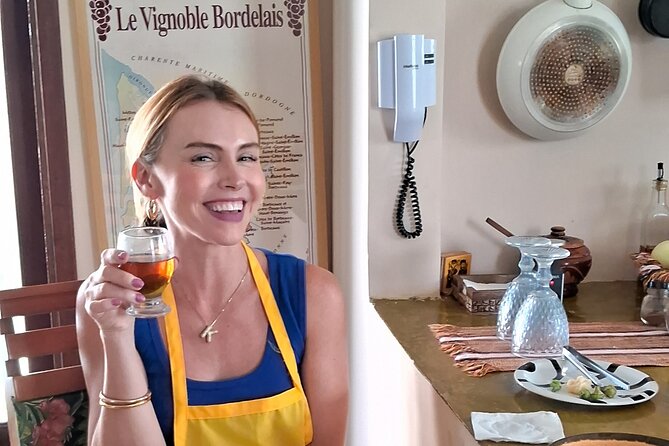
After the cooking and eating, the experience ends with coffee from the Bahia region, followed by liqueur. If you want something lighter, you also have access to Brazilian tea and soda options like guarana, plus fruit cocktail (including a no-alcohol version of caipirinha), sparkling water, and tea.
This finish feels like a real meal closing, not a hard stop where everyone leaves at once. It gives you time to talk about what you liked, what you want to try next in Salvador, and how the ingredients connect back to the city’s food culture.
If your group enjoys conversation, you will like this ending. The class is social by design, and the drinks keep things relaxed.
What You Really Get for the Price
At $68.67 per person for about four hours and roughly eight recipes across the meal, the value comes from the format, not just the ingredients.
Here is the value logic I use for cooking classes:
- You should leave with a meal you actually ate, not only watched.
- You should learn enough technique to recreate parts later.
- You should get cultural context, so the dishes feel tied to the place.
This class checks those boxes. You actively make caipirinha, pão de queijo, queijo coalho with pineapple pepper jelly, camarão na tapioca, brigadeiro, and moqueca plus sides. You are also guided through ingredient origin and simple cooking methods, not just recipes.
Unlimited caipirinhas while you cook also shifts the math. Even if you do not drink alcohol, the included non-alcohol options and the included drinks still remove decision fatigue. You do not need to budget for beverages, and you can focus on the cooking.
Also, because it is a private group experience, you are not competing for attention with other strangers. That makes the price feel more fair, especially if your group is small.
Logistics That Matter: Transport, Timing, and Comfort in the Kitchen
Private transportation is not included, so plan to get yourself to the meeting point in Stella Maris. The good news is that the location is near public transportation, and the neighborhood has been described as safe with easy access.
That reduces stress. You can arrive without scrambling, and you can treat the class like a normal evening plan.
Once you arrive, you should expect a home-kitchen feel: you cook, talk, and eat where the activity happens. It is not an auditorium. Dress for comfort because you will be moving around a kitchen environment.
If you have dietary restrictions, tell them when booking. The class can accommodate vegetarian, vegan, and gluten-free options, and menu adjustments can be made based on preferences such as seafood avoidance.
Service animals are allowed, which is a practical inclusion if you travel with one.
Who This Salvador Cooking Class Is Best For
This class is a strong match if you:
- Want hands-on cooking instead of a lecture
- Like learning how Salvador dishes are built, ingredient by ingredient
- Enjoy social travel, conversation, and a host who answers questions
- Want a private group experience where you can personalize the menu
It is also a good fit if you are a food traveler who likes practical souvenirs. You will not just bring photos. You will bring recipes, techniques, and a clearer sense of how these flavors work together.
It may be less ideal if you want a quiet, sit-and-watch activity. This is interactive by design.
Should You Book This Cooking Class in Salvador?
If you are trying to choose one memorable food experience, I would book this one. The menu is substantial, the pace is hands-on, and Chef Karla adds something that many cooking classes miss: a personal, welcoming tone that turns instructions into a conversation.
Choose it if you want the real Salvador rhythm, caipirinha at the start, pão de queijo early, queijo coalho and camarão na tapioca as flavorful mid-course highlights, and moqueca plus sides that complete the plate. You will leave fed, informed, and with skills you can use again.
If you are still deciding, ask yourself one question: do you enjoy cooking and eating as one connected experience? If yes, this class is an easy yes. If you want purely passive sightseeing, you might prefer something else. But for most visitors who care about food, this is the kind of evening you will remember for the right reasons.
FAQ
Where is the meeting point for the cooking class?
You meet at R. Eng. Adozindo Magalhães, 255, Stella Maris, Salvador, BA, 41603-430, Brazil.
How long does the cooking class last?
The experience lasts about 4 hours.
What foods and recipes are included?
The class includes dinner and you will learn and enjoy about 8 recipes, including appetizers, a main dish like moqueca, sides, and a dessert like brigadeiro.
Are drinks included, and is alcohol required?
Yes. You can make and drink unlimited caipirinhas while you cook. If you prefer not to drink alcohol, there is a non-alcohol caipirinha or fruit cocktail option. Coffee and/or tea and other soft drinks are also included.
What if I have dietary restrictions?
You can request dietary restrictions such as vegetarian, vegan, or gluten-free when you book, and the class can accommodate them.
Is this a private experience or shared with other groups?
This is a private tour or activity, so only your group participates.
How does cancellation work for a full refund?
You can cancel up to 24 hours in advance for a full refund. If you cancel less than 24 hours before the experience starts, the amount paid is not refunded.
Newest Salvador da Bahia reviews
- Cultural Folkloric Show and Dinner in Salvador★ 4.5 · 15 reviews
- Transfer Vila Galé Marés (Guarajuba) – Private★ 5.0 · 15 reviews
- Tour to Praia do Forte and Guarajuba★ 4.0 · 16 reviews
- Private City Tour of Salvador da Bahia★ 5.0 · 17 reviews
- 3-Hour Private Tour of Salvador Capital Afro-Brazilian★ 5.0 · 17 reviews
- Afro-Brazilian Roots city Tour in Salvador with lunch at Favela★ 5.0 · 17 reviews
- Salvador African Heritage Private City Tour Including Afro Museum★ 4.5 · 18 reviews
- Morro de São Paulo Tour, Leaving Salvador-Bahia.★ 5.0 · 18 reviews
Salvador & Pelourinho, compared.


Salvador City Tour – Discover Brazil’s First Capital En, It, Es
Read our review →
Tour to the Frades Islands and Itaparica, from Salvador – Ba
Read our review →
Transfer Salvador Airport / Hotel Litoral Norte
Read our review →


Tour Praia do Forte and Guarajuba, Leaving Salvador-Bahia.
Read our review →
Afro-Brazilian Roots Private City Tour in Salvador
Read our review →Browse the lists this tour appears in