
Reviewed · SALVADOR & PELOURINHO
Salvador: Anthropological City Tour with Lunch IN 6 HOURS
Salvador is one of those cities where African heritage shows up in daily life, not just in museums. This anthropological city tour takes you through UNESCO Pelourinho and the surrounding neighborhoods, then lands you at a black-community lunch where the story continues at the table. The one trade-off: it is not wheelchair accessible, and some stops are photo-stop style, so you should expect a schedule with a bit of momentum.
I like that the day is built around meaning, not just checklists. You’ll see how religion, community memory, and survival shaped Salvador, with guided stops that include an Afro-Brazilian museum and a Yoruba-origin candomblé terreiro. And with a small-group setup, you are more likely to get real answers instead of rushed ones.
One more consideration is simple: lunch is included, but drinks are not. If you want bottled water or soda, plan to pay for it during the meal.
Key things to know before you go
- Small group feel: Limited to 4 participants, so the guide can actually talk, not just talk at you.
- UNESCO Pelourinho start: The route begins in Salvador’s historic center and connects it to African history on purpose.
- São Joaquim Market with deep roots: The market is linked to enslaved Africans and is recognized as intangible heritage.
- Candomblé and Yoruba heritage up close: You visit a terreiro with Yoruba origin, including matriarchy-led tradition.
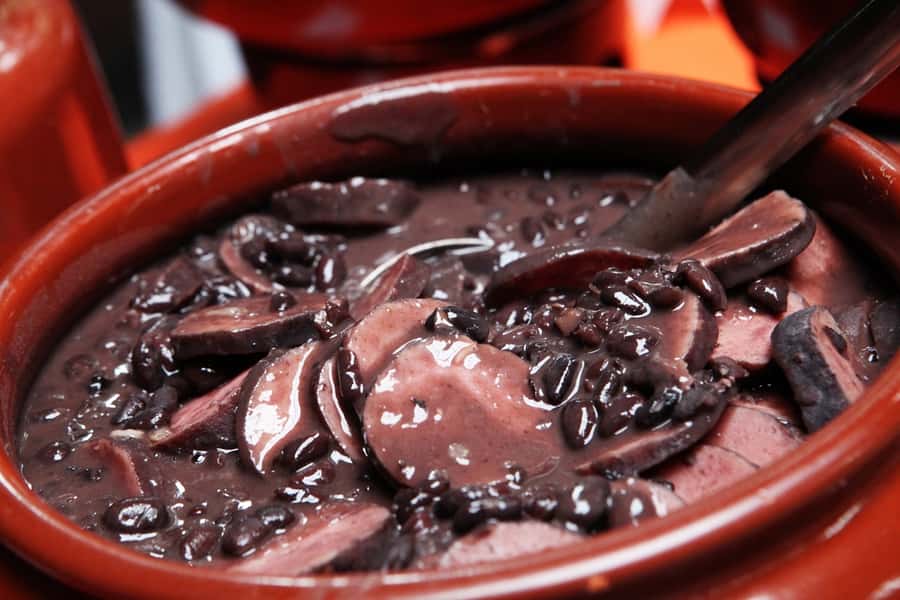
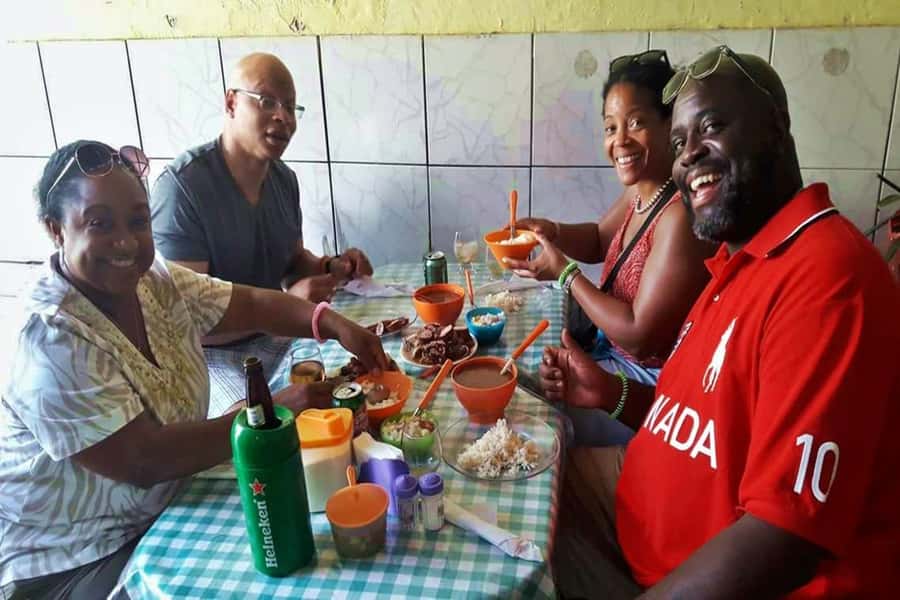
- Feijoada lunch in Garcia: Homemade bean stew served in a black community with decades of family tradition.
- Iemanjá context near Rio Vermelho: You end at the Queen of the Sea area tied to a major annual ceremony.
Why this 6-hour Salvador tour feels different than a standard city loop
Most Salvador tours hand you highlights and photos. This one is different because it treats the city like a living classroom. You are not just moving between “pretty places.” You are tracing how African traditions were preserved through centuries, including in maroon communities, and how that legacy shows up in religion, community life, and even street-level geography.
That focus matters for your experience. It helps you connect the dots between Pelourinho’s visual energy and the deeper human stories underneath it. It also gives you a better feel for what you are looking at when you see markets, religious spaces, and coastal neighborhoods.
One practical reason this works well is the structure. It stays tight at 6 hours, with hotel pickup and drop-off, entrance fees included, and lunch built into the route. You spend less time figuring things out and more time asking questions.
More City Tours in Salvador
- Salvador City Tour – Discover Brazil’s First Capital En, It, Es
★ 5.0 · 217 reviews - Private City Tour in Salvador
★ 5.0 · 110 reviews - Afro-Brazilian Roots Private City Tour in Salvador
★ 4.7 · 88 reviews
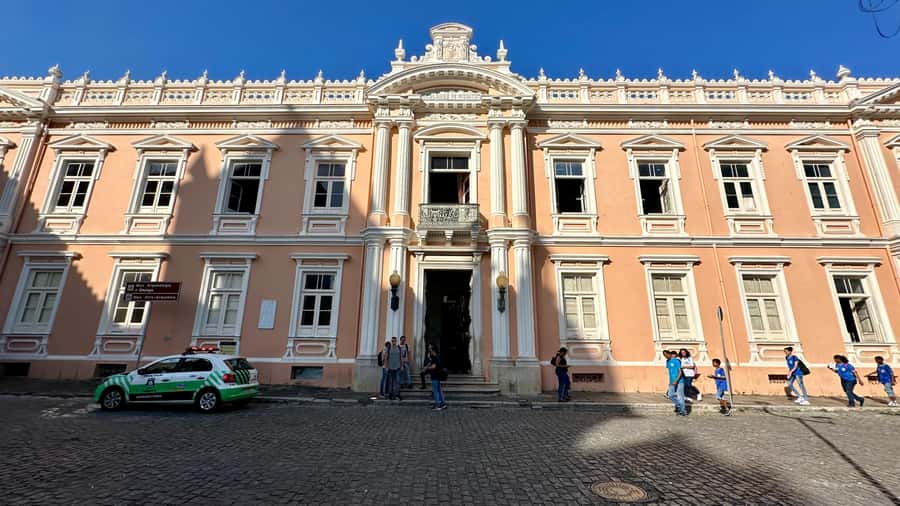
Pelourinho and the Afro-Brazilian Museum: start with context, not crowd photos
You begin in Salvador’s historic core, Pelourinho, which UNESCO lists as a World Heritage Site. Even if you have seen photos of Pelourinho before, this is the moment when the tour gives you the “why.” The guide frames what you are seeing as part of a long history of African presence in Bahia, including the way Black culture took shape and survived.
You then visit the Afro-Brazilian Museum, where the emphasis is on the history of Black people. This is a useful starting point because it sets your brain in the right mode. After the museum, street scenes and community areas stop feeling random. You start to recognize patterns: preservation, transformation, resistance, and faith.
A note to keep expectations realistic: you are likely to do some walking and quick photo stops as you move. If you love slow museum time, this might feel brisk. If you want momentum plus explanations, it hits a good balance.
Dique do Tororó: a quick stop that teaches you how to read the city
Next up is Dique do Tororó. You get photo time plus a guided moment here (around 20 minutes). This area is one of those places where the physical setting and cultural meaning often go together. Depending on the day, you may notice local wildlife around the water and greenery.
What makes this stop valuable is not just the view. It is that the guide uses it to shift your attention from “what it looks like” to “what it represents.” In a city like Salvador, that skill helps everywhere you go after.
If you are the type who hates being herded from stop to stop, you might wish more time here. But it is a smart pacing move. It keeps you moving toward the markets and religious sites where the day’s story gets most specific.
Rail suburbs and the changing urban map of descendant communities
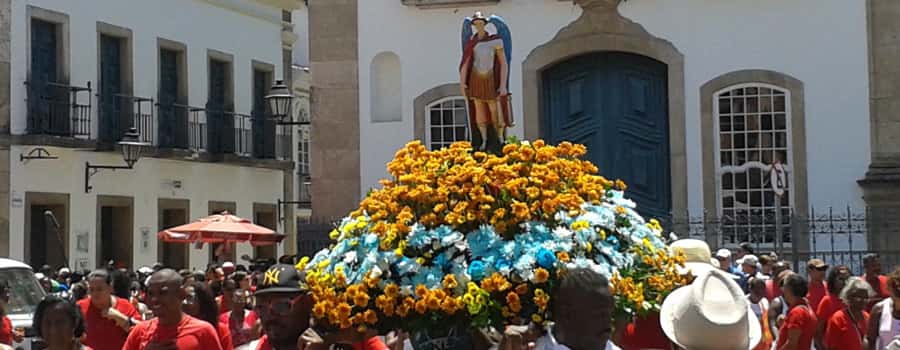
One of the tour’s more interesting ideas is the way it treats neighborhoods as historical evidence. After Dique do Tororó, you head toward areas described as railway suburbs, where you observe how the urban landscape changes in territories tied to enslaved descendant communities.
This is the part of the day that can feel subtle if you are not paying attention. The guide helps by pointing out contrasts and telling you what those contrasts mean. You are not just looking at buildings and street texture. You are learning how communities evolved and how space can reflect history.
Practical tip: have your questions ready. This is the moment when a good guide earns their keep. Names that have come up in people’s experiences for this kind of teaching include Mônia, D. Maria, and Fernando, and the common thread is clear explanations and strong answers.
More of Salvador and the Pelourinho:
- Round trip transfer, Salvador, Bahia, Brazil
★ 5.0 · 228 reviews - Cooking class in Salvador, an authentic dinning experience
★ 5.0 · 132 reviews - Tour to the Frades Islands and Itaparica, from Salvador – Ba
★ 4.0 · 130 reviews - Transfer Salvador Airport / Hotel Litoral Norte
★ 5.0 · 111 reviews
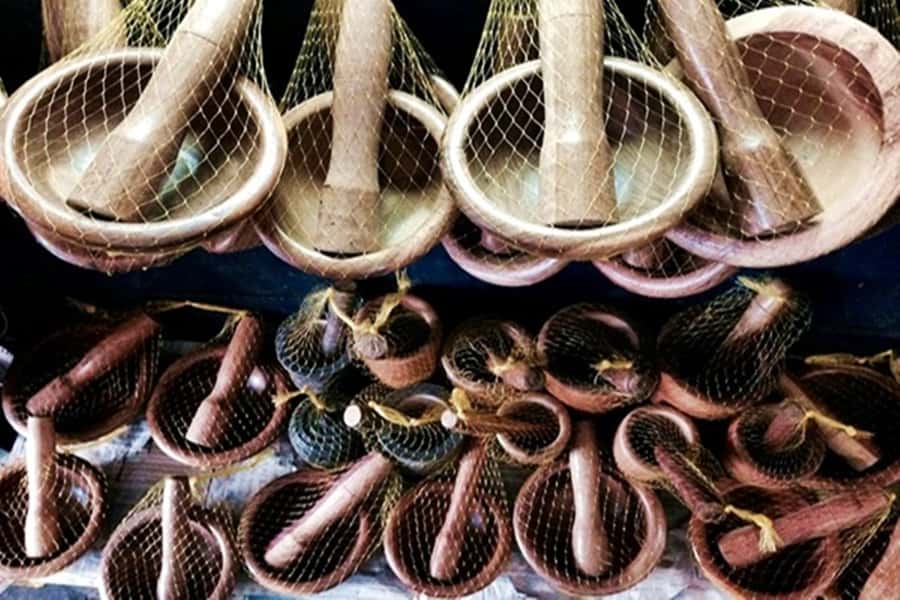
São Joaquim Market: where daily life meets intangible heritage
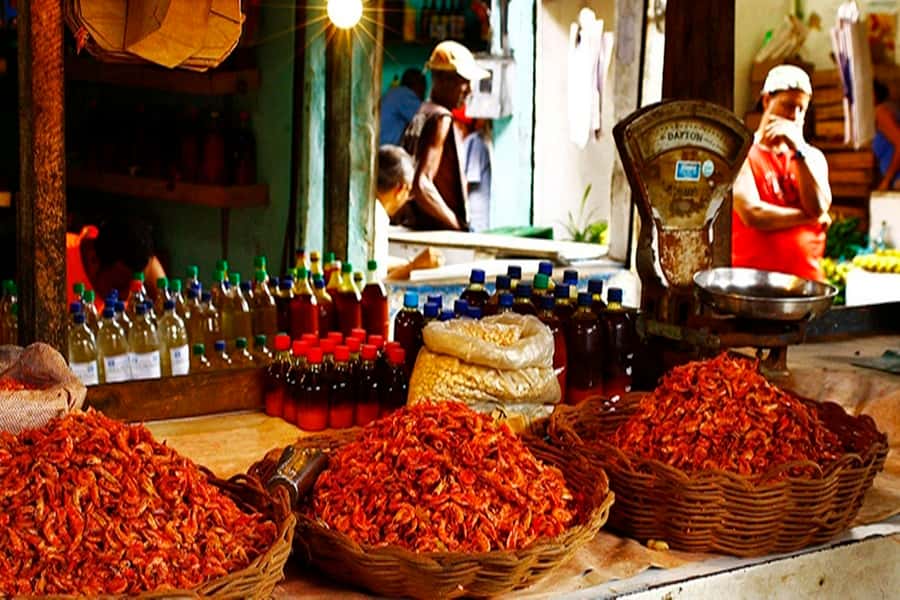
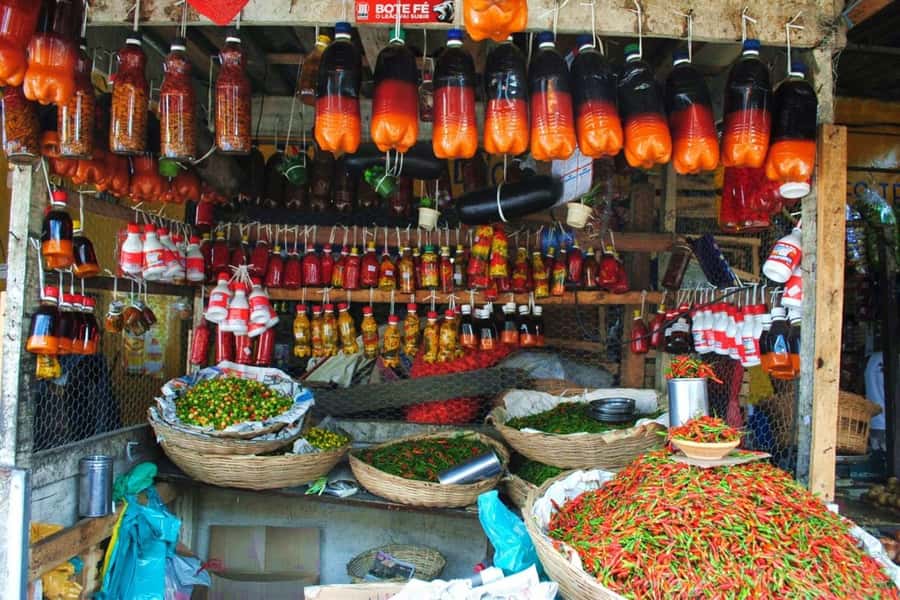
You then visit São Joaquim Market, described as the largest open market in the city and also listed as an intangible heritage of Brazil. The key historical detail here is that the market was founded by enslaved Africans in the 19th century.
This is a big deal for value. Markets can feel like just another place to shop. Here, you are guided to see the market as a continuation of community life and labor history. That makes browsing feel more purposeful. Even if you only stay a short time, you walk away seeing how commerce and culture braid together.
What you might like most: this stop gives you texture. It is where you can sense how Salvador lives now, not just how it looked in the past. And because the tour keeps the group small, it is easier to move at a comfortable pace without losing the guide’s narration.
If you want souvenirs, this is typically the kind of stop where you can do it. Just remember this is not a shopping-only tour. The focus stays on interpretation.
The old port and slave market area: painful history, handled with care
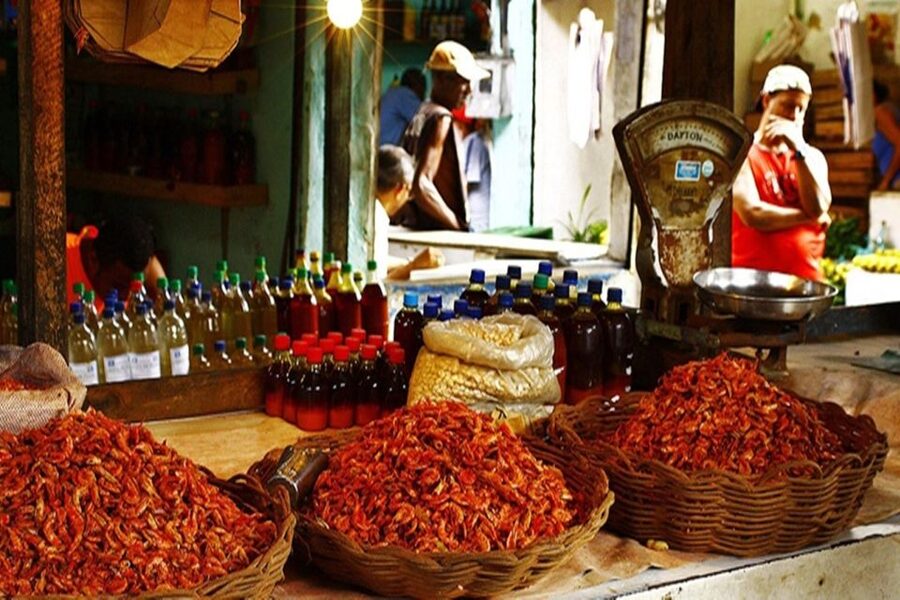
After the market, you go to Salvador’s old port of arrival of Africans and the slave market area. This is heavy territory. The tour frames it through a guided lens so you understand why the places matter.
You should treat this as a moment to slow down mentally. Even when the schedule keeps moving, let the information land. This stop is about memory, not just sights. If you are sensitive to historical content, plan for that, and give yourself a second to breathe when you need it.
A subtle upside: it makes the religious and community stops that follow feel less like disconnected “culture.” The day links the spiritual life you will see later to the realities of forced displacement and resistance.
Candomblé at Ile Iya Axe Nasso Oka: matriarchy-led Yoruba tradition
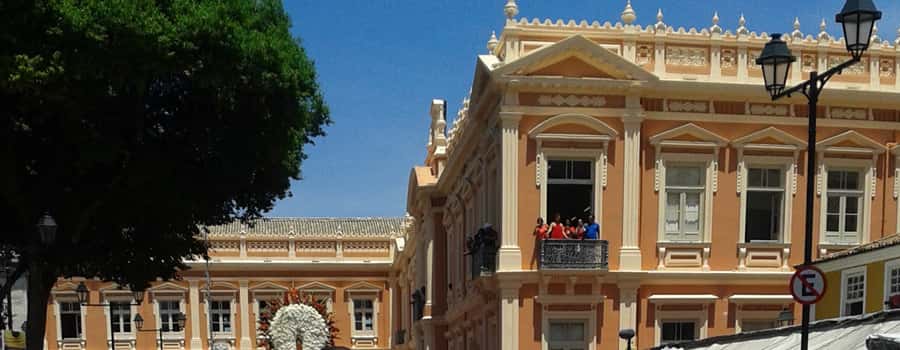
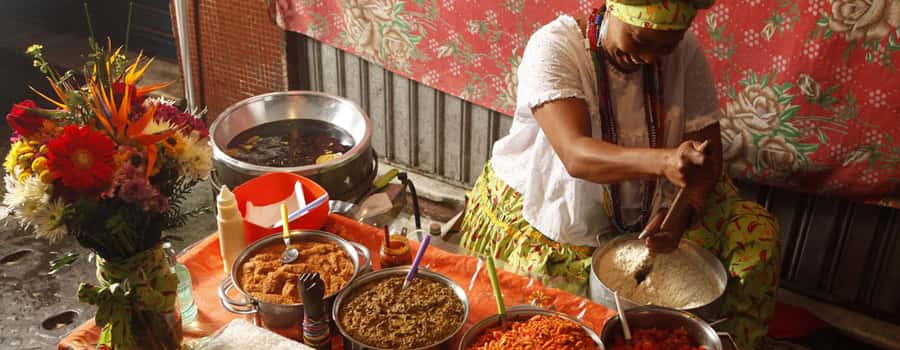
One of the most talked-about parts of this style of tour is visiting a candomblé terreiro. Here you go to the first candomble terreiro of Yoruba origin founded in the New World, described as Ile Iya Axe Nasso Oka. The description also emphasizes matriarchy-led tradition, which is a helpful detail because it corrects a common stereotype that religion is always male-centered.
This stop is not about spectacle. It is about understanding a living religious tradition. You get guided time, plus a sense of how tradition gets carried through leadership structures and daily practice.
Expect the guide to connect this to broader Bahia traditions, including how communities preserved spirituality through centuries of struggle. That context is what turns this stop from “I saw a religious place” into “I understand why this matters.”
If you are the kind of traveler who asks a lot of questions, you’ll likely enjoy this. People consistently praise the guide skills on days like this, with Mônia and D. Maria specifically highlighted for strong knowledge and patient explanations.
Lunch in Garcia: feijoada with a family’s 50-year tradition
Then comes a satisfying break: lunch in a black community in Garcia. The tour says the meal is in the company of a family with over 50 years of tradition. The featured dish is feijoada, described as homemade bean stew.
This is the part you should look forward to, even if you are usually skeptical about “cultural lunch” experiences. The value here is not only that the food is included. It is that the lunch happens in a community setting where tradition is lived, not performed as a one-time show.
A practical tip: if you have dietary needs, handle it upfront. The tour offers a vegetarian option if you advise at booking, and they also ask you to notify them of specific dietary requirements.
Also, remember the earlier note: drinks are not included. So if you want anything beyond what is served with lunch, budget a bit extra.
Rio Vermelho and the Queen of the Sea House for Iemanjá
To finish, you head to the Queen of the Sea house by Rio Vermelho, in a fishermen community. The idea here is reverence for the African divinity of the sea, Iemanjá. The description says the community built an altar in honor of her.
If you visited Salvador in the past, you might have heard about the huge festivities connected to Iemanjá. This tour gives you that connection with a key date: February 2, when a major ceremony gathers over 400,000 people.
Even if your trip does not overlap with that date, the stop is still meaningful. It shows you how spirituality is anchored in place. And it gives you a calm, reflective ending after the heavier historical content earlier in the day.
Practical expectation: this is an outdoor, beach-area finish. Wear sun protection and plan for coastal weather. The tour is only 6 hours total, so it stays within manageable limits, but the final stretch can feel more exposed than earlier stops.
Price and value: what you’re really paying for at $150
At $150 per person for 6 hours, the price is not just about transportation. Here is what you effectively get for that money, based on what is included:
- Hotel pickup and drop-off
- A driver/guide plus a professional guide
- Entrance fees
- Lunch (with vegetarian option available if you arrange it)
- A small-group format capped at 4 participants
That matters because these are the costs that often add up when you try to do it yourself. Tickets, admission fees, and guided time in religious and museum spaces can be hard to price accurately on your own, especially when you want context instead of a vague tour.
The biggest potential extra cost is also straightforward: drinks are not included. If you keep it simple and stick to water, you’ll probably spend less than you expect. If you want lots of extras, you’ll pay.
My take on the value: this is a strong fit if you care about meaning and good explanations. If you only want “photos and quick facts,” you may feel you paid extra for depth. But if you want the day to give you something you carry home, it is likely money well spent.
What the small-group setup changes in real life
When a tour is capped at 4 participants, it changes the whole dynamic. You are not just waiting your turn. The guide has room for follow-up questions, and you can get clarifications without feeling like you’re slowing down a big group.
This tour’s emphasis on anthropology and religious context makes that especially important. Topics like candomblé and the history tied to African arrival, slavery, and resistance require explanation, and good guides are the difference between understanding and confusion.
People who have done this kind of tour highlight the guides by name, including Mônia, D. Maria, and Fernando, with praise for how they handle questions and keep the information clear.
If you are nervous about asking questions in a different language, you’re covered. The guide is offered in Spanish, English, French, Italian, and Portuguese, so you can travel without guessing.
Who this tour is best for, and who should skip it
This tour fits you if:
- You want Salvador’s African heritage explained in a grounded way.
- You like tours where religion and history connect, not separate.
- You prefer a small group and a guide who answers questions.
- You are happy with a schedule that moves, with time set aside for lunch and guided moments.
You might want to choose something else if:
- You need wheelchair access. This tour is not wheelchair accessible.
- You dislike photo-stop pacing and prefer fully unhurried browsing.
- You only want lightweight city sightseeing and not deeper historical content.
Should you book this Salvador anthropological city tour with lunch?
If you like your sightseeing with context, I’d book it. The combination of UNESCO Pelourinho, São Joaquim Market, a Yoruba-origin candomblé terreiro, and an included feijoada lunch in Garcia makes this more than a standard highlights tour. You get a sequence of places that explain each other.
Just be realistic about the format. It is 6 hours, it includes photo stops, and it is not wheelchair accessible. If you come ready to learn and ask questions, you’ll likely feel the day gives you a clear, human picture of Salvador’s roots and how they still shape the city now.
FAQ
How long is the Salvador Anthropological City Tour with Lunch?
The tour lasts 6 hours.
What is the group size?
It is a small group limited to 4 participants.
Is hotel pickup and drop-off included?
Yes. Pickup and drop-off are included, with pickup from your hotel lobby.
What languages are the live guides available in?
Live tour guides are available in Spanish, English, French, Italian, and Portuguese.
Is lunch included, and can I request a vegetarian option?
Lunch is included. A vegetarian option is available if you advise at the time of booking.
Are drinks included with lunch?
No. Drinks are not included.
Are entrance fees included?
Yes. Entrance fees are included.
Is the tour wheelchair accessible?
No, it is not wheelchair accessible.
What is the cancellation policy?
You can cancel up to 24 hours in advance for a full refund.
Newest Salvador da Bahia reviews
- Cultural Folkloric Show and Dinner in Salvador★ 4.5 · 15 reviews
- Transfer Vila Galé Marés (Guarajuba) – Private★ 5.0 · 15 reviews
- Tour to Praia do Forte and Guarajuba★ 4.0 · 16 reviews
- Private City Tour of Salvador da Bahia★ 5.0 · 17 reviews
- 3-Hour Private Tour of Salvador Capital Afro-Brazilian★ 5.0 · 17 reviews
- Afro-Brazilian Roots city Tour in Salvador with lunch at Favela★ 5.0 · 17 reviews
- Salvador African Heritage Private City Tour Including Afro Museum★ 4.5 · 18 reviews
- Morro de São Paulo Tour, Leaving Salvador-Bahia.★ 5.0 · 18 reviews
Salvador & Pelourinho, compared.


Salvador City Tour – Discover Brazil’s First Capital En, It, Es
Read our review →
Cooking class in Salvador, an authentic dinning experience
Read our review →
Tour to the Frades Islands and Itaparica, from Salvador – Ba
Read our review →
Transfer Salvador Airport / Hotel Litoral Norte
Read our review →


Tour Praia do Forte and Guarajuba, Leaving Salvador-Bahia.
Read our review →Browse the lists this tour appears in