
Reviewed · SALVADOR & PELOURINHO
Afro-Brazilian Roots Private City Tour in Salvador
This Afro-Brazilian Roots private city tour in Salvador is interesting because it links faith, food, and everyday neighborhood life, not just postcard sights. I like that you start with Yemayá at Rio Vermelho, then move into a Candomblé house in the Ewe Fon tradition where belief is part of real life. I also really like the stop-and-taste rhythm, including an acarajé tasting and market flavors at São Joaquim Fair. One thing to consider: you visit favela areas where photography is not authorized, so your camera will have limits.
The day runs smoothly in a private group with a private car, so you are not rushed between far-apart stops. Guides such as Wilson, Mônia, and Vagner are repeatedly praised for turning sites into clear stories you can actually use. One practical drawback: there is walking and the terrain can be uneven, so it is not suitable for wheelchair users.
Wear comfortable shoes and keep a little flexibility in your plan. Salvador’s streets and lighting can change your route timing, and this tour is designed to stay respectful and calm, especially near sacred spaces.
Key highlights worth marking on your mental map
- Yemayá altar by Rio Vermelho fishermen: A sacred stop you reach through the local waterfront, not a stage-managed viewpoint.
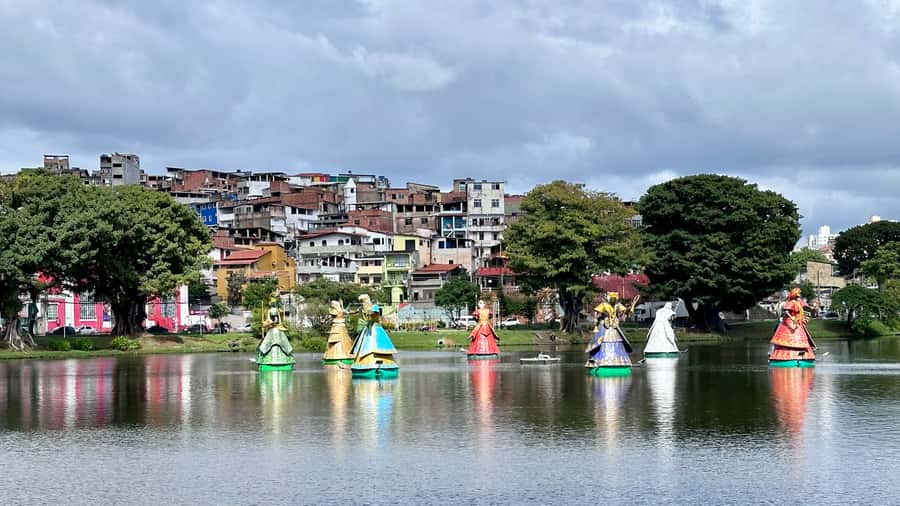
- Dique do Tororó photo stops: African monuments with strong symbolism and built-in mystery around the story behind them.
- São Joaquim Fair food and ingredients: Market smells, typical dishes, and everyday shopping that explain culture fast.
- Acarajé tasting break: One of Bahia’s best-known foods, sampled as part of the day’s cultural thread.
- Candomblé in the Ewe Fon tradition: A guided visit to learn how worship and community connect.
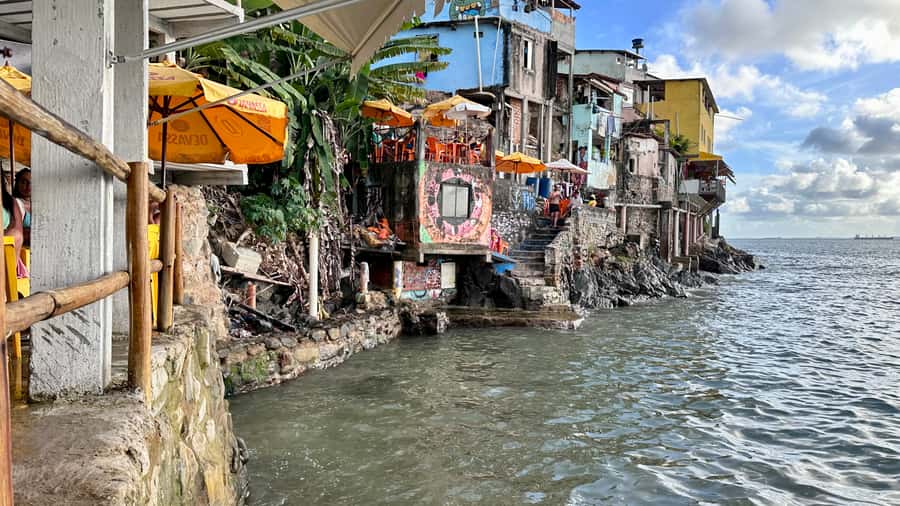
- Seaside favela lunch with photo rules: Panoramic sea views, plus clear guidance on where your camera stays off.
Salvador through Afro-Brazilian faith and everyday neighborhoods
If you want Salvador to feel human, this is the kind of tour that helps. You are not only looking at buildings. You are meeting the systems of belief, food, and community that shaped Afro-Brazilian life in Bahia and still shape it today.
This tour is also practical. You get a guide, a private car, and a planned sequence of stops that fit a 6-hour window. That matters in Salvador, where distances add up quickly and you do not want to waste half your day in traffic just to reach one meaningful site.
From the guides praised on this experience, you can expect a stronger emphasis on explanation than on party energy. One guest even pointed out it can feel more intellectual than playful, and that tracks with how the day is built around history, faith, and cultural continuity.
More City Tours in Salvador
- Salvador City Tour – Discover Brazil’s First Capital En, It, Es
★ 5.0 · 217 reviews - Private City Tour in Salvador
★ 5.0 · 110 reviews - Historical African oriented City Tour
★ 5.0 · 52 reviews
Rio Vermelho and the Yemayá altar, where waterfront life meets spirituality
The day starts on the Rio Vermelho waterfront, and that choice sets the tone. This is not a move-it-on tourism sprint. It is a calm introduction to how Afro-Brazilian heritage shows up in daily rhythms.
At the sacred altar of the African deity Yemayá, you will see a place that is carefully maintained by local fishermen. That detail is important. It tells you Yemayá is not only a concept discussed in books. It is part of the shoreline community, linked to work, respect, and tradition.
You are likely to get guidance on what the altar represents and why it matters in Bahia’s cultural story. You will also learn how these religious traditions traveled, adapted, and survived under changing rules over the centuries.
A small consideration: waterfront stops can be sunny and windy. Bring sunscreen or a hat if you run hot, and keep your phone protected if sea air is strong.
Dique do Tororó photo stops and the meaning behind African monuments
Next comes Dique do Tororó, another place where you are meant to look closely, not just take a quick photo. The guide-led stops here focus on monuments that carry African symbolism and a sense of mystery built into the design.
What I like about this portion is how it frames “monuments” as cultural statements. You are not treating them like random stone. You are learning what questions to ask as you look, including how memory and identity get expressed in public space.
There are also multiple photo-style moments during the day. That means you can shoot in short bursts and then get back to listening. It keeps the tour from turning into a phone-zoom contest.
One drawback to plan for: photo time can tempt you to rush. Resist it. The best parts happen when you stay present for the explanation, especially around religious and cultural symbolism.
São Joaquim Fair flavors: how a market teaches history
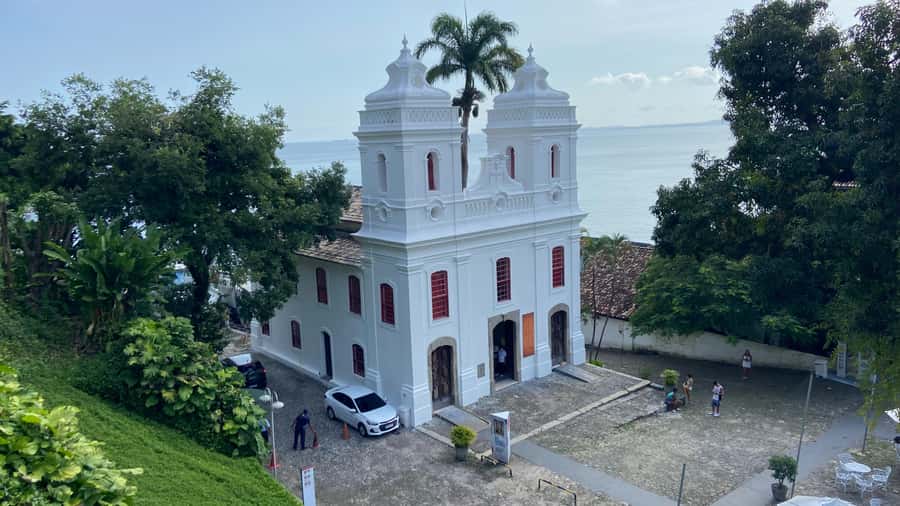
São Joaquim Fair is where the tour earns its keep as a food and culture experience. This is the point where heritage becomes tangible through smells, ingredients, and what people actually buy.
You will be guided through typical stores stocked with exotic fruits, fresh vegetables, and local dishes. The goal is not only tasting. It is understanding how market life reflects cultural roots, migration, and adaptation over time.
I find this a smart move because it gives you context before the day gets more sacred. You walk into the Candomblé temple after understanding what everyday food culture looks like in Bahia. That makes the later part of the tour feel more connected and less like separate topics.
If you are sensitive to crowds or strong aromas, you might want to pace yourself and let the guide decide when to move closer to stalls. Markets can be busy, and you are there to learn, not to sprint.
More of Salvador and the Pelourinho:
- Round trip transfer, Salvador, Bahia, Brazil
★ 5.0 · 228 reviews - Cooking class in Salvador, an authentic dinning experience
★ 5.0 · 132 reviews - Tour to the Frades Islands and Itaparica, from Salvador – Ba
★ 4.0 · 130 reviews - Transfer Salvador Airport / Hotel Litoral Norte
★ 5.0 · 111 reviews
Acarajé tasting: one stop, big meaning
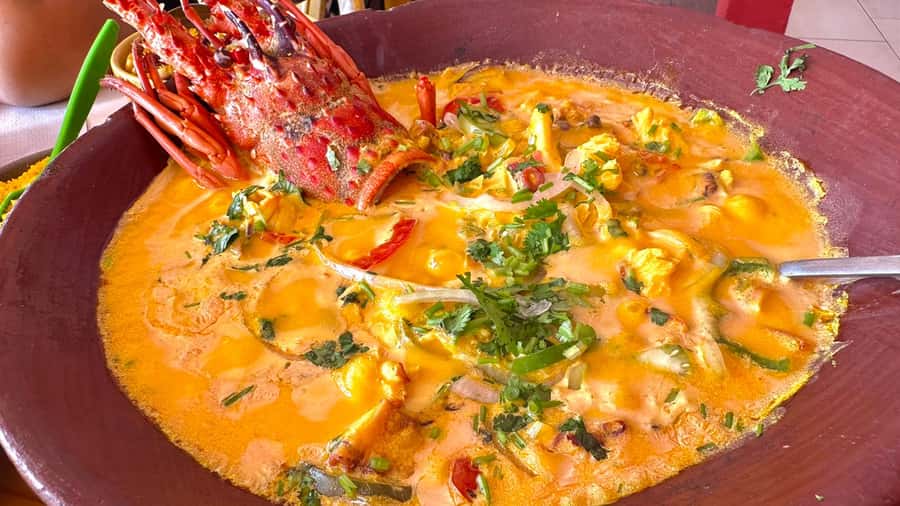
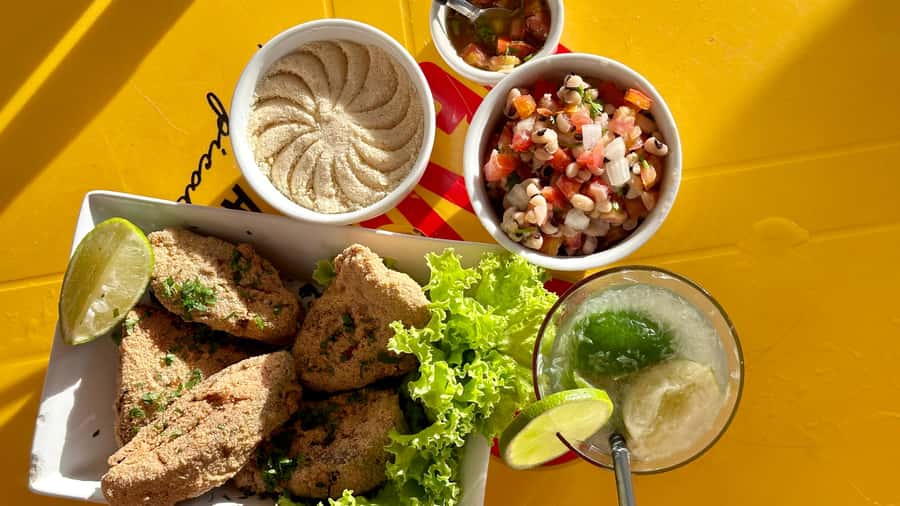
The day includes an acarajé tasting, and it is more than a snack. In Bahia, acarajé sits at the intersection of local ingredients, Afro-Brazilian culinary tradition, and religious-cultural practice.
During your tasting, you get a guided introduction to what you are eating and why it has the role it has. You are also given the kind of cue that helps you recognize the flavors when you order it later on your own.
What I like most is that the tasting fits the tour’s theme. It does not feel like a random food break. It is part of the same thread as the Yemayá altar and the Candomblé visit.
Plan for this part to take a bit of time, so you are not starving later. Also, drinks are not included, so if you want water beyond what is provided, budget for it on your own.
Candomblé house visit in the Ewe Fon tradition: respect first, questions welcome
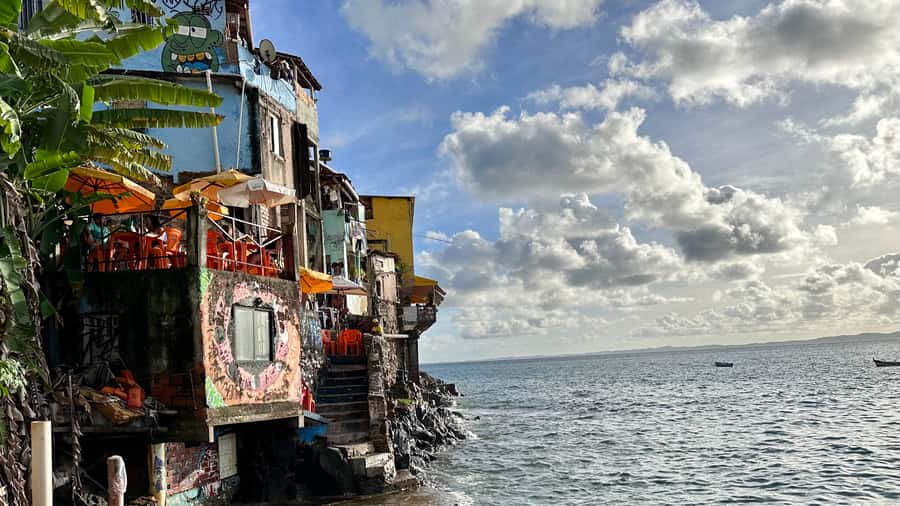
The heart of the day is the visit to a sacred temple of Candomblé in the Ewe Fon tradition. This is where the tour becomes more than sightseeing. You are learning how beliefs and rituals sustain a community and how tradition continues through practice.
You should expect a serious tone here. From guide style described in feedback, the tour often emphasizes history, meaning, and careful explanation. It is not a casual show, and it is not meant to be treated like entertainment.
You also get a helpful logistical perk. The experience notes skip-the-line entry via a separate entrance, which can reduce waiting time and keep the visit focused.
A smart way to approach this stop: come with a few broad questions, not a dozen random ones. Things like how community roles work, why specific practices matter, or how Ewe Fon tradition connects to broader Afro-Brazilian culture.
Photography rules apply in favela areas later in the day, but sacred spaces also usually require discretion. Follow your guide’s cues and keep the experience respectful.
Seaside favela lunch with panoramic views, plus strict photography limits
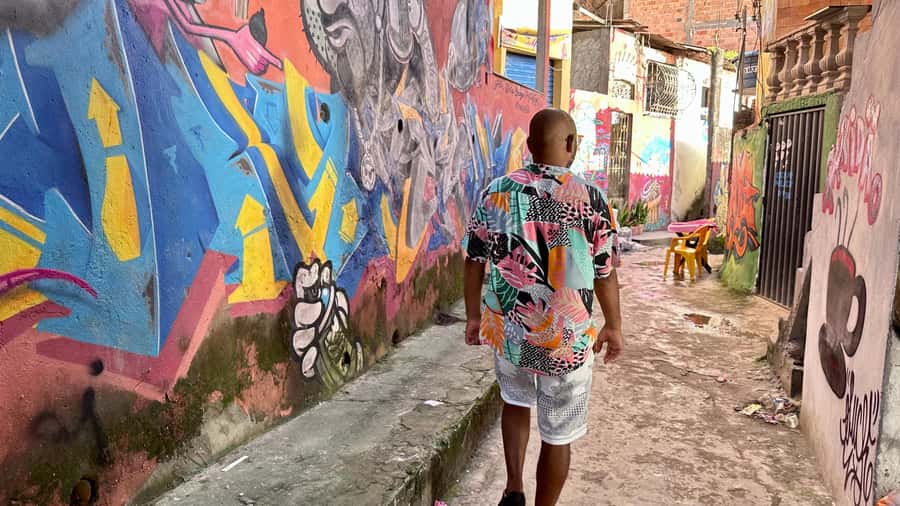
The tour ends in a picturesque seaside favela setting, with a relaxing lunch and panoramic views of the sea. This is the portion that many people remember most because it changes how Salvador feels in your mind.
Two hours are set aside for lunch plus free time. That time matters. It gives you space to absorb the place, chat if the setting allows, and enjoy the view without feeling like you are being rushed to the next photo stop.
The big consideration here is rules. The tour information clearly says these are favela communities where photography is not authorized. That means you should plan on putting your camera away in those areas. If you do not like rules, this might annoy you. If you respect the reason for the rule, it makes the experience feel more honest.
Lunch is included, and the sea view makes it feel special. Just remember drinks are not included, so have a plan for hydration.
How private car timing, guide languages, and pacing work in real life
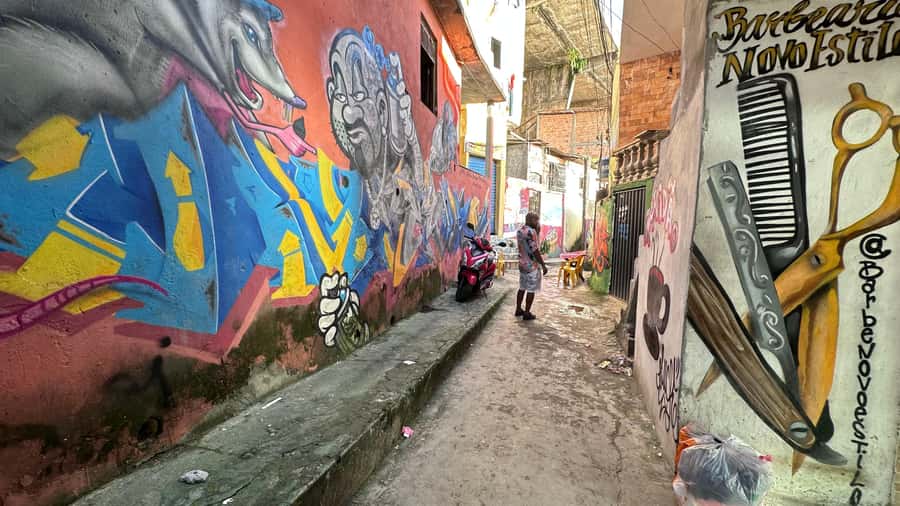
This is a private group tour, and that changes the whole vibe. You can ask questions in the moment, and the guide can adjust pacing so the day does not feel like a factory line.
Pickup is included from your accommodation in Salvador. You should wait in the hotel lobby about 10 minutes before pickup time, so you do not lose time and you start the day relaxed.
Language support is a real strength. The live guide can speak Portuguese, Spanish, English, and French. That matters at Candomblé-related stops, where a clear explanation can make the difference between skimming and understanding.
The pace is also described as relaxed in feedback, and the schedule includes multiple guided segments with photo stops. In practical terms, it means you will have listening time, plus time to look around, without being forced into constant walking.
A final pacing note: this is a 6-hour experience. That is long enough to feel like a full day, but short enough that you can still do other Salvador activities later. If you want one tour that sets a foundation for the rest of your trip, this is a good candidate.
Price and value: what $150 buys you here
At $150 per person for 6 hours, the price is only a good deal if the inclusions do the heavy lifting. Here, they do.
You get a tour guide, a private car, lunch, and an acarajé tasting. There is also a donation included. When a tour bundles guide time plus transportation plus food into one price, it usually means less “nickel and diming” during the day.
It also helps that this tour focuses on off-tourist-track areas and sacred cultural sites. You are paying for access plus explanation, not for photos from a standard route.
Is it perfect value for everyone? No. If you only want famous beaches and pastel ruins, you may feel the day leans academic and spiritual rather than party. If you want to understand Salvador through Afro-Brazilian roots, you are paying for the right things.
Should you book Afro-Brazilian Roots in Salvador?
Book it if you want Salvador to make sense culturally, fast. This tour is built around Yemayá, market life at São Joaquim Fair, and a Candomblé visit in the Ewe Fon tradition, then it closes with a seaside favela lunch. That mix gives you context for the city that you cannot get from a quick bus tour.
I would also book it if you like food that has a story attached. The acarajé tasting is not random. It fits the theme, and you leave knowing what you tasted and why it belongs.
Skip it if you dislike rules around photography or you want a wheelchair-friendly route. The favela photography restrictions are clear, and the tour is not suitable for wheelchair users.
If you match the vibe, I think you will come away feeling like Salvador is more than a backdrop. It becomes a lived story of belief, food, and survival.
FAQ
How long is the Afro-Brazilian Roots private city tour in Salvador?
The tour lasts 6 hours.
Where does pickup happen, and when should I be ready?
Pickup is included from your accommodation in Salvador. Wait in the hotel lobby 10 minutes before your scheduled pickup time.
What is included in the tour price?
The tour includes a tour guide, lunch, an acarajé tasting, a private car, and a donation.
Are drinks included with lunch?
No, drinks are not included.
Do I get an acarajé tasting?
Yes. Acarajé tasting is included as part of the tour.
Can I take photos in all areas we visit?
Photography is not authorized in the favela communities visited on this tour, and you should follow the rules your guide provides.
What languages does the live guide speak?
The guide is available in Portuguese, Spanish, English, and French.
Is the tour suitable for wheelchair users?
No, this tour is not suitable for wheelchair users.
What is the cancellation policy?
You can cancel up to 24 hours in advance for a full refund.
Newest Salvador da Bahia reviews
- Cultural Folkloric Show and Dinner in Salvador★ 4.5 · 15 reviews
- Transfer Vila Galé Marés (Guarajuba) – Private★ 5.0 · 15 reviews
- Tour to Praia do Forte and Guarajuba★ 4.0 · 16 reviews
- Private City Tour of Salvador da Bahia★ 5.0 · 17 reviews
- 3-Hour Private Tour of Salvador Capital Afro-Brazilian★ 5.0 · 17 reviews
- Afro-Brazilian Roots city Tour in Salvador with lunch at Favela★ 5.0 · 17 reviews
- Salvador African Heritage Private City Tour Including Afro Museum★ 4.5 · 18 reviews
- Morro de São Paulo Tour, Leaving Salvador-Bahia.★ 5.0 · 18 reviews
Salvador & Pelourinho, compared.


Salvador City Tour – Discover Brazil’s First Capital En, It, Es
Read our review →
Cooking class in Salvador, an authentic dinning experience
Read our review →
Tour to the Frades Islands and Itaparica, from Salvador – Ba
Read our review →
Transfer Salvador Airport / Hotel Litoral Norte
Read our review →


Tour Praia do Forte and Guarajuba, Leaving Salvador-Bahia.
Read our review →Browse the lists this tour appears in