
Reviewed · SALVADOR & PELOURINHO
From Salvador: Quilombo Heritage Daytrip with Lunch
A Quilombo heritage daytrip in Bahia Recôncavo is interesting because it mixes lived community time with classic rural sights of sugar cane, manioc, and tobacco. I like the focus on hands-on staple food making and the chance to talk with a community elder (griô) instead of just watching from the sidelines. One thing to consider is that the Quilombo part can feel like a short set of demonstrations, so manage expectations for how deep the hands-on time will be for the price.
Expect a well-paced 8-hour route with a very small group, hotel pickup, and an expert guide who can explain the cultural meaning behind what you are doing. I also like the added stop in Cachoeira-Ba, including a Paraguaçu River crossing on a historic bridge, because it turns the day into more than one village visit. The main drawback to weigh is value: at this price, you will want the Quilombo experience to be more than brief show-and-tell.
Key things I’d prioritize on this daytrip
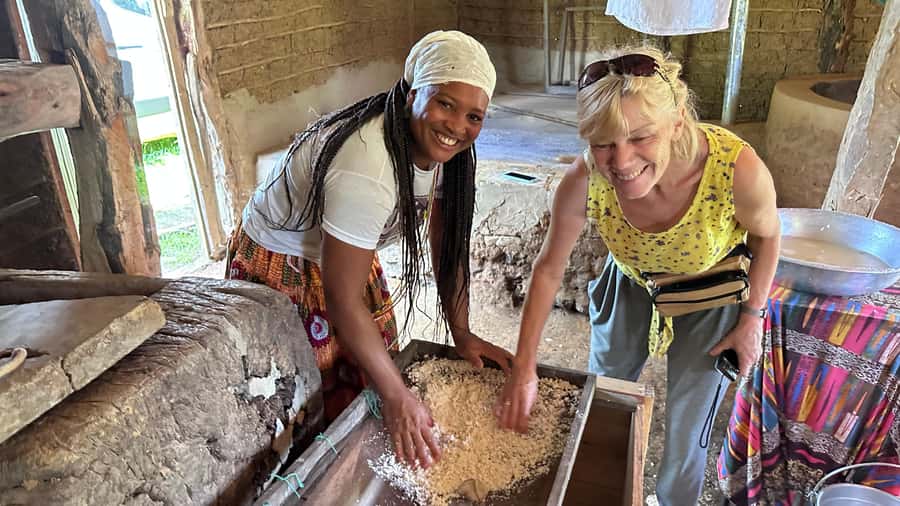
- Manioc flour making: learn the process tied to daily life and local food staples
- A real conversation with a griô: ask questions about tradition and community wisdom
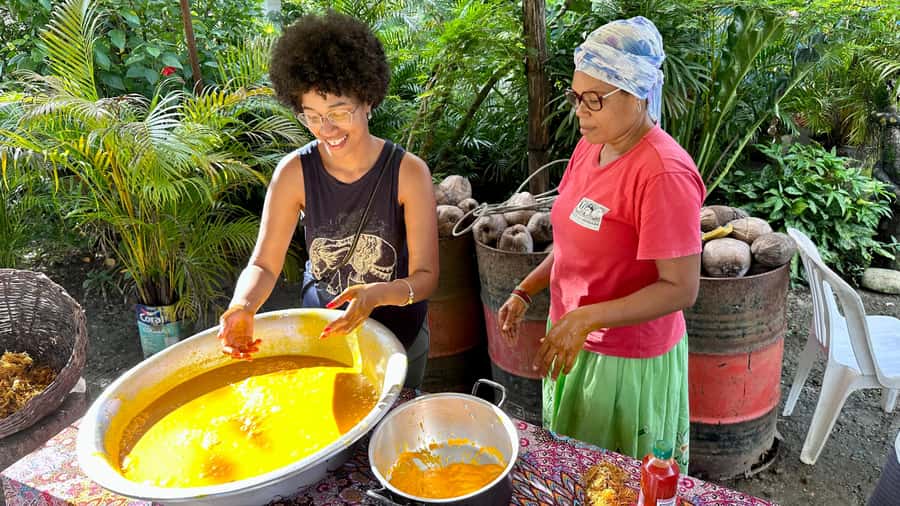
- Palm oil practice after lunch: you get another ingredient to connect with regional cooking
- Small-group intimacy: capped tightly, so your guide can actually answer questions
- Cachoeira-Ba + Paraguaçu River: colonial streets plus a historic bridge crossing
- A guide who can set context: one guide named Wilson gets praised for being fun and very informed
Quilombo Kaonge and the Recôncavo Baiano: what this day really covers
This trip is built around Bahia Recôncavo, a region shaped by Portuguese colonial influence and a strong African legacy. The day moves through the countryside and ends in Cachoeira-Ba, so you see how plantation-era economies and later community resistance fit into the bigger story of independence and identity.
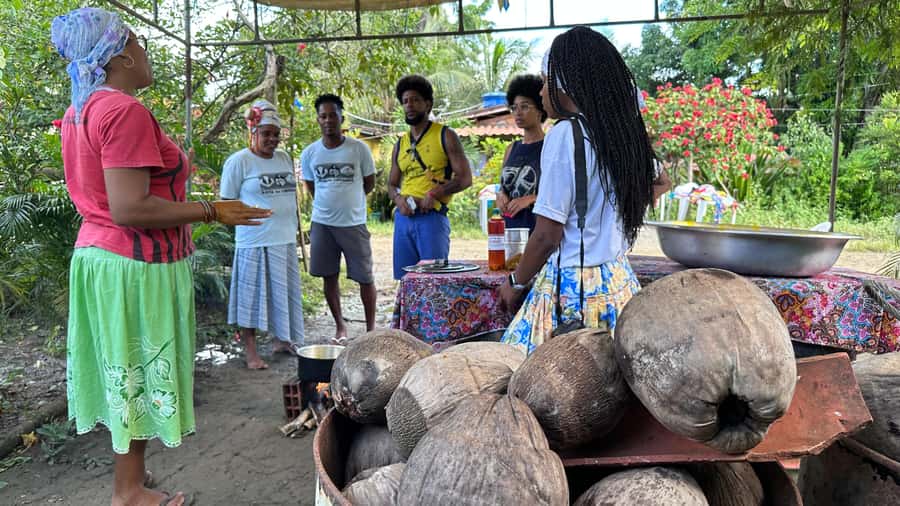
The Quilombola visit is the heart of the experience. You are not just passing by a cultural site. You are going into a traditional community setting where staple foods and cooking ingredients come from real work, not a factory tour script.
I also like that the day avoids the usual all-in-one checklist vibe. Instead, it focuses on a few key experiences you can actually understand, from where manioc flour comes from to what you are tasting at lunch.
More Historical Tours in Salvador
- Salvador Historic Walking Tour – Pelourinho
★ 4.8 · 62 reviews - Historical African oriented City Tour
★ 5.0 · 52 reviews - Full-Day Historic Private City Tour of Salvador with Lunch
★ 5.0 · 50 reviews
From your Salvador hotel to Praça da Purificação: the morning warm-up
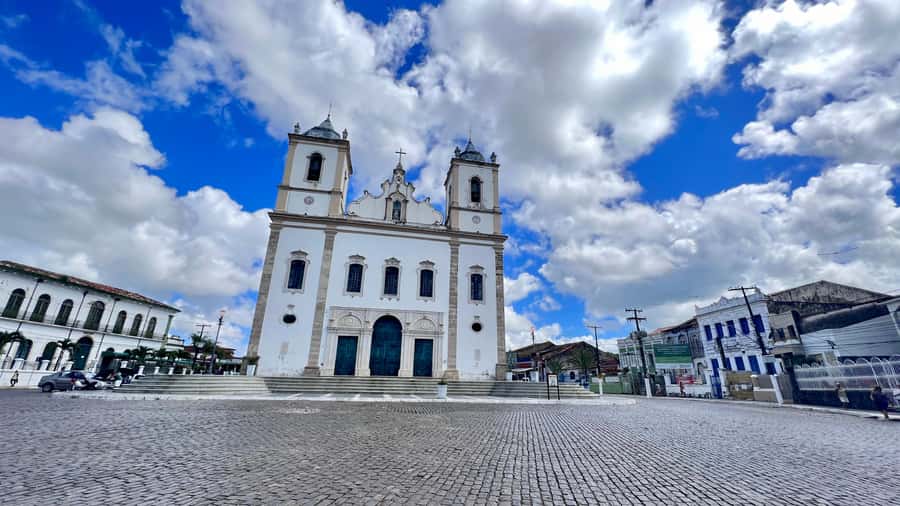
Your day starts with hotel pickup in Salvador and a ride north toward Santo Amaro area. The first planned stop is at Praça da Purificação, where you get a photo stop plus a guided look at the area’s streets and public spaces for about 30 minutes.
This early timing matters. It helps you get oriented before you head out of town into farm country. And it gives you a human “starter context” for what you will see later, even if this stop is shorter than the rural and community time.
Dress for real road time. Smart casual is the stated dress code, but you will also want comfortable shoes because you will be walking and spending time outdoors as the day goes on.
Santo Amaro, sugar cane, manioc, and tobacco farms: seeing the food system
After that first city stop, your route takes you through the Recôncavo countryside, where the setting connects directly to what you eat. You will pass sugar cane, manioc, and tobacco farms, with a guided walk and explanations along the way.
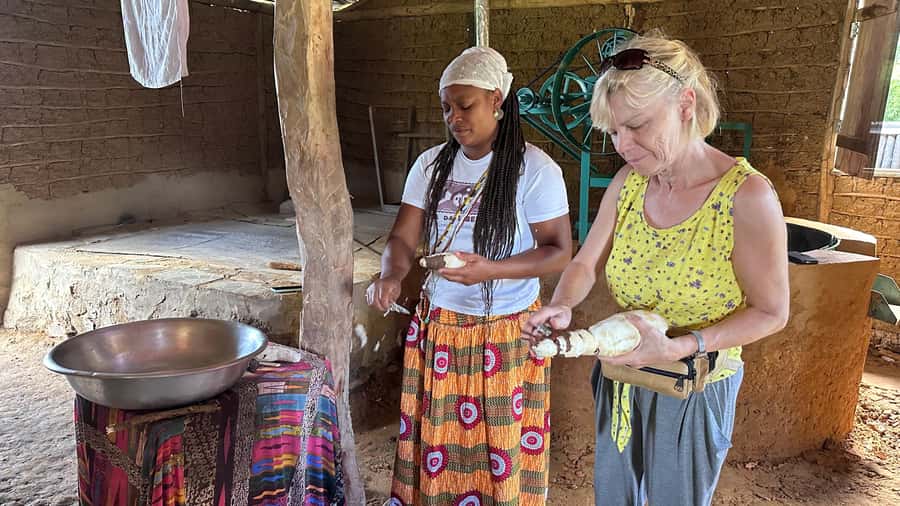
Here is the practical value: when you later learn manioc flour processing, it makes sense because you already saw the broader farming landscape that supports it. It also helps you understand why manioc matters so much. It is not a random ingredient. It is a staple that communities have built practical skills around for generations.
If you like travel days that teach through visuals, this portion will land well. If you are hoping for only indoor, museum-style learning, be ready for time outdoors with changing light, dust, and sun depending on the day.
Arriving at the Quilombola community in Kaonge: what to expect on the ground
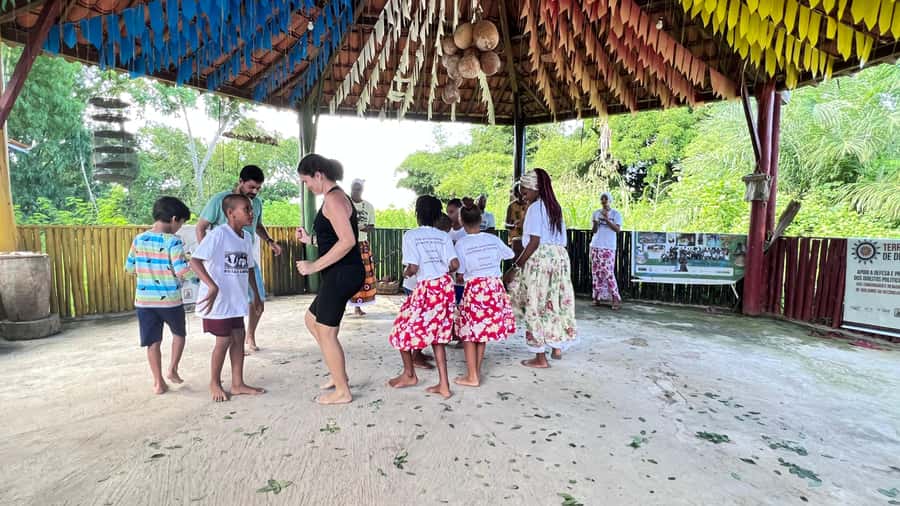
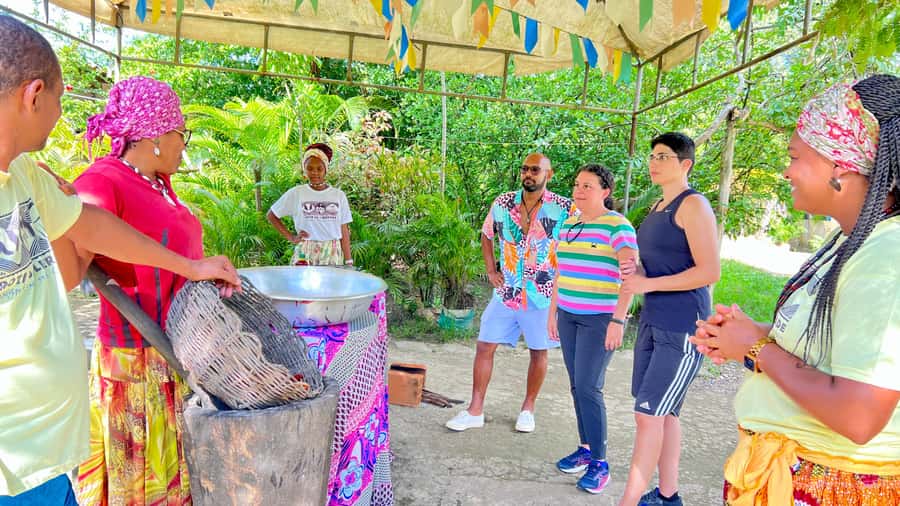
The day’s key cultural destination is Quilombo Kaonge, where you get the chance to experience daily life and community rhythms. This is where the tour shifts from “seeing a place” to “spending time in a community space.”
You should expect an atmosphere that feels personal and grounded. The point is to interact and learn, and the pace is more intimate than large-group sightseeing. The experience is designed as a small group, with the cap described as very tight in booking details and also broadly as a maximum of six people in the trip overview. Either way, the size is meant to keep your questions audible and your movement flexible.
This is also where I’d pay attention to your role. You are there as a learner. Ask respectful questions. Listen more than you talk. If you come with curiosity about food processing and community tradition, you will get more out of the visit.
More of Salvador and the Pelourinho:
- Round trip transfer, Salvador, Bahia, Brazil
★ 5.0 · 228 reviews - Salvador City Tour – Discover Brazil’s First Capital En, It, Es
★ 5.0 · 217 reviews - Cooking class in Salvador, an authentic dinning experience
★ 5.0 · 132 reviews - Tour to the Frades Islands and Itaparica, from Salvador – Ba
★ 4.0 · 130 reviews
Meeting the griô: the conversation component that makes it meaningful
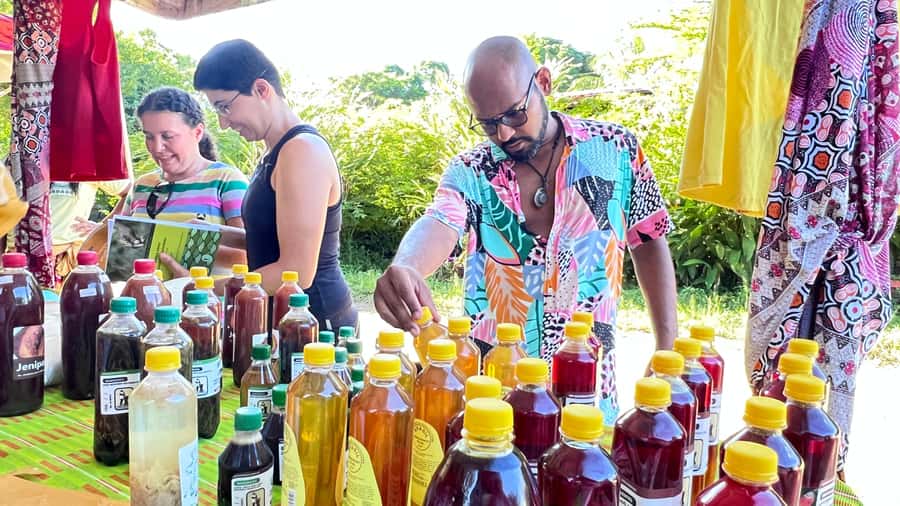
One of the strongest parts of this day is the chance to talk with a griô, an elder in the community. This is the moment that turns the day from a “things to do” schedule into actual understanding.
In the feedback from one praised guide, Wilson, people highlight how much information he can share, and that matters because a good guide helps you ask better questions. Even without a specific name on your tour date, the structure is clear: you get time to talk, not just to pose for photos.
What you should bring to this conversation is humility. If you ask about what the community values, the practical challenges of food work, or what young people learn, you will get more useful answers. And if someone explains a tradition in terms of daily survival, you will understand why the process of flour making is more than food prep.
Hands-on manioc flour and oil palm oil: where the learning becomes practical
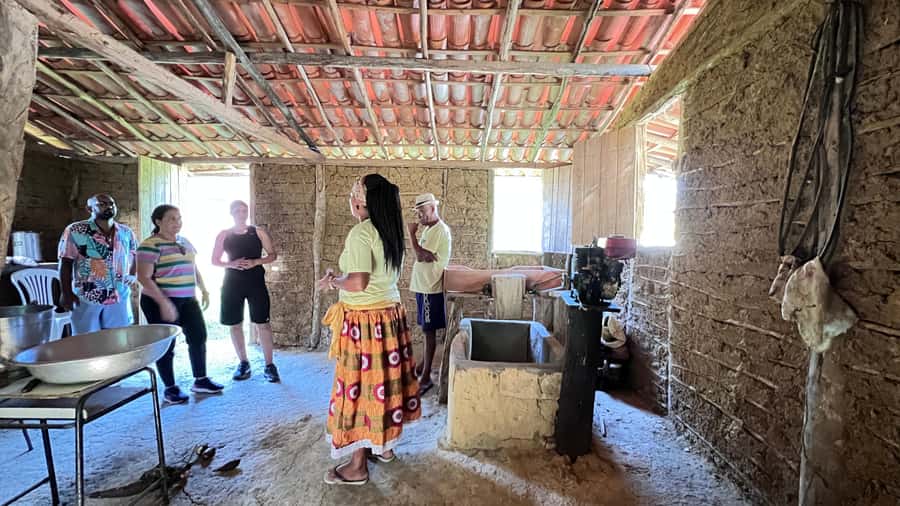
After lunch, you put your hands to work learning the process of making flour from manioc and also practicing oil palm oil preparation. This is one of the trip’s most practical claims, and it is also where your expectations should be carefully set.
From the pricing perspective, the experience can still feel basic if you are expecting long, step-by-step training the whole afternoon. One past review notes that the Quilombo activities felt like a few basic demonstrations for the cost. I’d treat that as a cue to look for the “intro to the process” vibe rather than a full workshop day.
That said, a short, well-guided practice session can still be valuable if you go in with the right mindset. You are learning how ingredients connect to tools, timing, and labor. When you can follow the logic of the process, you can recognize what is happening when you later see manioc flour in shops or at family meals.
Practical note: flour work can get messy. Even if the hands-on part is brief, plan for dust, residue, and sweaty work. Bring water, even though drinks are not included.
Lunch with vegetarian option: what this meal helps you understand
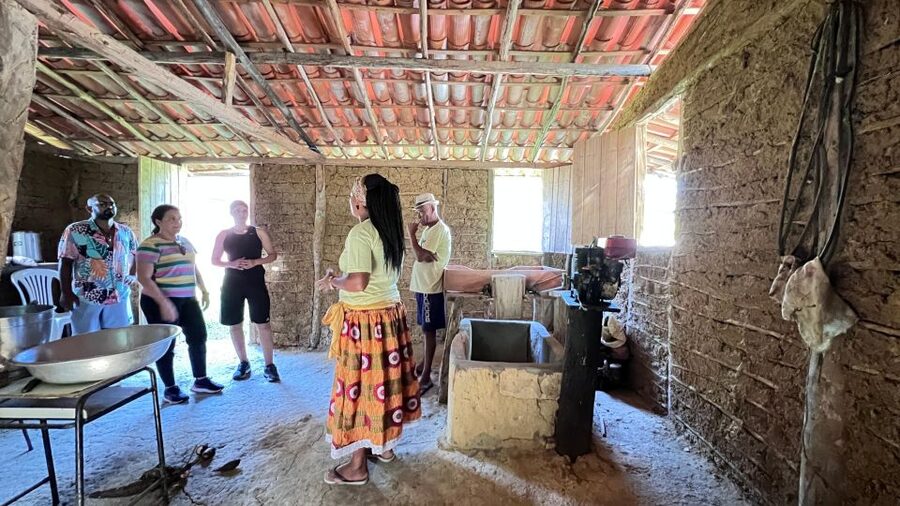
Lunch is included, and there is a vegetarian option available if you request it when booking. This matters because the tour’s theme is local staples, and you want your meal to match the story you are hearing, not just be a generic alternative.
Use lunch as a comprehension check. Taste what you can, then connect it back to what you learned: manioc-based items, regional fats like palm oil, and flavors that come from local processing and cooking methods. If your vegetarian meal includes local ingredients you recognize from the morning farm context, it will click.
Because drinks are not included, you may want a small plan for hydration. Even with a short pause, you will be out in the heat. If you tend to get thirsty during tours, consider budgeting for bottled water on the way.
Cachoeira-Ba in the afternoon: colonial streets and the Paraguaçu crossing
After the community and food work, the trip continues to Cachoeira-Ba, described as the most important city of the Recôncavo region. You get time in a colonial setting and a guided look at the city’s character.
One highlight is the Paraguaçu River crossing on a bridge built by the English in 1830. That detail alone is worth noting because it shows how outside influence and local development overlapped in the 1800s. You are looking at a structure with a specific origin, not a generic river crossing.
Then you head toward the Dannemann cigar factory, with a stop shortly after the bridge crossing. This adds variety: it gives you a different angle on regional production history beyond food staples.
The key here is pacing. The tour is 8 hours total, so you will not have all day in any single place. The value comes from a tight sequence that links agriculture, community life, and colonial trade-era locations into one coherent day.
Dannemann cigar factory stop: a production-history palate cleanser
The Dannemann cigar factory visit comes after the river crossing, so it works like a shift in theme. You move from hands-on food processes to a production-focused stop connected to the region’s agricultural and commercial past.
Because the tour time is limited, do not expect a slow, full production experience. Instead, think of it as a quick, guided context stop that gives you a new lens on how Recôncavo economies have relied on crops and processing, just like manioc and palm oil do for local food.
If you enjoy factories or production history even in short form, you will probably appreciate it. If you prefer purely community-based experiences, this stop might feel like extra time rather than the emotional core of the day.
Group size, guide quality, and where your $170 goes
This daytrip costs $170 per person for about 8 hours. That is not a bargain price, so you should judge value by how much time you actually spend learning, talking, and doing.
Two things help value: first, the very small group format keeps the experience personal. Second, the guide quality can make a big difference. One named guide, Wilson, is praised for being fun and extremely knowledgeable, and strong guiding is especially important when you are interacting with a community elder.
The potential downside is that some of the hands-on elements at Quilombo Kaonge may feel like short demonstrations. If you are paying a premium, you want enough time to feel like you left with real understanding, not just a brief tasting and photo set.
My practical take: if your goal is to learn about manioc flour and palm oil processing and you want a respectful community conversation, this trip can be worth it. If your goal is a long, deep workshop where you do everything yourself for hours, you might feel underwhelmed by the demonstration style.
Practical tips for a smoother day in Recôncavo
Here are the small details that make a day like this feel easier.
Wear smart casual, but choose comfort first. You will walk and spend time outdoors between stops. If you want to handle food work at Quilombo Kaonge comfortably, wear clothes you do not mind getting a bit messy.
If you are vegetarian, request the vegetarian option when booking. This is explicitly offered, and it is worth doing so your lunch fits the theme of the day.
Bring cash or a payment option if you want drinks. Drinks are not included, and the day is long enough that you will likely want water during travel and sun.
Finally, consider weather and timing. It is an 8-hour day, and the route includes rural driving, a river crossing area, and city time in Cachoeira-Ba. Plan for sun, heat, and a bit of waiting between transitions.
The tour is also listed as wheelchair accessible, which is a helpful factor if you need that. Ask your operator about the exact level of assistance during walks, but the stated accessibility makes it worth considering.
Should you book Quilombo Heritage Daytrip with Lunch from Salvador?
I’d book this if you want a small-group day that connects food processing to community life in Bahia Recôncavo, especially if you care about learning from a griô and trying manioc flour and palm oil preparation hands-on. The combination of Quilombo Kaonge time plus Cachoeira-Ba and the Paraguaçu bridge gives your day a satisfying arc.
I would think twice if you are paying mainly for a long, immersive workshop. Based on the criticism about “basic demonstrations” relative to price, this is best seen as a guided introduction with some hands-on practice, not a full day of instruction.
If you like thoughtful guiding, and you want to leave with a clearer understanding of how staple foods are made and why they matter, this is a strong contender. If your priority is quantity of hands-on time over cultural conversation and context, you may want to compare other Quilombo experiences before committing.
FAQ
How long is the Quilombo Heritage Daytrip with Lunch?
It runs for about 8 hours.
Where does pickup happen?
Pickup is included from your hotel lobby in Salvador.
Is lunch included?
Yes, lunch is included. Drinks are not included.
Can I get a vegetarian meal?
Yes. A vegetarian option is available if you request it at booking.
How big is the group?
It is a small-group tour with a very limited number of participants, with the booking details stating a maximum of 4, and the trip overview describing it as maximum 6.
What languages is the tour guide available in?
The live tour guide offers Spanish, English, and Portuguese.
What should I wear?
The dress code is smart casual.
Is the tour wheelchair accessible?
Yes, it is listed as wheelchair accessible.
More Historical Tours in Salvador da Bahia
- Full City Tour Historic and Panoramic
★ 5.0 · 24 reviews - Private Historical Tour 5 hours
★ 4.5 · 19 reviews - Salvador African Heritage Private City Tour Including Afro Museum
★ 4.5 · 18 reviews - Historic City Tour in Salvador
★ 3.6 · 17 reviews
Newest Salvador da Bahia reviews
- Cultural Folkloric Show and Dinner in Salvador★ 4.5 · 15 reviews
- Transfer Vila Galé Marés (Guarajuba) – Private★ 5.0 · 15 reviews
- Tour to Praia do Forte and Guarajuba★ 4.0 · 16 reviews
- Private City Tour of Salvador da Bahia★ 5.0 · 17 reviews
- 3-Hour Private Tour of Salvador Capital Afro-Brazilian★ 5.0 · 17 reviews
- Afro-Brazilian Roots city Tour in Salvador with lunch at Favela★ 5.0 · 17 reviews
- Salvador African Heritage Private City Tour Including Afro Museum★ 4.5 · 18 reviews
- Morro de São Paulo Tour, Leaving Salvador-Bahia.★ 5.0 · 18 reviews
Salvador & Pelourinho, compared.


Salvador City Tour – Discover Brazil’s First Capital En, It, Es
Read our review →
Cooking class in Salvador, an authentic dinning experience
Read our review →
Tour to the Frades Islands and Itaparica, from Salvador – Ba
Read our review →
Transfer Salvador Airport / Hotel Litoral Norte
Read our review →


Tour Praia do Forte and Guarajuba, Leaving Salvador-Bahia.
Read our review →Browse the lists this tour appears in