
Reviewed · FAVELA TOURS
Afro-Brazilian Roots city Tour in Salvador with lunch at Favela
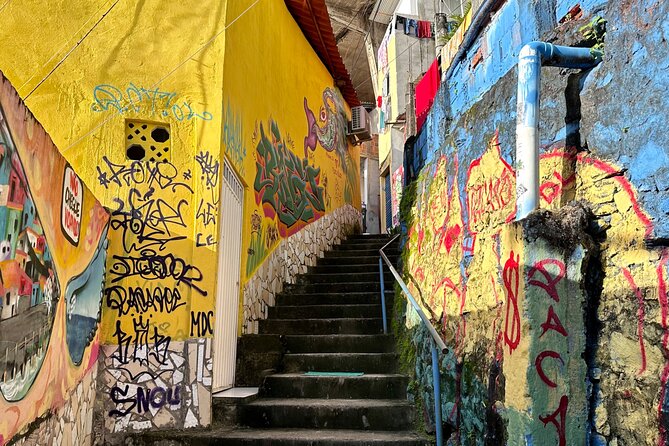
This experience is interesting because it ties together Salvador da Bahia’s Afro-Brazilian roots through museum learning, sacred sites, and an actual meal in the Gamboa area. I love that it’s built with a private guide mindset, so you’re not just shuffled from place to place.
I also like the mix of stops. You get quiet, reflective moments like Iemanjá’s House at Rio Vermelho, plus street-level culture at São Joaquim Market and a Candomblé Vodun Zo terreiro in Liberdade. One possible drawback to plan for is the schedule pace, since it’s about 6 hours and includes time on foot plus a swim option at the end.
Key highlights worth planning for
- Hotel pickup and round-trip transport from Salvador hotels in an A/C vehicle
- Private 3-hour museum block with Afro-Brazilian, indigenous, and religious art stops
- Casa do Rio Vermelho and Iemanjá’s House to start with spiritual context
- São Joaquim Market with a slavery-era trade story you can actually see and understand
- Liberdade Candomblé Vodun Zo terreiro visit, free entry listed for this stop
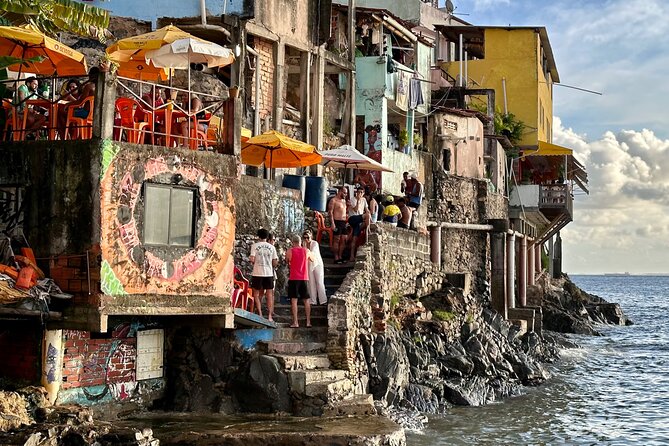
- Lunch in Gamboa favela at Dona Suzana’s plus nearby beach time, bring swimwear
A 6-hour roots day that blends museums with living culture
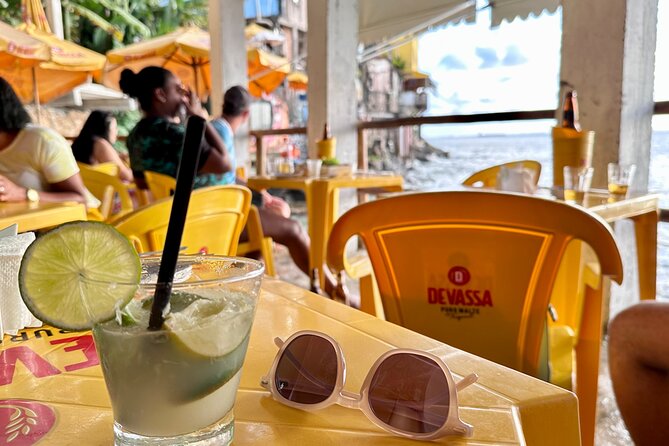
This is not a “check the box” city tour. It’s a morning built to connect dots. You start with sacred space, then move into places where history is visible, then end with food and a stretch of beach time in the Gamboa area.
You’ll usually feel the day shift in three waves: first, the spiritual tone (Iemanjá and a Candomblé terreiro). Next, the educational tone (markets and museums). Then, the human tone (lunch with a local Bahian meal and time by the water). That mix is exactly why people book this in advance, and why the rating stays high.
With a small cap of 20 people and a guide who can answer questions as you go, it works well if you want context, not just photos.
More City Tours in Salvador
- Salvador City Tour – Discover Brazil’s First Capital En, It, Es
★ 5.0 · 217 reviews - Private City Tour in Salvador
★ 5.0 · 110 reviews - Afro-Brazilian Roots Private City Tour in Salvador
★ 4.7 · 88 reviews
Stop 1: Casa do Rio Vermelho for Iemanjá’s House
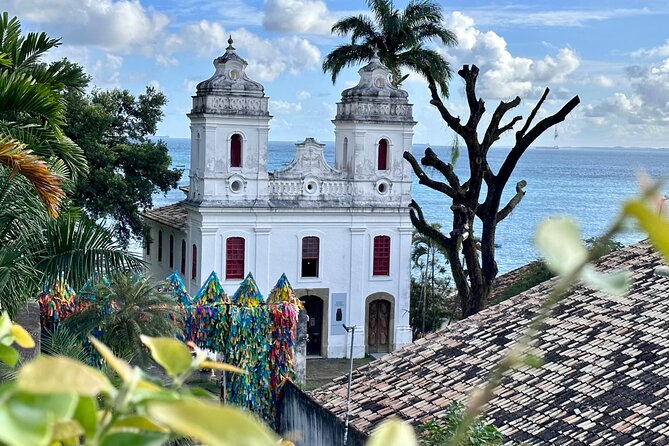
Your first stop is Casa do Rio Vermelho, known as Iemanjá’s House in Rio Vermelho. This is the kind of place where the setting matters. The tour gives you time to look around and understand why it’s considered sacred and culturally important.
What I like about starting here is that it sets a respectful baseline. Even if your background is totally new to these traditions, the tour frames what you’re seeing in a way that makes the rest of the day easier to follow. You’ll get about 30 minutes here and an admission ticket is included.
Practical tip: Go in with a calm mindset. You’ll get more out of it if you slow down, watch how people behave in the space, and ask questions about what symbols mean.
Stop 2: Dique de Tororó and the calm, mirrored pause
Next is the Dique de Tororó, a dique with reflective, mirror-like water. The tour keeps this stop short and sweet, about 30 minutes, so you can absorb the scene without feeling rushed.
The big value here is the reset. After the sacred start, this feels like a scenic breather in the middle of the city. And if Salvador is crowded or you’re dealing with morning heat, this kind of pause helps you stay comfortable for the rest of the day.
Admission is included for this stop too. You’ll also see iconic sculptures associated with the area, so keep your eyes up, not just on your feet.
Stop 3: São Joaquim Market, slavery-era trade, and why it matters
Then you hit the streets and history at São Joaquim Market, where the tour highlights the market’s historical role, especially during the slavery era. This is not treated like an abstract lesson. It’s framed as part of how the city shaped itself, and how people live with and remember that past today.
You’re given about 1 hour here, with admission included. The tour emphasizes strength and resilience, but it doesn’t skip the reality of what the market represented in past trading systems.
How to get the most: Ask your guide what foods, goods, or everyday details at the market mean in today’s context. You’ll likely notice the difference between “seeing history” and “understanding how it shows up in daily life.”
More favela tours led by residents:
- Rio de Janeiro: Rocinha Favela Walking Tour with Local Guide
★ 4.8 · 3,052 reviews - Rio De Janeiro: Half-Day Rocinha Favela Walking Tour
★ 4.7 · 2,272 reviews - 3 Hour Rocinha Favela Walking Tour with a Local Guide
★ 5.0 · 833 reviews - Favela Tours
★ 5.0 · 660 reviews
Liberdade: the Candomblé Vodun Zo terreiro visit (free entry)
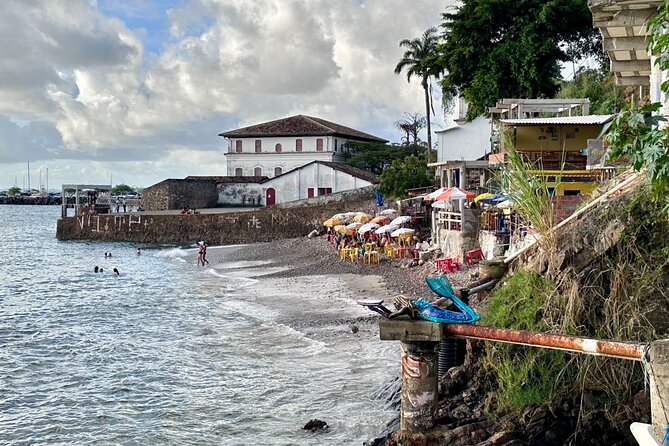
In Liberdade, the schedule moves from market history to spiritual practice with a visit to a Terreiro of Candomblé Vodun Zo. This stop is listed as free, and it includes about 1 hour on site.
The tone here is respectful and instructional: you’re guided through the sacred sanctuary setting and introduced to deities and ancestral spirits that are part of the tradition. The tour also points out how the practices were preserved over time, including resistance to persecution.
This is one of the stops that consistently earns praise because it’s not just a photo stop. It’s a moment where you learn the purpose behind what you’re seeing, the meaning of sacred symbols, and why a terreiro is more than architecture.
A small consideration: faith spaces often require a quieter attitude and careful behavior. If you’re the type who likes to talk loudly or treat sites as a backdrop, adjust expectations before you arrive.
Museum time: Salvador’s Afro-Brazilian and indigenous collections in one private block
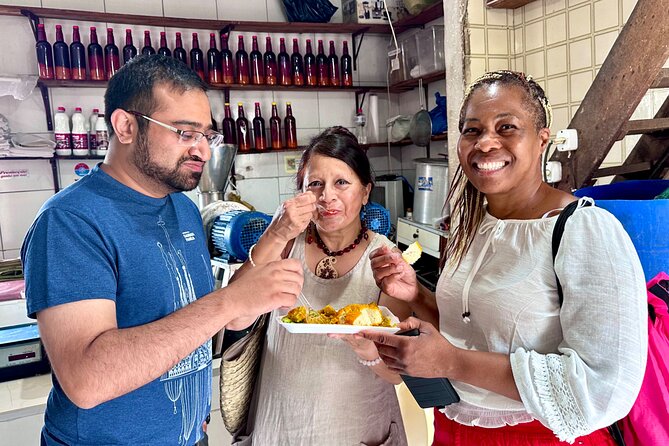
One of the biggest value plays on this tour is the 3-hour private museum portion focused on Salvador’s cultural story. You’re not just hitting one museum. The tour is designed to connect multiple collections under one guide’s explanations.
Included in that museum circuit are:
- the Afro-Brazilian Museum
- museums dedicated to indigenous people of Brazil
- the Carlos Costa Pinto Museum
- a museum of sacred and religious art housed in a building owned by a 19th-century Carmelite order
This matters because Salvador’s identity is built from overlapping influences. A good museum stop can help you read the city more intelligently. You’ll start noticing references in architecture, crafts, and even how people describe cultural traditions.
The practical upside: having it on a private 3-hour block means your guide can tailor pacing to your interests. If you want more explanation, you get it. If you’re tired or need more time for photos, you can usually work with that.
Rua da Conceição da Praia and Gamboa favela lunch at Dona Suzana’s
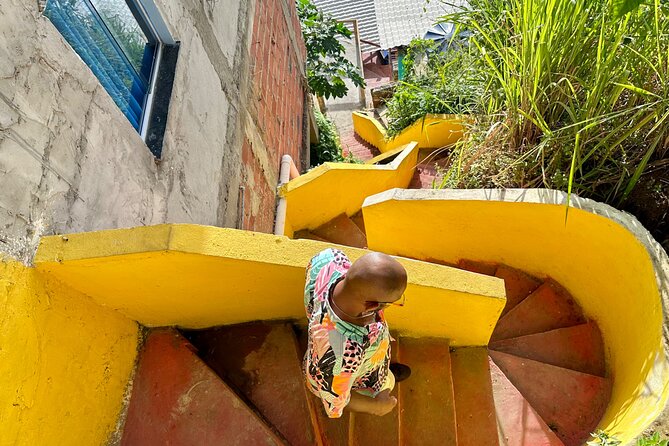
After the museum and spiritual stops, the day turns outward at Rua da Conceição da Praia and into the Gamboa favela area. This is about 3 hours on the ground here, and it’s treated as culture plus comfort, not just a viewing mission.
The tour includes a meal at Dona Suzana’s, where you can expect homemade Bahian cuisine. You’ll also get time to relax at a nearby favela beach afterward, which is why the tour tells you to bring swimwear.
This ending works for a reason that’s easy to miss: after heavy topics like slavery-era trade and religious history, people often need a normal human break. Food and a swim are not a distraction here. They’re part of what makes daily life in Bahia real.
What I recommend: Go hungry for lunch. If you can, plan for a slow pace after eating. The beach time is a gift, but it’s also hot. Reapply sunscreen and give yourself time to cool down.
Price and value: what $180 covers and why it can be worth it
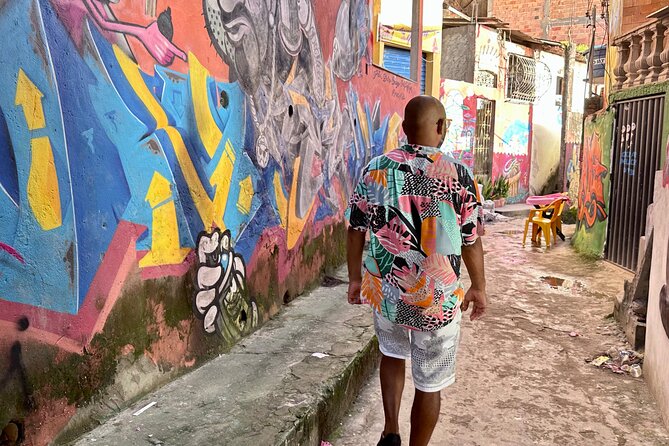
At $180 per person for about 6 hours, this is not the cheapest way to tour Salvador. But it’s also not an “only transport and tickets” deal.
You’re paying for:
- a driver/guide
- an A/C vehicle
- lunch
- all fees and taxes
- round-trip transport from Salvador hotels
Then you add the human value: a private guide style of storytelling, plus access to spiritual and cultural sites that are easier to understand with context. Guides like Fernando and Monia come up in feedback for being personable and for making the history make sense, not just sound impressive.
Is it a smart buy? If you care about learning the meaning behind places, and you prefer organized pacing over stress, yes. If you only want quick photo stops and you’d rather roam independently, the cost may feel steep.
For best value, treat it as your main “cultural backbone” of the city. Do other stuff on your own, and let this tour give you structure.
Logistics that matter: timing, group size, and comfort
This runs as a morning experience, with listed opening hours of 8:00 AM to 11:00 AM. Plan to start early. Heat and crowds can be a factor in Salvador, so a morning route is usually a win.
Service animals are allowed, and the tour asks for moderate physical fitness. That’s mostly about walking and moving through several different areas in one day, not about anything extreme.
The group size cap is 20 travelers, which is big enough that it’s still social, small enough that you should be able to ask questions without feeling invisible.
What to pack:
- swimwear (you’ll have beach time at the end)
- comfortable shoes for the market and neighborhood walking
- sun protection for the outdoor segments
- skip the idea of relying on included bottled water, since it is not included
Guides and pacing: why the tone stays respectful
A theme in feedback is how guides handle sensitive topics. Your route touches slavery-era history and sacred religious spaces. A good guide keeps it factual, respectful, and clear.
You may also notice the tour leans into explanations at the right moments. It gives you time at Iemanjá’s House and at the Candomblé terreiro, then shifts to market history and museum collections. That sequencing reduces confusion. You’re not asked to process everything at once.
If you want to make the experience land, come with a few questions you actually care about. Examples: What does Iemanjá represent in this context? Why is São Joaquim Market remembered this way? How do symbols function in Candomblé practice? Your guide can steer you toward the answers that matter.
Should you book this Afro-Brazilian Roots tour with lunch at Favela Gamboa?
Book it if you want a Salvador day that connects culture, faith, and city history, with a real lunch payoff at the end. The strongest reasons are the Afro-Brazilian and indigenous museum stops, the terreiro visit, and the way the tour ends with a human-scale break in Gamboa.
Skip it if you need a very flexible, self-directed schedule, or if you dislike structured stops in one tight morning block. Also think twice if you don’t want any walking or you hate religious sites, since the itinerary includes both.
For many people, this is a “do once, do well” kind of tour. If you book around 22 days in advance, you increase your chances of getting the dates you want.
FAQ
How long is the Afro-Brazilian Roots city tour in Salvador?
The tour duration is about 6 hours.
How much does the tour cost?
The price is $180.00 per person.
Does the tour include hotel pickup and transportation?
Yes. Round-trip transportation from Salvador hotels is included, using an air-conditioned vehicle.
What is included in the price?
The tour includes the driver/guide, air-conditioned vehicle, lunch, and all fees and taxes.
Is bottled water or alcoholic drinks included?
No. Alcoholic beverages and bottled water are not included.
Do I need to bring swimwear?
Yes. The tour advises bringing swimming clothes because there is beach time at the end.
Is the Candomblé terreiro visit included, and do I pay extra?
The visit to the Terreiro of Candomblé Vodun Zo in Liberdade is listed as free entry in the itinerary, and all fees and taxes are included overall.
How large is the group?
The tour has a maximum of 20 travelers.
Can I cancel for a full refund?
Yes, free cancellation is offered. You can cancel up to 24 hours in advance for a full refund.
More of Salvador and the Pelourinho
- Round trip transfer, Salvador, Bahia, Brazil
★ 5.0 · 228 reviews - Cooking class in Salvador, an authentic dinning experience
★ 5.0 · 132 reviews - Tour to the Frades Islands and Itaparica, from Salvador – Ba
★ 4.0 · 130 reviews - Transfer Salvador Airport / Hotel Litoral Norte
★ 5.0 · 111 reviews
Newest Salvador da Bahia reviews
- Cultural Folkloric Show and Dinner in Salvador★ 4.5 · 15 reviews
- Transfer Vila Galé Marés (Guarajuba) – Private★ 5.0 · 15 reviews
- Tour to Praia do Forte and Guarajuba★ 4.0 · 16 reviews
- Private City Tour of Salvador da Bahia★ 5.0 · 17 reviews
- 3-Hour Private Tour of Salvador Capital Afro-Brazilian★ 5.0 · 17 reviews
- Salvador African Heritage Private City Tour Including Afro Museum★ 4.5 · 18 reviews
- Morro de São Paulo Tour, Leaving Salvador-Bahia.★ 5.0 · 18 reviews
- Private Historical Tour 5 hours★ 4.5 · 19 reviews
More in Favela Tours.



3 Hour Rocinha Favela Walking Tour with a Local Guide
Read our review →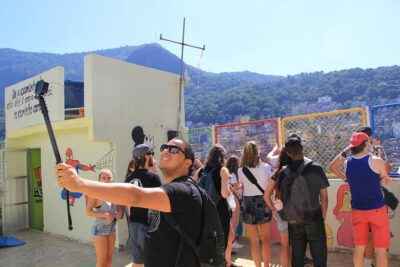

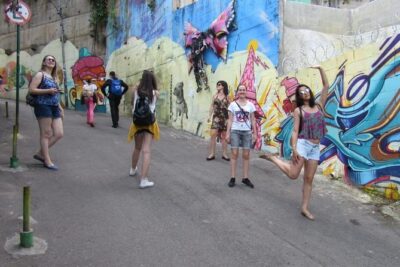
Favela Tour Rio de Janeiro – Vidigal Walking Tour by Russo Guide
Read our review →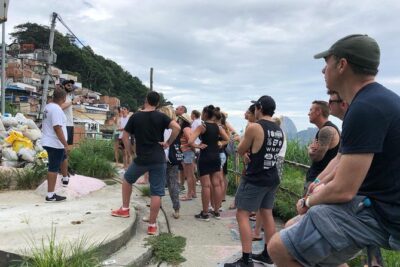
Browse the lists this tour appears in