
Reviewed · SALVADOR & PELOURINHO
Cultural Treasure of Salvador – Capoeira
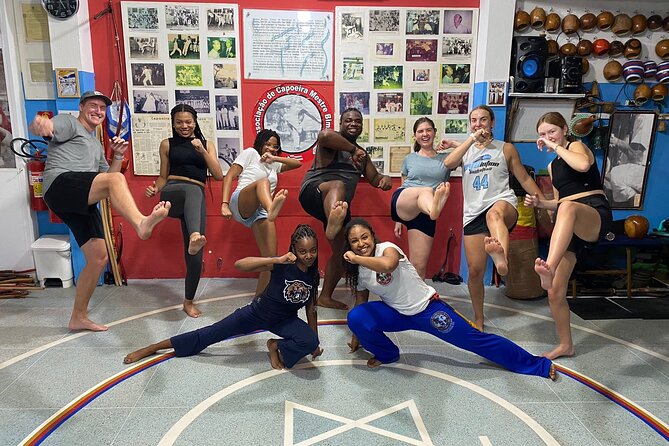
Capoeira in Salvador da Bahia is interesting because it is not just a workout, it is a living cultural practice where movement, rhythm, and Afro-Brazilian ancestry all move together. I like that this class is built for true beginners, and you get clear foundations like Ginga and Aú without needing prior training. I also like that it happens at Associação de Capoeira Mestre BimbaR. das Laranjeiras in Pelourinho, so the setting feels tied to the tradition, not staged.
One consideration: capoeira is physical. Even for beginners, you should be ready for knee and muscle strain risk, especially if you push through pain or have any mobility limits.
Key highlights before you go
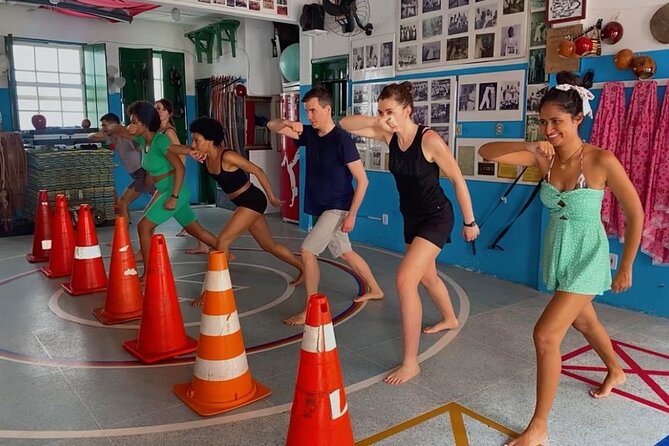
- Beginner-first teaching: you learn the basic flow and movements, even with zero experience
- Yasmin’s clear instruction: a patient guide who keeps the pace beginner-friendly
- Learn specific moves: you practice Ginga, Aú, Cocorinha, and Negativa
- History on the walls: photos and clippings explain how capoeira grew into what you know today
- Music helps you understand: language matters less once the music and movement start
- Small group vibe: a maximum of 15 people, so you are not lost in the crowd
Capoeira basics in Pelourinho, at Associação de Capoeira Mestre BimbaR
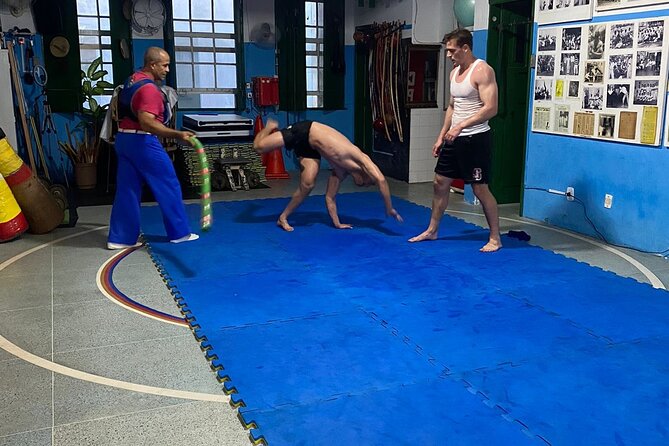
If you are looking for a Salvador activity that feels both cultural and physical, capoeira hits that sweet spot. It is an Afro-Brazilian martial art, but the experience is taught through rhythm, call-and-response energy, and coordinated movement. You get to understand why capoeira is more than punches and kicks. It is also self-discipline, community, and tradition passed through practice.
The class meets at Associação de Capoeira Mestre BimbaR. das Laranjeiras, in the heart of Pelourinho. Pelourinho is busy with history on every block, and training here matters because capoeira is tied to Salvador’s cultural roots. Being in that neighborhood makes the class feel grounded, not like an imported novelty.
The school location is easy to find in the tourist area, and the meeting point is also described as near public transportation. That is a real practical advantage when you want a focused activity that does not eat your whole day.
More of Salvador and the Pelourinho:
- Round trip transfer, Salvador, Bahia, Brazil
★ 5.0 · 228 reviews - Salvador City Tour – Discover Brazil’s First Capital En, It, Es
★ 5.0 · 217 reviews - Cooking class in Salvador, an authentic dinning experience
★ 5.0 · 132 reviews
What happens during the 1 hour: from first steps to controlled flow
This is an approximately 1 hour class, directed to people who have never trained before. That matters more than you might think. Beginner capoeira can feel chaotic if the instruction is too advanced or too fast. Here, the goal is to give you the building blocks, then connect them into a simple flow you can actually repeat.
You start with greetings and an overview of capoeira’s background. Then the movement begins. In class, you learn how the base rhythm works and how to transition between actions safely. The focus is on both technique and flow, meaning you practice not only individual moves but also the way they connect.
From the movements you can expect, the big ones include:
- Ginga (the core rocking base)
- Aú (a cartwheel-like movement)
- Cocorinha (a low, balanced crouch movement)
- Negativa (a grounded, controlled stance)
Even if those names sound intimidating, the teaching approach is beginner-friendly. You will be shown what to do, then guided through attempts at the pace of an early-stage student. The music helps you keep time, and that keeps the class from turning into a boring count-the-claps exercise.
Meet Yasmin and the Mestre: how beginners are actually taught
A big reason people rate this class so highly is the way it is taught. You can expect warm, friendly attention when you arrive, plus guidance that is supportive without being watered down. In particular, Yasmin is highlighted as welcoming and patient, with English that makes instructions easy to follow.
You might notice that a language barrier does not stop the learning. That is because capoeira is taught through music and movement cues, not just spoken explanations. When the music starts, you tend to pick up timing faster than you might expect, even if you are not fluent in Portuguese.
The Mestre leads the training, and the class is described as set at a “nicely challenging” pace for absolute beginners. That balance is important. You want to feel challenged enough that you improve, but not so challenged that you quit halfway or feel unsafe.
Also, the teaching includes real feedback. As the session goes on, you get a chance to practice combinations. When you do it well, you may even get approving nods from the instructors, which is motivating without turning into a performance.
The workout side: intense, but controlled for first-timers
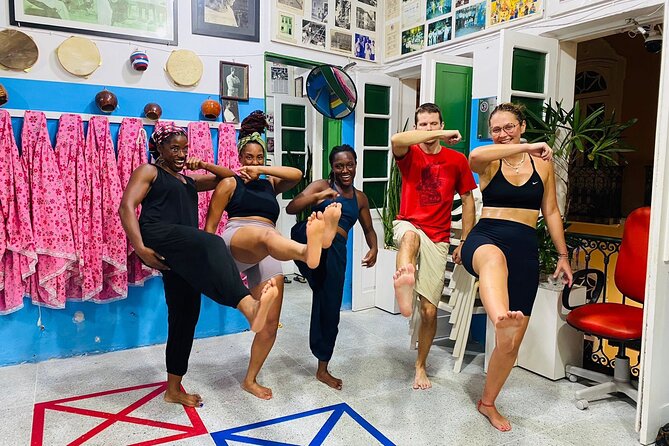
Yes, capoeira is a workout. That is not marketing talk. You use your legs, core, and balance for movement patterns that keep changing. The acrobatics element is what makes it feel athletic, but it also means you should treat the first class like a training session, not like a tryout.
Pacing is a key part of why this works for beginners. Instruction focuses on the basics first, so you are not thrown into advanced transitions immediately. Instead, you drill moves slowly enough that you can understand them, then build up to combinations.
One detail I really appreciate from the experience description is how instructors handle sore knees. There is mention of ice and muscle spray offered after class for sore knees. That is not something you can count on for every activity in the world, so it tells you they care about how bodies feel after training.
Still, you should take it seriously. If you have knee issues, ankle limits, or recent injuries, this is where you think ahead. Tell the instructor if you feel pain or if something is not comfortable, because capoeira is all about control and adjustments.
More Capoeira in Salvador da Bahia:
- Salvador: Capoeira Class at Mestre Bimba’s 1st Ever School.
★ 4.9 · 34 reviews - Salvador: Cultural Night of Capoeira, Samba, and Drumming
★ 4.9 · 17 reviews - Salvador: CAPOEIRA CLASS – CULTURAL
★ 4.6 · 13 reviews - Capoeira Classes for Beginners in Rio de Janeiro
★ 5.0 · 27 reviews
Capoeira’s culture component: history, photos, and music on the street
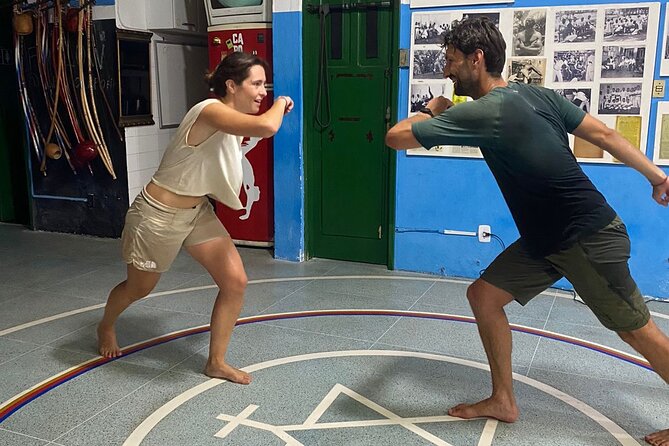
This class is built to teach more than steps. Expect an explanation of capoeira’s history and its connection to community. One of the memorable aspects is that the school interior is decorated with photography and clippings that explain the story of capoeira as it developed into the practice people learn worldwide today.
That setup matters because it gives you context while you move. You are not just copying movements. You are also learning what those movements mean in terms of identity, tradition, and discipline.
Music is the other big teacher. During the class, you may hear music both inside the training space and from the street outside. That combination helps you understand how capoeira “lives” in public. It is not limited to a studio, and it is not only performed behind closed doors.
If you want a sense of Salvador’s energy without booking another late-night tour, this is a clean option. The class has a rhythm to it, so you leave with that feeling in your body, not just in your photos.
Location, duration, and group size: why this fits in a tight itinerary
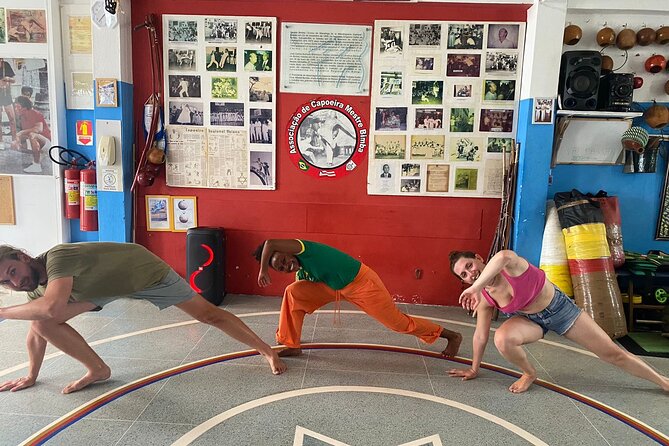
This experience is short and practical: about 1 hour. That makes it perfect for a day when you want culture early, then time later for beach time, food, or a museum visit.
The group size is capped at 15 travelers. In a class setting, smaller groups help a lot. You are more likely to get individual attention, quicker correction, and fewer chances to feel lost. For beginners, that support is the difference between learning and just surviving a class.
Also, this activity is described as booked on average about 18 days in advance. That hints at steady demand, so if capoeira is on your must-do list, I would not wait until the last minute.
You get bottled water included. That is a small detail, but in Salvador heat, it helps you focus on training instead of searching for a drink.
Price in perspective: is $42.15 good value for a beginner class?
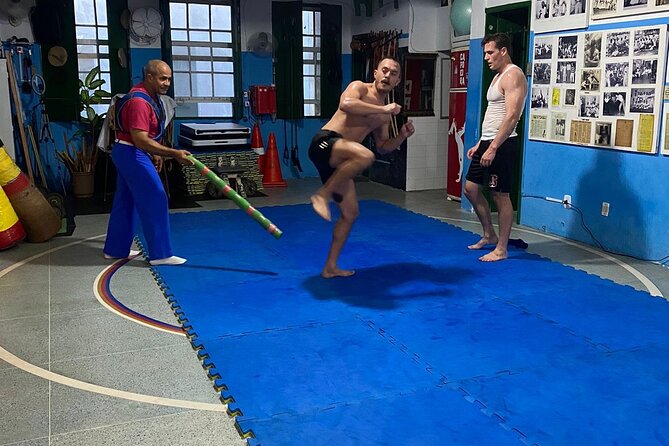
At $42.15 per person for about 1 hour, you are paying for instructor-led teaching plus a cultural context that you do not get from casual street viewing. The value is strongest when you want both:
- a guided introduction to real capoeira basics
- and a setting tied to the tradition in Pelourinho
A cheap class that skips context can leave you confused about what you just did. A more expensive performance-style show can entertain you but still not teach you the basics. This sits in the useful middle: structured beginner instruction, active practice, and a story behind the movements.
The fact that the class is explicitly aimed at people with no prior experience is also part of the value. You are not paying for a “try it and figure it out” situation. You are paying for coaching and pacing.
If you are already spending time in Pelourinho, this price also looks better. You are not paying for a long transfer or a half-day commitment. It is a compact activity that fits into real travel days.
Who should book this capoeira class, and who should think twice
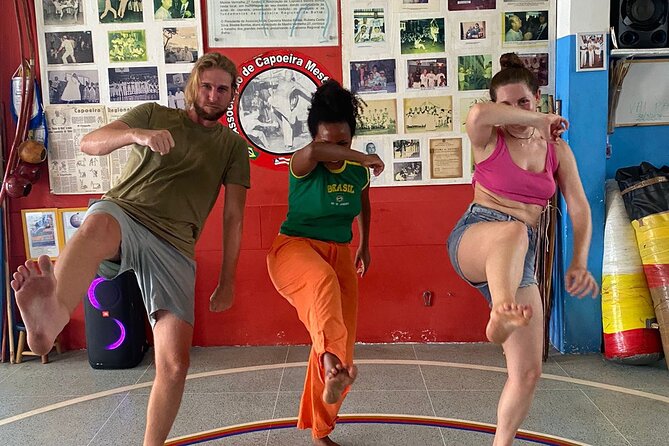
This is a strong fit if:
- you want a beginner-friendly cultural workout
- you like learning by doing, with music and movement cues
- you are staying around Pelourinho and want something that does not derail your schedule
- you want an activity where instructors provide patience and feedback
It is also a decent choice if you travel with family, because the class is described as suitable for the whole family in one of the experiences shared. Just remember that capoeira is still physical, so kids and teens would need to follow the instructor’s guidance carefully.
Think twice if:
- you have serious knee problems or recent lower-body injuries
- you are looking for something mostly observational
- you hate physical intensity and balance work
Capoeira asks your body to cooperate. If you accept that, you will probably get a lot out of the hour.
Should you book Cultural Treasure of Salvador – Capoeira?
I would book it if you want a real Salvador experience that mixes culture and movement, and you are happy to leave a little sweaty. The beginner focus is the key. You are learning fundamentals like Ginga and Negativa with instructors who keep things understandable, with Yasmin doing a strong job of pacing and teaching for English speakers.
If you are the type who likes doing one meaningful activity instead of trying to fit in five things, this is that kind of choice. The small group size, the inclusion of bottled water, and the care taken around sore knees all point to a class designed to work for first-timers.
If capoeira sounds intimidating, that is usually a sign you should try it with the guidance of a beginner class. Get comfortable, listen to the music, and let the rhythm do some of the teaching.
FAQ
Where does the capoeira class meet?
The class starts at Associação de Capoeira Mestre BimbaR. das Laranjeiras, n 01 – 1º andar – Pelourinho, Salvador – BA, 40026-230, Brazil. It ends back at the meeting point.
How long is the experience?
It runs for about 1 hour.
Is this class only for people with capoeira experience?
No. It is directed to beginners, specifically for students who have never trained capoeira before.
What movements will I practice?
You will learn and practice basics such as Ginga, Aú, Cocorinha, and Negativa.
What is included with the tour?
Bottled water is included.
How many people are in the group?
The class has a maximum of 15 travelers.
Is the activity easy to find and does it have nearby transit?
It is described as easy to find and near public transportation.
Can I bring a service animal?
Service animals are allowed.
What is the cancellation window?
Free cancellation is available if you cancel up to 24 hours in advance for a full refund. Cancel less than 24 hours before the start time and the amount paid is not refunded.
Newest Salvador da Bahia reviews
- Cultural Folkloric Show and Dinner in Salvador★ 4.5 · 15 reviews
- Transfer Vila Galé Marés (Guarajuba) – Private★ 5.0 · 15 reviews
- Tour to Praia do Forte and Guarajuba★ 4.0 · 16 reviews
- Private City Tour of Salvador da Bahia★ 5.0 · 17 reviews
- 3-Hour Private Tour of Salvador Capital Afro-Brazilian★ 5.0 · 17 reviews
- Afro-Brazilian Roots city Tour in Salvador with lunch at Favela★ 5.0 · 17 reviews
- Salvador African Heritage Private City Tour Including Afro Museum★ 4.5 · 18 reviews
- Morro de São Paulo Tour, Leaving Salvador-Bahia.★ 5.0 · 18 reviews
Salvador & Pelourinho, compared.


Salvador City Tour – Discover Brazil’s First Capital En, It, Es
Read our review →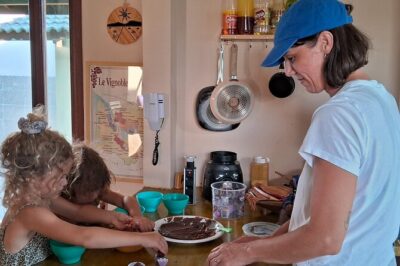
Cooking class in Salvador, an authentic dinning experience
Read our review →
Tour to the Frades Islands and Itaparica, from Salvador – Ba
Read our review →
Transfer Salvador Airport / Hotel Litoral Norte
Read our review →


Tour Praia do Forte and Guarajuba, Leaving Salvador-Bahia.
Read our review →Browse the lists this tour appears in