
Reviewed · SALVADOR & PELOURINHO
Salvador: CAPOEIRA CLASS – CULTURAL
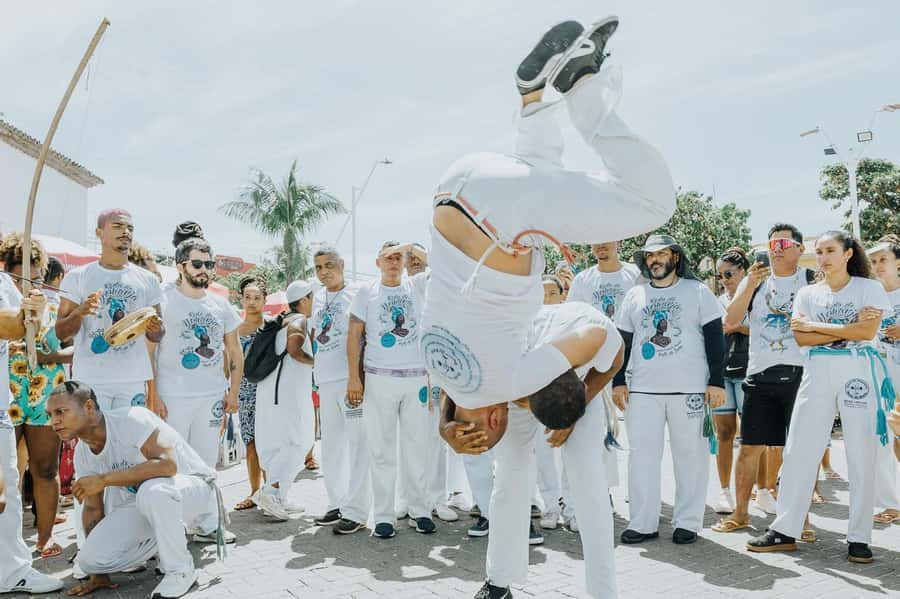
Capoeira in Salvador is interesting because it blends fighting, dance, and music into one shared practice. I like that this small-group class keeps it personal, so you get guided corrections instead of just watching. You’ll also find the vibe shifts from learning moves to joining in with the rhythm fast.
One thing to consider: the class is taught in Portuguese. If your Portuguese is limited, you’ll still do fine by following the instructor’s demos, but you won’t catch every spoken cue.
Key Things You’ll Notice in This Class
- 90 minutes, Monday and Wednesday at 7:30 PM
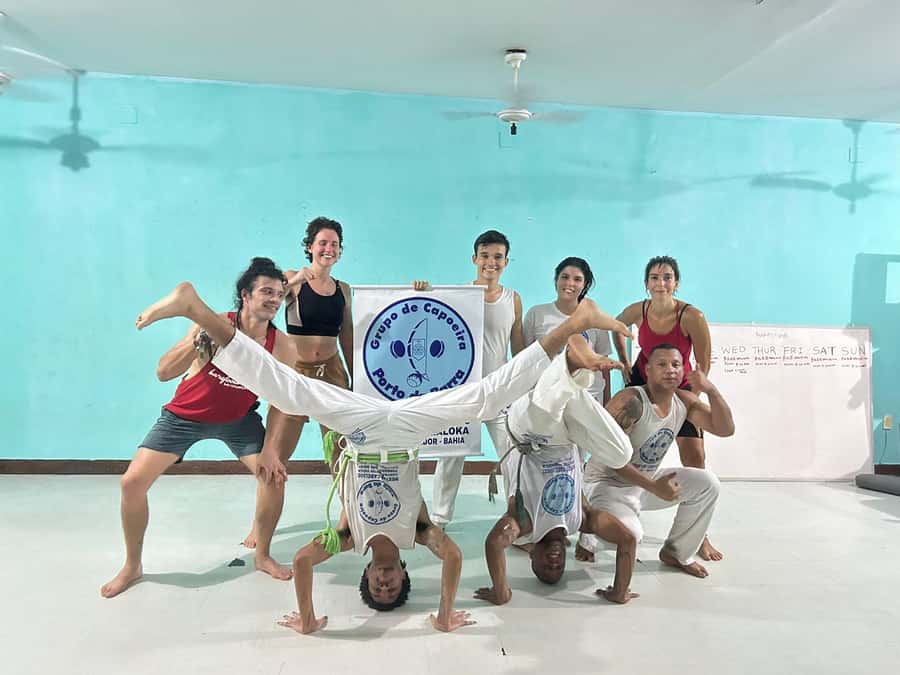
- Small group, limited to 8 participants for more hands-on coaching
- Warm-up for agility, flexibility, and coordination before you kick and spin
- Step-by-step technique practice with emphasis on kicks, spins, and acrobatics
- Instruments and songs so you can participate, not just observe
- Water and workout tools included so you can focus on training
Why Capoeira in Salvador Feels Like More Than a Workout
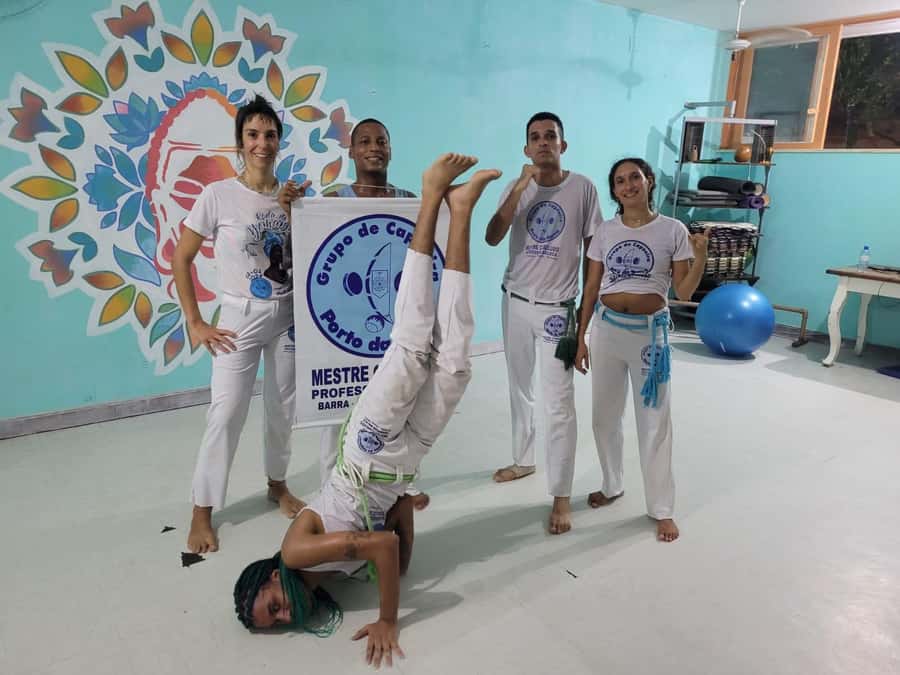
If you’ve done gym workouts, sports lessons, or even other kinds of martial arts classes, you might expect capoeira to be mostly physical. This one is different in a good way. The session connects body training with music and community, so you’re not just counting reps. You’re learning timing, balance, and expression, all while moving to the rhythm.
What I like about capoeira in Salvador is that it makes room for both sides of your brain. The physical side is obvious. You’ll work agility, flexibility, and coordination. The mental side is just as real, because you have to watch the instructor, learn sequences, and respond during practice.
You also get the cultural layer built into the class, not tacked on at the end. Capoeira comes from roots of resistance and empowerment, and this kind of training keeps that meaning alive through the way the class is structured.
More of Salvador and the Pelourinho:
- Round trip transfer, Salvador, Bahia, Brazil
★ 5.0 · 228 reviews - Salvador City Tour – Discover Brazil’s First Capital En, It, Es
★ 5.0 · 217 reviews - Cooking class in Salvador, an authentic dinning experience
★ 5.0 · 132 reviews
Your 90-Minute Capoeira Plan, From Warm-Up to Performing
This is a focused 90-minute class, held on Monday and Wednesday at 7:30 PM. It’s long enough to learn fundamentals and get real practice time, but short enough that you won’t feel like you’re stuck in “orientation mode” forever.
The session starts with a warm-up aimed at your joints and footwork. Expect drills that help with agility and coordination, plus mobility that supports flexibility. This matters because capoeira movements rely on smooth transitions. If your body is stiff, the technique feels awkward and your form suffers.
After the warm-up, the class moves into the main training block. You’ll work sequences that involve kicks, spins, and acrobatics, with technique and expression emphasized. That combination is the heart of capoeira. It’s not only about power. It’s about control, flow, and how your body travels through space.
The last part of the class is where a lot of first-timers get surprised. You don’t just learn moves, you also get involved with the musical side: playing instruments and learning songs. That’s one reason people often leave feeling like they didn’t just exercise, they joined something.
The Meeting Point, and Why a Small Group Helps You Learn
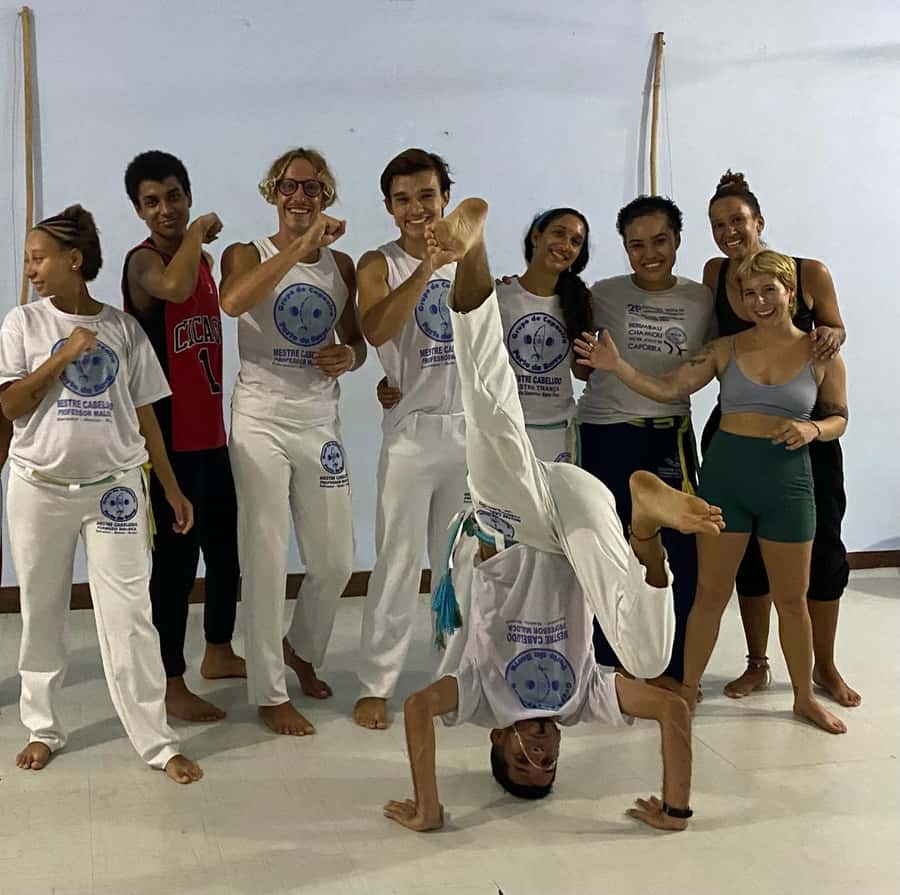
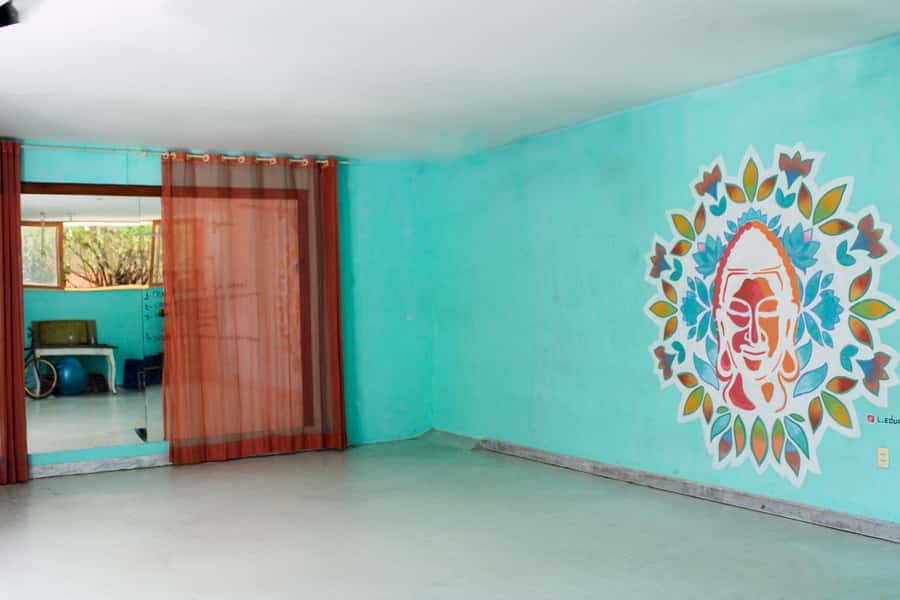
You meet at Hostel Nomads, which makes this a simple plan for an evening activity. Since it’s a small group capped at 8 participants, the instructor can correct you more directly. That directly affects your experience.
In larger classes, you can feel invisible. Here, it’s easier to get attention when your weight placement is off or your timing needs adjustment. And because capoeira is about coordination and rhythm, quick feedback helps you progress faster.
Also, a smaller group usually means more interaction. Capoeira isn’t designed for “stand in a line and watch.” Even if you’re brand new, you’ll likely get opportunities to practice alongside others, not just behind them.
Warm-Up Is Where Capoeira Makes You a Better Athlete
The warm-up is not filler. It’s built to prepare your body for the specific demands of capoeira. You’ll work agility, flexibility, and coordination so your body can handle the rhythm of kicks, spins, and transitions.
Here’s why that matters. Capoeira punishes sloppy mechanics in a way that other activities sometimes don’t. If you skip mobility, you’ll feel tight when you rotate your hips or lift into a controlled spin. If your coordination is off, your foot placement won’t match the movement pattern, and your balance will wobble.
This warm-up approach also lowers the chance you feel overwhelmed. You start with movement skills that translate quickly into the main technique portion.
A practical tip: on capoeira night, wear shoes or footwear that support movement. The activity includes workout tools and water, but your footwear is on you. If you’re deciding between comfort and grip, choose grip. Capoeira requires stable landings.
More Capoeira in Salvador da Bahia:
- Cultural Treasure of Salvador – Capoeira
★ 5.0 · 44 reviews - Salvador: Capoeira Class at Mestre Bimba’s 1st Ever School.
★ 4.9 · 34 reviews - Salvador: Cultural Night of Capoeira, Samba, and Drumming
★ 4.9 · 17 reviews - Capoeira Classes for Beginners in Rio de Janeiro
★ 5.0 · 27 reviews
Technique Practice: Kicks, Spins, and Acrobatics With Real Corrections
Once the warm-up ends, the instructor guides the main sequences. This is where the class shifts from athletic preparation to skill building.
You can expect to train kicks, spins, and acrobatics. The key point is that you’re not thrown into complex moves with no structure. The instructor emphasizes technique and expression, which means you work the “how” as much as the “what.”
One of the best things about this kind of guided approach is that it helps you avoid the beginner trap. Many people start capoeira trying to be impressive too early. In a good class, the instructor slows things down just enough for you to build correct movement patterns first.
You’ll probably get corrections on things like balance, body alignment, and control during spins. Those details make a huge difference for safety and confidence, especially in a class that includes acrobatics.
If you like hands-on coaching, you’ll likely enjoy this. Reviews point again and again to a professor who takes teaching seriously, guides students carefully, and keeps the class fun while still being challenging.
Music and Songs: Where You Stop Watching and Start Participating
Capoeira is famous for its music, and here you don’t just listen. You get hands-on time with instruments and you also learn songs.
This is a major value add, because music turns capoeira from a physical class into an interactive cultural experience. Rhythm is not background noise. It’s the timing that shapes movements, reactions, and energy.
When you play along, you start to understand how capoeira functions as a group practice. The instructor’s guidance helps you match timing and learn the basic songs used in the class setting.
Even if you’re not a musician, joining in usually feels motivating. It gives you something to do immediately, which helps a lot when you’re new. It also changes the mood of the class. You’re not only counting steps, you’re contributing to the sound and momentum.
And yes, that’s one reason people often leave feeling hooked. Learning the musical side makes capoeira feel like a full system, not a one-off workout.
Language in Portuguese, and How to Keep Up Without Stress
The class is led in Portuguese. If you’re worried you won’t understand, here’s the reality. Capoeira is very visual. You can follow instructions through demonstration, and you can learn a lot without catching every word.
That said, you’ll still benefit from going in with a calm mindset. Don’t treat it like a lecture. Treat it like a training session where body language does most of the talking.
Your best strategy is to watch first, then copy. If you miss a step, recover quickly and keep moving. Capoeira rewards participation, not perfection.
If you do speak Portuguese, you’ll likely pick up more nuance around cues and songs. If you don’t, you’ll still get the structure through movement and repetition.
Who This Class Fits Best (and Who Might Want Another Option)
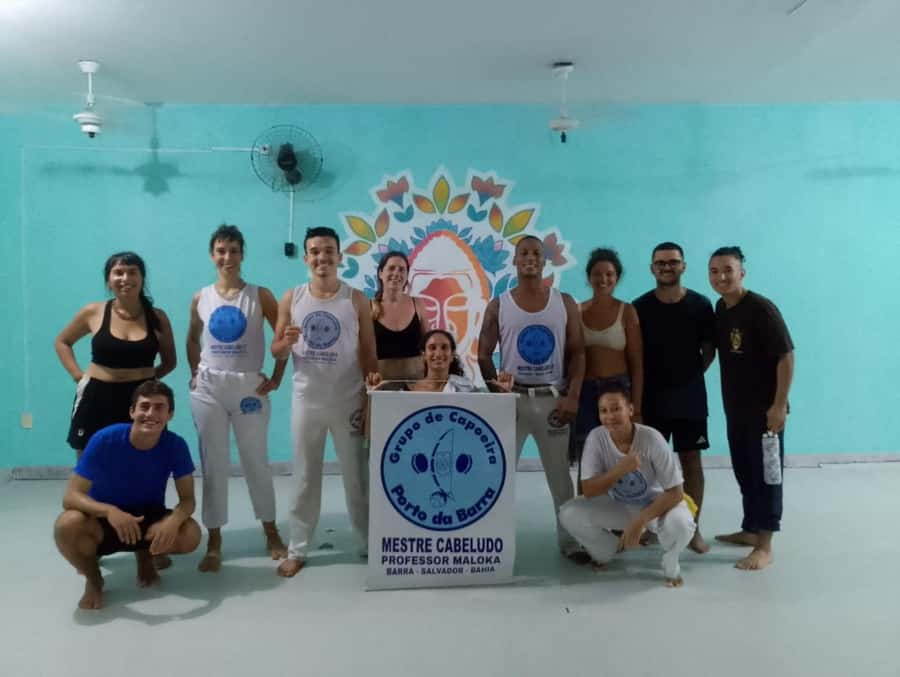
This capoeira experience fits well if you want a workout that also feels social and cultural. It’s especially good if you’re the type of person who likes learning skills step by step, then trying them immediately.
You’ll probably enjoy it if you:
- Want an evening activity in Salvador that doesn’t feel like a tourist show
- Like physical challenges but still want instruction and corrections
- Enjoy music-based group activities
- Are curious about capoeira beyond the basics
It may not fit best if you want a class with mostly quiet solo practice. Capoeira is group-based and rhythm-based by nature. It also includes acrobatics, so if you have injuries or mobility limits, it’s wise to be cautious and tell the instructor if you need modifications. The class includes tools and water, but your comfort and safety are still your responsibility.
Price and Value: Is $17 Worth 90 Minutes in Salvador?
At $17 per person for a 90-minute class, the value looks solid for a few reasons.
First, you’re not just paying for generic movement. You’re paying for coached technique, warm-up preparation, and structured practice that includes both physical training and cultural music elements. The class also runs with a master instructor listed as part of the experience, and that kind of leadership matters for technique and progression.
Second, the small group size keeps the class from turning into a crowd event. When an instructor can actually see you, you learn faster. That’s a big part of what makes capoeira feel worthwhile.
Third, you get practical inclusions like water and tools to workout. Those details don’t sound exciting, but they reduce friction. You can show up, train, hydrate, and leave without hunting for supplies.
If you compare this to other evening classes that focus only on movement without the music, capoeira’s added song and instrument component often makes the experience feel more complete for the time.
Timing and Planning Your Evening in Salvador
The class starts at 7:30 PM on both Monday and Wednesday. That timing is ideal for travelers who want something active after daylight exploring.
Plan to arrive early enough to settle in. Even a short buffer helps you warm up mentally, put on your footwear, and get ready for the physical portion. Since it’s at Hostel Nomads, it’s also an easy stop to plan around if your lodging is nearby.
Also, remember it’s a workout. Wear breathable clothes you can move in. Bring yourself more than your gear, but do bring water if you tend to drink a lot. Water is included, yet it’s okay to be prepared.
What a Great Instructor Style Feels Like in This Class
What consistently comes up in how this experience is described is the instructor approach. The teaching style is practical and attentive, with clear guidance for beginners.
That matters in capoeira because technique is tricky. Kicks, spins, and acrobatics require body awareness and timing. A good professor doesn’t just demonstrate and move on. The instructor adjusts and guides so you can actually execute what you learned.
People also like that the class stays fun while still being intensive. That balance is hard to pull off. When it’s done well, you leave sweaty, satisfied, and ready to try again.
Should You Book This Capoeira Class in Salvador?
If you want one evening activity in Salvador that gives you a real workout plus music and cultural participation, I’d book it. The setup makes sense: 90 minutes, 7:30 PM, up to 8 people, and a Portuguese-led instructor who teaches basics and keeps students moving.
Book it if:
- You’re curious about capoeira beyond videos and want hands-on practice
- You like learning rhythms, songs, and playing instruments
- You want a class that pushes you physically but still provides guidance
Skip it or ask about modifications if you have limitations that could make acrobatics difficult. And if you don’t speak Portuguese, just go with the flow. You’ll rely on demonstrations and repetition, and that is enough for most beginners to keep up and enjoy the class.
Overall, this is a smart-value introduction to capoeira in Salvador, with the kind of coaching and participation that helps you leave feeling like you learned something you can build on.
FAQ
What days and time does the capoeira class run?
The class runs every Monday and Wednesday at 7:30 PM.
Where is the meeting point?
The meeting point is Hostel Nomads.
How long is the capoeira class?
The class lasts 90 minutes.
Is the class taught in English?
No, the instructor teaches in Portuguese.
Is this a large group class?
No. It is a small group limited to 8 participants.
What’s included in the price?
The price includes the capoeira class, a master in capoeira instructor, tools to workout, and water.
Can I cancel if my plans change?
Yes. There is free cancellation up to 24 hours in advance for a full refund.
Newest Salvador da Bahia reviews
- Cultural Folkloric Show and Dinner in Salvador★ 4.5 · 15 reviews
- Transfer Vila Galé Marés (Guarajuba) – Private★ 5.0 · 15 reviews
- Tour to Praia do Forte and Guarajuba★ 4.0 · 16 reviews
- Private City Tour of Salvador da Bahia★ 5.0 · 17 reviews
- 3-Hour Private Tour of Salvador Capital Afro-Brazilian★ 5.0 · 17 reviews
- Afro-Brazilian Roots city Tour in Salvador with lunch at Favela★ 5.0 · 17 reviews
- Salvador African Heritage Private City Tour Including Afro Museum★ 4.5 · 18 reviews
- Morro de São Paulo Tour, Leaving Salvador-Bahia.★ 5.0 · 18 reviews
Salvador & Pelourinho, compared.


Salvador City Tour – Discover Brazil’s First Capital En, It, Es
Read our review →
Cooking class in Salvador, an authentic dinning experience
Read our review →
Tour to the Frades Islands and Itaparica, from Salvador – Ba
Read our review →
Transfer Salvador Airport / Hotel Litoral Norte
Read our review →


Tour Praia do Forte and Guarajuba, Leaving Salvador-Bahia.
Read our review →Browse the lists this tour appears in