
Reviewed · HISTORICAL TOURS IN RIO DE JANEIRO
Rio de Janeiro: Little Africa Heritage Walking Tour
If you want Rio with more meaning than postcards, this walk through Little Africa is a smart pick. I love the quick payoff of panoramic rooftop views from the Rio Art Museum and the walk to Pedra do Sal, tied to the birth story of samba. One drawback to plan for: it is mostly outdoors, so heat and sudden rain can be a factor.
What also makes this tour interesting is how it connects everyday places to Brazil’s harder chapters, starting with colonial-era context. I like the way the route builds from African influence in neighborhood life, toward sites linked to the Valongo port area, including Jardim Suspenso do Valongo and Cais do Valongo. The consideration here is tone, because the subject matter can feel heavy and serious.
Key Highlights You Should Not Miss
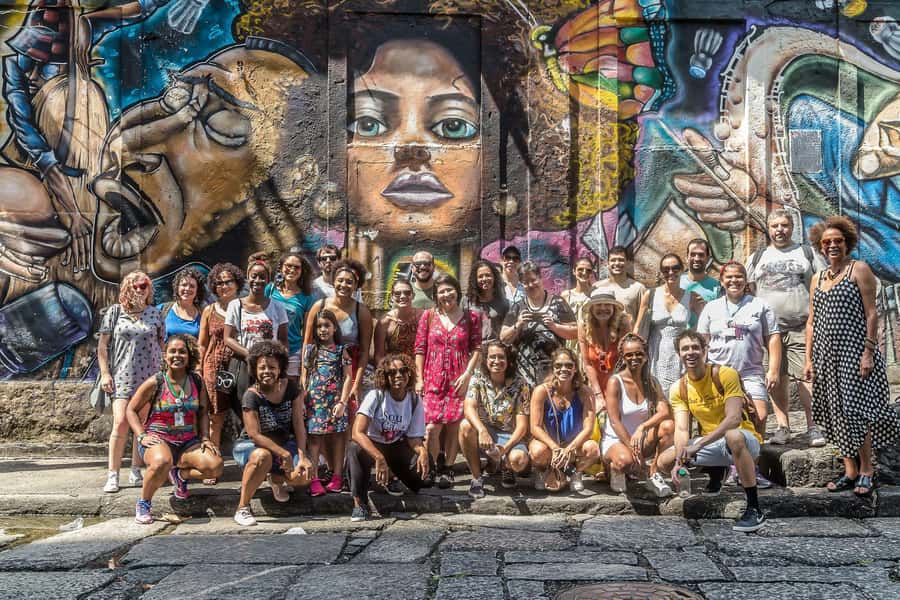
- Rooftop orientation at the Rio Art Museum for Mauá Square and Guanabara Bay views
- African influence stop at Largo da Prainha, including gastronomy connections
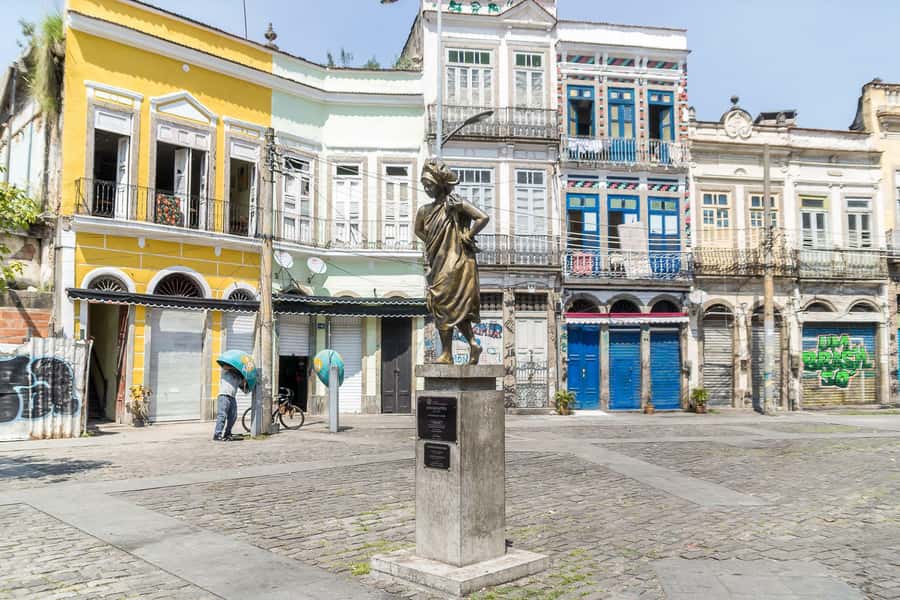
- Mercedes Baptista statue honoring Afro-Brazilian dance pioneers
- Pedra do Sal, described as the place where samba was born
- Pedra do Sal neighborhood context, including the idea of the oldest continuously-inhabited black neighborhood in Brazil
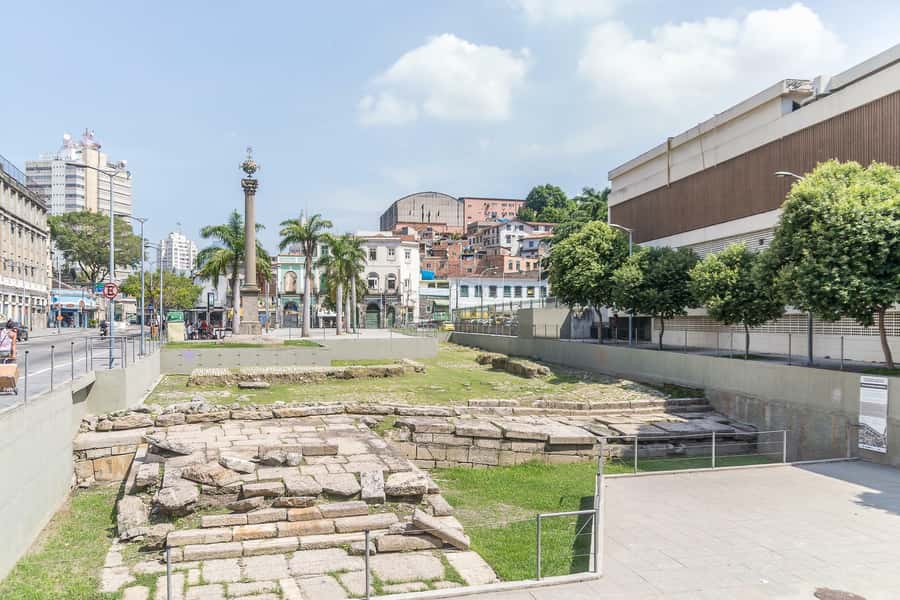
- Valongo area finale, with Jardim Suspenso do Valongo and Cais do Valongo
Entering Little Africa: Why This Walk Feels Different
This tour works because it treats geography like a story. You are not just seeing streets, you are getting a guided timeline of how African life shaped Brazilian culture in one of Rio’s most historically important port areas.
The area became known as Little Africa around the turn of the 20th century, after the slave trade was made illegal in Brazil. Freed people stayed working in the region, and you can still see layers of that history in the public spaces you walk past.
For me, the best part is the cause-and-effect feeling. Music, food, dance, and memory are not separate topics. They connect through the people who were forced into the region and the communities who built new cultural ground.
More Historical Tours in Rio de Janeiro
- Rio de Janeiro Historical Center Walking Tour
★ 4.5 · 336 reviews - Private Walking and Cultural Tour Rocinha-Rio de Janeiro
★ 5.0 · 239 reviews - Discover Rio Little Africa: A Cultural and Historical Journey
★ 5.0 · 238 reviews
Starting at Museu de Arte do Rio: Meeting Point and First Orientation
You meet your guide in front of the Museu de Arte do Rio. Aim to arrive about 5 minutes early, because the guide can only wait 15 minutes if you are delayed.
Before you start moving, you get an introduction that sets the stage with colonial-period history. This matters because many Rio sights are easy to view as “pretty.” The tour gives you the background that explains why these places became cultural anchors.
Then you get your first big payoff, a view from a rooftop linked to the museum. From up high, you can admire Mauá Square and Guanabara Bay, which helps you understand this was always a meeting point between land, water, and people.
Morro da Conceição: A Guided Neighborhood Walk With Meaning
After the museum orientation, the route includes a guided walk around Morro da Conceição. Expect a steady, city-walking pace for about 20 minutes as your guide points out details that connect the neighborhood to the bigger history you just heard.
This stop is less about a single statue or building and more about “how the area feels.” If you like walking tours that teach you how to read a place, this segment gives you that skill fast.
Practical note: you are on foot. Wear comfortable shoes, because you will be walking for a total of about 2.5 hours.
Largo da Prainha: Where African Influence Shows Up in Everyday Culture
Next comes Largo de São Francisco da Prainha (often shortened in conversation to the Prainha area stops). You spend time here learning about the African influence in Brazilian gastronomy.
This is a smart shift in tone because food history is easier to hold onto than a list of dates. The guide’s goal is to show you how cultural transfer happens in daily life, not only in major monuments.
This part also helps break up the tour emotionally. After heavier historical context, talking about gastronomy can feel like a bridge into why these communities mattered beyond survival.
More Walking Tours in Rio de Janeiro
- Rio de Janeiro: Rocinha Favela Walking Tour with Local Guide
★ 4.8 · 3,052 reviews - Rio De Janeiro: Half-Day Rocinha Favela Walking Tour
★ 4.7 · 2,272 reviews - 3 Hour Rocinha Favela Walking Tour with a Local Guide
★ 5.0 · 833 reviews - Favela Tour Rio de Janeiro – Vidigal Walking Tour by Russo Guide
★ 5.0 · 377 reviews
Mauá Square Rooftop Views: Quick Panoramas That Make the Route Click
You revisit this idea throughout the walk, but the rooftop view at the start is a key moment. You get a panoramic sense of Mauá Square and Guanabara Bay, which helps the later port-related stops make more sense.
I like this because it gives you a “mental map.” Even if you are not sure of Rio’s layout yet, you will remember where the water and the square fit into the story.
Bonus: if you are the kind of person who enjoys getting those few photos you will actually use later, this is a good moment to take them.
Mercedes Baptista Statue: Afro Dance History in Public Space
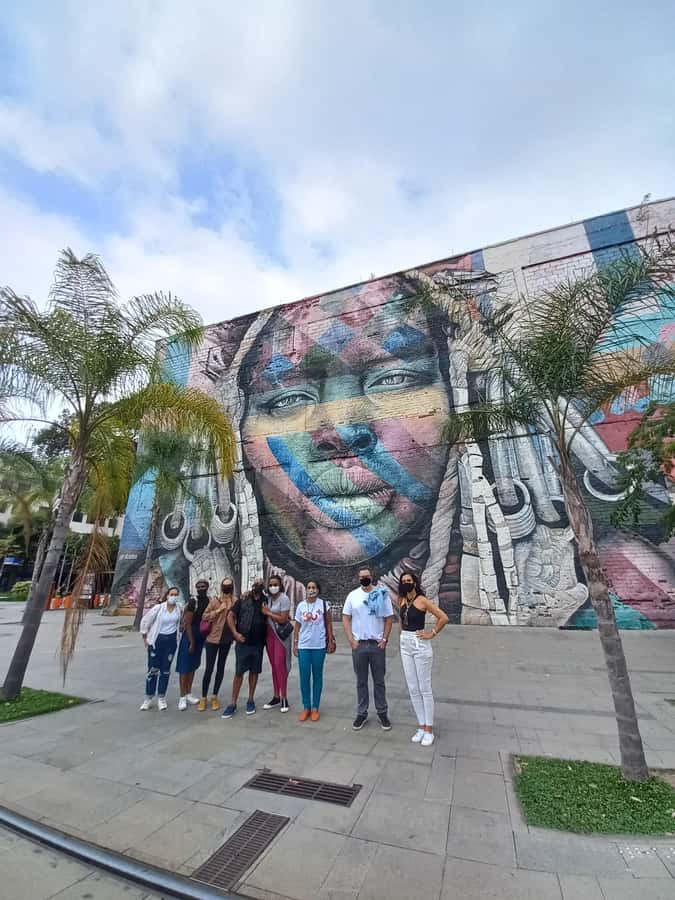
One stop that stands out on this walk is the statue erected in honor of Mercedes Baptista, described as a forerunner of Afro dance in Brazil. The same point in the story credits her as the first black dancer at the Municipal Theater in Rio de Janeiro.
This is where the tour becomes more than “heritage facts.” You see how culture gained official visibility, and you understand how hard-won that visibility was.
You are also reminded that Afro-Brazilian dance is not just performance for an audience. It is a record of identity, resilience, and creative survival that communities carried forward.
Pedra do Sal: The Samba Birthplace Story (And Why It Matters)
Then you reach Pedra do Sal, considered the place where samba was born. The tour presents it as more than a music trivia stop. It is a cultural landmark tied to community life.
The area is described as the oldest continuously-inhabited black neighborhood in Brazil. Even if you already know samba is Rio’s soundtrack, this stop reframes the story by focusing on the people who shaped it on the ground.
This is also where a good guide makes the difference. The best English-language guides for this tour tend to balance celebration with honest context, and they usually make time for questions without turning the vibe heavy or awkward.
Jardim Suspenso do Valongo: Ending at the Valongo Port Legacy
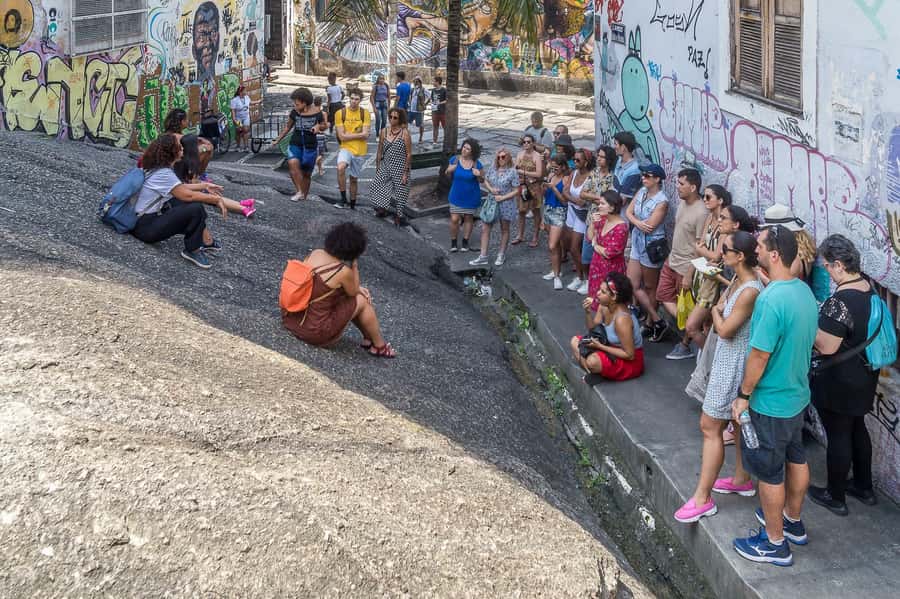
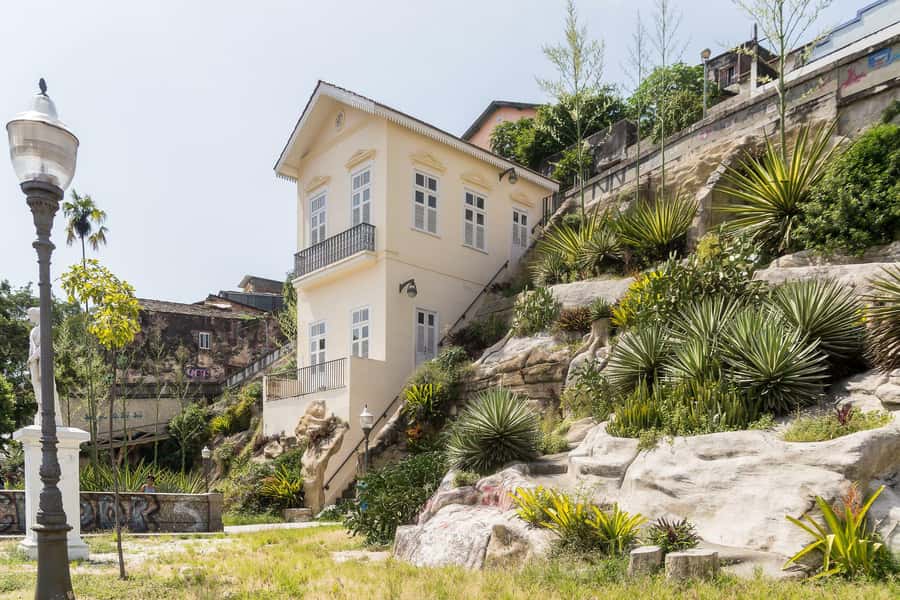
The final major stops are Jardim Suspenso do Valongo (Hanging Garden of Valongo) and then Cais do Valongo, ending back at the Valongo area. These are port-era spaces tied to the movement of people and the systems built around that movement.
This is the kind of ending that makes you slow down. You might expect the tour to end with something cheerful, but it does the opposite. It lands you near physical evidence of the past, so the cultural stories earlier in the walk feel earned, not just explained.
If you care about how history is literally built into a city, this portion will stick with you. And if you prefer lighter experiences, just know the weight ramps up near the end.
How the $40 Price Stacks Up (Value, Not Just Cost)
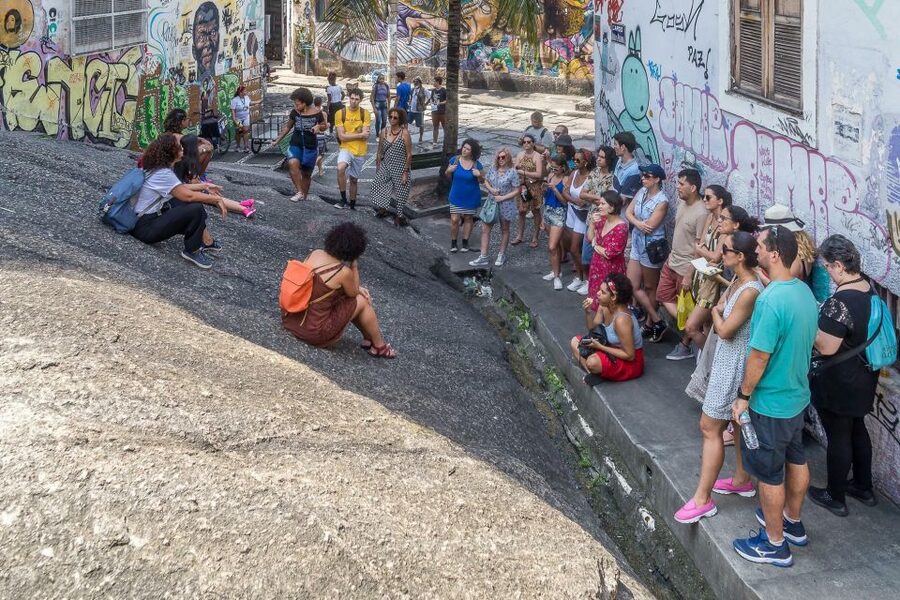
At $40 per person for about 150 minutes, this is fairly priced for a guided, multi-stop walking experience that includes rooftop viewing plus several historically meaningful stops.
You are paying for three things: a guided narrative that connects sites, a route that takes you to places you might miss on your own, and the time structure that keeps the story coherent from colonial context to Valongo.
What is not included is also part of the value equation. There is no hotel pickup or drop-off, so you are responsible for getting yourself to Museu de Arte do Rio. Still, meeting at a fixed museum is simple and clear.
If you are doing one “culture-with-context” activity in Rio, I think this price point is reasonable.
Your Guide, the Real Secret Sauce
This tour’s standout theme is storytelling quality. Multiple English-speaking guides connected to this experience have been praised for how clearly they explain the history, how thoughtfully they handle sensitive topics, and how they keep a humane tone while discussing slavery, racism, sexism, and structural inequality.
Names that show up in the guide feedback include Luana, Nathalia, Eddie, Ryane, Larissa, Marina, and Raquel. The common thread is delivery that feels caring, not preachy.
A practical benefit: guides are also often willing to point you to what to do next. Some participants mention recommendations for where to eat in the Little Africa area afterward, and that can be a nice way to turn a learning experience into a fuller day.
What to Bring and How to Plan for Rain or Shine
This walk runs rain or shine, so pack for weather you cannot control. Bring comfortable shoes, sunscreen, and water, plus comfortable clothes for walking.
The tour is not designed as a sit-and-watch activity. It is paced for a moving, outdoor experience, so take breaks seriously. There is a 10-minute break at the museum, which is your planned pause.
If you get sun easily, treat this as real sun time. If rain comes, you will still move. Plan accordingly.
Who Should Book This Tour (And Who Might Not Love It)
Book this tour if you want Rio through the lens of African heritage, and if you care about how samba, Afro dance, and everyday cultural influence connect to Brazil’s history.
It is also a good fit if you like guided walking tours that point out details you would not notice alone, especially around Pedra do Sal, the Mercedes Baptista monument, and the Valongo area.
Skip it if you do not want to spend 2.5 hours outside, even with a short break. Also, it is not suitable for children under 5.
Should You Book the Rio Little Africa Heritage Walking Tour?
Yes, if you want one activity that helps you understand Rio as a city with deep cultural roots and hard historical facts. For $40, you get a structured narrative, multiple key sites, and a rooftop viewpoint that makes the rest of the route feel clear.
I would especially book it early in your trip if you like learning context before you wander. It gives your future Rio stops a better sense of what you are looking at, and why it matters. Just come prepared for a real walk, and go in knowing the story is honest.
FAQ
Where do I meet the guide?
You meet your guide in front of the Museu de Arte do Rio. Arrive 5 minutes before the tour starts.
How long is the tour?
The duration is 150 minutes.
Is the tour in English?
Yes. This tour is offering only in English.
What if it rains?
The tour runs rain or shine.
Is hotel pickup included?
No. Hotel pickup and drop-off are not included.
How long can the guide wait if I am late?
The guide can wait 15 minutes for delays.
What should I bring?
Bring comfortable shoes, sunscreen, water, and comfortable clothes.
What places will we visit?
You will see the rooftop view area for Mauá Square and Guanabara Bay, plus stops including Largo da Prainha, the Mercedes Baptista statue, Pedra do Sal, Jardim Suspenso do Valongo, and Cais do Valongo.
Is it suitable for kids?
It is not suitable for children under 5 years.
Can I cancel, and is there a pay-later option?
There is free cancellation up to 24 hours in advance for a full refund, and you can reserve now and pay later.
Newest Rio de Janeiro reviews
- Maracanã Matchday Tour – Ticket + Guide + Transfer★ 5.0 · 14 reviews
- Angra & Ilha Grande From Rio: Boat Tour With Barbecue and Drinks★ 5.0 · 14 reviews
- Private Tour with Churrasco in Vela Catamaran – Velas do Rio★ 5.0 · 14 reviews
- Half-Day Private Tour:Rio de Janeiro Highlights by Bernard Moraes★ 5.0 · 14 reviews
- Tijuca Forest Adventure★ 4.5 · 14 reviews
- Rio de Janeiro: Join a Fluminense game at Maracanã with locals★ 5.0 · 15 reviews
- Rio de Janeiro: Join a Botafogo soccer game with transport★ 5.0 · 15 reviews
- Christ the Redeemer, Selaron Steps and Santa Teresa Half-day Tour★ 4.5 · 15 reviews
Historical Tours in Rio de Janeiro, compared.

Private Walking and Cultural Tour Rocinha-Rio de Janeiro
Read our review →
Discover Rio Little Africa: A Cultural and Historical Journey
Read our review →
Rio Gastronomy: Culture & History Through The Art Of Food – Walking Group Tour
Read our review →
Adventure & History at Tijuca Forest (small group or private)
Read our review →
From the Past to the Present: A Historical Walking Tour of Rio
Read our review →
Explore Little Africa : Unveiling Afro Heritage in Rio de Janeiro
Read our review →Browse the lists this tour appears in