

Reviewed · HISTORICAL TOURS IN RIO DE JANEIRO
Rio Culture and History through the Art of Traditional Foods
Rio Culture and History through the Art of Traditional Foods is interesting because it uses food as your guidebook. You walk through real neighborhoods, then ride the tram for views, with tastings built into the story of how Rio eats.
I especially like the food lineup that goes beyond one snack. You get staples like pão de queijo, coxinha, and dishes tied to tapioca and manioc flour, plus sweet stops that matter in Rio’s culture.
One consideration: it is a 6-hour outing with outdoor walking, so bring sun protection and wear comfortable clothes, even if the walking distance stays short.
Key highlights I’d mark for your Rio plan
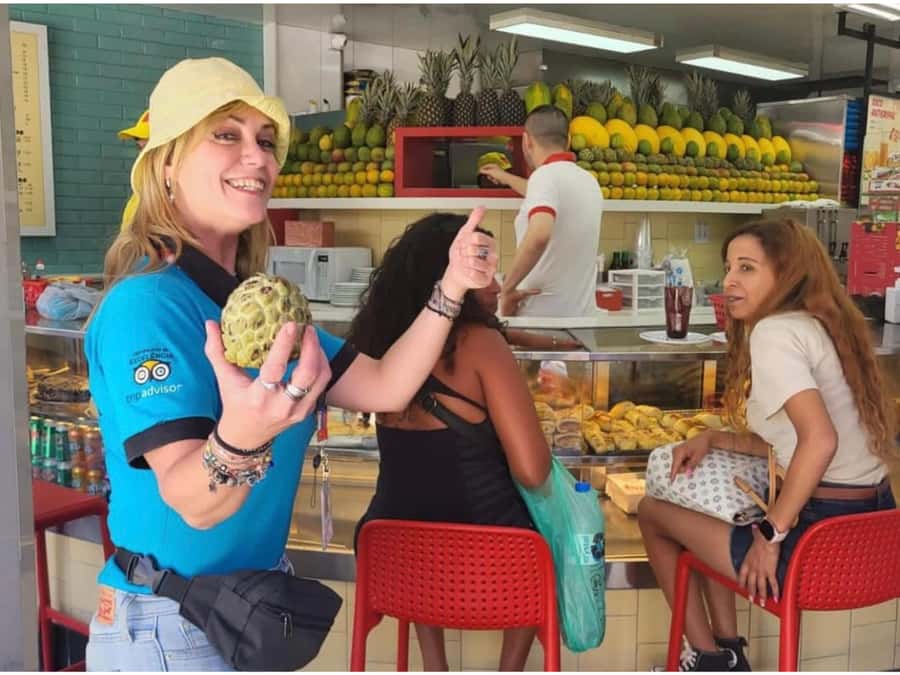
- Colombo confectionery for a focused lesson in Rio-style sweets and salty snacks
- Santa Teresa and Lapa explored with food stops that match the neighborhoods, not just a checklist
- Tram ride over the Lapa Arches aqueduct plus Ruinas Park for panoramic views
- Cachaça tasting paired with local context, not just a shot-glass moment
- Multi-stop tastings that include pão de queijo, coxinha, açai, bacalao fritters, and more
- Guides like Romayne or Camila, who bring serious energy and storytelling to the food history
Santa Teresa and Lapa: the best kind of Rio food walk
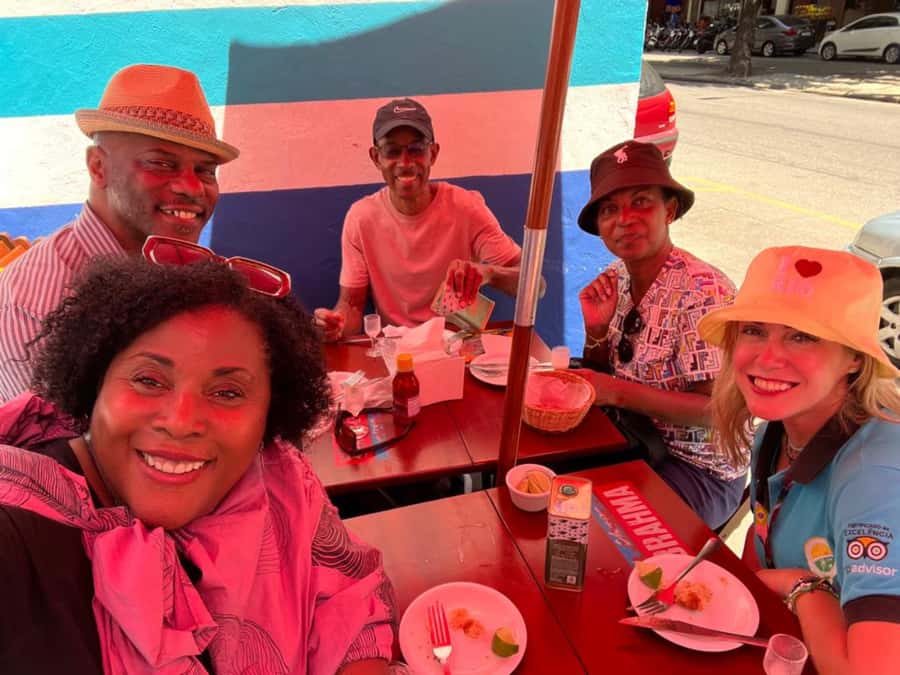
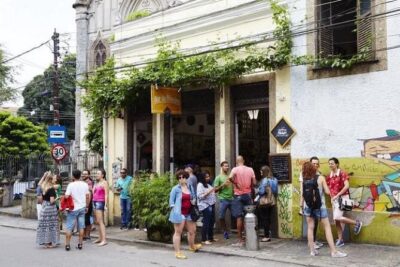
This tour is built around two neighborhoods that feel like different sides of Rio. Lapa is all about arches, energy, and street life. Santa Teresa feels like it climbs away from the grid, with a more artsy mood that fits the food culture lesson.
What makes it work for you is the pacing. You are not doing a marathon, and the walk is about 1 mile total, suitable for most fitness levels. Still, you will move enough to earn your tastings and get oriented fast.
Even better, the guide is the engine. This is not just a series of counters where you receive samples. A local expert explains the family traditions behind what you eat, so it lands as culture, not trivia.
More Historical Tours in Rio de Janeiro
- Rio de Janeiro Historical Center Walking Tour
★ 4.5 · 336 reviews - Private Walking and Cultural Tour Rocinha-Rio de Janeiro
★ 5.0 · 239 reviews - Discover Rio Little Africa: A Cultural and Historical Journey
★ 5.0 · 238 reviews
From pão de queijo to coxinha: what you actually sample
The core of the tour is eating. You start with classic Brazilian comfort foods and snack foods, then broaden out into drinks and regional ingredients you will recognize later in Rio.
Expect tastings that include pão de queijo (that chewy, cheesy pão that smells like a bakery even when you are outside), coxinha, and other local specialties from specialty shops. The food story also connects to ingredients that show up again and again in Brazil, including açai, tapioca, and manioc flour.
If you like understanding what you are eating, this part will feel satisfying. You learn what the ingredients mean in Rio’s food culture, and why certain items show up for different occasions, not just as random street snacks.
And yes, you will be given more than one savory bite. One of the strongest signals from guide experiences is that the tour makes you come hungry and then keeps the momentum going with stop after stop.
Colombo confectionery: why the sweets-and-snacks stop feels essential
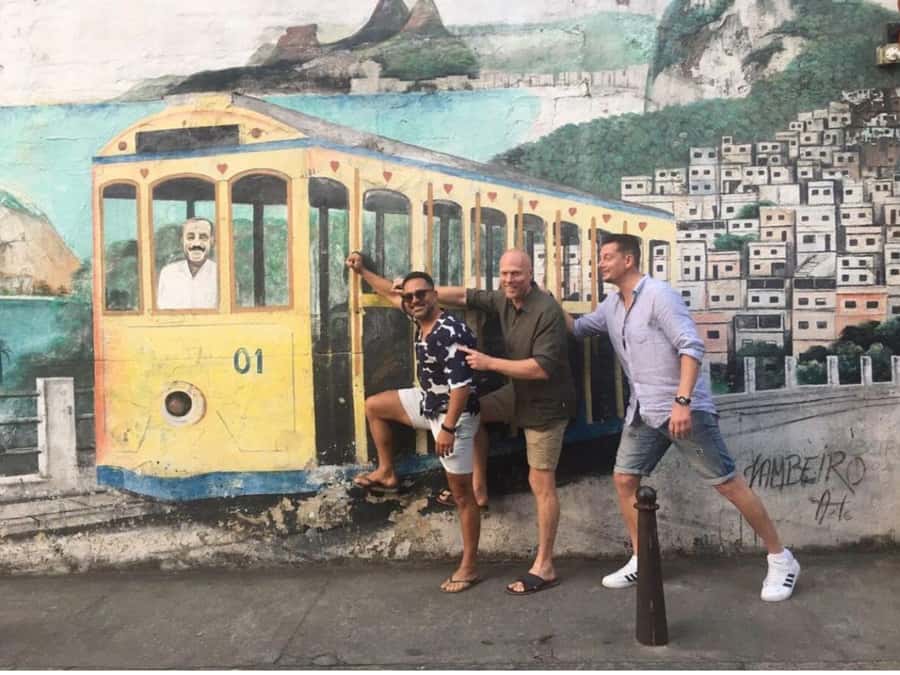
Colombo is a name that signals you are in a real Rio sweets story. The tour’s sweet portion is not an afterthought, it is a planned destination known for mixing nostalgia with variety.
You can think of Colombo as a snapshot of Rio tastes in one place. The tour leans into both sweet and salty snack culture, so you do not just graze on sugar. That matters because Brazilian snack culture often mixes flavors in ways that are more interesting than the American idea of dessert.
You will likely find sweets that balance with savory options as you work your way through the menu. This is the kind of stop where you learn what Rio locals keep buying and gifting, and why.
Practical tip: keep an eye on the sweetness level of what you choose. With multiple tastings ahead, you do not want to lock in a super-sweet palate early and then feel stuck chasing balance.
Cachaça and local beer: drinks as part of the food history

Rio food culture is inseparable from the drinks. This tour builds that connection into your route with tastings that include cachaça, and also local beer.
You are also likely to try drinks like caipirinhas, depending on the stops on your particular day. The point is not just alcohol tasting, it is learning where the drink fits socially and historically, and how it travels through traditions attached to the foods.
I like that the guide treats drinks as culture, not as a checkbox. You get context about how local producers and families shaped what ends up on the table.
And because this is a walking and tram day, moderation helps. Sip when you are tasting, not all at once. You want to be sharp for the views later.
Another way to spend a day in Rio de Janeiro:
- Rio de Janeiro: 6-Stop Highlights of Rio with Lunch
★ 4.4 · 5,157 reviews - Christ the Redeemer Entry Ticket by Corcovado Train
★ 4.4 · 4,476 reviews - Rio’s City Tour – Tickets for Christ, Sugar Loaf & Lunch included
★ 5.0 · 4,389 reviews - Full Day: Christ Redeemer, Sugarloaf, City Tour & Barbecue Lunch
★ 4.5 · 3,142 reviews
The tram ride: Lapa Arches aqueduct and Ruinas Park panoramas
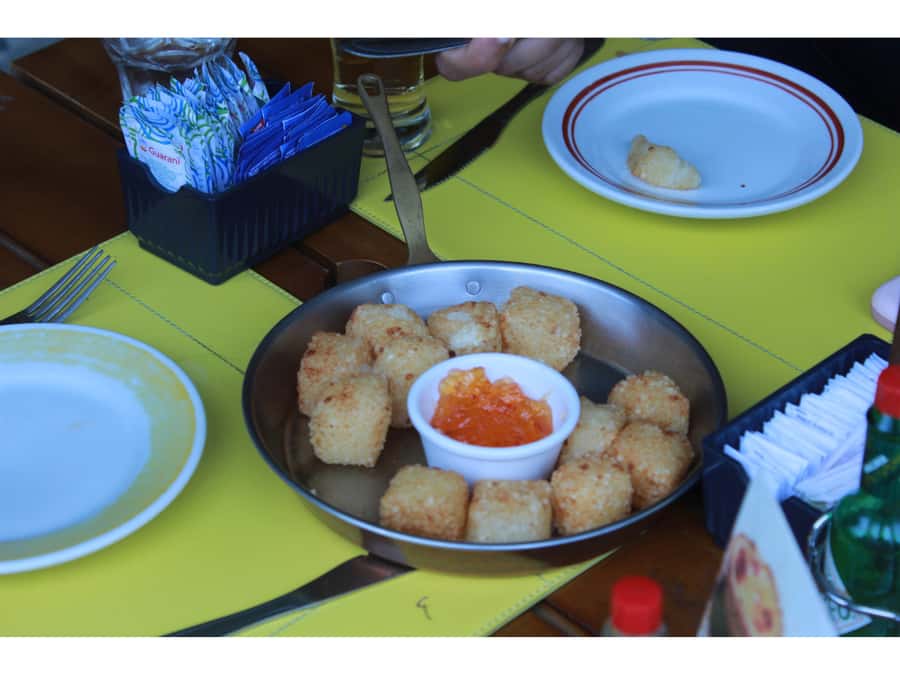
This tour moves in a smart way between downtown energy and Santa Teresa mood. You ride a charming tram that crosses over the Lapa Arches aqueduct, then passes Ruinas Park, with panoramic views on the way from downtown to Santa Teresa.
That tram segment is a payoff. It gives you a city overview that is hard to get on foot. You see how Rio’s geography and neighborhoods relate, and you get a clearer mental map for the rest of your trip.
Ruinas Park adds a different kind of moment. Even if you only have time to take in the view, it helps explain why Santa Teresa feels like a different world when you reach it.
What I’d tell you to do: plan for camera time. Have your phone or camera ready during the ride transitions, not while you are still adjusting your bag or hat.
Santa Teresa and Lapa neighborhoods: sights that match the bites
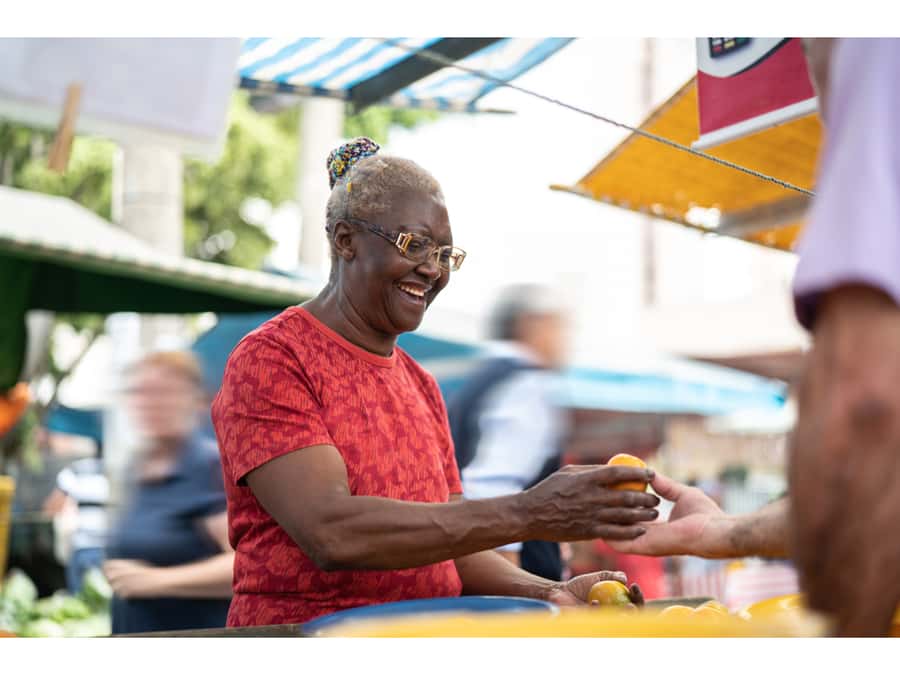
The tour is a food-focused day, but it is not only about food. You also admire the Santa Teresa and Lapa neighborhoods as you hop between restaurants and specialty shops.
You should expect a mix of city sights and local rhythm. Santa Teresa typically brings more character and “Rio at eye level” feel, while Lapa brings landmark energy around the arches and surrounding streets.
One of the reasons guides like Romayne and Camila get praised is how they connect what you see with what you taste. That storytelling makes the streets feel purposeful instead of random.
In one experience led by Camila, the timing also worked out so the group still reached a viewpoint and the area around the Selarón Steps later in the day. You should not count on a specific extra stop every time, but it shows the route can sometimes leave room for memorable landmarks if the pacing is good.
What the 6 hours look like on your schedule
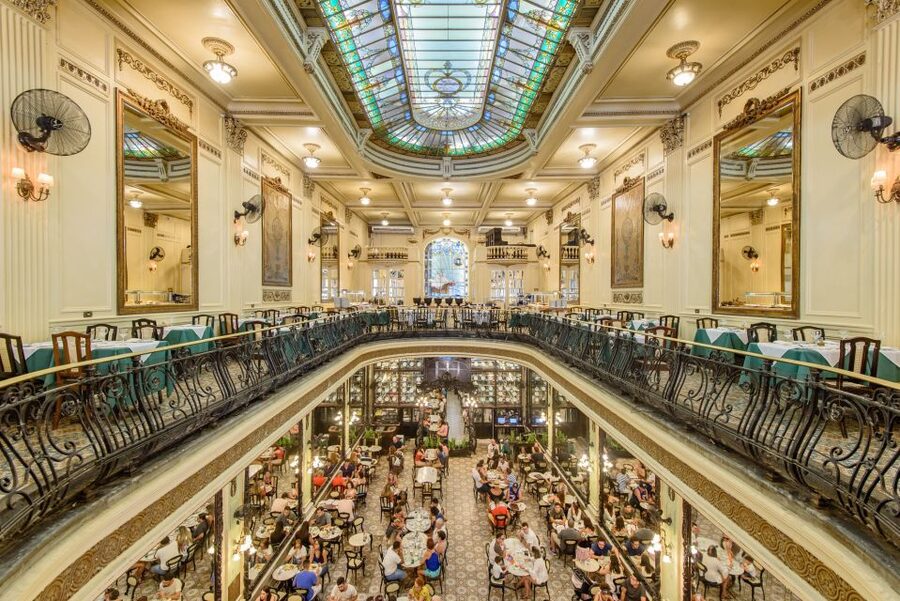
You have a clear rhythm for the day. Check-in starts at 10:30 a.m., and the tour departs at 10:45 a.m. The experience runs for 6 hours total.
That start time is useful. You are out early enough to enjoy the day, but not so early that the day feels rushed and you still have to scramble for snacks after.
Also note the language options. The tour includes a live guide in English and Spanish, which matters because food history is the whole point here. You do not want translation gaps during the story portions.
Transportation is part of the plan. You get a tram ticket included, and the rest is walking between stops. Since the walking distance is around 1 mile, it is manageable even if you are not a power walker.
Price and value: is $198 worth it
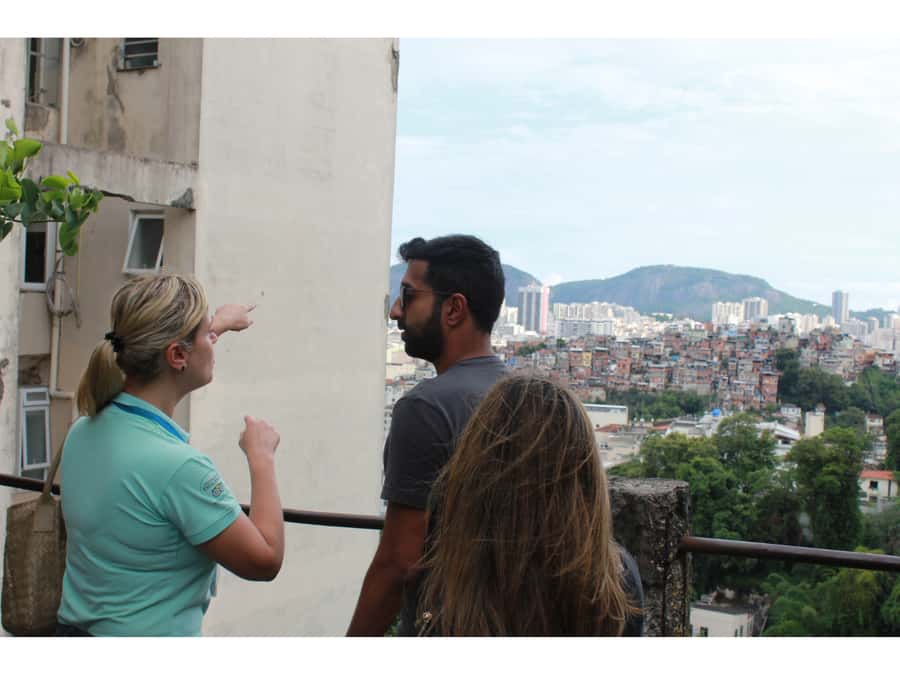
Let’s talk money like an adult. At $198 per person, you are paying for a guided day that includes professional guiding, tastings and food samples, a tram ticket, entrance fees, and the walking tour format.
The value comes from stacking multiple “included” parts into one price. A casual self-guided day in Rio might cover one or two tastings and a viewpoint. This tour strings together a broader set: savory classics, sweets from a well-known confectionery, and drinks like cachaça and local beer, plus the tram and neighborhood context.
So the question becomes, will you actually use the guidance? If you want food history, family traditions, and an efficient route through Santa Teresa and Lapa, the price starts making sense. If you only want one snack stop and you’re happy wandering on your own, it could feel steep.
A practical way to decide: if you like learning how food connects to place, this is a strong buy. If your main goal is landmarks with no food focus, you might prefer a sightseeing tour.
Who this tour is best for (and who should skip it)
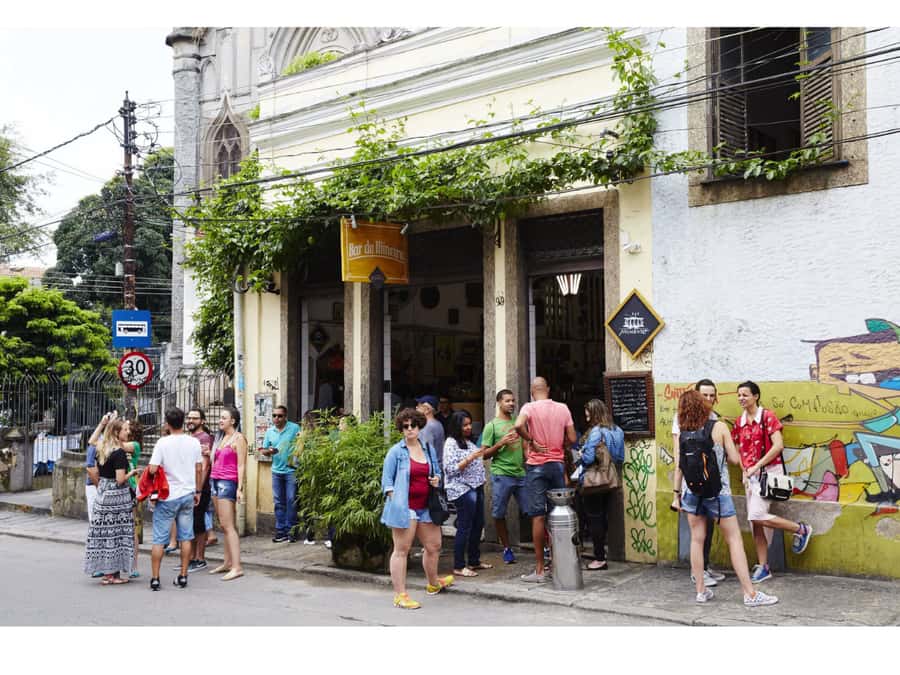
This tour fits you if you want a Rio morning to become a food lesson. It is ideal for couples and small groups, especially if you enjoy walking through neighborhoods with a plan and a guide who can answer questions in real time.
It is also a good fit if you are curious about traditional Brazilian ingredients like tapioca and manioc flour, not just the famous tourist snacks. The tour’s theme is food culture, so you get more than taste, you get context.
You might skip it if you dislike guided group touring or you are sensitive to alcohol tastings. The tour includes drinks, so even if you choose not to drink much, the tastings and stops still shape the schedule.
And if you have mobility limits, it is still worth noting the walking is about 1 mile total. That said, you will be moving outdoors and through neighborhoods, so comfortable footwear is not optional.
Practical tips so you enjoy it more
Bring simple stuff and you’ll have a smoother day. Sunglasses and a sun hat help a lot in Rio light. Wear comfortable clothes for outdoors, and keep your shoes suited for walking.
Avoid luggage. Large bags are not allowed, which is a big deal in crowded neighborhood streets. Travel light and you will feel less stressed during check-ins and transitions.
Plan to keep your phone charged enough for photos during the tram ride and view stops. The best scenery tends to happen when you are in motion, not when you are standing still.
If you want the maximum tasting experience, do exactly what the guides seem to encourage: come with an appetite and pace your bites and sips so you still feel good through the sweet stop.
Should you book Rio Culture and History through the Art of Traditional Foods?
I think this is a smart booking if you want one day in Rio to do two jobs well: food culture and neighborhood orientation. Santa Teresa and Lapa are prime areas, and the tram segment over the Lapa Arches aqueduct adds a city-view payoff that makes the day feel bigger than a typical food tour.
If you are the type of traveler who reads menus but also wants the why behind them, you will appreciate the way the guide connects each stop to family traditions and food history. And if you love Brazilian staples like pão de queijo and coxinha, this tour gives you a concentrated way to try them alongside other specialties like açai and bacalao fritters.
The main reason to hesitate is the price if you are unsure you’ll enjoy food history and multiple tastings. If food is central to your trip, it is easier to feel like you got your money’s worth.
FAQ
How long is the Rio Culture and History through the Art of Traditional Foods tour?
The tour lasts 6 hours.
What time does the tour meet and depart?
You check in at 10:30 a.m. and the tour departs at 10:45 a.m. Meet the guide at the designated meeting point at least 10 minutes early.
What languages are available for the guided tour?
The live guide offers English and Spanish.
What is included in the price?
The tour includes a professional guide, tastings and food samples, a tram ticket, entrance fees, and the walking tour.
Is hotel pickup or drop-off included?
No, hotel pickup and drop-off are not included.
What food and drinks can I expect to taste?
The tour includes tastings such as pão de queijo and coxinha, along with sweets and salty snacks from Colombo confectionery. You can also expect foods and ingredients like açai, tapioca, and manioc flour, plus drinks including cachaça and local beer.
Is luggage allowed during the tour?
No. Luggage or large bags are not allowed.
Newest Rio de Janeiro reviews
- Maracanã Matchday Tour – Ticket + Guide + Transfer★ 5.0 · 14 reviews
- Private Tour with Churrasco in Vela Catamaran – Velas do Rio★ 5.0 · 14 reviews
- Angra & Ilha Grande From Rio: Boat Tour With Barbecue and Drinks★ 5.0 · 14 reviews
- Half-Day Private Tour:Rio de Janeiro Highlights by Bernard Moraes★ 5.0 · 14 reviews
- Tijuca Forest Adventure★ 4.5 · 14 reviews
- Rio de Janeiro: Join a Fluminense game at Maracanã with locals★ 5.0 · 15 reviews
- Rio de Janeiro: Join a Botafogo soccer game with transport★ 5.0 · 15 reviews
- Christ the Redeemer, Selaron Steps and Santa Teresa Half-day Tour★ 4.5 · 15 reviews
Historical Tours in Rio de Janeiro, compared.


Private Walking and Cultural Tour Rocinha-Rio de Janeiro
Read our review →
Discover Rio Little Africa: A Cultural and Historical Journey
Read our review →

Rio Gastronomy: Culture & History Through The Art Of Food – Walking Group Tour
Read our review →
Adventure & History at Tijuca Forest (small group or private)
Read our review →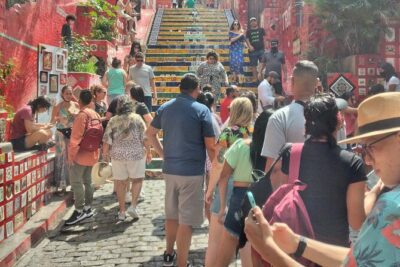
From the Past to the Present: A Historical Walking Tour of Rio
Read our review →Browse the lists this tour appears in