
Reviewed · HISTORICAL TOURS IN RIO DE JANEIRO
Rio de Janeiro: Afrobrazilian Heritage & Black History Walk
This experience is interesting because it connects Rio de Janeiro’s everyday streets to the long, painful history of the transatlantic slave trade and the African cultures that survived and reshaped Brazil. I like the focus on Valongo Wharf (UNESCO) and on “Little Africa” stops like Pedra do Sal, where samba culture has deep roots. I also appreciate that the guide is from Rio and can explain the story with firsthand credibility and care, as shown by guides like Kelly and Jaíse in past departures. One consideration: the theme is serious, and the walk includes sites tied to human trafficking, so go in with the right mindset.
You will get a clear, structured route through central Rio, with time to understand what you are seeing, not just where to stand for photos. I also like the mix of cultural anchors, from candomble and umbanda origins to the naming and roles of ancestral nature spirits and deities linked to African traditions. The main drawback is that food is not a firm “included meal,” so you should budget a little extra at Pedra do Sal if you want to eat there.
Key things to know before you go
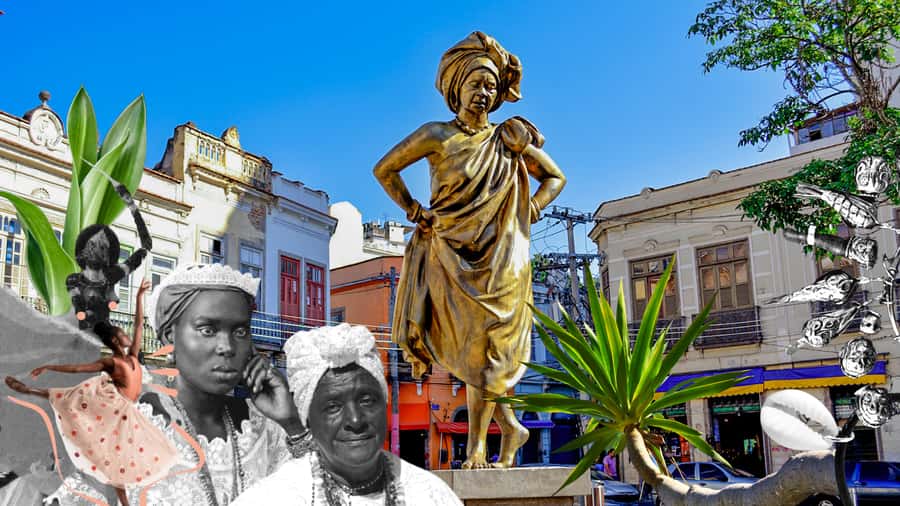
- Valongo Warf UNESCO stop, tied to the arrival and selling of enslaved Africans in Rio
- Pedra do Sal in Little Africa, known for early samba gatherings and weekly rodas de samba
- African-descended religions in Brazil, including candomble and umbanda and their religious syncretism
- Orishas and related spiritual lineages, referenced through deities such as orishas, nkisis, and voduns
- Downtown heritage landmarks, including Largo São Francisco da Prainha and Praça Mauá area stops
- A guide with local lineage, with past guides praised for research, historical detail, and sensitivity
Where this walk fits in Rio (and why it feels different)
Rio can hit you from every angle at once, beaches, viewpoints, football, parties. This tour slows the pace and gives you a different lens. Instead of starting with scenery, it starts with people, forced migration, and the cultural inheritance that took shape in the city center.
I like that it does not treat Black history as a side note. It frames Rio’s present-day music, faith, and street culture as outcomes of specific historical experiences. That matters because the city’s public spaces often tell layered stories. When you know what to look for, a mural, a square, or a street corner stops being just “pretty.” It becomes a chapter.
Expect an honest, guided walking experience focused on African descendants and Afro-Brazilian culture, including the origins of religions like candomble and umbanda. You also get context for samba’s early development around places like Pedra do Sal.
This is also a good “values match” tour. If you care about learning respectfully, and you want more than a checklist of sights, you will probably enjoy it.
More Historical Tours in Rio de Janeiro
- Rio de Janeiro Historical Center Walking Tour
★ 4.5 · 336 reviews - Private Walking and Cultural Tour Rocinha-Rio de Janeiro
★ 5.0 · 239 reviews - Discover Rio Little Africa: A Cultural and Historical Journey
★ 5.0 · 238 reviews
Starting point at Praça Mauá and the first stretch of the day
You meet under the trees in front of the MAR Museum at Praça Mauá. This area is a logical “launch pad” for downtown Rio because it’s close to the port-side heritage zone and the central squares you’ll explore later.
The tour notes two additional starting options: Museu de Arte do (R. Pedro Ernesto, 32) and the Saúde neighborhood. If you’re trying to plan your morning efficiently, check which departure you’re assigned. It can save you time getting positioned before the walk begins.
The early part of the experience is a short guided walk through the downtown context, then you shift into the main heritage route. You are not just moving from point A to point B. The guide is using each stop as a teaching moment, so the walking time feels purposeful rather than rushed.
For you, the practical payoff is simple: you’ll build a mental map of central Rio while learning why each location matters.
Valongo Wharf UNESCO: the stop that changes how you read the city
The highlight for most people is Cais do Valongo, the UNESCO World Heritage Site tied to the transatlantic slave trade. This is the kind of place where standing still is part of the lesson. You’ll hear about what the area represented and why it became such a central node in the arrival of enslaved Africans brought through the Atlantic system.
I like that the tour connects the historical facts to living cultural legacies. That prevents the experience from becoming only tragedy and guilt. You learn about human trafficking perpetrated by the Portuguese for over 380 years, and you also learn how African cultural traditions survived, adapted, and shaped Rio’s identity.
One thing to keep in mind: emotionally, this stop asks you to slow down. It’s not a “quick photo, next” moment. If you’re the type who rushes through dark history, you might feel uncomfortable. But if you can stay present, this is where the tour delivers its strongest meaning.
Largo São Francisco da Prainha and central squares that hold memory
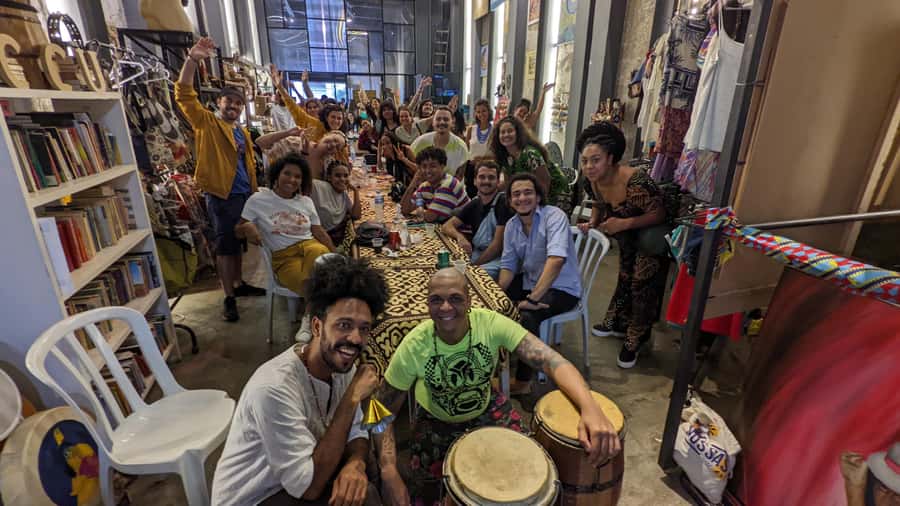
After Valongo, the route keeps you in the downtown zone, with stops like Largo São Francisco da Prainha and Praça Mauá. These locations matter because they sit inside the everyday city fabric. That’s where the story becomes real: the same blocks where people shop, work, and walk also hold layers of African heritage.
The tour specifically calls out sites associated with the arrival of enslaved Africans and the lives and cultural legacies that followed. You also visit areas tied to early African communities in Rio, including the wider “Little Africa” context.
I love this pacing because it helps you connect culture to geography. You are not just learning about a period in a book. You are seeing where it happened, and then you’re watching how that history echoes in neighborhoods and traditions today.
As for the feel of the walk, it is likely to be a mix of sightseeing and listening. You’ll get enough context that you can understand what you’re looking at without needing to study beforehand.
More Walking Tours in Rio de Janeiro
- Rio de Janeiro: Rocinha Favela Walking Tour with Local Guide
★ 4.8 · 3,052 reviews - Rio De Janeiro: Half-Day Rocinha Favela Walking Tour
★ 4.7 · 2,272 reviews - 3 Hour Rocinha Favela Walking Tour with a Local Guide
★ 5.0 · 833 reviews - Favela Tour Rio de Janeiro – Vidigal Walking Tour by Russo Guide
★ 5.0 · 377 reviews
Pedra do Sal: samba origins and weekly rodas de samba
Then you get to Pedra do Sal, often described as a centerpiece of “Little Africa.” The name itself hints at older layers of meaning, but the tour focuses on what people did there: musicians and communities meeting to sing and dance, and the role of the area in early samba development.
This stop is also where the experience becomes lighter in tone, without losing its depth. You learn that Pedra do Sal is linked with the earliest Carnival bloco parties and parades, and that the tradition continues today through lively rodas de sambas that happen weekly.
I like that the tour shows you the bridge between history and present-day culture. It teaches samba not as a spontaneous party idea, but as something that grew out of specific communities, spaces, and social networks.
There is also a time connected to regional food at this stop. At the same time, food is listed as not included in the price. So I’d treat it as a “you can eat if you want” moment, not a guaranteed free meal. If you have a tight budget, you can still enjoy the culture piece without buying food.
Afro-Brazilian religions: candomble, umbanda, and religious syncretism
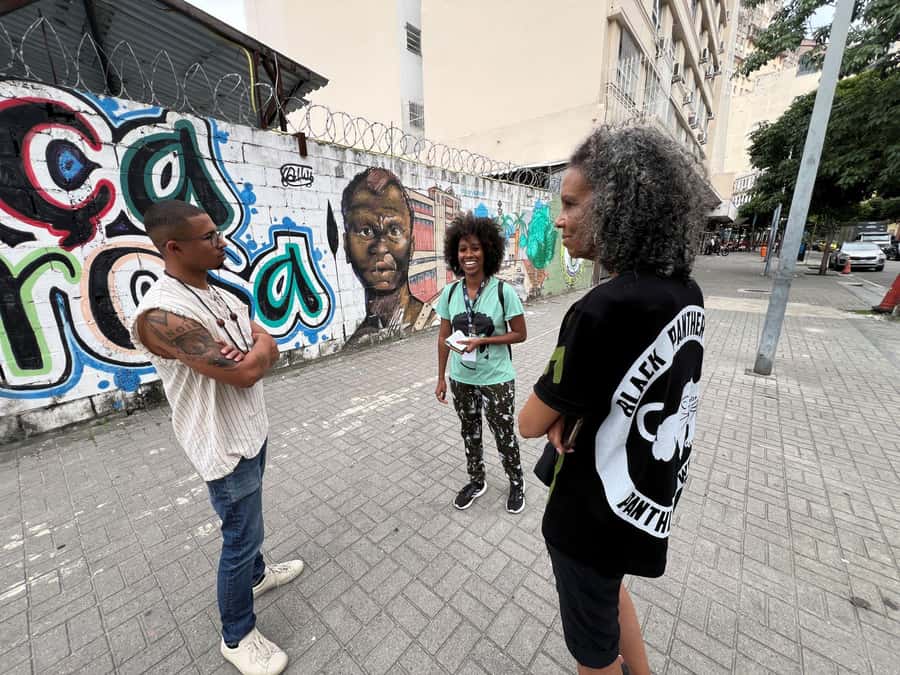
One of the most praised parts of this tour is the explanation of the religious side of Afro-Brazilian heritage. You’ll learn about the origins of candomble and umbanda, including how these traditions reflect syncretism with Christianity.
The tour also references Brazilian ancestral spiritual beings, including orishas plus the names nkisis and voduns. Those terms point to different lines of African-origin spiritual traditions that became part of Afro-Brazilian religious life.
I like how this is handled as cultural knowledge rather than a “tourist performance.” If you’ve ever wondered why you see certain symbols, names, and beliefs in Brazil and how they connect to older African roots, this stop gives you a clearer framework.
Important note: the tour does not position religion as a mystery to be solved in a single afternoon. It positions it as living heritage with roots, meaning, and ongoing practice. That makes the walk more than a history lecture.
Mural stops and street art context in downtown Rio
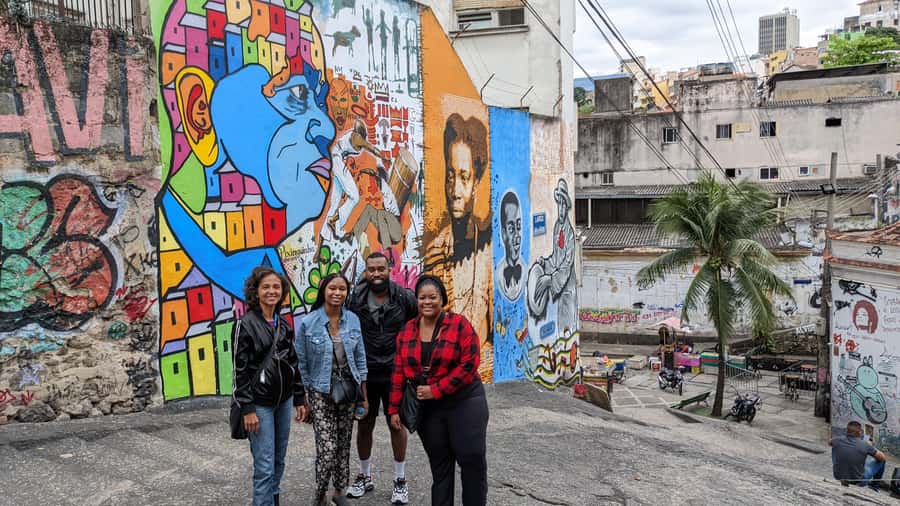
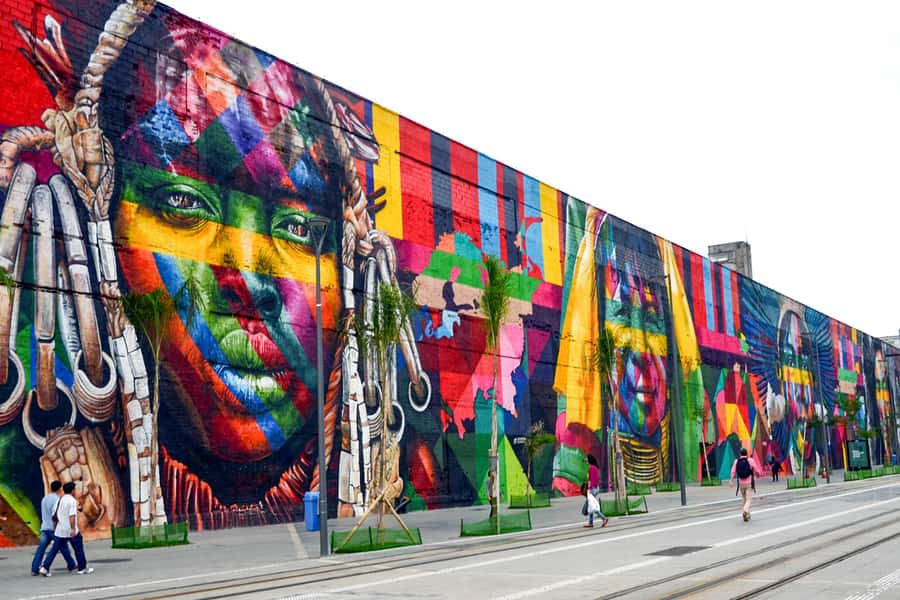
The experience includes a stop at Etnias – Mural de Graffiti (Estúdio Kobra) as part of the route. This is a good reminder that modern Rio keeps telling its stories in public art.
You might find murals like this hit harder after you understand the human migration story behind the neighborhood. Instead of seeing street art as only design, you can read it as commentary about identity, ancestry, and memory.
The tour keeps moving, so the mural stop is not a long detour. But it gives you a chance to tie artistic expression to the themes you heard at Valongo and Pedra do Sal.
The value of the guide: why local lineage matters here
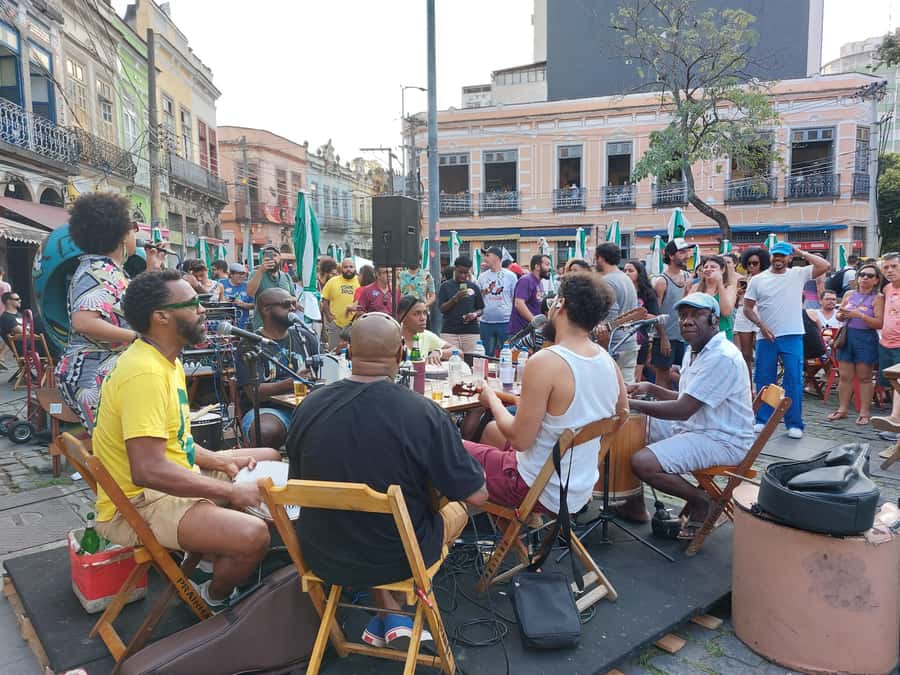
This is one of those tours where the guide quality really affects the outcome. Past departures have highlighted guides like Kelly and Jaíse for deep research and for explaining Afro-Brazilian culture from inside Rio’s lived context.
What I like about this approach is the combination of:
- historical detail, so you understand what happened
- cultural explanation, so you understand what survived
- careful tone, so the story is treated with dignity
Also, the guide is described as an expert of African descent from Rio de Janeiro. That matters because the tour’s subject touches identity, memory, and faith. You don’t just want a professor of facts. You want someone who can answer the “why does it matter” questions without flattening the topic.
Language options include English, Spanish, and Portuguese, so you should be able to join comfortably in the language you’re most confident with.
Price and timing: is $64 for 150 minutes a fair deal?
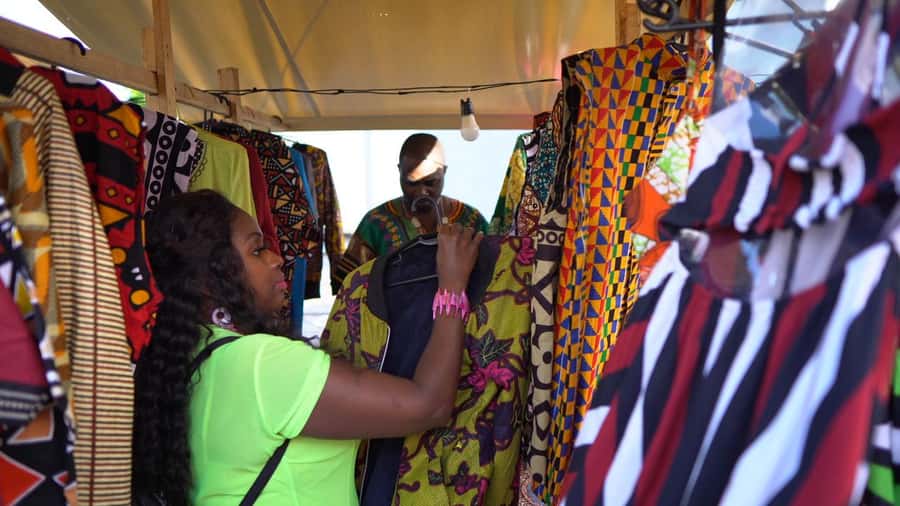
At $64 per person for about 150 minutes, this falls into the mid-range category for guided walks. The price feels fair when you consider what’s included:
- the guided walking tour
- a visit to the Valongo Wharf UNESCO site
- cultural learning on Afro-Brazilian traditions, samba origins, and ancestral deities
- local programming tips for music, art, museums, restaurants, and the wider local scene
The strongest “value moment” is that you get multiple key themes in one route: history, cultural survival, and modern expressions like samba and public art. Many separate tours would cost more because they cover only one thread.
If you want a cheap overview, you can self-guide downtown. But if you want explanations that connect sites to African heritage and to religions like candomble and umbanda, this guided format is the point.
Logistics that actually matter for your comfort
This is a walking-based experience, and it runs rain or shine. Bring a plan for weather. The tour suggests:
- a reusable water bottle
- comfortable clothes
- a hat
- rain gear
You also should expect questions and discussion. If your attention span is short, break it up by focusing on each stop’s “main idea” rather than trying to memorize everything.
Meet under the trees at MAR Museum in Praça Mauá, then you head into central Rio. The tour is wheelchair accessible, and assistance dogs are allowed. Regular pets are not allowed.
If you have something urgent, the tour notes that messaging on WhatsApp is faster communication. It’s a small detail, but it can save stress on a busy downtown meeting point.
Who should book this tour, and who might prefer a different type
This is ideal for you if:
- you want a guided walk that explains cultural roots, not just architecture
- you care about Black history in Brazil and how it shaped Rio’s music and religions
- you prefer a compact downtown route with meaningful stops
It may be less ideal if:
- you only want light sightseeing, no heavy historical context
- you get uncomfortable with discussions of slavery and forced migration
- you’re hoping for a long museum visit with indoor time
The tour’s content is focused and direct. It’s not a “make it through a checklist” kind of outing.
Should you book this tour?
Yes, I think you should consider booking this if you want Rio with context. The combination of Valongo Wharf UNESCO, Pedra do Sal, and a real explanation of Afro-Brazilian religions gives you a deeper understanding of how Rio’s identity was built.
Book it especially if you care about doing more than surface-level sightseeing. The best part is that the story links history to living culture, so you leave with a way to read the city that goes beyond today’s photos.
Newest Rio de Janeiro reviews
- Maracanã Matchday Tour – Ticket + Guide + Transfer★ 5.0 · 14 reviews
- Private Tour with Churrasco in Vela Catamaran – Velas do Rio★ 5.0 · 14 reviews
- Angra & Ilha Grande From Rio: Boat Tour With Barbecue and Drinks★ 5.0 · 14 reviews
- Half-Day Private Tour:Rio de Janeiro Highlights by Bernard Moraes★ 5.0 · 14 reviews
- Tijuca Forest Adventure★ 4.5 · 14 reviews
- Rio de Janeiro: Join a Fluminense game at Maracanã with locals★ 5.0 · 15 reviews
- Rio de Janeiro: Join a Botafogo soccer game with transport★ 5.0 · 15 reviews
- Christ the Redeemer, Selaron Steps and Santa Teresa Half-day Tour★ 4.5 · 15 reviews
Historical Tours in Rio de Janeiro, compared.
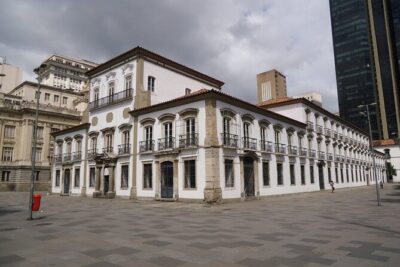

Private Walking and Cultural Tour Rocinha-Rio de Janeiro
Read our review →
Discover Rio Little Africa: A Cultural and Historical Journey
Read our review →
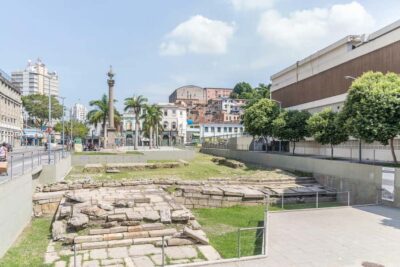
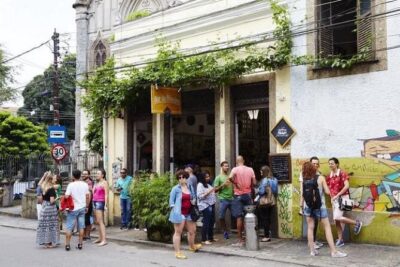
Rio Gastronomy: Culture & History Through The Art Of Food – Walking Group Tour
Read our review →
Adventure & History at Tijuca Forest (small group or private)
Read our review →
From the Past to the Present: A Historical Walking Tour of Rio
Read our review →Browse the lists this tour appears in