
Reviewed · COOKING CLASSES
Afro-Bahian Cooking Class Inside a Local Family Home
Salvador da Bahia has a big food story, and this class is interesting because you connect the ingredients to the people who make them. You start at São Joaquim Market, then you cook and eat inside a local family home, where Afro-Bahian flavors are treated like daily life, not a museum piece.
I love the hands-on format, you actually cook the dishes, not just watch. I also like that the market time includes picking fruit for caipirinhas, plus choosing fish for moqueca, so the shopping feels tied to what you eat later.
One possible drawback: Bahia food often uses strong flavors and palm-based ingredients, so if you are sensitive to spice, or you want a strictly kid-friendly vibe, you should ask what the tone will be ahead of time.
Key things to know before you go
- Market-to-kitchen flow: São Joaquim Market sets up what you cook at home
- Real cooking, not a demo: you make multiple dishes with a local host family
- Afro-Brazilian ingredients in focus: dendê, coconut, and manioc show up throughout
- Handmade caipirinhas: you select fruit, then learn how to mix
- Lunch plus time together: you end with dessert and a relaxed family meal
- Adult alcohol is included: alcoholic beverages are part of the experience
Why this Afro-Bahian cooking class feels more like a home meal than a performance
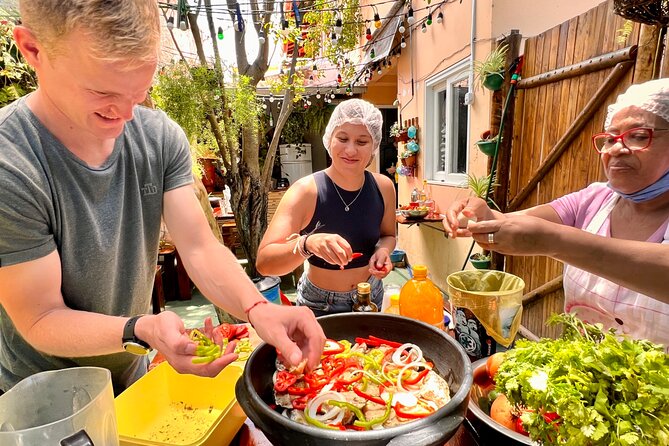
If you like your travel experiences grounded in everyday routines, this one hits. You will start with a short trip to a major market, then you will step into someone’s home kitchen and cook dishes that are tied to Bahia identity. It is not just about taste, it is about the why behind the taste, including how Afro-Brazilian cuisine was shaped through the Atlantic slave trade.
I also like the pacing. You are not rushed from station to station with ten minutes of instruction and a quick photo line. The day gives you time to shop, prep, cook, and then sit down at the end.
The small details matter too. You are welcomed with a traditional starter, and the meal ends with a Bahian dessert. When a tour does that, you usually get a more relaxed, respectful experience, and here that is exactly the idea.
More Cooking Classes in Salvador da Bahia:
- Cooking class in Salvador, an authentic dinning experience
★ 5.0 · 132 reviews - 4h Cooking Class in Salvador with 9 Recipes & Bottomless Drinks
★ 5.0 · 73 reviews - Family Cooking Class in Rio Make 9 Brazilian Dishes Together
★ 5.0 · 32 reviews
São Joaquim Market: where you pick fish and fruit that drive the whole menu
São Joaquim Market is your first stop, and it is more than a quick browse. You will learn what to look for in ingredients for Bahia classics, especially fish for moqueca, a stew that depends on the right texture and flavor. That market knowledge is useful even after the tour, because it helps you understand what makes a dish work in real life.
You will also pick fruit for caipirinhas, the Brazilian drink built around cachaça, sugar, and fruit. This matters because it makes the drink personal. You are not just handed a glass and told to try it, you are choosing the fruit that goes into what you will mix later.
A practical tip: wear shoes that can handle market surfaces, and bring a light layer. Market air can shift, and you will be walking while you look at ingredients.
Inside the local family home: casquinha de siri, warm conversation, and kitchen chemistry
After the market, you head to a warm, local home. You will be welcomed with casquinha de siri, then you move into the hands-on cooking part. That opening matters. It sets a tone of hospitality instead of classroom formality.
This is also where the cultural storytelling happens in a casual way. Expect friendly conversation about history and culture in Salvador, with an emphasis on how cuisine connects to identity. The goal is to help you taste the connections, not just memorize facts.
Here is something you should consider based on real experience: one booking reported that the guide leaned into sexual anecdotes and innuendos, and that made the environment uncomfortable for a family with children. If you are traveling with kids, or if you want strictly family-friendly conversation, I would ask your operator in advance to keep the guide’s talk appropriate.
On the other hand, another booking praised the guide’s humor and friendly teaching style, specifically mentioning Marcos as a standout guide for being insightful and personable, and Angelica as a host who taught with humor. So the tone can be excellent, but it is worth you setting expectations early.
The menu you will cook: fish and shrimp moqueca, banana moqueca, farofa, and coconut rice
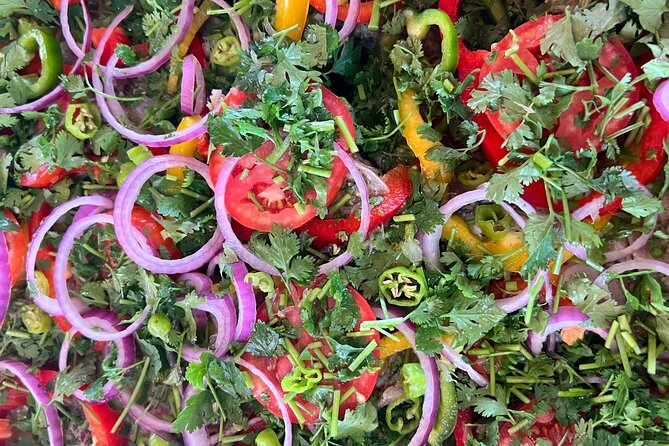
The class centers on iconic Bahia dishes. You will cook multiple items, so you get a sense of how the flavors build together. The menu includes:
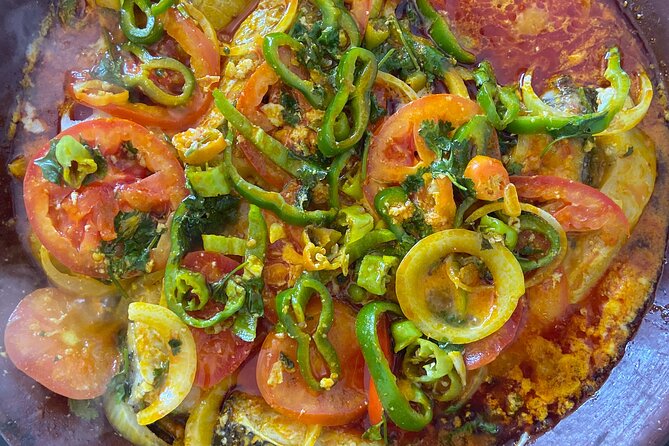
- Fish and shrimp moqueca, with vegetables, seasonings, and palm oil
- Pirão de farinha, made with moqueca broth and manioc flour
- Coconut rice, seasoned for a Bahian feel
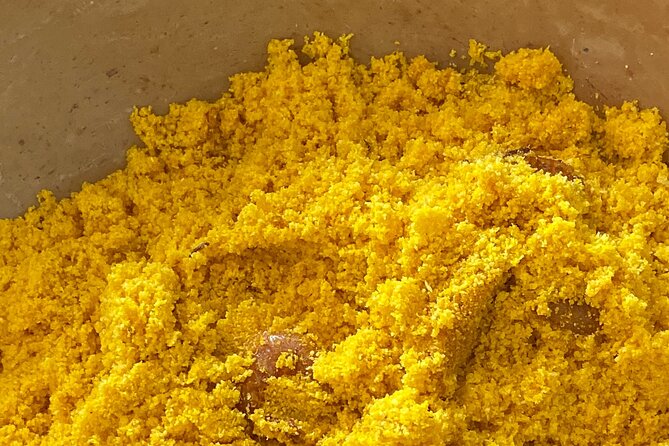
- Dendê farofa, manioc flour toasted with palm oil and onions
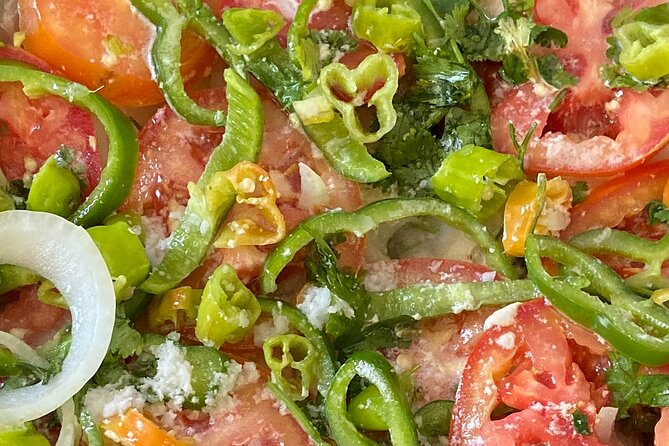
- Banana moqueca, vegetarian, with plantains in a creamy coconut and dendê sauce with tomatoes, peppers, and fresh herbs
A key value here is that you are learning technique, not just repeating a recipe. When you handle the broth for pirão, you learn how texture comes from turning savory liquid into something thicker. When you toast farofa, you get the difference between raw flour and that deeper toasted flavor. And when you cook moqueca, palm oil and coconut do not just taste good, they change the body and richness of the sauce.
You will likely notice that dendê flavors stand out in this cuisine. If you love bold cooking, you are in the right place. If you are unsure about palm flavor, approach it like a learning moment. Taste a spoonful, then taste again after it combines with the other ingredients.
Also, you may see herbs and vegetables used throughout, so the dishes do not feel one-note. They are layered.
A few more Salvador da Bahia options
- Salvador: Capoeira Class at Mestre Bimba’s 1st Ever School.
★ 4.9 · 34 reviews - Samba-Reggae Percussion Class in Salvador
★ 5.0 · 14 reviews - Salvador: CAPOEIRA CLASS – CULTURAL
★ 4.6 · 13 reviews - Salvador: Traditional Drumming and Percussion Workshop
★ 4.4 · 10 reviews
Caipirinhas from scratch: choosing fruit, using cachaça, and getting the balance right
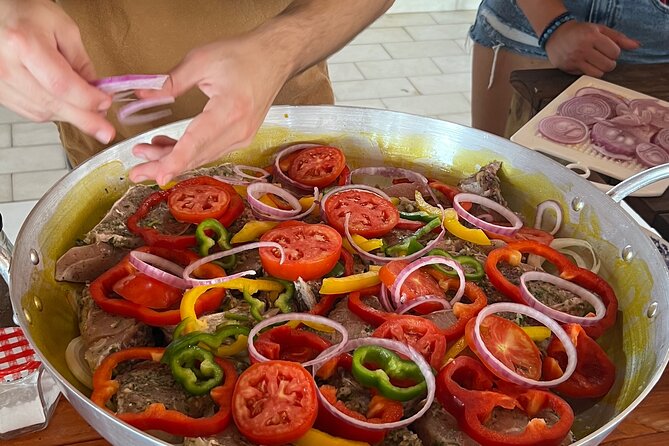
One of the most fun parts is choosing fruit for caipirinhas. Then you make them. That means you learn how the drink balances sweetness with tang and bite from the spirit.
The drink is made with tropical fruit, sugar, and sugarcane cachaça. When you make it yourself, you start to understand what people mean when they say the fruit matters. Softer fruit can disappear fast, while more assertive fruit holds its flavor longer. Even if you do not remember every detail, you will come away with a better instinct for building flavor.
Alcoholic beverages are included, so plan to drink moderately. The class is about cooking and eating, but it is still five hours or so, and you are also going to ride back to your hotel.
Dessert and the shared meal: coconut candy and the point of slowing down
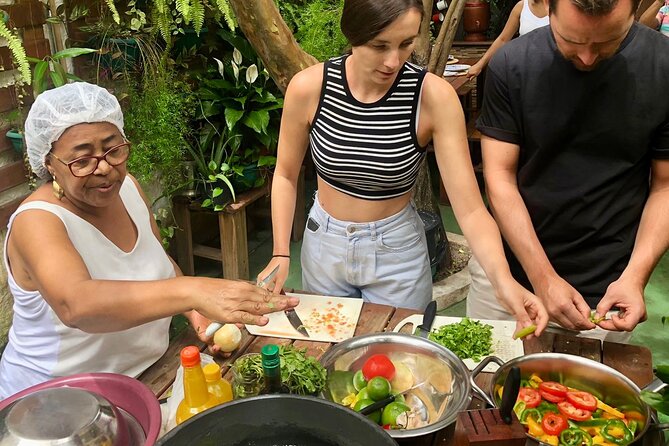
After cooking, you end with a Bahian dessert and a relaxed meal with your hosts. The dessert includes coconut candy, made with sugarcane and cloves. It is the kind of sweet that tastes like a specific place rather than generic coconut.
This ending matters for two reasons. First, you get to enjoy what you cooked in a real setting, not just as a tasting sample. Second, you can keep talking with the family while you eat, which often helps the cultural side click. A cooking class that ends with sitting down usually feels more respectful, and you leave feeling fed in more than one way.
Price and logistics: is $180 for 5 hours fair value in Salvador?
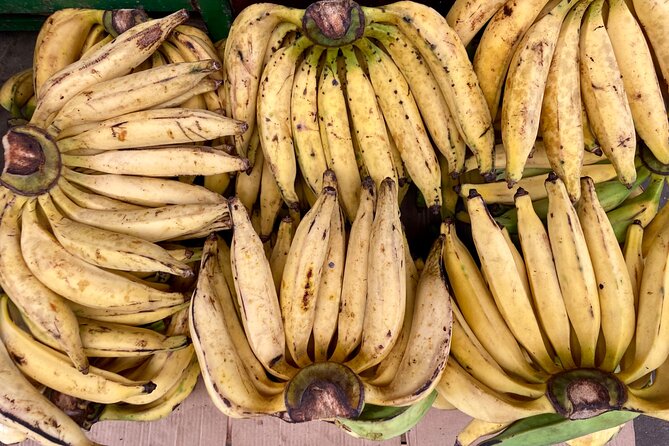
At $180 per person for about five hours, this is not a budget activity. But it is also not just a cooking demonstration. You are paying for a full experience with:
- A guide
- Hotel pickup and drop-off around Salvador City and also Airbnb addresses
- Air-conditioned vehicle transport
- Lunch
- Alcoholic beverages
- A private setup, meaning only your group participates
- A hands-on class with an established local family kitchen experience
From a value perspective, the price makes more sense if you compare what you get to the parts that cost money when done separately. A market stop with guided ingredient context costs time and labor. Cooking in someone’s home costs access and teaching. Lunch plus alcohol costs even more if you were to recreate it at restaurants.
There is also a practical upside: pickup reduces your stress in a city where it can be hard to time everything. Start at 9:00 am, then you are not spending the morning figuring out transportation.
One thing to keep in mind: the day is styled as smart casual, so do not dress like you are headed to a party. You will be moving, standing, and handling food.
Who should book this class, and who should ask extra questions
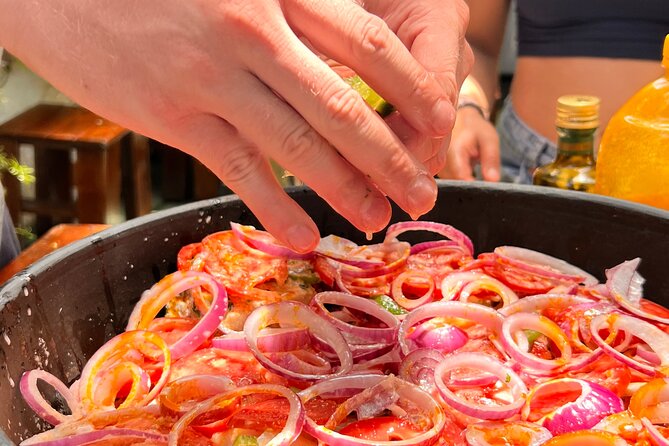
This tour is a great fit if you want:
- Hands-on cooking with Afro-Bahian dishes like moqueca and dendê farofa
- A market experience that is more than sightseeing
- A home-meal feel, with conversation about Bahia culture
- A guide who can explain ingredients and techniques in plain language (Marcos has been praised for that kind of delivery in at least one booking)
It might be less ideal if you are:
- Very sensitive to strong spices and palm-oil flavors, since the cooking can include seasonings that are meant to be bold
- Traveling with children and want a strictly family-friendly tone, because one reported experience included sexual innuendos from the guide
If you fall into the second group, you can still go. Just ask the operator before booking what approach the guide uses, and mention your comfort level. Getting clarity early is better than hoping it turns out fine.
Also, the tour is offered in English, and you need a minimum of two adults per booking. So check that your group fits the requirement.
Final verdict: should you book the Afro-Bahian cooking class in Salvador da Bahia?
I think you should book it if you want your Salvador food experience to feel personal and practical. The market-to-family-home flow is a smart way to learn ingredients, and the menu covers core Bahia dishes you can actually cook again later, especially if you take notes while you are working.
Skip it or ask extra questions if you strongly dislike adult humor or if you are traveling with kids and need a very conservative tone. Also, remember that this is a palm-oil and coconut-forward cuisine. If that sounds appealing, you will probably have a great time.
If you do book, go with a learning mindset. Taste everything, ask how each component works, and focus on the cooking steps that build flavor, not just the final plate.
FAQ
How long is the cooking class?
The experience lasts about 5 hours.
Is hotel pickup and drop-off included?
Yes. Round-trip transportation is included, with pickup from Salvador hotels and also Airbnb addresses around Salvador City.
Where do we start, and what time does it begin?
The start time is 9:00 am. You begin with a visit to São Joaquim Market.
What dishes and items are included in the meal?
You will make or prepare dishes such as fish and shrimp moqueca, banana moqueca, coconut rice, dendê farofa, pirão de farinha, and you will enjoy dessert (coconut candy). You also prepare a caipirinha.
Are alcoholic beverages included?
Yes. Alcoholic beverages are included.
Is this a private tour?
Yes. It is private, and only your group will participate.
Is there a minimum number of adults?
Yes. There is a minimum of two adults per booking.
Can I cancel and get a full refund?
Yes, you can cancel for a full refund if you cancel at least 24 hours in advance of the experience’s start time.
Newest Salvador da Bahia reviews
- Transfer Salvador to Barra Grande Round Trip★ 5.0 · 3 reviews
- Cruise Ship Special Private Tour Salvador da Bahia Historic Old Town Bonfim and Barra★ 5.0 · 3 reviews
- Airport Transfer-Grand Palladium Imbassai 1 to 4 people by Salvador Receptivo★ 5.0 · 3 reviews
- Exclusive Salvador City Tour with Beachtime Swim Stop★ 5.0 · 3 reviews
- Private Bike Tour Circuit Along the Beach★ 5.0 · 3 reviews
- Private Capoeira Class in Salvador★ 5.0 · 4 reviews
- Bahia By Night: Dinner and Folkloric show★ 5.0 · 4 reviews
- Candomblé: Religious,social Focus and Community visits★ 5.0 · 4 reviews
Cooking Classes, compared.
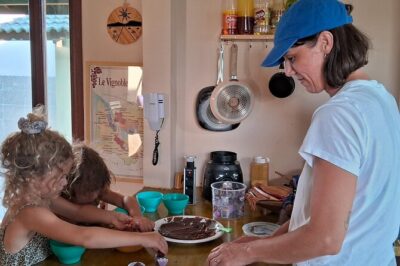
Cooking class in Salvador, an authentic dinning experience
Read our review →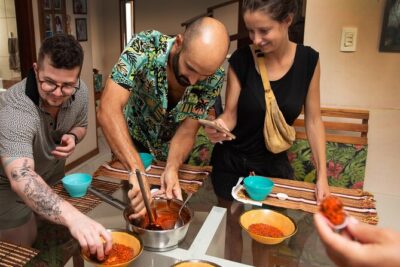
4h Cooking Class in Salvador with 9 Recipes & Bottomless Drinks
Read our review →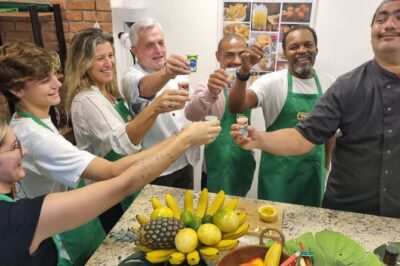
Family Cooking Class in Rio Make 9 Brazilian Dishes Together
Read our review →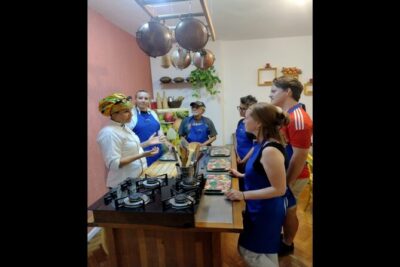
3-Hour Brazilian Cooking Class in Rio de Janeiro
Read our review →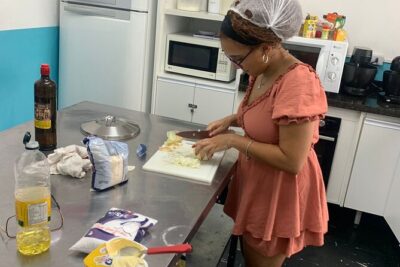
4h Cooking Class in São Paulo with 9 Recipes & Bottomless Drinks
Read our review →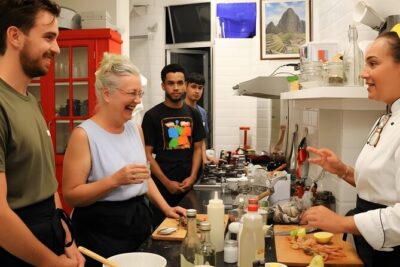
Hands-On Cooking Class in Rio: Iconic Street Foods & Caipirinhas
Read our review →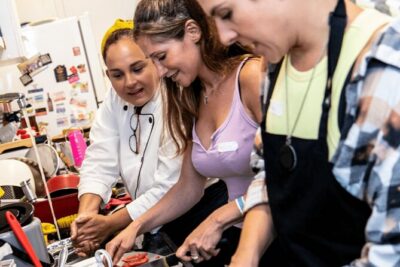
4h Cooking Class in Florianopolis: 8 Recipes & Bottomless Drinks
Read our review →
Brazilian Cooking Class in Copacabana with Hotel Pickup
Read our review →Browse the lists this tour appears in