
Reviewed · HISTORICAL TOURS IN RIO DE JANEIRO
Little Africa: Historical & Heritage Tour of Rio de Janeiro
Little Africa is interesting because it turns a short stretch of Rio’s port area into a story you can actually walk. You see how African lives shaped Rio, not as an abstract idea, but through specific places with names you can point to.
Two things I like a lot: first, the route is built around meaningful stops that you can visit with free admission, so you get a lot of real-world context for the money. Second, the guide role matters here, and guides like Rafael, Anna Maria, and Nathaly are praised for being engaging, kind, and willing to answer even detailed questions.
One thing to consider: this is a walking tour, so if you have mobility limits or you prefer lots of sitting, plan for standing and movement during the stops, especially since the timing is tight at several locations.
Key highlights to look for
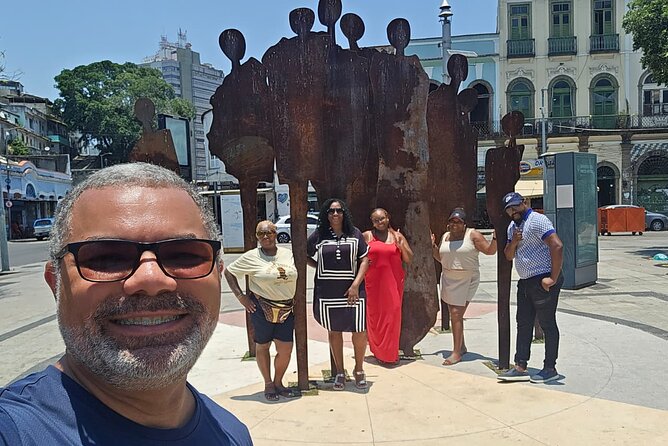
- A guided walk from Praça Quinze de Novembro to Cais do Valongo: the route follows Rio’s old port story line.
- Free admission at every stop except the optional museum: you are not paying over and over at each site.
- Cais do Valongo and Pedra do Sal focus on arrivals and aftermath: you get both the dockside reality and the cultural spread that followed.
- Places tied to burial and faith: Matriz da Paroquia de Santa Rita and the IPN museum both connect to remembrance.
- Conversation-friendly guides on some days: Nathaly is known for making it feel like walking with a friend; Anna Maria for insightful explanation.
- A tour length you can fit into a busy day: plan for roughly 2 to 4 hours.
Walking the Rio that connects Africa to the present

This tour is all about walking a thread. Starting in the Centro area at Praça Quinze de Novembro, you move toward Saúde and finish near Cais do Valongo. Along the way, the stops are set up so the story builds in order: arrival, burial, neighborhood transformation, and cultural movement.
You get a strong sense of place because you are not just looking at plaques. Each stop has a purpose in the bigger narrative. And since most sites are free to enter, you can focus on the guide’s storytelling rather than constantly checking tickets.
More Historical Tours in Rio de Janeiro
- Rio de Janeiro Historical Center Walking Tour
★ 4.5 · 336 reviews - Private Walking and Cultural Tour Rocinha-Rio de Janeiro
★ 5.0 · 239 reviews - Discover Rio Little Africa: A Cultural and Historical Journey
★ 5.0 · 238 reviews
Where the tour starts, ends, and how long to plan
You start at Praça Quinze de Novembro, Centro. The tour ends at Cais do Valongo on Av. Barão de Tefé, Saúde. That matters because you are not doing a loop. After the last stop, you will likely want to grab lunch, call a ride, or continue exploring around the port.
Timing is flexible in a good way: the tour is listed as about 2 to 4 hours. In practice, that range usually comes from how long the group lingers at each spot and how many questions you ask. If you want deeper conversation, you should budget closer to the longer end.
The good news for logistics: the meeting area is described as near public transportation, so you are not stuck on the outskirts. Also, the tour is private, meaning only your group participates. That can help with pace, questions, and keeping everyone together.
Price and value: what $75.46 buys you in real terms
At $75.46 per person, this is not the cheapest thing in Rio. But value comes from what you get for that price.
You’re paying for:
- A guided route through tightly connected historical sites
- Free admission for the main stops, so your money is going toward the guide experience, not a stack of tickets
- A tour length that fits into a half-day without eating your whole day
The one paid add-on is the Instituto de Pesquisa e Memória Pretos Novos (IPN) museum. Since the IPN visit is optional, you can keep costs down if you want only the walking portion.
So the real question for you is your style. If you like walking with a guide who can answer questions and connect the dots, the price can feel fair. If you want a very relaxed pace with lots of sit-down time, you may feel it is overpriced because the format is active.
Stop-by-stop: General Osorio to Boulevard Olímpico
Another way to spend a day in Rio de Janeiro:
- Rio de Janeiro: 6-Stop Highlights of Rio with Lunch
★ 4.4 · 5,157 reviews - Christ the Redeemer Entry Ticket by Corcovado Train
★ 4.4 · 4,476 reviews - Rio’s City Tour – Tickets for Christ, Sugar Loaf & Lunch included
★ 5.0 · 4,389 reviews - Full Day: Christ Redeemer, Sugarloaf, City Tour & Barbecue Lunch
★ 4.5 · 3,142 reviews
Stop 1: Statue of General Osorio (free)
The walk kicks off at the Statue of General Osorio. It’s a classic Rio starting point, and it gives you a reference for the broader area. Expect a quick orientation moment so you understand where you are standing before the story gets heavier.
This first stop is short by design. It sets the tone, not the climax.
Stop 2: Boulevard Olímpico (free)
Next is Boulevard Olímpico, described as a corridor built for the Olympics where the old port area used to be in colonial times. This is one of the places where the tour’s approach becomes clear: Rio’s modern layers sit on top of older realities.
What I like about this stop is the contrast. You look at a newer space and then your guide ties it back to the port zone, which is where the story of forced migration becomes unavoidable later on.
A drawback here is simply pace. If you are sensitive to lots of moving between short stops, you might wish for a bit more time in each area. The tour tends to keep things moving.
Stop-by-stop: burial sites and the squares near the port

Stop 3: Matriz da Paroquia de Santa Rita (free)
Then you reach Matriz da Paroquia de Santa Rita, connected to a former African slaves’ burial place. This is where the emotional weight increases. Even with a brief visit, the point is clear: people were buried here, and those burial connections matter for how we understand what came after.
If you prefer thoughtful pacing at serious sites, this stop is the kind of place where you will likely want extra minutes. It’s also a good moment to ask how the guide connects the burial context to the bigger port story.
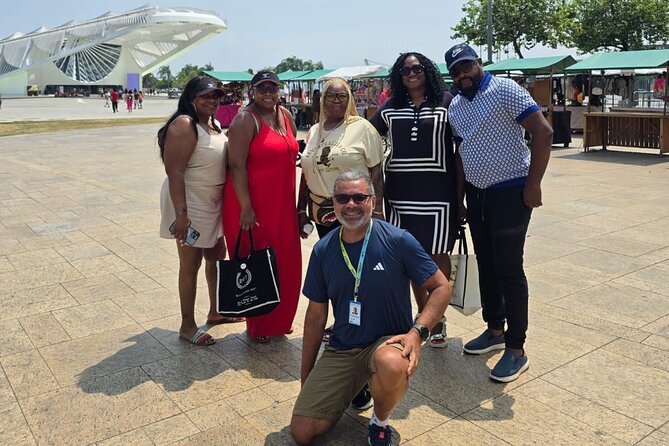
Stop 4: Mauá Square near the Museum of Tomorrow and Rio Art Museum (free)
At Mauá Square, you are next to landmarks like the Museum of Tomorrow and the Rio Art Museum. The tour doesn’t turn this into a museum day. Instead, it uses the square as a bridge between old port geography and the cultural institutions you can see today.
This stop can be a breather, since you are in an open square rather than tucked into a more enclosed site. But it still stays thematic, with the guide tying modern Rio to the same corridor of movement.
Stop 5: Largo de São Francisco da Prainha (free)
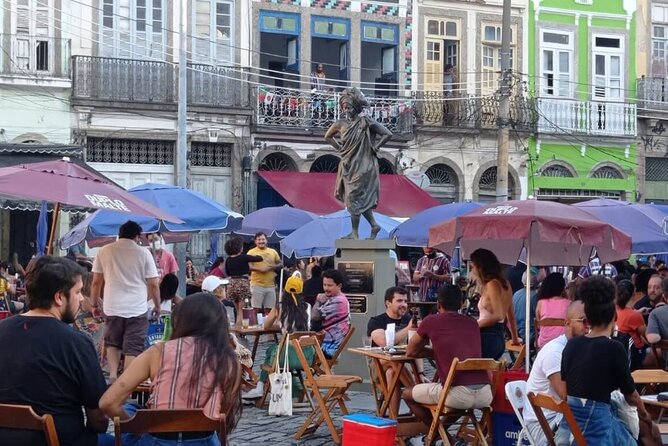
Next is Largo de São Francisco da Prainha, described as an area of a former beach that was buried, now known for local bars. That detail makes the tour feel grounded in everyday Rio life.
Here’s the useful part for you: this is where history stops being only about ships and chains. You see how the area has become social space now, and the guide can explain how culture layered over physical change.
That said, if you dislike bar-heavy zones or you want a quieter atmosphere, just know this stop is more street life than solemn courtyard.
Cais do Valongo and Pedra do Sal: arrivals, survival, and cultural spread
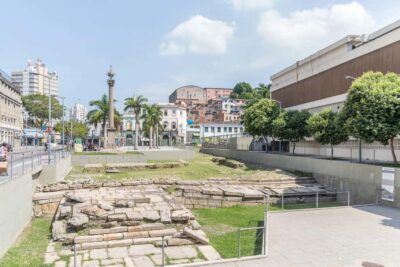
Stop 6: Cais do Valongo (free, moving and central)
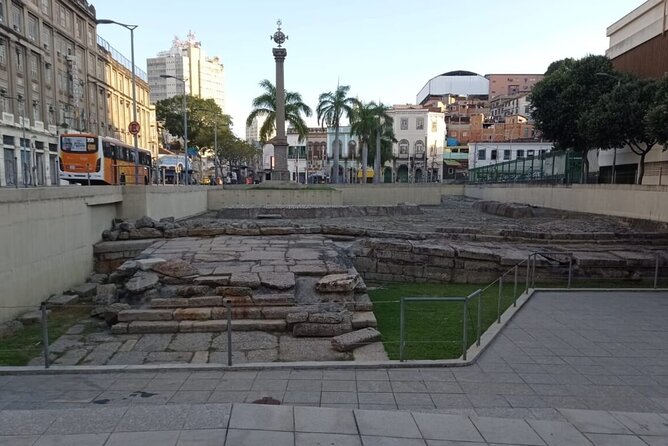
Cais do Valongo is the anchor. These are the docks where African slaves arrived in the 1800s. This stop is built to hit hard, and it usually becomes the most memorable part of the walk.
If you are looking for meaning, this is the place. The guide can connect the physical dock space to the human reality of arrival, and it tends to be the moment where people feel the story in their bones rather than just in their notes.
One practical tip: bring water. Even if the tour is not long, the emotional intensity plus walking can make you feel more tired than you expect.
Stop 7: Pedra do Sal (free)
Then comes Pedra do Sal, where the tour connects Carnaval and some African religions to early cultural spread. This stop helps balance the heavier stops.
What I like about this structure is the fairness. It doesn’t treat African influence as a side note. It shows how faith and celebration took root in Rio and continued shaping identity long after the docks.
This is also a great photo stop, but it’s worth keeping your attention on the guide’s explanation. The stone and the square mean more once you understand the cultural context.
The optional IPN museum: when to pay extra
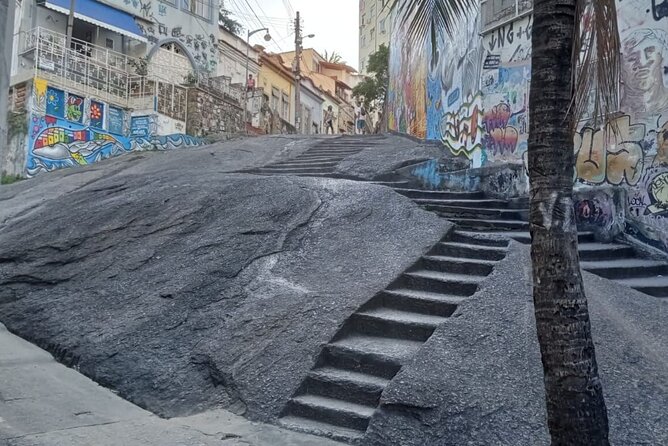
Stop 8: Instituto de Pesquisa e Memória Pretos Novos (IPN) (optional, paid, about 30 minutes)
Your final stop is Instituto de Pesquisa e Memória Pretos Novos (IPN). The tour frames it as the place where enslaved people who died before arriving in Brazil were buried, and it is now a museum.
Because this visit is optional and not included, you should decide based on your interest level in deeper context. If you want more detail, 30 minutes inside can be a powerful follow-up to the dock and street stops.
If you prefer to keep things light or you are short on energy, you can skip it and still leave with a complete route. Just know that IPN is the stop that turns remembrance into a more formal museum setting.
Guides, pace, and the difference between good walking and exhausting walking

This is where the experience can vary day to day. The best moments are usually guide-driven: clear explanations, kindness, and a willingness to answer questions without making you feel rushed.
In particular:
- Nathaly is associated with a conversational, friend-like vibe, where you feel safe and not alone even as you walk around unfamiliar streets.
- Anna Maria is praised for being insightful and for connecting history, art, and conversation into a fuller circle.
- Rafael is noted for friendly, detailed explanations, and even for sharing practical follow-ups like recommendations for blocos and help with a last-minute visit to Cidade de Samba.
That’s a good sign for you if you like your guide to be more than a walking fact machine.
But let’s be honest about pace. One less ideal experience described a lot of walking and standing, with limited personal connection. So if you have an elderly companion, or you tire easily, think about whether a 2 to 4 hour walking format fits your day.
A smart move: bring up your needs early, right at the start. Ask about where you can pause. If you need a slower rhythm, requesting it early usually works better than waiting.
Getting the most out of the route (without overdoing it)
This tour is strongest when you show up ready to walk and listen. To get the best value out of the free stops:
- Plan comfortable shoes. You are doing multiple short stops close together, with standing time.
- Have questions ready. The guide style can turn Q and A into a highlight.
- Pace yourself emotionally at Cais do Valongo and Pedra do Sal. Those two stops can feel heavy.
If you have a phone, use it to help you confirm the meeting point. One guide experience shared frustration caused by a taxi taking someone to the wrong place because of a misunderstanding and language barrier. That’s not a reason not to book. It is a reason to do one simple thing: double check the exact start address and save the location in your map app.
Also, since the tour ends at Cais do Valongo, think ahead about your next step. If your next plan depends on being across town, decide now how you will get there.
Who should book Little Africa?
You will probably enjoy it if:
- You want a walking tour that connects Rio’s present to the African story in a concrete way.
- You like meaningful stops with free admission so you are not paying entry fees all day.
- You want a guide who can answer specific questions and keep the tone respectful and clear.
You might skip or adjust if:
- You dislike standing and short, quick stops.
- You need a fully seated format or you have strong mobility limits.
- You only want the lightest version of history. This route includes serious, emotionally heavy themes.
It can also be a strong option for solo visitors, since the private setup and active guidance can make the day feel less intimidating than navigating the port alone.
Should you book it?
I’d book Little Africa if you want a half-day that feels grounded and purposeful, and you value a guided route over a self-guided checklist. The strongest reason is the structure: docks at Cais do Valongo, cultural spread at Pedra do Sal, and burial and remembrance through sites like Matriz da Paroquia de Santa Rita and the optional IPN museum.
If you are cautious about walking time, you can still make it work by wearing comfortable shoes, planning your energy, and deciding in advance whether you want the IPN museum add-on. And if you care about more conversational pacing, ask the guide questions early so the tone matches what you want from your day.
FAQ
How long is the Little Africa historical and heritage tour?
The tour runs about 2 to 4 hours.
How much does the tour cost?
It is priced at $75.46 per person.
What language is the tour offered in?
The tour is offered in English.
Are the site admissions included?
Admission tickets are free for the main stops. The Instituto de Pesquisa e Memoria Pretos Novos (IPN) museum is optional, with admission not included.
Where do I meet and where does the tour end?
You meet at Praça Quinze de Novembro in Centro, Rio de Janeiro, and the tour ends at Cais do Valongo on Av. Barão de Tefé in Saúde.
Is this a private tour?
Yes. It is listed as private, meaning only your group participates.
Newest Rio de Janeiro reviews
- Two Brothers Hike in Rio de Janeiro At sunrise★ 5.0 · 3 reviews
- Rio Paragliding Experience w/ Brazilian Female Champion video inc★ 5.0 · 3 reviews
- Tijuca Forest + Botanical Garden + Lage Park – by Alan Denis★ 5.0 · 3 reviews
- Tour 7 ( 4 hours ) : Tijuca National Park and Favela★ 4.5 · 3 reviews
- Rio de Janeiro by Yourself with English Driver by private Vehicle★ 5.0 · 3 reviews
- Personalized Tour in Rio. Main Attractions and Cultural Walk.★ 5.0 · 3 reviews
- Museum of Tomorrow – | Round Trip Transfer + 2 Tickets★ 4.5 · 3 reviews
- Stadium Stories & Food: Join a Maracanã stadium tour with a Local★ 3.5 · 3 reviews
Historical Tours in Rio de Janeiro, compared.
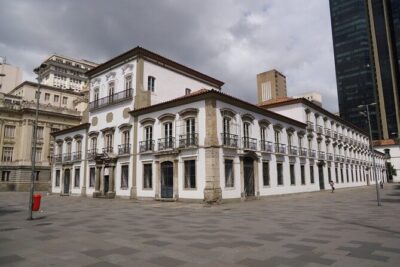

Private Walking and Cultural Tour Rocinha-Rio de Janeiro
Read our review →
Discover Rio Little Africa: A Cultural and Historical Journey
Read our review →
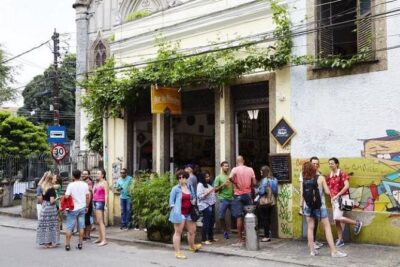
Rio Gastronomy: Culture & History Through The Art Of Food – Walking Group Tour
Read our review →
Adventure & History at Tijuca Forest (small group or private)
Read our review →
From the Past to the Present: A Historical Walking Tour of Rio
Read our review →Browse the lists this tour appears in