
Reviewed · HISTORICAL TOURS IN RIO DE JANEIRO
African Heritage: Gastronomy and Musicality Experience
This 5-hour Rio experience connects major Afro-Brazilian sites with hands-on culture, through tasting and a percussion workshop. It is not just stop-and-stare sightseeing, it is built to help you feel how African heritage lives on in music, food, and community.
I love the way the route moves from the Morrinho Project at MAR to Instituto de Pesquisa e Memoria Pretos Novos (IPN), linking daily life, architecture, and memory to the realities of slavery. The possible drawback: there are Afro-Brazilian and Yoruba dish tastings, so it is not suitable if you have food restrictions, and a couple of stops can be emotionally heavy.
Key Highlights You Should Expect
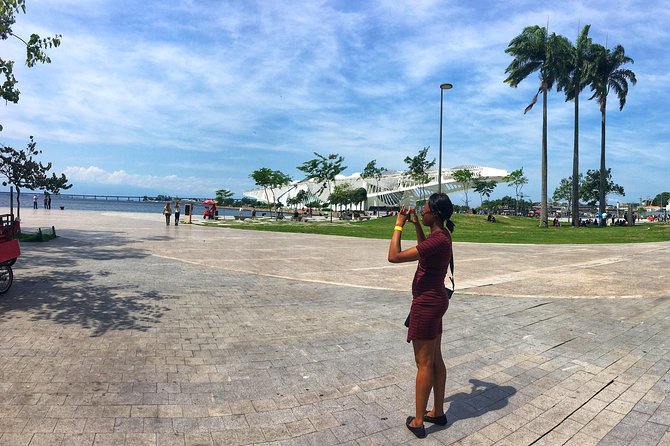
- Morrinho Project at MAR: a detailed, permanent look at Pereira da Silva favela life that pushes past stereotypes
- IPN (Pretos Novos) bones exhibition: a powerful archaeological stop tied to the slave period in Brazil
- Cais do Valongo and Little Africa: a port history moment with direct links to Afro-Brazilian traditions
- Quilombo Pedra do Sal community: cultural resistance plus weekly outdoor samba energy
- Pedra do Sal percussion workshop: led by an instructor and drummer from the African continent
- Largo de São Francisco da Prainha at sunset: a wrap-up with samba, funk, jazz, and chorinho vibes in a historic square
A 5-Hour Route That Balances Culture, Memory, and Rhythm
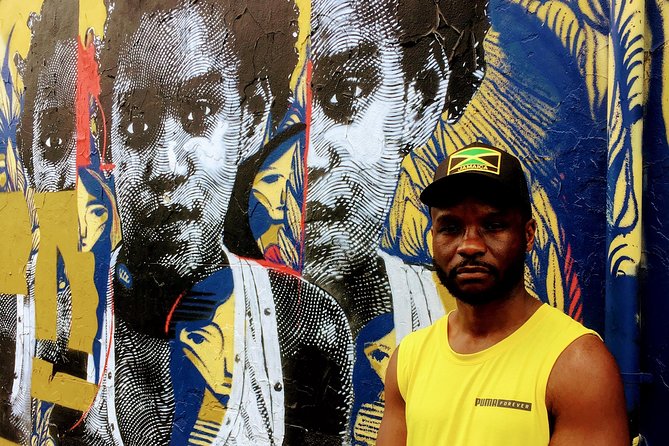
If you want Rio that goes beyond beach photos and famous statues, this format works. You get a tight walking route through places that hold meaning for Afro-descendants and the broader story of Brazil, then you end with music in the open air.
The best part is the rhythm of the day. It starts with visual storytelling, moves into archaeology and memorial space, then lands in community culture where food and percussion take over. That mix is what makes the experience practical, not just educational.
More Historical Tours in Rio de Janeiro
- Rio de Janeiro Historical Center Walking Tour
★ 4.5 · 336 reviews - Private Walking and Cultural Tour Rocinha-Rio de Janeiro
★ 5.0 · 239 reviews - Discover Rio Little Africa: A Cultural and Historical Journey
★ 5.0 · 238 reviews
The Morrinho Project at MAR: Favela Life Seen Up Close, Not As a Stereotype
At Museu de Arte do Rio (MAR), you spend about 25 minutes with the Morrinho Project. This is a permanent installation that recreates the streets and daily life of Pereira da Silva, with the people who lived there shown in detail. It is a reminder that favela neighborhoods are not one-dimensional, even though outsiders often treat them like a single headline.
What I like about this stop for your first-time understanding of Rio is how it changes your baseline. You walk in thinking you know what a favela is supposed to be, then the model nudges you toward complexity: community life, home spaces, and everyday routines.
Practical note: plan for quiet attention. A model like this rewards you when you slow down and look closely at the small human details.
Eduardo Kobra’s Mural Stop: Ancestry in Public Art
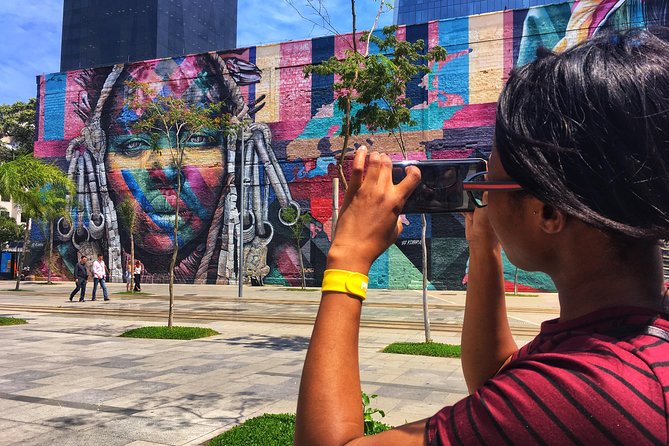
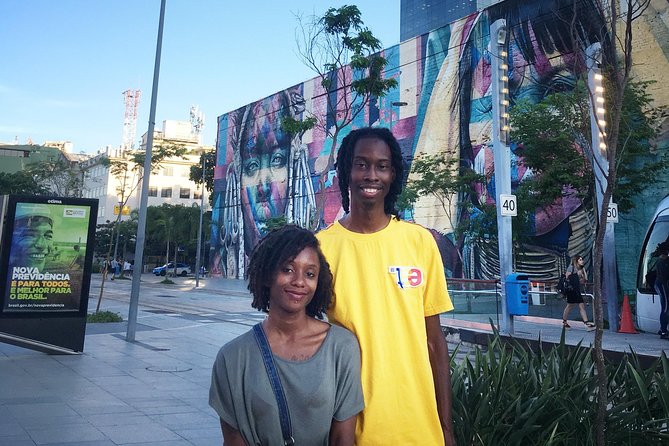
Next you pause for Eduardo Kobra’s work, described as the largest graffiti mural in the world. The theme is ancestry, connecting very old cultures and ethnic groups to Brazil’s longer history, both directly and indirectly.
This is a smart breather in the middle of a heavy day. You go from memorial and survival history into visual expression, which matters because Afro-Brazilian identity is not only about what happened, it is also about what people built, expressed, and kept alive.
Since the stop is focused on observation, you do not need special knowledge. Just look for how faces, symbols, and cultural cues are used to tell a long story in one surface.
IPN Pretos Novos: Archaeology That Changes How You Picture Slavery

Instituto de Pesquisa e Memoria Pretos Novos (IPN) is one of those places where time feels different. You get around 40 minutes at the archaeological site and the permanent exhibition connected to bones of Africans discovered at the place.
This stop has real weight. You are not just learning about the slave period in abstract terms. You are seeing the physical evidence of human lives, which can shift how you understand Brazilian history at a gut level.
For your day, I recommend you go in with a respectful pace. If you are the kind of person who likes to keep moving fast, slow down here. You will get more from it, and it will land better.
Another way to spend a day in Rio de Janeiro:
- Rio de Janeiro: 6-Stop Highlights of Rio with Lunch
★ 4.4 · 5,157 reviews - Christ the Redeemer Entry Ticket by Corcovado Train
★ 4.4 · 4,476 reviews - Rio’s City Tour – Tickets for Christ, Sugar Loaf & Lunch included
★ 5.0 · 4,389 reviews - Full Day: Christ Redeemer, Sugarloaf, City Tour & Barbecue Lunch
★ 4.5 · 3,142 reviews
Cais do Valongo and Little Africa: A Port Site With Global Importance
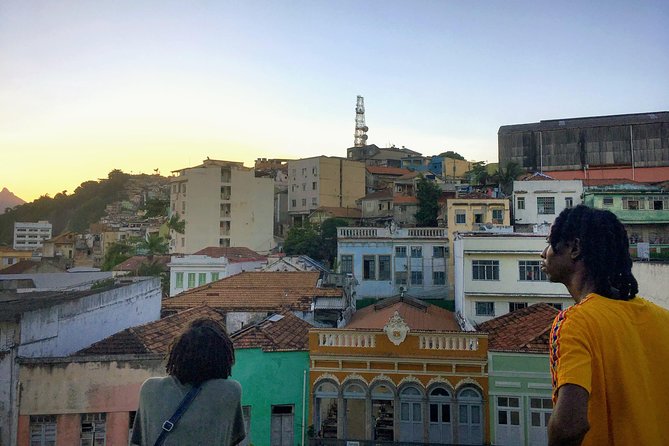
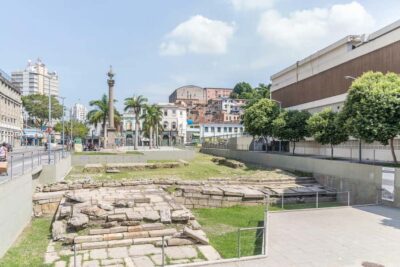
Then you head to Cais do Valongo, visiting the Historical Site of the pier and the surrounding area known as Little Africa. The time here is about 15 minutes, but it is packed with meaning.
This is where you connect the transatlantic story to the formation of Afro-Brazilian culture. The goal is not to memorize dates, it is to understand that traditions did not appear out of nowhere. They took shape in specific places, including ports like Valongo, where human movement shaped societies.
If you want the takeaway to stick, do what your guide will likely encourage: connect what you see in the space to the traditions you later hear and taste. The day is built to make those links.
Quilombo Pedra do Sal: Cultural Resistance and Weekly Samba Energy
Pedra do Sal is where the tour moves from sites and memory into ongoing living culture. You meet the remaining Quilombo Pedra do Sal community, described as a place of cultural resistance that helped Afro-descendants preserve heritage.
You will also get a sense of why this neighborhood is still important today. The area is known for weekly outdoor samba sessions, where Cariocas celebrate Afro-Brazilian legacy in a way that feels public and shared.
This part matters because it balances the heavy stops earlier. You see heritage not only as something to study, but as something people keep practicing.
Pedra do Sal Gastronomy and Yoruba-Inspired Flavors
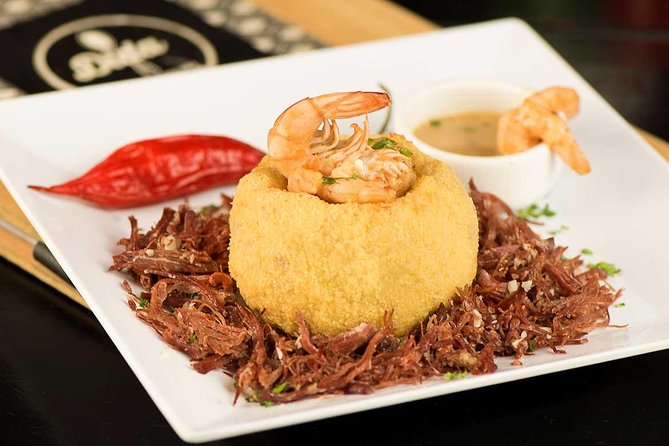
At Pedra do Sal, food becomes a learning tool. The tour includes tastings of typical dishes of Afro-Brazilian cuisine and Yoruba cuisine, tied to daily practice of religions of African origin.
This is not a random buffet moment. It is positioned as cultural context, so you taste through a historical lens: ingredients, flavors, and food traditions as carriers of identity. If you care about gastronomy as a form of history, this portion is a highlight.
One practical detail: drinks are not included. So if you know you drink a lot of water or want something cold with food, budget for it on your own.
Also, because the tour is not suitable for people with food restrictions, only book if you can comfortably participate in the tastings.
The Percussion Workshop: Drumming Led by an Africa-Linked Instructor
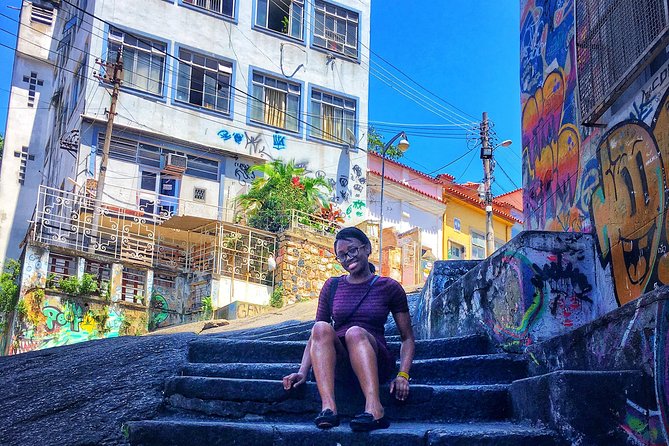
Still at Pedra do Sal, you get a percussion workshop with an instructor and a drummer from the African continent. The focus is musicality and the rhythms that influence people to this day.
This is where the tour earns its name. You are not just hearing about music in a lecture way. You get your hands involved, and your body learns patterns your ears alone might miss.
If you are worried about being a beginner, don’t. Workshops are meant for participation, not performance. The value here is understanding the rhythm culture behind Brazilian sound.
Largo de São Francisco da Prainha at Sunset: The City Speaks Through Music
To close, you finish at Largo de São Francisco da Prainha, spending about 15 minutes. This square comes alive when the sun sets behind Morro da Conceição, with sounds of samba, funk, jazz, and chorinho.
You also get the social feel of the neighborhood. Outdoor seating, cold beers, and snacks from local bars are part of the atmosphere, which makes this a nice ending because you can exhale after the earlier intensity.
For a practical tip: if you want the full soundscape, arrive a little ready to sit and listen rather than treat it as a quick photo stop. The square is about mood.
Where the Tour Fits in Your Rio Days
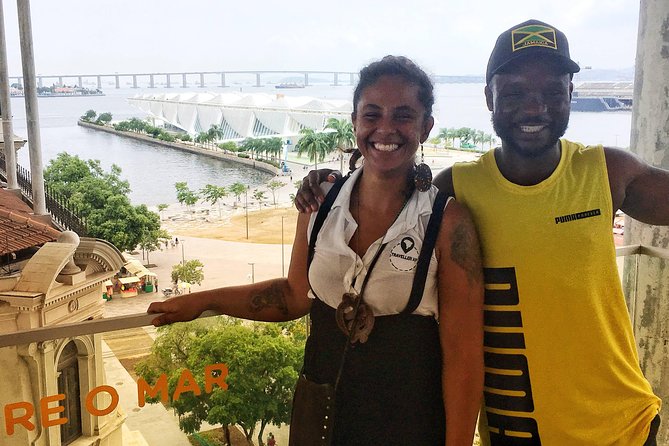
This is a private tour, meaning it is just your group. That usually makes a difference for comfort and pacing, especially on stops like IPN where you may want time to process.
The itinerary runs for about 5 hours and starts at 10:00 am from the Museu do Amanhã area near Praça Mauá. It ends at Largo de São Francisco da Prainha in the Saúde neighborhood. If you are planning your evening, keep it flexible, especially if you like to linger for music.
One more logistics note: the experience requires good weather. Rio can change fast, so have a backup plan if skies look questionable.
Price and Value: What $110 Buys in Real Experience
At $110 per person, you are paying for more than transportation. Your included items are Afro-Brazilian gastronomy tasting and IPN tickets. Other major stops listed are admission free, which helps you avoid surprise costs.
So the price makes sense if you care about three things:
- you want guided interpretation of sites that many people skip
- you want food tasting and a percussion workshop built into the day
- you want a private, structured route that keeps you from bouncing around on your own
Drinks are not included, so treat that as your main extra expense. Also, because the day includes tastings, you should be confident you will be able to participate fully.
One final value tip: since this tour is often booked about 69 days in advance, do not wait for the last minute if you are traveling during peak seasons.
Who Should Book This Tour (And Who Might Not)
This tour is a strong fit if you want Afro-Brazilian culture connected to specific places, not just general facts. It also suits you if you like music you can participate in, since the percussion workshop is part of the program.
It also works well if you like learning from a guide who frames Brazilian history from a diasporic perspective. In the feedback pattern around this experience, guides like Isabella are repeatedly praised for making the story clear and grounded, not vague or surface-level.
Skip it if food restrictions are an issue for you. The program explicitly includes tastings, and it is listed as not suitable for people with food restrictions.
Should You Book African Heritage: Gastronomy and Musicality in Rio?
Book it if you want a day in Rio that treats African heritage as living culture. The combination of Morrinho at MAR, IPN’s archaeological evidence, Cais do Valongo, Quilombo Pedra do Sal, Yoruba-linked food tasting, and a percussion workshop is a rare mix in one half-day.
Do not book it if you want only light sightseeing or if food restrictions would make tastings impossible. Also, if you are very sensitive to heavy exhibits, go in knowing IPN carries real emotional weight, and plan your pace accordingly.
If you like a guided structure and you want Rio with meaning, this is one of the more thoughtful ways to spend 5 hours.
FAQ
How long is the experience?
It lasts about 5 hours.
What is the price per person?
The price is $110.00 per person.
What time does the tour start, and where does it begin?
It starts at 10:00 am at Museu do Amanhã, Praça Mauá, 1 – Centro, Rio de Janeiro.
Where does the tour end?
It ends at Largo de São Francisco da Prainha, Largo São Francisco da Prainha – Saúde, Rio de Janeiro.
Is this a private tour?
Yes. It is private, and only your group participates.
What is included in the price?
The Afro-Brazilian gastronomy tasting and IPN tickets are included.
Are drinks included?
No. Drinks are not included.
Are the admissions free at the stops?
Admission tickets are listed as free for the Morrinho Project at MAR, IPN, Cais do Valongo, and Largo de São Francisco da Prainha. The Pedra do Sal portion includes admission.
Is the tour suitable if I have food restrictions?
No. It is not suitable for people with food restrictions.
What happens if the weather is bad?
The experience requires good weather. If it is canceled due to poor weather, you are offered a different date or a full refund.
What is the cancellation policy?
You can cancel for a full refund up to 24 hours before the experience starts. If you cancel less than 24 hours before, you will not receive a refund.
Newest Rio de Janeiro reviews
- Maracanã Matchday Tour – Ticket + Guide + Transfer★ 5.0 · 14 reviews
- Angra & Ilha Grande From Rio: Boat Tour With Barbecue and Drinks★ 5.0 · 14 reviews
- Private Tour with Churrasco in Vela Catamaran – Velas do Rio★ 5.0 · 14 reviews
- Half-Day Private Tour:Rio de Janeiro Highlights by Bernard Moraes★ 5.0 · 14 reviews
- Tijuca Forest Adventure★ 4.5 · 14 reviews
- Rio de Janeiro: Join a Fluminense game at Maracanã with locals★ 5.0 · 15 reviews
- Rio de Janeiro: Join a Botafogo soccer game with transport★ 5.0 · 15 reviews
- Christ the Redeemer, Selaron Steps and Santa Teresa Half-day Tour★ 4.5 · 15 reviews
Historical Tours in Rio de Janeiro, compared.
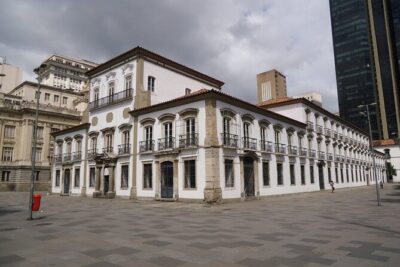

Private Walking and Cultural Tour Rocinha-Rio de Janeiro
Read our review →
Discover Rio Little Africa: A Cultural and Historical Journey
Read our review →
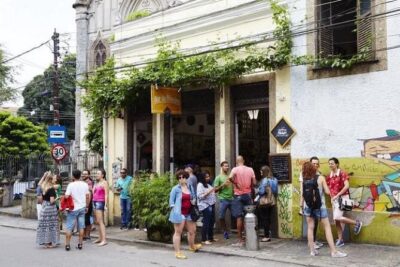
Rio Gastronomy: Culture & History Through The Art Of Food – Walking Group Tour
Read our review →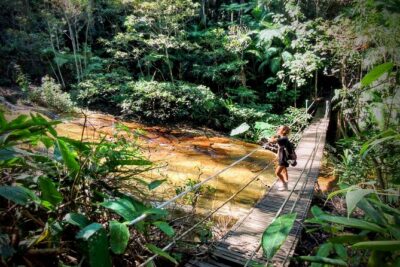
Adventure & History at Tijuca Forest (small group or private)
Read our review →
From the Past to the Present: A Historical Walking Tour of Rio
Read our review →Browse the lists this tour appears in