
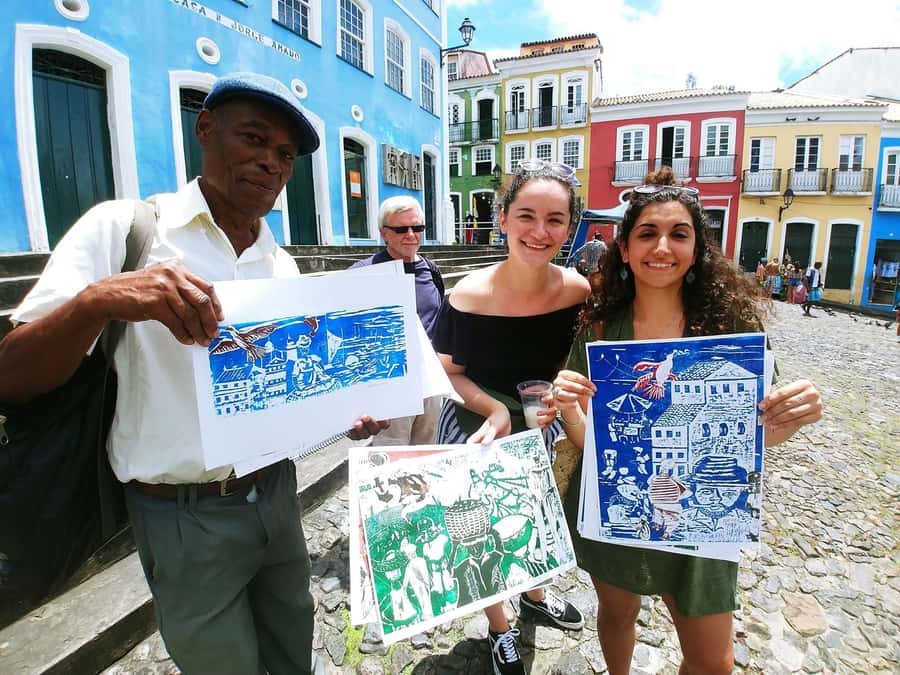
Reviewed · SALVADOR & PELOURINHO
Salvador de Bahia African Culture Tour
Salvador de Bahia can feel like a city built on rhythm and memory, and this walking tour focuses you on the African heritage still shaping daily life. I like how the route connects street-level landmarks with bigger stories, especially at Terreiro de Jesus and the Olodum cultural center.
Two things I really appreciate: you get hands-on context for what you see, and your guide helps you understand why music and community institutions matter, not just what they are. One thing to consider is that it is a 3-hour, on-foot route through the center, so it is best for people who like learning in motion and don’t need a full day of museum time.
If you’re lucky enough to get a guide like Eduardo or Sayuri, you’ll likely find the tone both smart and human. In the same spirit, guides such as Aldison, Adilson, Nilza, Facundo, and Carlos have been praised for adjusting to your interests and handling heavy topics in a respectful, clear way.
Key points before you go
- Meet at the Cathedral Basilica of San Salvador and start your 2 pm walk from a landmark that anchors the old center.
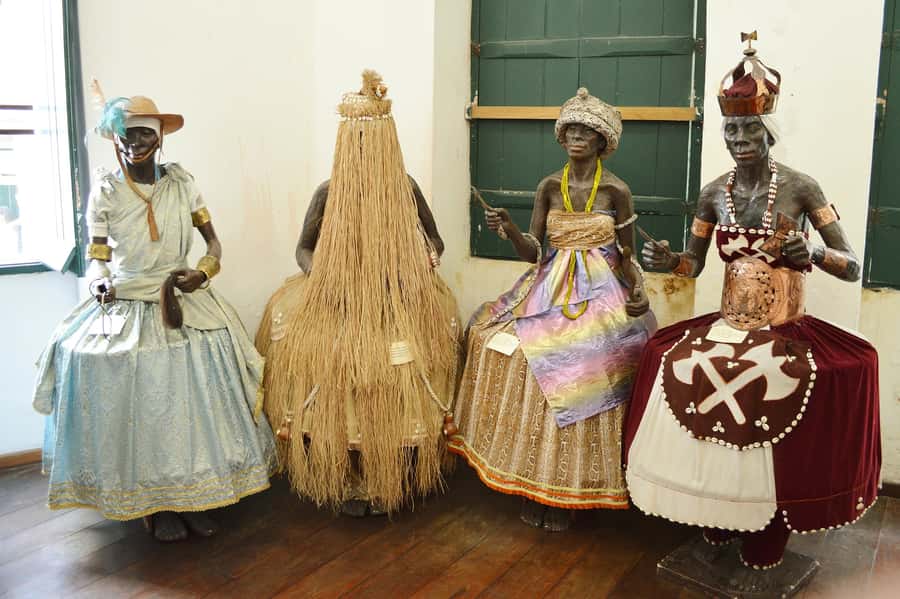
- Terreiro de Jesus ties the city’s colonial layers to African presence, including named stories from people who influenced Salvador.
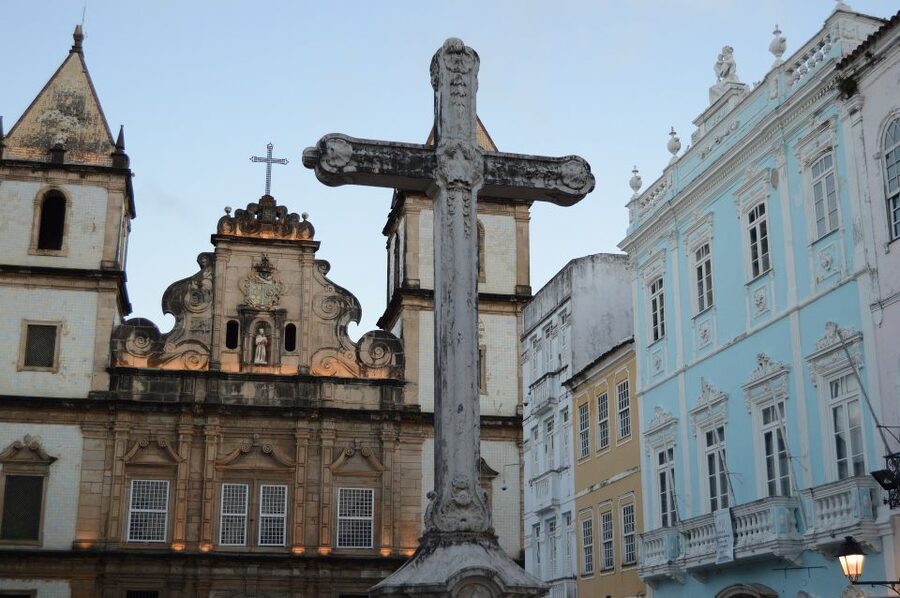
- Cross of Sao Francisco leads into the 19th-century community fight for liberation and how heritage shows up in public space.
- Olodum and Escola do Olodum connect African-descended culture to education and to Carnival’s deeper meaning.
- Samba and capoeira come up as living culture, not just performance trivia, so you’ll leave wanting to move.
- Afro-Brazilian Mass is included as part of the spiritual thread, where faith traditions intersect and evolve.
Starting at the Cathedral Basilica, then walking into the stories
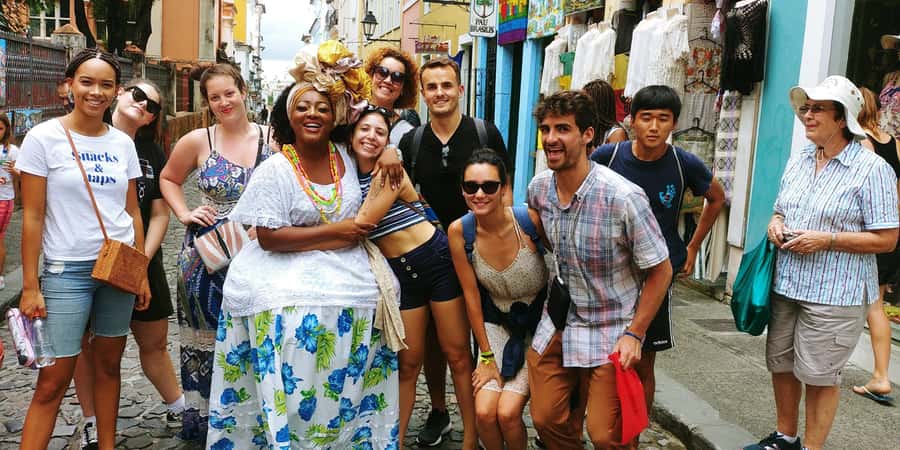
You meet at 2 pm in front of the Cathedral Basilica of San Salvador (the coordinates are -12.9728546, -38.5097046). That matters because it gives you a strong visual starting point in Salvador’s center, so you’re not guessing where to be while the city whirs around you.
This is a 3-hour experience on foot, and it’s set up as a private group. A private format usually means fewer distractions, and it often helps when the tour turns to complicated subjects like slavery and the black Brazilian experience. If you enjoy asking questions and steering the pace toward what you care about, this setup is a good match.
Since you’ll be walking, think practical. Wear comfortable shoes and plan to carry water, because you’ll want to stay present for the guide’s explanations rather than constantly pausing to recover. If you’re the type who likes photos, give yourself time to step in and out of viewpoints, especially around the larger monuments.
More of Salvador and the Pelourinho:
- Round trip transfer, Salvador, Bahia, Brazil
★ 5.0 · 228 reviews - Salvador City Tour – Discover Brazil’s First Capital En, It, Es
★ 5.0 · 217 reviews - Cooking class in Salvador, an authentic dinning experience
★ 5.0 · 132 reviews
Terreiro de Jesus: where colonial history and African presence meet
Your first major stop is Terreiro de Jesus, and the guide uses it as a doorway into how Salvador formed under colonization. You’ll hear about the Jesuit Missions and Portuguese colonization, and how those forces reshaped society in this part of Brazil. The goal is not to summarize dates. It’s to help you recognize the fingerprints of power and belief in the city’s layout and institutions.
A standout part of this stop is that you don’t just get a one-note lecture. You also hear about African celebrities connected to Salvador, meaning real people whose work and lives left a mark. That turns African history in Brazil from something abstract into something you can picture in your mind as you walk.
I also like the way this early stop sets expectations for the rest of the tour. When you understand the colonial machinery, then later community efforts make more sense. You start noticing contrast. You start understanding why certain cultural forms survived, transformed, and still matter.
Practical tip: this is the kind of stop where your questions can be gold. If you’re curious about how religion, music, or language shifted under colonial rule, this is the moment to ask.
The Cross of Sao Francisco and the 19th-century fight for liberation
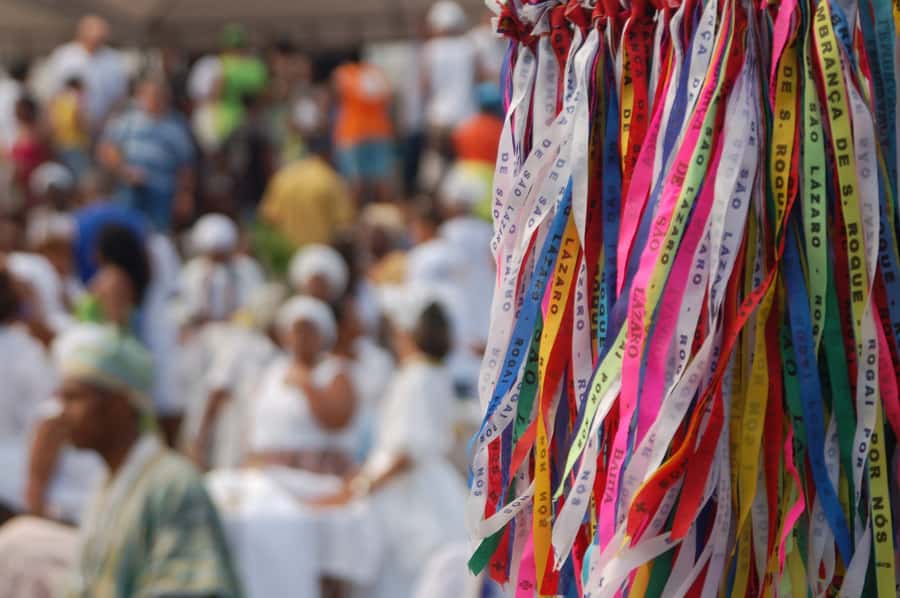
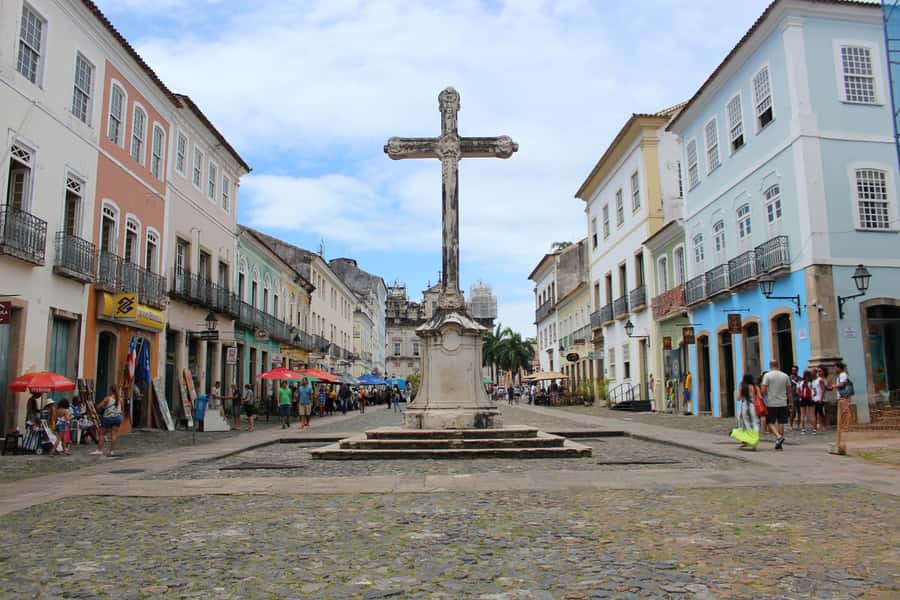
As you keep walking through the center, you reach the Cross of Sao Francisco, and it becomes a staging point for community history. Here the focus shifts to the birth in the 19th century of a men’s organization whose aim was to support the black community of Salvador in the struggle for liberation. It’s history with a purpose, and you’ll feel that the story is about people organizing, not just surviving.
This is also where cultural forms get framed as tools of identity and resistance. The tour connects the dots between heritage and public life, bringing in samba and capoeira dances as key parts of African cultural influence. Even if you don’t consider yourself a dancer, the guide’s explanations help you understand why the rhythms stick in your memory.
When capoeira and samba come up, I like that you get more than a quick mention. You’re encouraged to pay attention to the energy and timing behind the movement, because that rhythm is part of the meaning. In a city where culture often shows up as performance, this is the difference between watching something and understanding why it exists.
One more practical note: expect this portion to feel like it’s building toward an emotional finish. Since the tour ends at the Cross of San Francisco, you’re effectively closing your loop on a place that already carries weight.
Olodum and Escola do Olodum: Carnival as culture and education
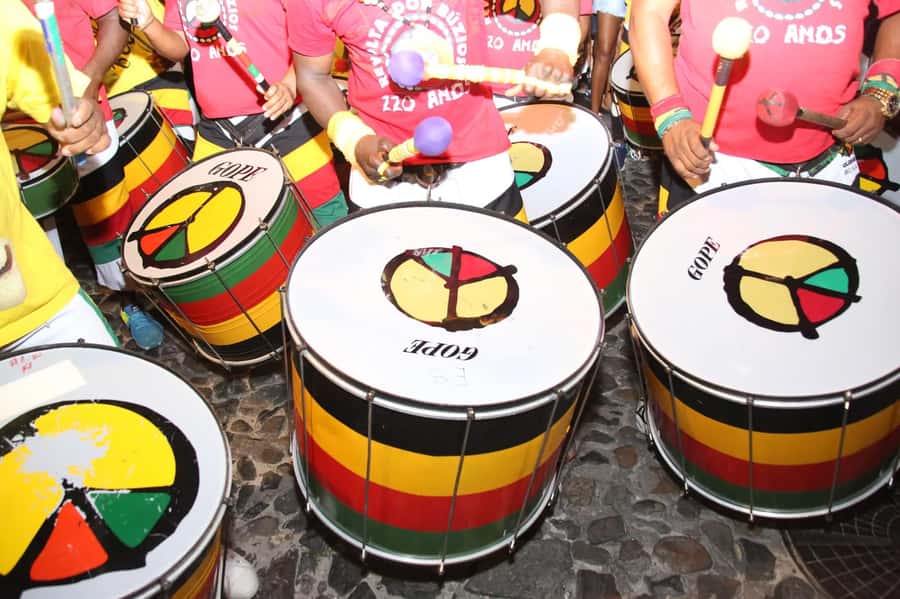
Next comes Olodum, and specifically Escola do Olodum, described as a cultural and educational center of African descent. This stop is valuable because it shows that heritage is not only something you watch during festivals. It’s also something taught, organized, and passed down through institutions.
Carnival is a major theme here, but the tour nudges you to look beyond costumes and street noise. You’ll learn why Carnival in Salvador matters as a cultural engine, and how African-descended traditions shaped what the city celebrates and how it celebrates it. That context makes it easier to connect the dots when you’re later seeing rehearsals, parades, or community events.
If you’re the kind of person who wants your travel memories to have a why behind them, this is the part that usually delivers. The tour gives you a framework for understanding how music, community, and education reinforce each other.
Practical tip: if you visit Salvador with Carnival on your mind, consider keeping some notes during this stop. The guide’s explanation can help you interpret what you’ll later hear and see, instead of treating it as noise you just happened to be near.
More days in Salvador:
- Tour to the Frades Islands and Itaparica, from Salvador – Ba
★ 4.0 · 130 reviews - Transfer Salvador Airport / Hotel Litoral Norte
★ 5.0 · 111 reviews - Private City Tour in Salvador
★ 5.0 · 110 reviews - From Salvador: Schooner Tour to Frades Islands and Itaparica
★ 3.9 · 98 reviews
Afro-Brazilian Mass: the spiritual thread in the heritage story
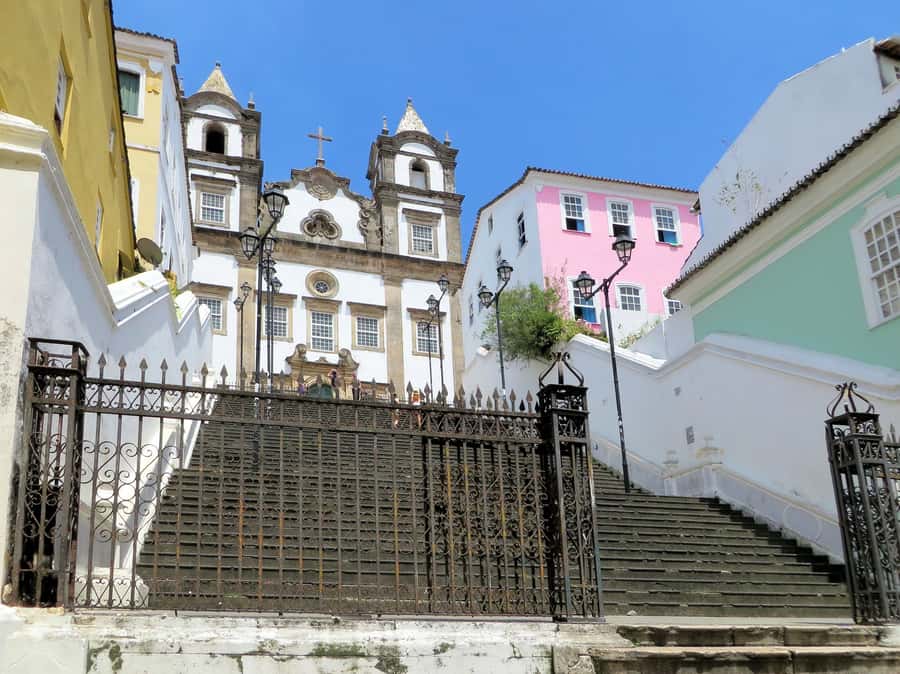
The highlights for this experience include Afro-Brazilian Mass, which signals that the tour doesn’t keep culture in one box. You’re not only focused on music and dance. You’re also shown that faith and ritual traditions can reflect African influence and community life in Brazil.
Because the information provided here doesn’t list a specific church or show a detailed step-by-step ritual, I treat this as a theme-based stop or discussion. In practice, that usually means the guide explains the social and cultural role of these services, how traditions mix, and how community identity can show up through religion.
For me, this matters because it prevents a common travel mistake. It’s easy to reduce heritage to performances only. Afro-Brazilian Mass inclusion nudges you to see religion as another pathway where memory, meaning, and survival can live side by side.
If you have questions about religious syncretism, ask them here. A private guided format is ideal for getting clarity without feeling rushed.
What makes the guides shine, and how to get more from your 3-hour walk
The strongest praise connected to this tour centers on the guide experience. Guides such as Eduardo are described as having deep context across local and Brazilian history, while Sayuri is noted for being patient, respectful, and willing to tailor the tour based on what you want to focus on. Other guides, including Aldison, Adilson, Nilza, Facundo, and Carlos, also come through as approachable and friendly, with an emphasis on making the walk feel like you’re learning with someone, not being processed through a script.
Here’s how you can use that to your advantage. Start the tour by stating two priorities. For example, you could say you want the clearest explanation of the transition from colonial rule to community resistance, and you also want to understand how Olodum connects education to Carnival.
Also, don’t be shy about sensitive topics. Some guides handle difficult history with care, and that’s exactly where a good guide can earn their pay. I’d rather have an honest, respectful explanation than a softened story that leaves you confused later.
The main drawback to watch is pacing and expectation. This is a walking tour with fixed stops. If you expect long museum-style durations, you might feel the time is tight. A couple of people have pointed out that some aspects can feel short depending on how the guide works and how long you spend at each site. So go into it aiming for perspective and context, not maximum sightseeing bulk.
Value for your time: when this tour fits best
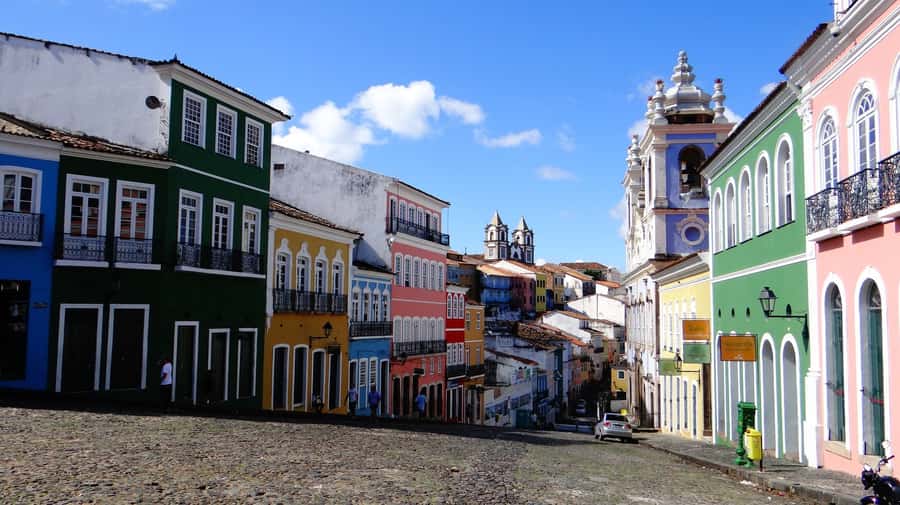
This experience makes the most sense if you’re in Salvador for a few days and you want one focused afternoon that gives you a backbone for the rest of your trip. The stop sequence covers colonial context, community liberation, living music traditions, and an educational angle on Carnival. That combination is rare in a 3-hour format.
It’s also a good fit if you prefer authentic learning over surface-level photo stops. The tour encourages interaction, and the private group format makes it easier to ask follow-up questions. If you’re someone who reads quickly and then wants a guide to turn the reading into a real sense of place, this works well.
On the other hand, if your idea of value is purely paid-entry attractions or long indoor time, you may find the balance doesn’t match your style. The tour is about meaning and interpretation, not about checking boxes.
In terms of fairness, I think the value is strongest when you treat the guide as part of the product. If you actively engage, you’ll likely leave with a clearer picture of Salvador’s African heritage and how it shows up in everyday spaces.
How to plan your afternoon around a 2 pm, 3-hour route
Because you start at 2 pm, I suggest you build your schedule so you’re not rushing afterward. After three hours of walking and concentrated storytelling, your brain will feel full, even if your feet are fine.
Keep your next meal simple. You’ll want something easy because a tour like this often runs you through topics that are emotionally heavy, even when the guide is tactful and calm. Plan a decompression spot after the tour where you can look at the streets again with fresh context.
Also, bring the right mindset. This is a walk through the center, where bigger monuments and smaller details both matter. If you spend the first ten minutes checking the surroundings and getting your bearings, the route usually feels smoother.
If you know you’ll want to return later for photos, ask your guide at the beginning where the best angles are. A good guide will point out small placement choices that save you time.
Should you book the Salvador de Bahia African Culture Tour?
Book it if you want a guided, historically grounded walk that connects African heritage to Salvador’s public spaces, music traditions, community institutions, and Carnival culture. The private format helps, and guides like Eduardo and Sayuri are a big reason people rate this experience highly for depth, clarity, and respectful tone.
Skip it or reconsider if you mainly want long museum time or you dislike walking tours with tighter durations. This one works best when you’re hungry for context and you like learning as you move.
If your goal is to understand why Salvador feels the way it does, after this 3-hour walk you’ll likely have a better map in your head, not just a set of photos on your phone.
FAQ
Where is the meeting point for the tour?
You meet in front of the Cathedral Basilica of San Salvador, at coordinates -12.972854614257812, -38.50970458984375.
What time does the tour start?
The tour starts at 2 pm.
How long is the experience?
It lasts 3 hours.
What languages is the live guide available in?
The live tour guide speaks Spanish, Portuguese, and English.
Is this a private group tour?
Yes, it is a private group experience.
What are the main stops on the tour?
The tour highlights include Terreiro de Jesus, Cross of Sao Francisco, Olumdum, Escola do Olodum, and Afro-Brazilian Mass.
Can I cancel for a refund?
Yes, you can cancel up to 24 hours in advance for a full refund.
Newest Salvador da Bahia reviews
- Cultural Folkloric Show and Dinner in Salvador★ 4.5 · 15 reviews
- Transfer Vila Galé Marés (Guarajuba) – Private★ 5.0 · 15 reviews
- Tour to Praia do Forte and Guarajuba★ 4.0 · 16 reviews
- Private City Tour of Salvador da Bahia★ 5.0 · 17 reviews
- 3-Hour Private Tour of Salvador Capital Afro-Brazilian★ 5.0 · 17 reviews
- Afro-Brazilian Roots city Tour in Salvador with lunch at Favela★ 5.0 · 17 reviews
- Salvador African Heritage Private City Tour Including Afro Museum★ 4.5 · 18 reviews
- Morro de São Paulo Tour, Leaving Salvador-Bahia.★ 5.0 · 18 reviews
Salvador & Pelourinho, compared.


Salvador City Tour – Discover Brazil’s First Capital En, It, Es
Read our review →
Cooking class in Salvador, an authentic dinning experience
Read our review →
Tour to the Frades Islands and Itaparica, from Salvador – Ba
Read our review →
Transfer Salvador Airport / Hotel Litoral Norte
Read our review →


Tour Praia do Forte and Guarajuba, Leaving Salvador-Bahia.
Read our review →Browse the lists this tour appears in