
Reviewed · BRAZIL
Great Central Gold Mine
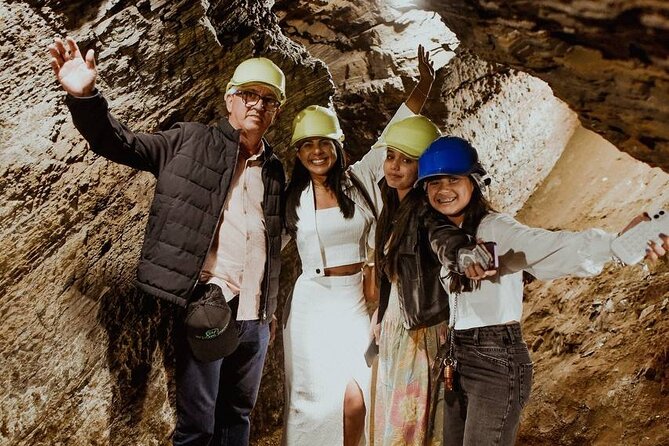
Great Central Gold Mine is interesting because it turns a compact walk into a real lesson in what’s underground and why people cared. You get a guided look at quartz and mineral colors, then you connect those materials to the way the region made art and even church paintings possible.
I especially like the focus on what the materials are, not just where the mine is. I also like how efficient it is, at about 30 minutes, or closer to 40 with the guide. You can see meaningful details without losing half a day.
One thing to consider is the short duration, so you’ll want to show up ready to pay attention. If you want a long, deep technical tour, this one may feel a bit brief.
Key highlights to look for
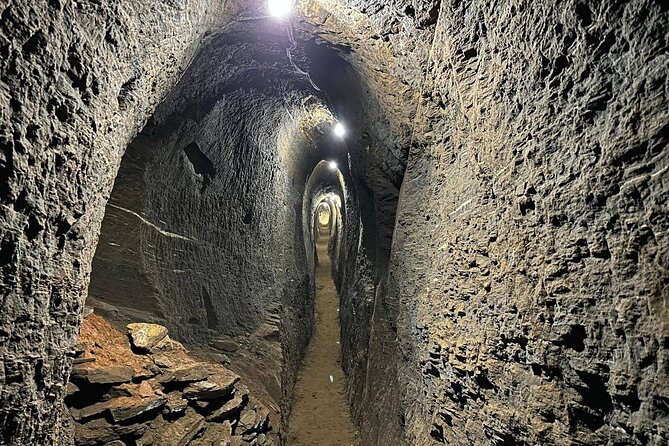
- Quartz and micro gold clues you can visualize during the visit
- Church-paint pigments like ocre yellow, terracotta red, and purple king
- Iron ore spills you can observe right at the mine area in Quadrilátero Ferrífero
- A tight time window around 30 minutes, with some tours closer to 40 with the guide
- Small group limit with up to 42 people, so it stays manageable
Quartz, pigments, and iron ore, all in one stop
This is the kind of tour that works when you want something real, but you also want to keep your day moving. You are in Southeast Brazil, in the Ouro Preto area, and the Great Central Gold Mine visit gives you a guided look at the materials that shaped the region. In about half an hour, you are not just seeing rock. You are learning what people hunted for, what they used, and what else was there at the same time.
The heart of the experience is how visual it is. You are able to see quartz and understand it as the sought material, because quartz here contains micro particles of gold. Instead of treating mining like a vague story, the guide points you to what to look for in the stone itself.
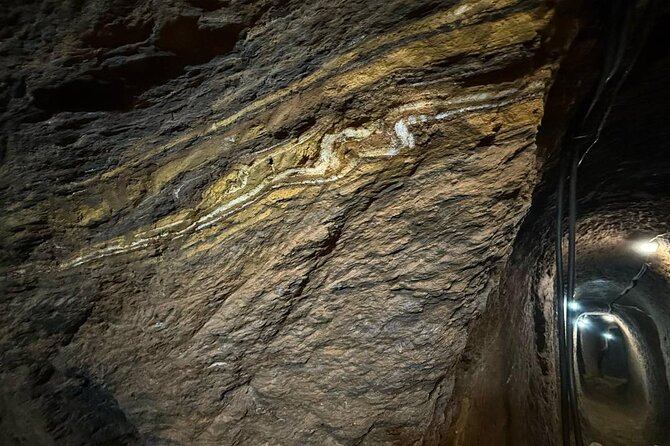
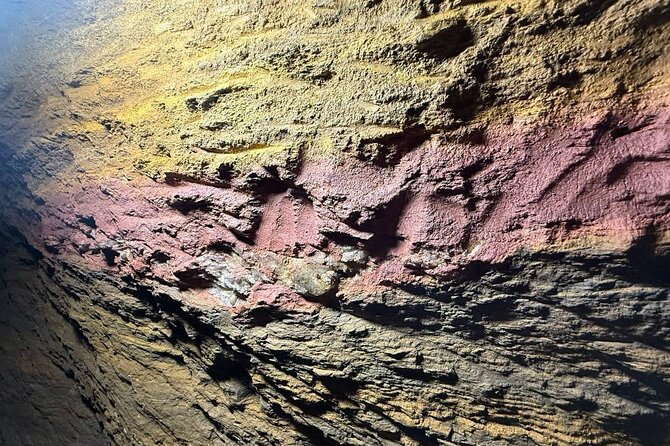
Then the tour adds color. You’ll observe mineral pigments such as ocre yellow, terracotta red, and purple king. These aren’t random minerals for collectors. The tour connects them to what people used for painting churches and monuments. That link makes the colors feel practical, even if you are not an artist.
Finally, you also see iron ore spills. The mine sits in Quadrilátero Ferrífero, Brazil’s largest iron ore reserve. So in one short visit you get gold interest, pigment use, and iron presence, all in the same physical area.
Booked alongside this in Brazil:
- Walking Tour Alleys of Tiradentes
★ 5.0 · 1,685 reviews - Nugali Chocolates Tour – Factory
★ 5.0 · 1,533 reviews - Adventure 4×4 Bombinhas
★ 5.0 · 166 reviews
What you actually do during the visit
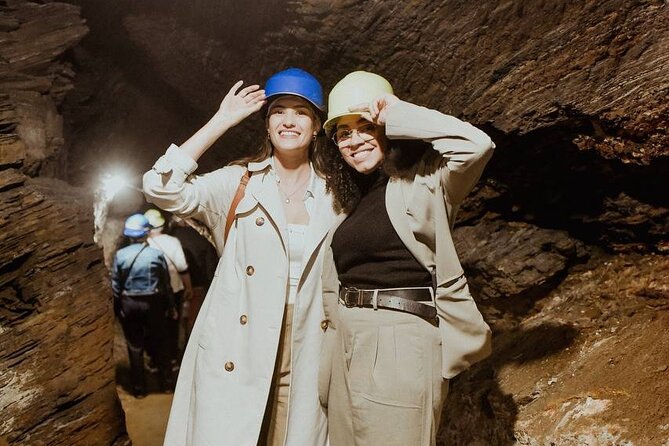
The experience is straightforward: you join the guide, walk through the site area, and spend most of your time looking at the materials the guide points out. The visit averages around 30 minutes, and it can run closer to 40 minutes when you include the guide time.
There isn’t a lot of passive waiting. The tour is built around sightlines: what you can visualize, where the quartz is, and where you can spot the mineral colors. That matters because this is a stop designed for quick learning you can see with your own eyes.
If you’re the type who likes to understand a place fast, this format fits. If you prefer long explanations or hands-on activities, you may want to pair it with another Ouro Preto activity so your day has both quick stops and deeper ones.
Quartz with micro gold: what it means for the story
When the guide shows quartz, the idea is simple but powerful. Quartz is the material that was sought because it held micro particles of gold. In other words, you’re not looking at a huge gold nugget. You’re looking at the kind of deposit where the value is in the invisible scale, and the mining challenge is extracting and processing a material where gold is present in tiny amounts.
Why I think this is worth your time: it helps you understand why mining in Brazil could be so labor intensive and why it became tied to regional industry. You’re not just learning trivia. You are learning the basic logic of what made the mine economically important.
Also, this kind of visual guidance is ideal for first-timers. You might not know where to look, but the tour sets you up with the correct targets: quartz and the material cues that matter.
Mineral pigments for churches and monuments
The mine visit takes a clever turn from geology to culture. You observe mineral pigments including ocre yellow, terracotta red, and purple king. The tour also explains that these pigments were used as raw material in painting churches and monuments.
For you, this means the colors become more than pretty facts. You can start to look at church interiors and exterior details in Ouro Preto and surrounding towns with a new lens. Even if you don’t become a pigment expert, you’ll notice how the region used what it had underground, then turned it into visible art above ground.
Practical tip: if you have a couple of church visits on your itinerary, try to do at least one of them after this mine stop. You’ll connect the dots faster, and your photos will carry more meaning.
Another way to spend a day in Brazil:
- Group Balloon Flight
★ 5.0 · 73 reviews - Transfer from Jeri JJD Airport to Jericoacoara Village
★ 5.0 · 69 reviews - Photo Tour
★ 5.0 · 63 reviews - 4 beaches plus waterfall
★ 5.0 · 54 reviews
Iron ore spills at Quadrilátero Ferrífero
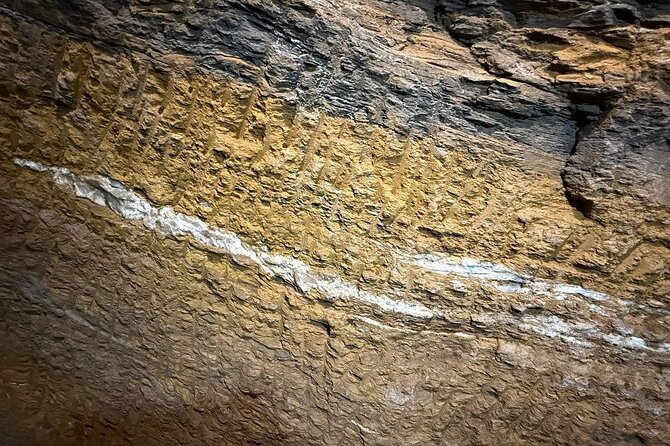
Another highlight is the visibility of iron ore spills. The tour places the mine inside Quadrilátero Ferrífero, which is described as Brazil’s largest iron ore reserve.
That matters because it widens the context. The region isn’t only about gold. It’s part of a larger mineral economy. Seeing iron ore spills helps you understand why the landscape is dotted with mining activity and why industry shaped local life.
If you are the kind of traveler who likes “why this place looks like this,” this part adds that missing piece. Mining leaves marks, and iron is one of the big reasons the area became so mineral-focused.
Timing and pacing, so you don’t waste your day
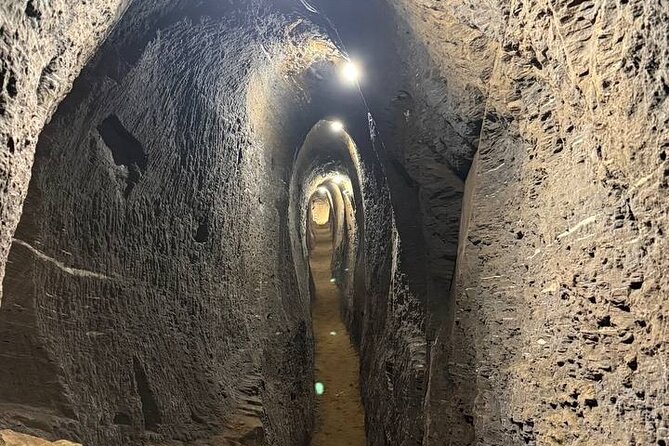
The tour runs during the daily window listed from 9:00 AM to 5:00 PM during the operating dates shown, and it usually lasts about 35 minutes (with the estimate commonly around 30 minutes, or about 40 with the guide).
This is a sweet spot for a half-day plan. You can fit it between museum time and church time without it turning into a long slog. It also helps if your travel day is tight. A short visit is easier to slot into a route around Ouro Preto.
Two practical things I’d do:
- Plan to arrive a few minutes early at the meeting point so you can start on time.
- Wear shoes you’re comfortable walking in, since this is still a mine-site visit with time spent looking and standing.
Where to meet, and why the meeting point is easy to plan around
Meet at R. dos Paulistas, 295 – Ouro Preto, MG, 35400-000, Brazil. The activity ends back at the meeting point, so you don’t have to worry about getting back across town after.
It’s also listed as near public transportation, which is a big deal in a place where routes and parking can be unpredictable. If you’re trying to reduce stress, you’ll appreciate this kind of “start and finish the same place” setup.
Group size and guide attention
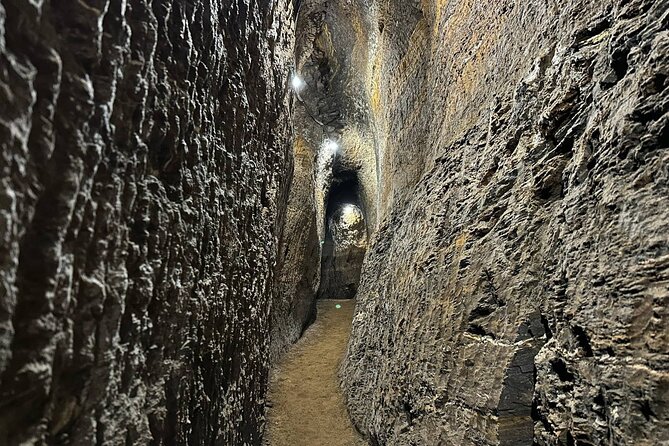
The tour has a maximum of 42 travelers. That’s not tiny, but it’s also not massive. In a situation like this, where your key job is to look at what the guide is pointing out, a cap helps keep the group from turning into a line.
The experience also includes guided time, and one of the standout strengths is the quality of the guidance. The reviews you’re likely to read praise the staff and describe the guide as well-educated, with a welcoming reception and polite service. That combination is what makes a short visit feel complete.
If you want to get the most out of it, listen closely during the material explanations. This tour rewards attention to small cues, especially around quartz and pigment identification.
Price value: why $15.68 can make sense here
At $15.68 per person, this tour is inexpensive by many tourist-measure standards, especially because you get a guided visit tied to real visual materials. The value isn’t in fancy extras. The value is in the direct connection between geology and how people used minerals for real-world purposes.
Also, the time matters. When an activity is short and well guided, you tend to get a better value-per-hour than long tours that eat up your whole day. At around 30 to 40 minutes, it’s easy to stack with other things in Ouro Preto.
One more angle: the tour is described as “most travelers can participate,” and service animals are allowed. That suggests it’s not built around extreme physical demands, which also improves its value for a wider range of travelers.
Who this tour suits best
This is a great match if you:
- Want a quick, structured stop that adds meaning to Ouro Preto’s visual culture
- Like practical explanations tied to things you can see (quartz, pigments, and iron ore cues)
- Prefer efficient tours that do not eat your entire afternoon
It’s also a decent choice if you’re traveling with people who might not want a long itinerary. The visit is short and it stays focused.
If you’re a hardcore geology nerd who expects deep lab-level detail, you might feel like you want more. But for most visitors, the guided, visual approach is exactly what you need.
Booking timing: plan ahead, but don’t panic
On average, it’s booked about 8 days in advance. That suggests it’s popular enough that waiting too long could limit your preferred times.
I’d treat this as a “plan your day, then book” activity. Pick a time window during the daily hours and lock it in so you can build around it.
Quick reality check: what to expect at the site
Expect a guided viewing experience where the main content is visual. You are looking for:
- Quartz and its association with micro particles of gold
- Mineral pigments such as ocre yellow, terracotta red, and purple king
- Iron ore spills in the Quadrilátero Ferrífero context
Expect a short, focused tour rather than a long museum-style lecture. If you bring curiosity and a willingness to watch closely, it pays off.
Should you book Great Central Gold Mine?
Yes, I’d book it if you want a short, high-return learning stop in Ouro Preto. For the money, you get real visual material and a cultural link to pigments used for churches and monuments, plus the broader mineral context of Quadrilátero Ferrífero.
Skip it only if you know you want a long-form, highly technical geology experience, or if you prefer activities with hands-on tools and extended time. For most travelers, this is a smart add-on that makes your other Ouro Preto sights feel more connected, without stealing hours from your day.
FAQ
How long is the Great Central Gold Mine tour?
The visit is approximately 35 minutes. It averages around 30 minutes, and it can be closer to 40 minutes when accompanied by the guide.
How much does it cost?
The price is $15.68 per person.
Where is the meeting point?
You meet at R. dos Paulistas, 295 – Ouro Preto, MG, 35400-000, Brazil, and the activity ends back at the same meeting point.
What are the opening hours?
The tour runs daily from 9:00 AM to 5:00 PM during the listed operating dates.
What can I see during the visit?
You can visualize quartz associated with micro particles of gold, observe mineral pigments like ocre yellow, terracotta red, and purple king, and also see iron ore spills at the mine site.
Is the group size limited?
Yes. The activity has a maximum of 42 travelers.
How far in advance should I book?
On average, it is booked 8 days in advance.
Will I get confirmation after booking?
Yes. Confirmation is received at the time of booking.
Is there free cancellation?
Cancellation is free. You can cancel up to 24 hours in advance for a full refund, and refunds are based on the experience’s local time. Service animals are allowed, and it is near public transportation.
Newest Brazil reviews
- Private Hike Morro – Gamboa with Fonte do Ceu Waterfall★ 5.0 · 23 reviews
- Valparaiso Acqua Park Admission Ticket★ 4.0 · 36 reviews
- Official Ticket: Oceanographic Museum Univali – Piçarras – SC★ 4.5 · 45 reviews
- 4 beaches plus waterfall★ 5.0 · 54 reviews
- Photo Tour★ 5.0 · 63 reviews
- Transfer from Jeri JJD Airport to Jericoacoara Village★ 5.0 · 69 reviews
- Group Balloon Flight★ 5.0 · 73 reviews
- Adventure 4×4 Bombinhas★ 5.0 · 166 reviews