
Reviewed · COOKING CLASSES
Hands-On Cooking Class in Rio: Iconic Street Foods & Caipirinhas
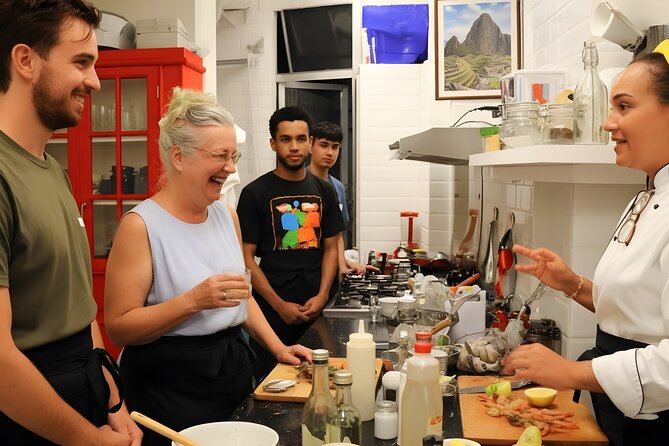
Rio street food has a special energy, and this class turns that energy into something you actually make with your hands. You will learn classic bites and the drink that goes with them, Caipirinha Clássica, in a friendly local home or culinary studio setting.
What I love most is the hands-on format, you cook the snacks instead of just watching. Second, it feels warm and low-pressure, one of the hosts is Raiza, and the whole thing lands like dinner with a friend. A fair heads-up, transfers are not included, so you will want a simple plan to get to Ipanema.
Key Highlights to Know Before You Cook
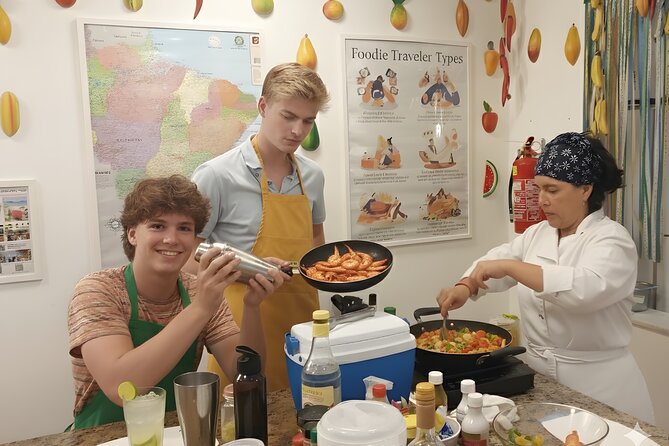
- Max group size of 8, so you get real attention while you cook
- English offered, with mobile ticket convenience
- You make a full street-food lineup, from caipirinhas to fried favorites
- Alcohol included, with virgin versions available for under 18 or non-drinkers
- Recipes provided (printed or digital), so you can repeat the menu at home
A 3-Hour Street-Food Cooking Class in Ipanema (With Raiza)
This is a short, focused experience, about 3 hours. That matters because Rio’s food culture is big, and most people do not want to spend half a day inside. You get enough time to learn techniques, taste as you go, and still leave with a clear sense of what you want to hunt for later on the street.
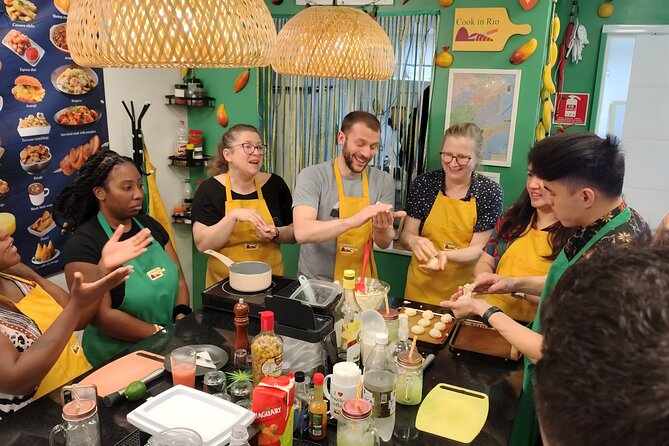
The class runs for a small group, up to 8 people, and it is offered in English. You are not squeezed into a crowded tour group. Instead, it feels like you are part of a real kitchen rhythm, with a host who explains what you are doing and why.
You will likely be cooking in a welcoming local home or culinary studio, and in at least one setup, the class may happen on an outside patio. That can be a plus in Rio, because the vibe matches the food. The possible downside is simple weather reality, so if rain or heat is a concern on your dates, keep a light plan for comfort.
More Cooking Classes in Rio de Janeiro
- Family Cooking Class in Rio Make 9 Brazilian Dishes Together
★ 5.0 · 32 reviews - 3-Hour Brazilian Cooking Class in Rio de Janeiro
★ 5.0 · 30 reviews - Brazilian Cooking Class in Copacabana with Hotel Pickup
★ 5.0 · 8 reviews
Before You Go: What This Experience Actually Includes
Let’s talk about what you get for $85 per person, because the value is not just “you learn recipes.” The class includes the hands-on cooking, a local culinary host, and the full menu of meals and ingredients. Alcoholic drinks are included too, but you can choose virgin versions if you are under 18 or do not drink alcohol.
You also get all ingredients and utensils for the full menu, plus printed or digital recipes. That last part matters more than you think. A lot of cooking classes teach you steps in the moment, then you go home and forget half the details. Here, you leave with a usable reference.
One more practical detail: it is near public transportation, and you do not need special gear or gadgets. The review feedback points to simple ingredients and clever technique, not complicated equipment. For most people, that makes it easier to repeat the results later.
The Class Flow: How Your Menu Comes Together
You start by making a classic drink, then you move through a lineup of Rio street-food staples. Expect a rotation that keeps you busy, tasting, shaping, frying, and learning as you go.
The menu you will cook includes:
- Starter: Caipirinha Clássica
- Main: Bolinho de Feijoada (a deep-fried bite inspired by Brazil’s national stew)
- Main: Fried Sardines
- Main: Pastel (options like carne, queijo, palmito, or mixed)
- Main: Pão de Queijo (chewy cheese puffs made with tapioca flour)
- Main: Fried Cassava
- Main: Coxinha (shredded chicken croquette)
Even if you already know some of these names, you will learn how the pieces fit together. The host explains the role of each ingredient, and you practice the technique so your version has the right texture, crunch, or chew.
Caipirinha Clássica: Starting With the Carioca Classic

Your class begins with Caipirinha Clássica. This is not just a drink you sip at the start. It sets the tone for the whole experience, because you learn the basics of the cocktail and how to balance it.
The value here is that it connects you to Rio beyond the kitchen. Caipirinhas show up everywhere, but people often treat them like a generic vacation cocktail. In a hands-on setting, you get a real sense of how the ingredients behave and why the classics taste the way they do.
If you are under 18 or you do not drink alcohol, you can still join and get virgin versions of the drinks. That keeps the class inclusive without turning it into a separate activity.
Another way to spend a day in Rio de Janeiro:
- Rio de Janeiro: 6-Stop Highlights of Rio with Lunch
★ 4.4 · 5,157 reviews - Christ the Redeemer Entry Ticket by Corcovado Train
★ 4.4 · 4,476 reviews - Rio’s City Tour – Tickets for Christ, Sugar Loaf & Lunch included
★ 5.0 · 4,389 reviews - Full Day: Christ Redeemer, Sugarloaf, City Tour & Barbecue Lunch
★ 4.5 · 3,142 reviews
Bolinho de Feijoada: The Crunchy Lesson in Comfort Food

Next up is Bolinho de Feijoada, described as a deep-fried bite of Brazil’s national stew. This is where the class does something smart: it uses a dish that feels familiar and hearty, then turns it into a street-snack form with a different texture and pace.
One of the biggest lessons you can take from this part is that Brazilian flavor does not always come from exotic ingredients. It often comes from technique, timing, and how flavors build in layers. The fried format also teaches you how texture changes the whole eating experience, not just the taste.
If you tend to think of beans as plain, this is a good moment to reset that idea. The class experience is geared toward helping you respect ingredients through how they transform in food.
Fried Sardines and Pastel: Crunch, Fold, and Fill

You will make fried sardines, another true street-style bite. This is a good pairing with bolinho because it shows you the same general idea, frying, but applied to a different core ingredient. You learn how the crunch works and how fillings or toppings can change what you notice first when you bite in.
Then you move to Pastel de Carne, Queijo, Palmito, or mixed options. Pastel is all about that thin, crispy shell and the contrast of what’s inside. You practice the idea that thin dough plus a hot cooking method equals that satisfying snap. For a lot of people, pastel becomes the snack they start chasing on their own once they realize how achievable it can feel after making it once.
Practical tip for your taste buds: as you go through fried items, keep a little water nearby and slow down between bites. The menu is designed to teach variety, and if you rush, it is harder to remember what changed in each recipe.
Pão de Queijo and Fried Cassava: Chewy and Golden
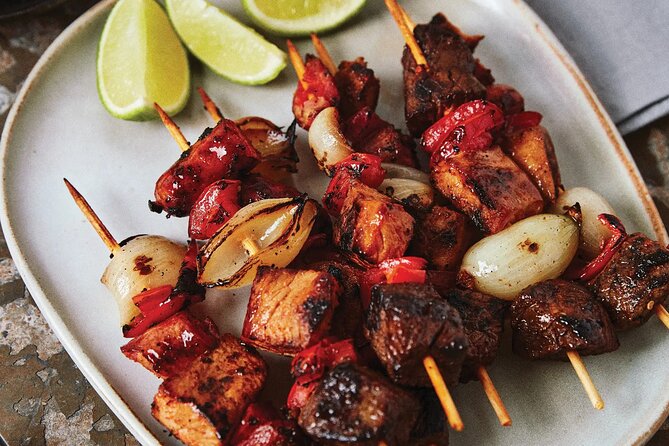
Not everything on your menu is fried in the exact same way, and that’s a win. Pão de Queijo are chewy cheese puffs made with tapioca flour. This teaches a different kind of texture lesson. If you love the stretchy chew from good pão de queijo, this is where the class helps you understand why tapioca matters.
Then you get fried cassava. Cassava has a distinct personality, and once you handle it and cook it yourself, it stops being a vague “Brazilian root” and becomes a snack with a clear eating character.
If you are the type who likes “one new ingredient” per meal, this combo delivers. You are not just tasting, you are building texture awareness.
Coxinha: The Croquette That Explains Brazilian Street Snacks

The final main on your menu is Coxinha, a croquette filled with shredded chicken. Coxinha is popular because it feels portable and comforting. In a class setting, it also becomes a practical test of technique: you are working with shape, filling, and an outside that should hold up during cooking.
This part is where you start understanding how Brazilian street foods are designed for real life. These snacks are meant to travel, sell quickly, and still taste great. When you make it, you stop seeing them as random foods and start recognizing the logic.
Also, you are likely to get cultural insights with each dish, which helps you connect what you make to what you see outside later.
Meals, Tastings, and What You Take Home
Because the class is built around making the whole menu, you will eat during the experience. You are not waiting for the end to find out if it’s worth it. You get to taste as you go, which makes it easier to learn because you can connect each instruction to what you feel and taste.
You also leave with printed or digital recipes. That is huge for value. After a cooking class, the worst outcome is forgetting everything the next day. Recipes let you repeat the caipirinha and at least the basics of each snack when you are back home.
And because the class size is small, you have a better shot at asking direct questions. If you want swaps, timing guidance, or storage tips, the format supports that kind of back-and-forth.
Food Allergies, Alcohol Choices, and Who This Fits Best
This experience can accommodate food allergies or intolerances, as long as you let the team know in advance. That matters because street-food menus can be ingredient-heavy. If you have restrictions, this is one of the more considerate ways to still do a hands-on class without feeling left out.
If you are traveling with someone who does not drink, you also have options. The class includes alcoholic beverages, but it can do virgin versions, and it is set up for people who are under 18 or do not want alcohol.
This is a great pick if:
- You want a first-night or early-trip food experience to get your bearings
- You like cooking and want practical skills, not just stories
- You prefer small-group attention in English
- You want to leave with recipes you can actually use
If your only goal is to walk around Rio’s street markets, this might feel like a different style of experience since the focus stays in one kitchen setting. Still, the trade-off is real: you will come away with competence, not just curiosity.
Price and Value: Is $85 Worth It?
At $85 per person, you are paying for three things: instruction, ingredients and utensils for a full menu, and the included meals plus drinks. Cooking classes can range from “one small demo” to “full meal you build.” This one fits the full-meal style.
You also get recipes, a local host, and cultural context behind the dishes. The small group size, max 8, is part of the value too, because it reduces the “stand and wait” feeling that can happen in larger classes.
One more value signal: the class is commonly booked ahead, about 20 days in advance on average. That often means people feel it is worth planning for.
Should You Book This Rio Street-Food Cooking Class?
Book it if you want to experience Rio through making the food, not just eating it. The combination of hands-on cooking, a menu packed with recognizable street favorites, and a relaxed, chatty kitchen vibe is the sweet spot. The host name you will likely meet, Raiza, shows up in feedback for a reason, the approach feels friendly and not stiff.
Hold off or choose another option if you hate any kind of kitchen work, or if you do not want to handle frying and shaping at all. Also, because transfers are not included, make sure you are comfortable getting to the meeting point in Ipanema on your own.
If you can handle a fun, practical food session, this is one of the better ways to start understanding Brazilian flavors fast and in a way that sticks.
FAQ
How long is the cooking class?
The class lasts about 3 hours.
Where is the meeting point in Rio?
It starts at R. Visc. de Pirajá, 281 – Ipanema, Rio de Janeiro – RJ, 22410-001, Brazil, and it ends back at the meeting point.
Is the class taught in English?
Yes, it is offered in English.
What drinks are included, and can you make non-alcoholic versions?
Alcoholic beverages are included. If you are under 18 or you don’t drink Alcohol, the team can make virgin versions of the drinks.
Can the class accommodate food allergies or intolerances?
Yes. They can accommodate food allergies or intolerances if you let them know in advance.
Is transportation included?
No. Transfers are not included.
Newest Rio de Janeiro reviews
- Two Brothers Hike in Rio de Janeiro At sunrise★ 5.0 · 3 reviews
- Rio Paragliding Experience w/ Brazilian Female Champion video inc★ 5.0 · 3 reviews
- Tour 7 ( 4 hours ) : Tijuca National Park and Favela★ 4.5 · 3 reviews
- Tijuca Forest + Botanical Garden + Lage Park – by Alan Denis★ 5.0 · 3 reviews
- Rio de Janeiro by Yourself with English Driver by private Vehicle★ 5.0 · 3 reviews
- Personalized Tour in Rio. Main Attractions and Cultural Walk.★ 5.0 · 3 reviews
- Museum of Tomorrow – | Round Trip Transfer + 2 Tickets★ 4.5 · 3 reviews
- Stadium Stories & Food: Join a Maracanã stadium tour with a Local★ 3.5 · 3 reviews
Cooking Classes, compared.

Cooking class in Salvador, an authentic dinning experience
Read our review →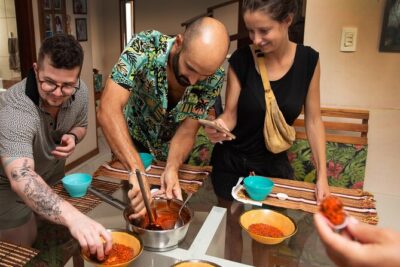
4h Cooking Class in Salvador with 9 Recipes & Bottomless Drinks
Read our review →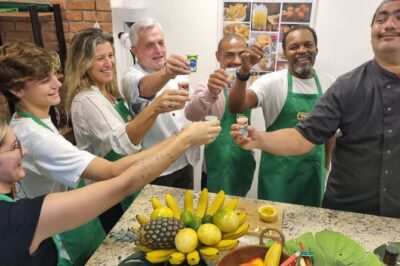
Family Cooking Class in Rio Make 9 Brazilian Dishes Together
Read our review →
3-Hour Brazilian Cooking Class in Rio de Janeiro
Read our review →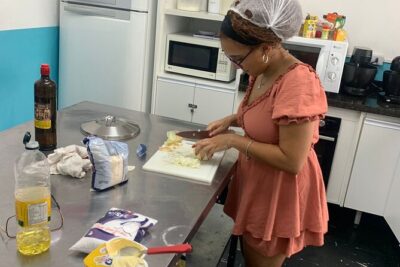
4h Cooking Class in São Paulo with 9 Recipes & Bottomless Drinks
Read our review →
4h Cooking Class in Florianopolis: 8 Recipes & Bottomless Drinks
Read our review →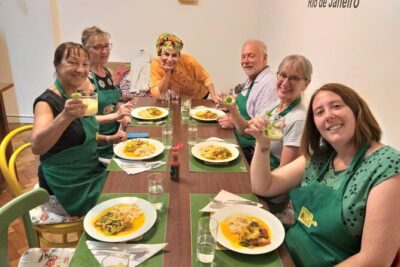
Brazilian Cooking Class in Copacabana with Hotel Pickup
Read our review →
Afro-Bahian Cooking Class Inside a Local Family Home
Read our review →Browse the lists this tour appears in