
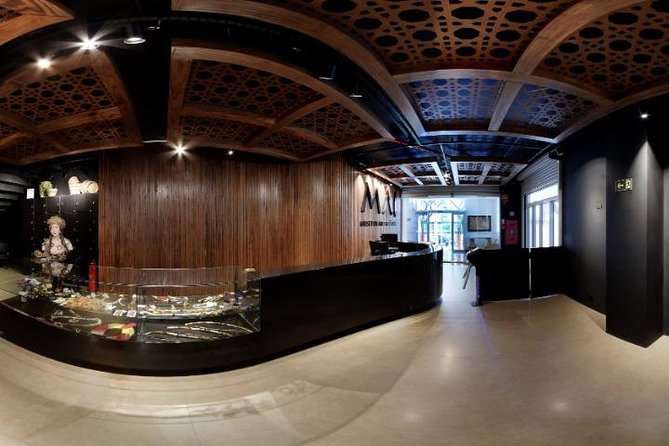
Reviewed · CURITIBA
Ticket MAI – Museum of Indigenous Art – Curitiba
Curitiba’s Museu de Arte Indígena (MAI) is interesting because it treats Indigenous culture as something living, not stuck behind glass. For about 1 hour 30 minutes, you get a museum visit built around objects, plus interpretation that uses more than just your eyes.
I especially like the way the collection is organized by craft and use, like Feather Art, Ceramics, Basketwork, and Ritual Masks. I also love the extra interpretation you get on-site, with printed wall texts and QR codes that give you context without forcing a rigid tour script.
One possible drawback to consider: if you expected a real-time spoken Portuguese guide, that might not match what’s provided. The museum’s explanation points to written guides, printed info, and QR codes, and one past visitor also flagged issues like restroom condition and preservation odors.
Key Highlights You Should Know
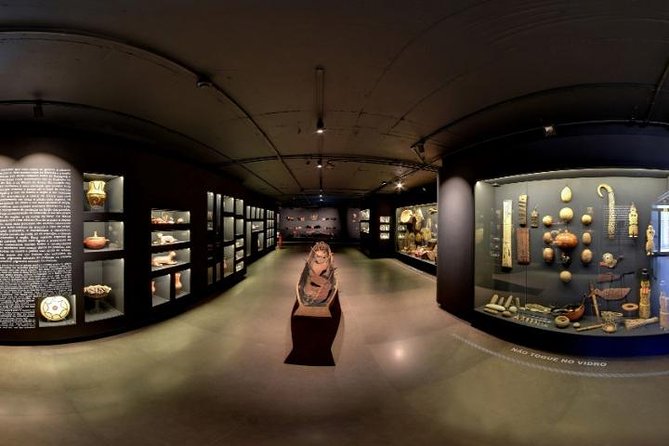
- Object-focused storytelling across multiple categories like musical instruments, adornments, and utility objects
- Three floors to explore, with video rooms tied to the pieces
- Written interpretation + QR codes, not a guaranteed live guide experience
- Sensory elements linked to sounds, aromas, and taste as part of the visit
- Low cost for the time, with admission included in your ticket
- A live-collection approach, which can mean you might notice preservation smells
Step Into MAI’s Indigenous Art World, Curitiba Edition

If you want a museum stop in Curitiba that feels less like a quick photo sweep and more like a focused cultural encounter, MAI is a strong pick. It’s not trying to impress you with size or marble stairs. It’s trying to help you understand what Indigenous Brazilian art looks like when you see it as part of daily life, ceremony, and identity.
Your visit centers on a curated route through the museum, supported by interpretation that’s designed to feel hands-on. Even the way it’s described points to more than visual displays, with sounds, aromas, and palates (taste) connected to the broader Indigenous universe. That matters, because it pushes you beyond “What is this?” into “Why does this matter?”
This is also the kind of place where the vibe is serious, but not heavy. One review described the experience as surprising and intense in a good way. Another mentioned the presentation being short and clear, with plenty to see across multiple floors. In other words, you can treat it as a calm reset during a travel day.
More of Curitiba:
- Bar-hopping and Food Tour in Curitiba
★ 5.0 · 295 reviews - Full-day tour in Curitiba
★ 5.0 · 50 reviews - Morretes: Full Day Colonial Town Tour from Curitiba
★ 4.4 · 36 reviews
What You’ll See: Feather Art, Masks, Musical Instruments, and More
MAI is organized around categories that help you learn by looking at craft and function. Instead of treating objects as disconnected artifacts, you’ll move through themed spaces that cluster related forms and uses.
Here’s what you should expect to encounter:
- Feather Art and other adornment work that often signals role, presence, or ceremony
- Ceramics, where form and material choices carry meaning
- Basketwork, which reflects smart design and practical techniques
- Musical Instruments, tying art to sound and performance
- Ritual Masks, where symbolism plays a central role
- Benches, which can reflect community life and everyday gathering
- Adornments and Utility Objects, where the line between art and everyday use blurs
What I like about this structure is that it guides you to notice details that tourists often skip. When you’re looking at “the thing,” you also start noticing how it’s made and what it’s for. That makes the museum more memorable, even if you only spend the planned 1 hour 30 minutes.
And yes, expect variety. One review highlighted the visit as moving through different rooms and levels, including videos that help connect the pieces to context. Even if you’re not a museum person, the variety in object types makes it easier to stay engaged.
The Sensory Part: Sounds, Aromas, and Taste (What That Means for You)
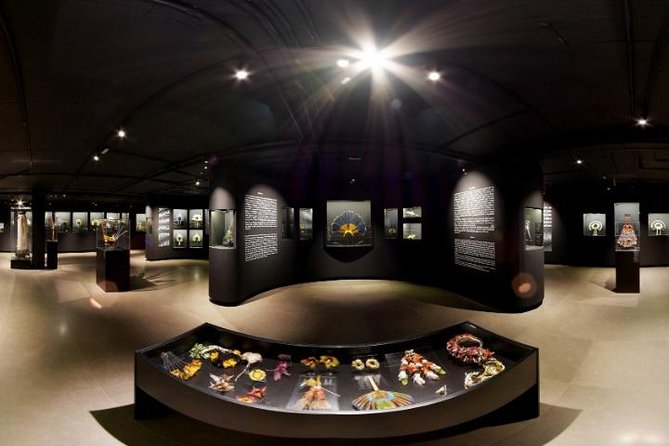
MAI describes the mediated visit as more than a visual tour. It uses sounds and aromas and even includes palates (taste) as part of the experience. That tells you the museum is trying to replicate how culture is encountered, not just how it’s displayed.
So what should you do with that information as a practical traveler?
First, keep your expectations realistic. Sensory elements in museums are usually controlled, short, and tied to specific stations. You’re not going to be walking into a cooking class. But you might notice sound elements and scent elements that connect to the interpretation around objects.
Second, be mindful of smell sensitivity. One administrative response addressed an odor of mold mentioned in a complaint and explained it likely came from preservation products. They also noted the museum works with a living collection, which means preservation needs and smells can be part of reality. If you’re sensitive to odors, consider arriving with that in mind, and give yourself a moment to adjust when you notice strong scents.
Third, treat the taste element as a bonus, not the main event. The core value is still the object-based journey and the context you pick up along the way.
Floors, Video Rooms, and Why the Layout Feels Like a Real Walk
You don’t just get a single gallery line. The museum visit is laid out across three floors, and at least part of the experience includes rooms with videos about the pieces. One review called out that three floors held diverse works and that video rooms were included in the route.
Why does this matter? Because it prevents the classic museum problem of monotony. If you’re doing a stop in Curitiba and you’ve already seen a lot of similar exhibits that feel like white-walled corridors, MAI’s multi-floor layout gives you a natural rhythm break. It also makes the time estimate make sense. You’re looking at objects, then shifting to interpretation, then moving back into more displays.
It’s a good length too. The schedule you’re buying is around 1 hour 30 minutes. That’s long enough to feel satisfied, and short enough that it won’t trap you if you’re on a tight itinerary.
More Museums in Curitiba:
- Combo: Platform Entrance, Abusado Adventure, Ferro Passar Museum
★ 3.5 · 314 reviews - Platform Entrance, Including Iron Museum
★ 3.5 · 226 reviews - Petrópolis Day Trip from Rio de Janeiro including Imperial Museum and Crystal Palace
★ 4.0 · 101 reviews - Petrópolis Day Trip from Rio de Janeiro including Imperial Museum and Crystal Palace
★ 4.0 · 101 reviews
Price and Value: Why $6.40 Can Be a Great Deal
At $6.40 per person, this ticket is priced like a low-cost cultural add-on. But the value is what you get for that cost, not just the number.
You’re paying for:
- admission to the museum experience
- a structured visit length (about 1.5 hours)
- access to a collection presented in categories
- mediated interpretation that uses printed texts and QR codes
- sensory elements tied to sounds, aromas, and taste
A lot of museums in major cities ask for more money and still deliver mostly static viewing. Here, your ticket supports a guided-by-design experience that tries to make you connect objects to culture, customs, rituals, and daily life.
If you’re the type who likes museums but hates wasting time, the price is also a safety net. You can justify the stop even if you’re unsure you’ll love every room, because your time commitment is manageable.
Guidance and Language: Written Info, QR Codes, and Real Expectations
This is the one area where you should be slightly sharper about planning than you might be for other attractions.
One point from the museum’s own coordination response is important: the MAI provides written guides and interpretation through printed wall texts and QR codes. In other words, you should not assume you’ll get a live spoken guide in Portuguese as part of every booking.
So here’s my practical advice:
- If you need a specific language experience beyond what you can read on walls or via QR codes, confirm the format you’re expecting before you go.
- Arrive ready to read. Printed interpretation and QR codes are clearly part of the intended approach.
- If you like learning at your pace, this setup actually suits you well, because you can pause and scan details without feeling rushed.
You’ll also want to know there’s a real person behind how the museum responds. The coordinator identified herself as Samantha Donner and explained the guidance format and care approach for the collection. That matters because it tells you the museum is attentive to issues, even if your individual experience could vary.
Practical Logistics That Make or Break the Visit
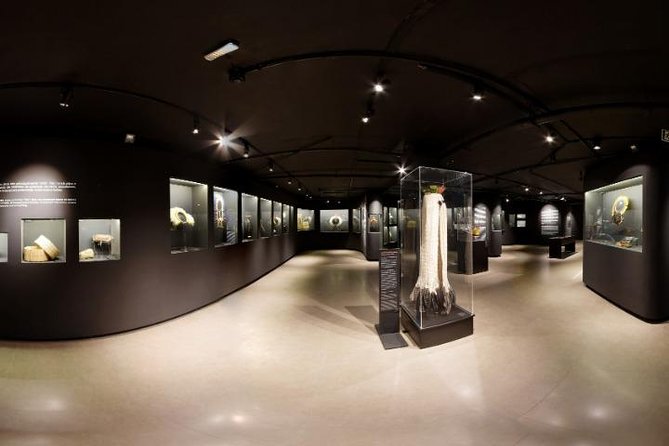
The MAI runs on a straightforward weekday schedule: Monday through Friday, 10:00 AM to 5:30 PM. If you’re planning around this, build in buffer time so you don’t feel stressed about getting there before the museum closes.
It’s also listed as near public transportation, and service animals are allowed, which is useful if you need that kind of access. Most travelers can participate, so it’s not positioned as a specialized, limited-access activity.
Two comfort tips based on what’s been discussed:
- If you’re sensitive to odors, don’t be surprised if preservation products create a strong smell at times.
- If cleanliness is a must, consider doing a quick check when you arrive and adjust your expectations accordingly.
And remember, the visit length is about 1 hour 30 minutes. That’s a sweet spot where you can do it early in your day, then still have time for neighborhoods, local food, or another museum stop.
Who This Museum Is Best For (and Who Might Hesitate)
MAI is a great match if you:
- care about Indigenous culture and want to see art as part of living practice
- enjoy objects, materials, craft, and symbolism
- like interpretation that uses multiple formats, not just plain labels
- want a short museum stop that’s still substantial in content
It might be less ideal if you:
- expected a guaranteed spoken guide in Portuguese as part of the ticket
- get uncomfortable with sensory elements like scent or sound
- need a very “quiet, minimal stimulus” museum environment
Even then, you can still have a good time if you go with the right mindset. This place is built around how culture is presented, not how a traditional lecture tour works.
Quick Checklist Before You Go
Here’s what I’d do to set yourself up for a smooth visit:
- Plan for Monday to Friday, 10:00 to 5:30
- Expect a route that takes about 1 hour 30 minutes
- Bring something to read, even if you plan to rely on QR codes and wall texts
- Wear comfortable shoes, since you’ll be moving across floors
- If you’re odor-sensitive, arrive calmly and give yourself a moment before judging the space
Also, consider booking ahead. It’s described as being booked on average 20 days in advance, so waiting until the last minute could limit your choices.
Should You Book the MAI Ticket?
Yes, you should book it if you’re open to a museum where Indigenous art is treated as craft, culture, and everyday presence. The cost is low for the time, and the experience is built around thoughtful interpretation through printed text and QR codes, plus sensory elements like sounds and aromas.
If you’re very specific about getting a spoken Portuguese guide, I’d be cautious and double-check what your experience includes. And if smell sensitivity or restroom cleanliness is a deal-breaker for you, you’ll want to use your own judgment on arrival.
Overall, this is one of those Curitiba experiences that works well for travelers who want something meaningful without spending half a day doing it. If you’re looking for a short cultural stop that tells you more than you expected, MAI is an easy yes.
FAQ
How long is the Museu de Arte Indígena (MAI) ticket experience?
It’s approximately 1 hour 30 minutes.
What are the opening hours for the museum?
The museum is open Monday through Friday from 10:00 AM to 5:30 PM.
Is admission included with the MAI ticket?
Yes, the admission ticket is included.
Do I receive confirmation after booking?
Yes, confirmation is received at the time of booking.
Can I cancel and get a full refund?
Yes. You can cancel up to 24 hours in advance for a full refund.
Are service animals allowed?
Yes, service animals are allowed.
Newest Curitiba reviews
- Experience the Best of Curitiba: City Tour Highlights★ 4.0 · 24 reviews
- Full-day tour in Curitiba★ 5.0 · 50 reviews
- Bar-hopping and Food Tour in Curitiba★ 5.0 · 295 reviews
- Half-Day Tour of Curitiba City★ 4.1 · 5 reviews
- Morretes: Full Day Colonial Town Tour from Curitiba★ 4.4 · 36 reviews
- From Curitiba: Vila Velha State Park Full-Day Group Tour★ 4.9 · 4 reviews
- Curitiba: 4-Hour City-By-Night Tour with Dinner★ 3.2 · 7 reviews
- Curitiba: A private 4 hour city tour★ 5.0 · 5 reviews
Curitiba, compared.



Morretes: Full Day Colonial Town Tour from Curitiba
Read our review →
Experience the Best of Curitiba: City Tour Highlights
Read our review →



Browse the lists this tour appears in