
Reviewed · HIKING IN RIO DE JANEIRO
Rio de Janeiro: Pedra da Gávea 7-Hour Hike
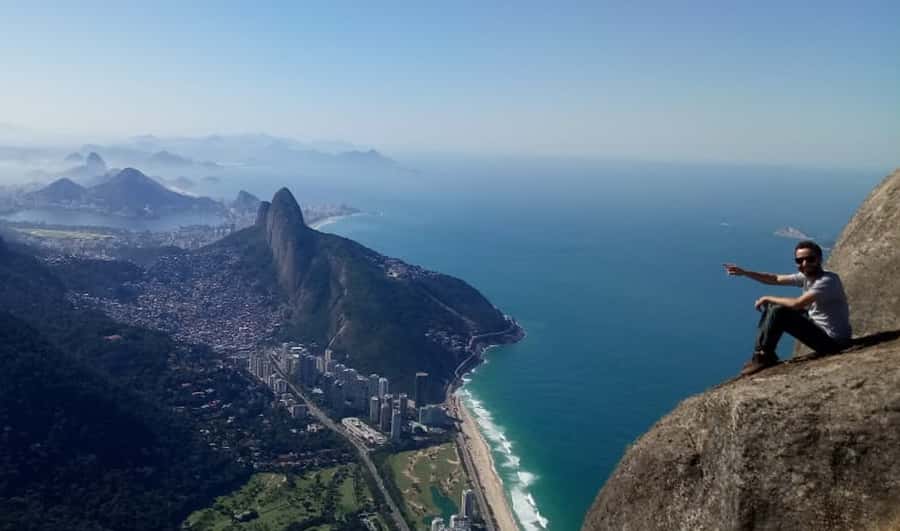
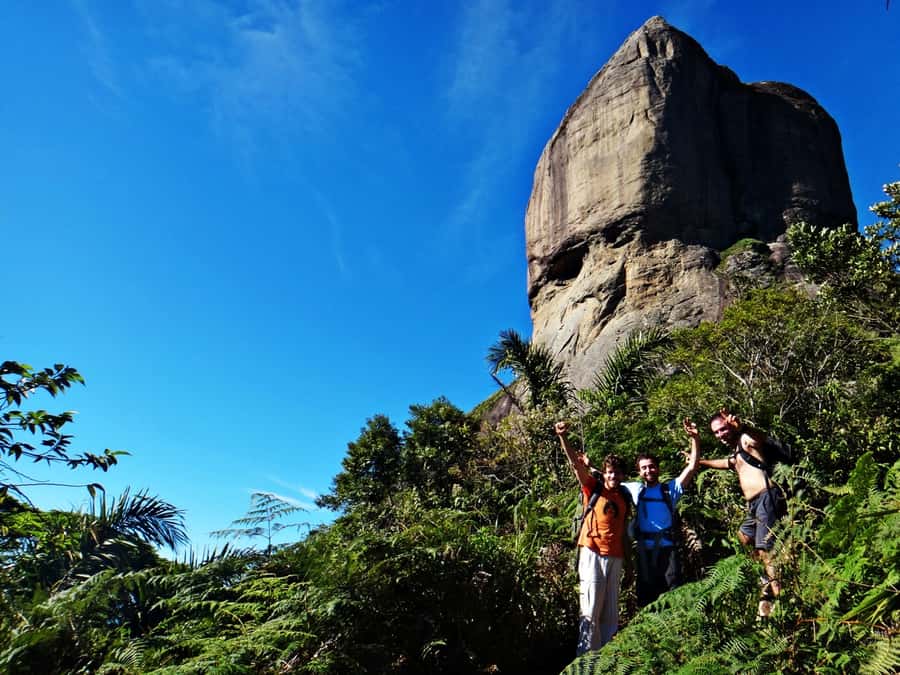
Pedra da Gávea is one of those Rio sights that feels unreal at first: a giant monolith that rises from near sea level straight into the rainforest. This hike mixes tough trails with short rope-assisted climbing, then pays you back with huge views over Rio’s south and west.
I especially like the way the day is run for real safety and real pace. You get certified guides focused on eco adventure, and you also get specialist climbing equipment right in the action. The biggest drawback to plan for is that the route is physically demanding and includes some exposed scrambling, so if heights make you freeze, you’ll want to think twice.
Even with no previous rock climbing experience, you’ll handle a basic climbing section of about 30 meters. Total time on the books is around 8 hours, but the hardest work is concentrated, and a good chunk of the climb is done through shaded rainforest terrain in Tijuca National Park.
Key highlights worth knowing
- Sea-level start, monolith summit, big altitude effort: a tough ascent to around 840 meters.
- Carrasqueira section with safety equipment: rope and guidance during the hardest climbing stretch.
- A real summit pause for photos and views: guides help you get the best angles and keep you moving safely.
- Small group size (up to 6): less waiting, more attention, easier risk management.
- Guides like Eduardo, Lucas, and Sergio: consistent theme, patient coaching plus strong photo skills.
- Totally worth it when clouds cooperate: if the summit is socked in, you may miss some of the view payoff.
Pedra da Gávea, The Sea-Level Monolith That Makes Rio Feel Bigger
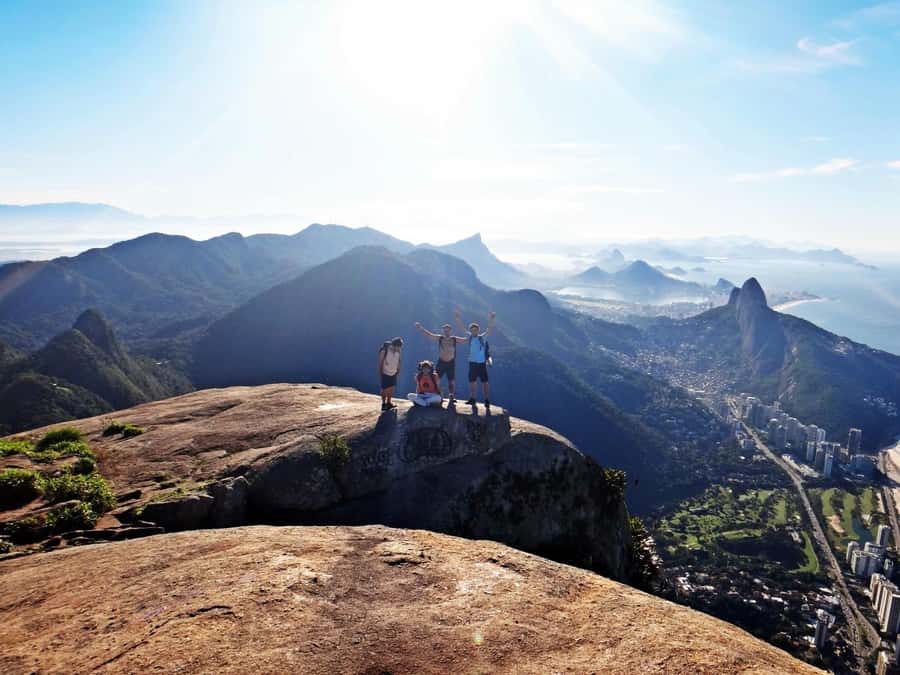
Pedra da Gávea is famous for a reason. The mountain looks close enough to touch from the city, yet it’s brutally physical once you start moving up. The setting is also special in a practical way: you’re not just walking on a paved path with a view at the end. You’re hiking through Tijuca National Park, with changing footing and frequent use of your hands near the climbing parts.
What you’ll like most is the mix of styles. There’s a hiking rhythm, then a technical shift when you hit the Carrasqueira segment. Your guide’s job is to keep that transition smooth, so you don’t feel like you’re suddenly thrown into a climbing gym without instruction. Many people finish saying the day felt like an adventure, not a simple sightseeing walk.
Timing and Energy Reality, What 8 Hours Means in the Field
The tour is listed as an 8-hour experience, but the “work” is not spread out evenly. Expect about 3 hours for the main hike up Pedra da Gávea, starting at sea level and climbing to around 840 meters. After that, the schedule includes time for the Carrasqueira climbing portion, time at the summit for photos and views, then the return down.
Two practical notes help you plan your energy:
- The climbing takes longer than you think, because it’s not just strength. It’s careful steps, handling rope or safety gear, and moving as a group.
- The summit time matters. If clouds clear, you’ll want time to look around and take pictures before heading down.
Also note how pace works. Guides manage safety and timing on the technical sections, so this is not the kind of hike where you can slow down completely and do everything at your own tempo.
More Hiking in Rio de Janeiro
- Rio de Janeiro Tijuca Rainforest Hike with Waterfalls and Caves
★ 5.0 · 1,082 reviews - Explore the Best of Tijuca Forest – Hike to Peaks, Caves & Falls
★ 5.0 · 713 reviews - Rio: Tijuca Forest Small Group Hike to Caves and Waterfalls
★ 4.9 · 536 reviews
Tijuca National Park Ascent, The Shaded Climb That Builds Your Breathing
The hike starts at Estrada Sorimã, 932 in Itanhangá, then heads into the Tijuca rainforest terrain. A lot of the route feels more manageable because parts can be nicely shaded, which matters in Rio’s heat. Still, don’t mistake shade for easy effort. You’ll be climbing continuously, and you’re working uphill at a point where your legs start doing most of the talking.
This section is where good shoes become non-negotiable. The footing can be uneven, slippery when wet, and demanding even when the trail is “just hiking.” If your shoes have weak grip, your confidence drops fast on steep sections.
If you’re athletic, you’ll probably find it challenging but doable. If your fitness is more casual, you’ll still be able to finish, but you should expect to work hard and take the guidance seriously on the trickier spots.
Carrasqueira Segment and Basic Rock Climbing About 30 Meters
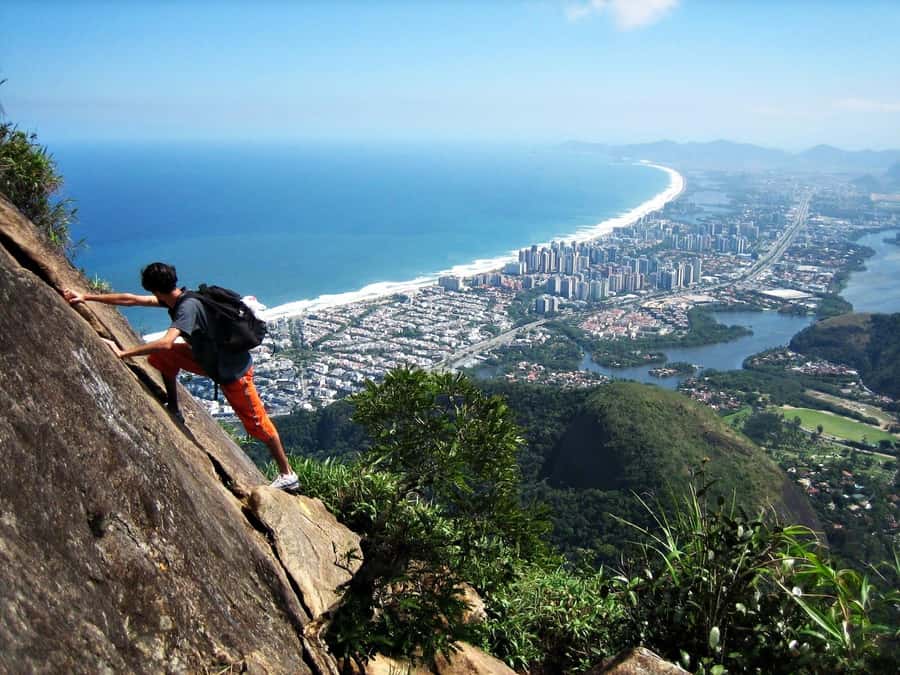
Here’s the part that separates this from a standard hike. The Carrasqueira section includes use of the safety equipment provided by the instructor, plus a basic rock climbing element of around 30 meters. In plain terms, you’ll use your hands, you’ll likely feel your body weight shift over rock, and you’ll be guided on safe moves.
The good news is that you do not need previous rock climbing experience. The guides are set up for instruction, and they control the risk with the gear and coaching. You can also learn a lot just by watching how your guide spots stable points and tells you what to avoid.
The consideration is mental as much as physical. If heights make you uncomfortable, even guided rope work can feel intense. Several people focus on this point clearly: you should not go in expecting it to feel like a casual scramble.
The Summit Payoff, South and West Views Over Rio
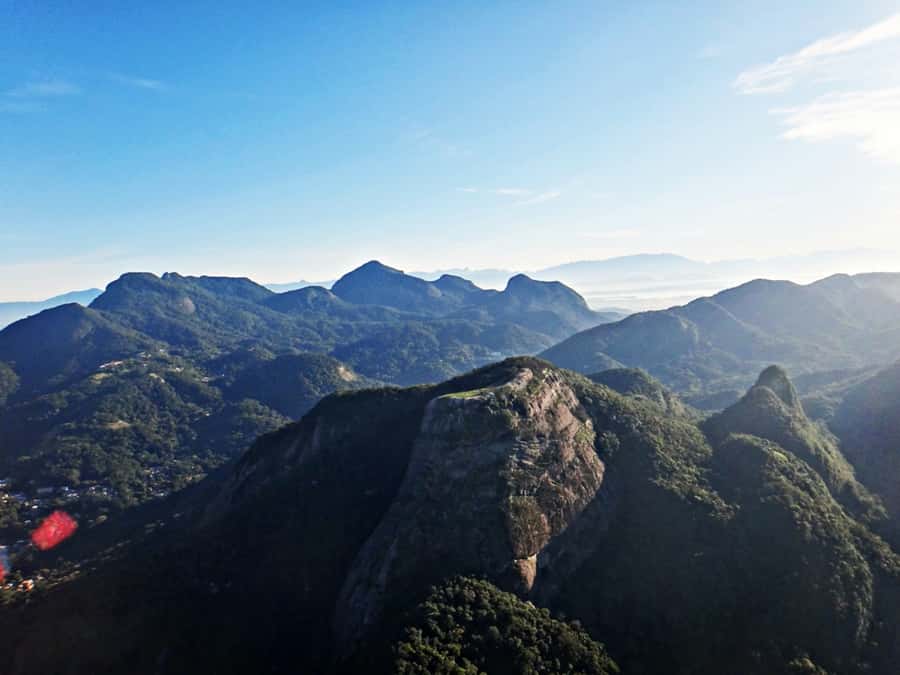
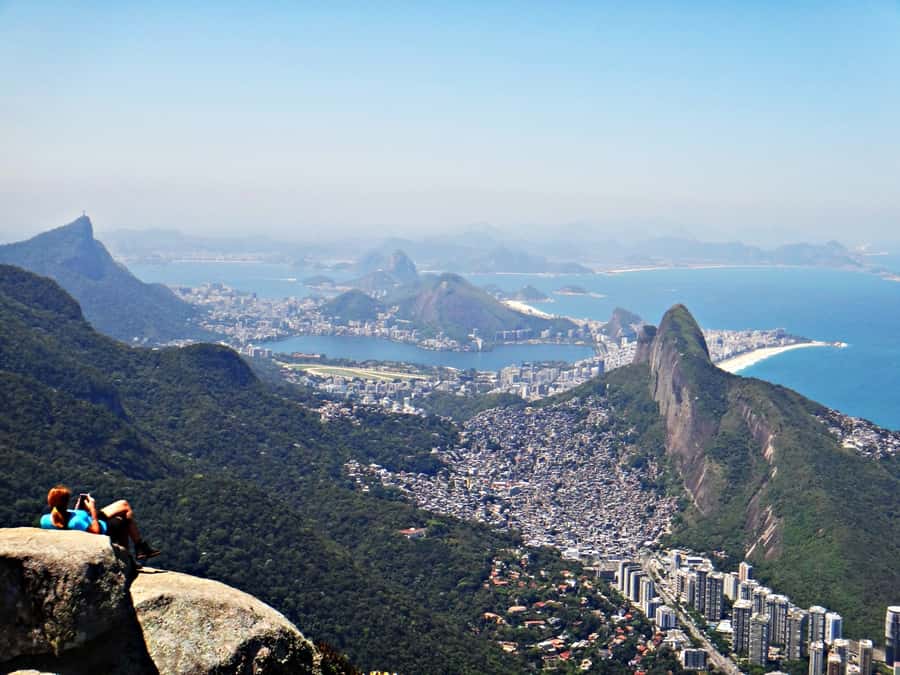
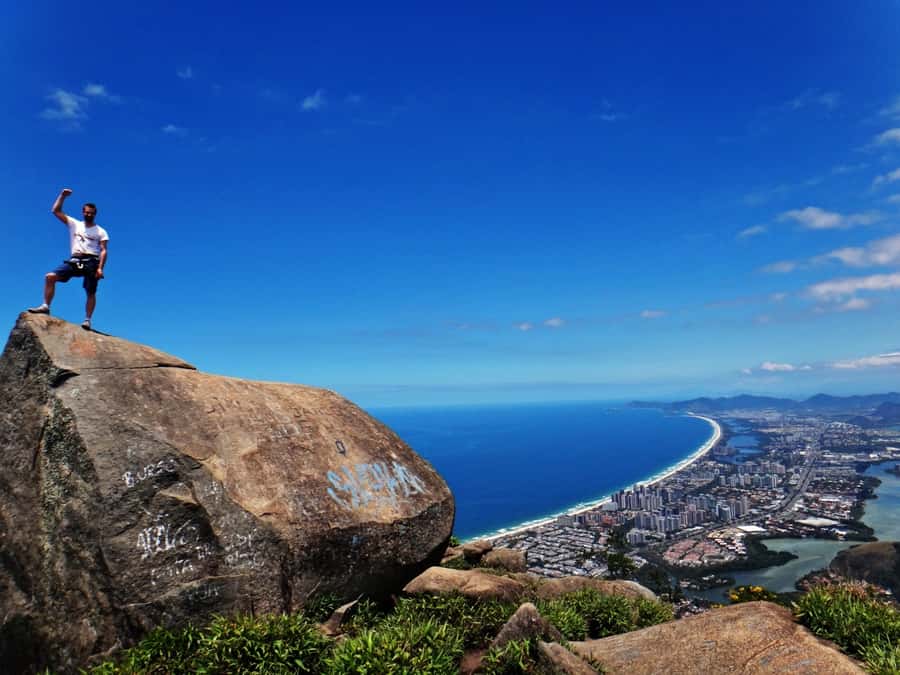
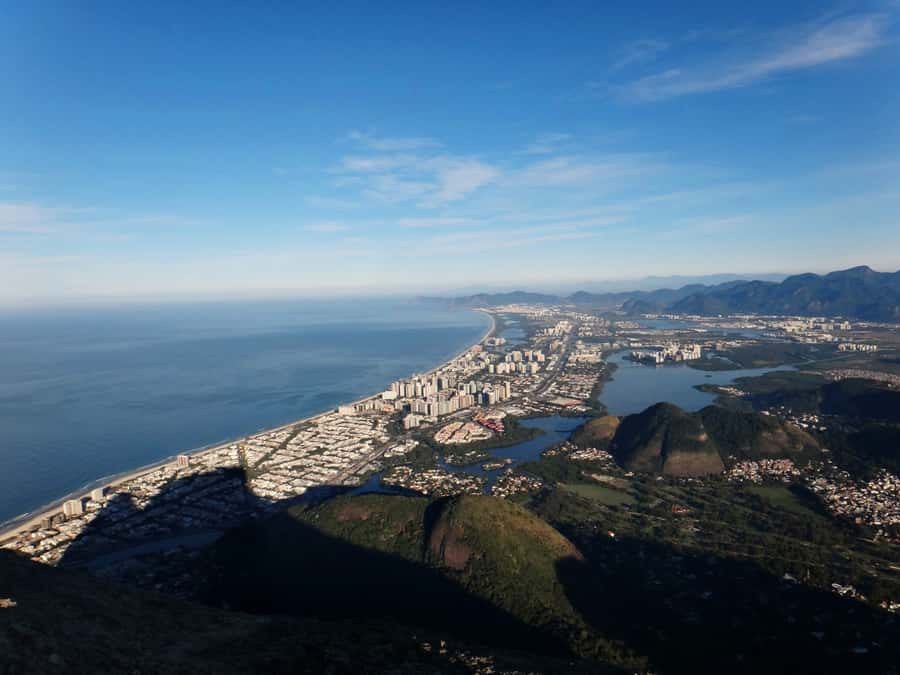
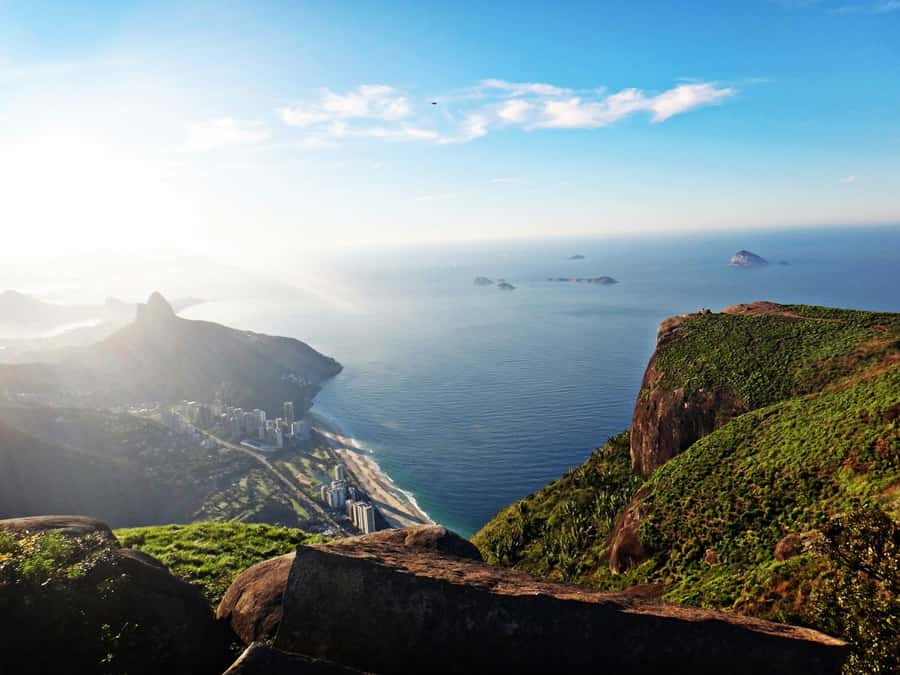
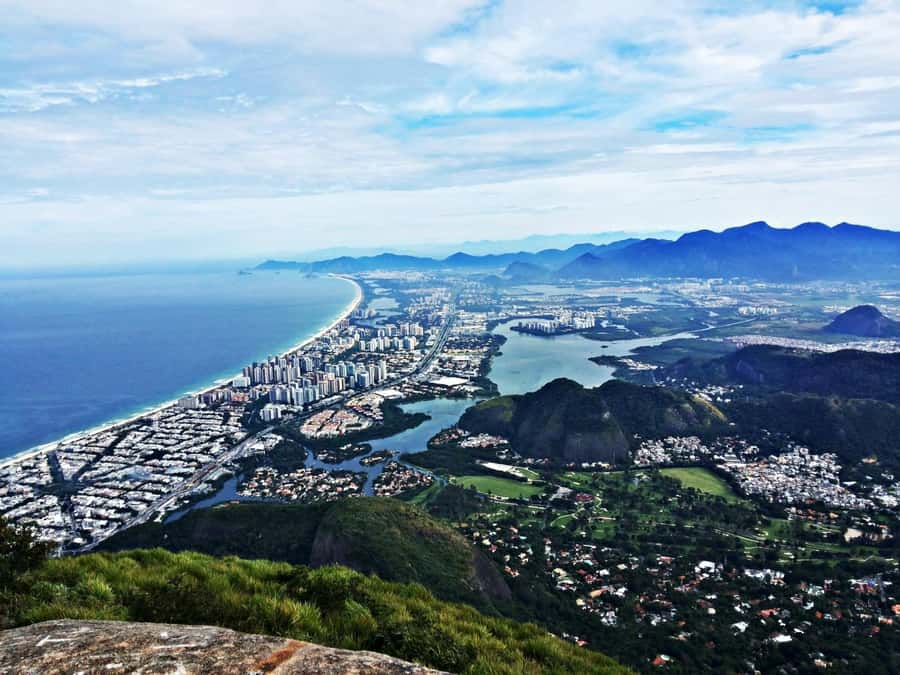
When you pass Carrasqueira and continue toward the summit, you get that moment every climber chases: the view opens, the air changes, and Rio looks massive. From the top, the panoramas cover the south and west areas of the city, which is a big reason this hike is so popular.
I love that the summit payoff is not just one postcard angle. Because the summit sits high and exposes wide perspectives, you can spend time turning in place, finding viewpoints that match what you came to see: coastline views, city geometry, and the way the rainforest wraps around neighborhoods.
Guides also help you get photos without turning the hike into a constant stop-and-start. People often mention that their guides took excellent pictures and even shared photos or videos after the walk. That’s a real value add because you don’t need to keep your phone held up at awkward moments while you’re also trying to stay stable on rock.
Another way to spend a day in Rio de Janeiro:
- Rio de Janeiro: 6-Stop Highlights of Rio with Lunch
★ 4.4 · 5,157 reviews - Christ the Redeemer Entry Ticket by Corcovado Train
★ 4.4 · 4,476 reviews - Rio’s City Tour – Tickets for Christ, Sugar Loaf & Lunch included
★ 5.0 · 4,389 reviews - Full Day: Christ Redeemer, Sugarloaf, City Tour & Barbecue Lunch
★ 4.5 · 3,142 reviews
Guides and Small Group Size, How You Stay Safe and Move Well
This is a small group hike, limited to 6 participants. That’s a practical sweet spot. It’s small enough for attention during the technical sections, and big enough for a lively day with other people to talk to while you climb.
The guide roster matters too. You’ll see names like Eduardo, Lucas, Fernando, Sergio, Ronald Bulha, Thomas, and Jessie tied to the experience, and the common theme is hands-on guidance. Guides explain foot placement, manage the group through the tricky zones, and keep the pace from breaking down during climbing.
One real advantage is how guides respond when something goes a little wrong. A recurring detail is quick reassurance and assistance when minor injuries pop up on the way down. It’s not about drama. It’s about having a guide ready to calmly adjust and support.
Included Gear and What You Should Bring Anyway
What’s included is a guide specialized in eco adventures and climbing equipment for the technical part. That means you aren’t trying to guess what you need for the rope-assisted segment.
What you still bring is what protects you from Rio conditions and basic safety risks. Plan on:
- 3 liters of drinking water per person (seriously, this is not optional)
- Light snacks for energy
- Sunscreen, sunglasses, and a sun hat
- Insect repellent
- Light clothing that won’t trap heat
- Shoes with good grip (and no open-toed shoes)
Also respect the rules that keep the hike smooth. Pets aren’t allowed, and you should avoid oversize luggage or large bags. If you’re packing light, you’ll walk more comfortably and waste less time managing your stuff at the start and during transitions.
Price and Value at About $56, What You’re Really Paying For
At $56 per person, this hike is priced like an activity, not a casual tour. The value comes from the things that cost money and effort: specialist climbing equipment, training that covers eco-adventure guiding, and hands-on coaching during the technical section.
Transport is not included, which matters if you’re staying far from the meeting point. If you’re already in the Itanhangá area or you can get a straightforward ride there, the price feels fair. If you need a long, expensive transfer, it can change the math.
Still, for what you get, $56 feels reasonable. You’re paying for a day that combines a hard hike, a real climbing segment with safety support, and guiding that keeps the group together. And that photo and video help at key moments is a meaningful bonus, since you’re unlikely to capture stable shots while climbing.
Weather, Clouds, and Why You Should Keep Your Expectations Flexible
This activity can be cancelled due to bad weather. That’s a big clue that conditions matter on the rock and in the technical sections. If it’s raining or dangerously wet, rope-assisted climbing becomes more risky, and the guides can’t safely run the route.
Cloud cover also changes the experience. If the summit is socked in, you still get the physical and adventure value, but the big view payoff can be muted. I suggest you plan for the hike itself to be the main event, and treat the view as the best possible bonus.
What Type of Traveler Should Book This Hike (and Who Should Skip)
You should seriously consider this hike if you:
- Want a tough Rio day that goes beyond beaches and cable cars
- Like technical hiking, and you’re okay using hands on rock
- Have decent fitness and stamina for a steep climb
- Want small-group attention and safety gear during the climbing segment
- Appreciate strong guiding, including photo help
You should think twice if you:
- Panic around heights or exposed scrambling
- Want a slow, unstructured pace where you can set your rhythm completely
- Don’t have shoes with reliable grip, or you’re not willing to carry enough water
If you’re athletic and mentally steady, many people find the difficulty manageable. If you’re mainly expecting an easy nature walk, you might feel surprised by the technical parts and the total effort.
Should You Book Pedra da Gávea With S2 Rio?
Book it if you want a signature Rio adventure that mixes rainforest hiking with a short but real climbing challenge, and you want pro support in a small group. The included climbing equipment and the way guides like Eduardo and Lucas handle the hardest moments make this feel like a guided experience, not a DIY risk.
Skip it if your comfort level with heights is low, or if you’re not ready for a steep, sweaty day where the “top view” depends on weather. For the right fit, Pedra da Gávea is the kind of day that sticks, because you’re not just looking at Rio. You’re earning your perspective on it.
FAQ
Where is the meeting point for the hike?
You meet at Estrada Sorimã, 932, Itanhangá, Rio de Janeiro, Estado de Rio de Janeiro.
How long is the hike, and how does that fit into the full day?
The experience is listed for about 8 hours total. The hike portion is approximately 3 hours, with additional time for the Carrasqueira section and the summit, plus time to go back down.
Is previous rock climbing experience required?
No previous experience is required. The route includes some stretches of light climbing and a basic rock climbing section with safety equipment provided by the instructor.
What’s included in the price?
The tour includes a guide specialized in eco adventures and climbing equipment.
What should I bring with me?
Bring at least 3 liters of drinking water per person, light snacks, light clothing, insect repellent, sunglasses, sunscreen, and shoes with good grip.
What footwear is required?
Open-toed shoes are not allowed. You need shoes with good grip for the rocky, steep terrain.
Is private transportation included?
No, private transportation is not included.
What happens if weather is bad?
The activity will be cancelled in the event of bad weather.
Newest Rio de Janeiro reviews
- Maracanã Matchday Tour – Ticket + Guide + Transfer★ 5.0 · 14 reviews
- Private Tour with Churrasco in Vela Catamaran – Velas do Rio★ 5.0 · 14 reviews
- Angra & Ilha Grande From Rio: Boat Tour With Barbecue and Drinks★ 5.0 · 14 reviews
- Half-Day Private Tour:Rio de Janeiro Highlights by Bernard Moraes★ 5.0 · 14 reviews
- Tijuca Forest Adventure★ 4.5 · 14 reviews
- Rio de Janeiro: Join a Fluminense game at Maracanã with locals★ 5.0 · 15 reviews
- Rio de Janeiro: Join a Botafogo soccer game with transport★ 5.0 · 15 reviews
- Christ the Redeemer, Selaron Steps and Santa Teresa Half-day Tour★ 4.5 · 15 reviews
Hiking in Rio de Janeiro, compared.
Rio de Janeiro Tijuca Rainforest Hike with Waterfalls and Caves
Read our review →
Explore the Best of Tijuca Forest – Hike to Peaks, Caves & Falls
Read our review →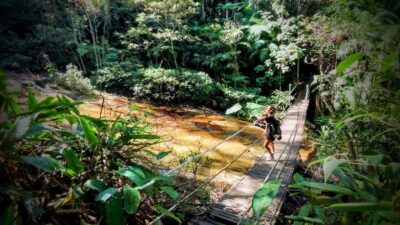
Tijuca Forest Small Group Hike to Caves and Waterfalls
Read our review →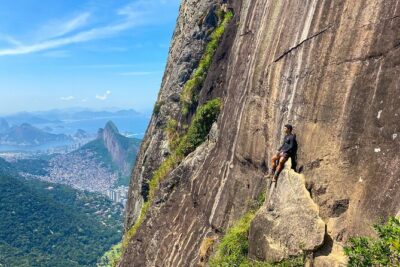
Pedra da Gávea hike, your best experience in Rio
Read our review →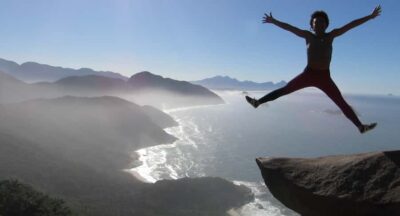
Pedra do Telégrafo Hike and Beach Full-Day Tour
Read our review →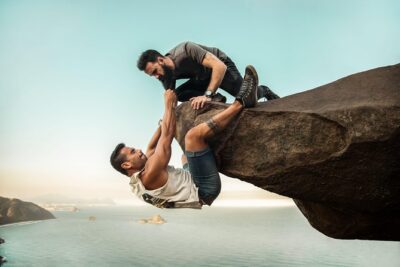
Jeep tour 18 beaches, Telegraph Stone hiking & amazing sunset + photographer
Read our review →
Hiking Tour to Pedra do Telégrafo (Telegraph Rock/Stone)
Read our review →
Browse the lists this tour appears in