
Reviewed · TIJUCA RAINFOREST
Explore the Best of Tijuca Forest – Hike to Peaks, Caves & Falls
Tijuca National Park is what makes Rio feel like more than beaches and sunsets. This 5 hour forest hike trades asphalt for shade, birds, and that sudden feeling you are deep inside a real rainforest right next to the city.
I love the small group size here, because it keeps the pace human and the guide more flexible. I also like the mix of “wow” stops, from Pedra Bonita’s big city views to the Bat Cave and then a quick waterfall break. One thing to consider is that this is not a flat stroll. You will get some uphill climbing, so comfortable shoes matter.
Key highlights you will feel fast
- Small group, max 15 people, so you are not packed in like a bus tour
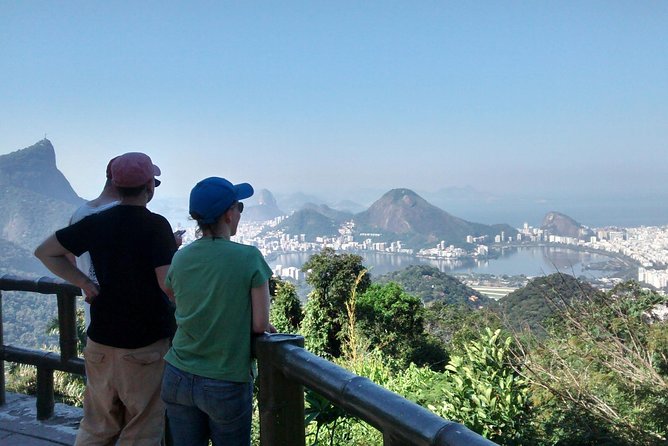
- Pedra Bonita and Vista Chinesa viewpoints, giving you Rio framing shots from the forest edge
- Cave time at the Bat Cave, with a short hike in and a surreal, echoing interior feel
- Waterfall stops that are practical, Cascatinha Taunay and Cascata da Baronesa both set you up for photos and a cool down
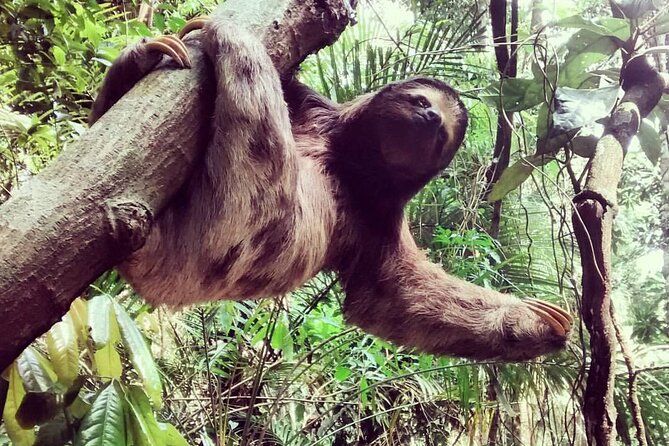
- Wildlife spotting is part of the deal, especially birds, plus occasional snakes and coatis when you slow down and look
Tijuca Forest, but with real Rio viewpoints in the same day
This tour is designed for one sweet goal: you get to see Tijuca National Park as a living ecosystem, not a checklist of random stops. The route threads the rainforest between signature viewpoints, so you keep bouncing between city scale views and the intimacy of forest trails.
The value starts with what is included. You get a professional guide, all fees and taxes, and an air conditioned vehicle to move you between trailheads and lookouts. Even better, the park admissions listed for the stops are free, so you are not paying extra at each gate.
Cost wise, at about $80.44 per person for roughly 5 hours, you are paying mainly for guide time and transport plus the convenience of an organized route. Food is not included, but if you plan a simple lunch or snack before and after, it keeps the trip from feeling overpriced for what you actually do.
More Hiking in Rio de Janeiro
- Rio de Janeiro Tijuca Rainforest Hike with Waterfalls and Caves
★ 5.0 · 1,082 reviews - Rio: Tijuca Forest Small Group Hike to Caves and Waterfalls
★ 4.9 · 536 reviews - Pedra da Gávea hike, your best experience in Rio
★ 5.0 · 476 reviews
Getting picked up and settling into the right pace
Pickup is available from the South Zone, City Center, or Barra. For Carnival dates (Feb 14 to 17 and 21 to 22), pickup in central neighborhoods is not possible, so you will be redirected to a Copacabana pickup and drop off point. It is a small detail, but it can save you stress if you travel around those dates.
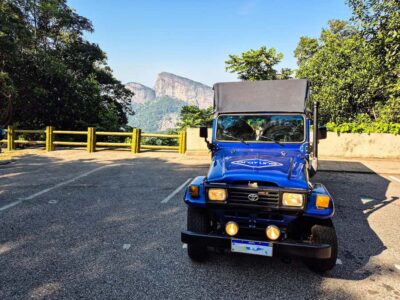
You will be in an air conditioned vehicle, and the itinerary is timed around walking segments and short breaks. In practice, guides often add photo stops and wildlife scan time, and that is usually where the experience feels richer. One catch: if you are sensitive to car motion, the curvy drive through the area can affect you, so plan accordingly.
Stop 1: Pedra Bonita for Rio views before you go full rainforest
Pedra Bonita is one of Tijuca’s big view points, and the design of the first stop is smart. You start with a city scale panorama, then transition into the forest so the contrast feels dramatic rather than random.
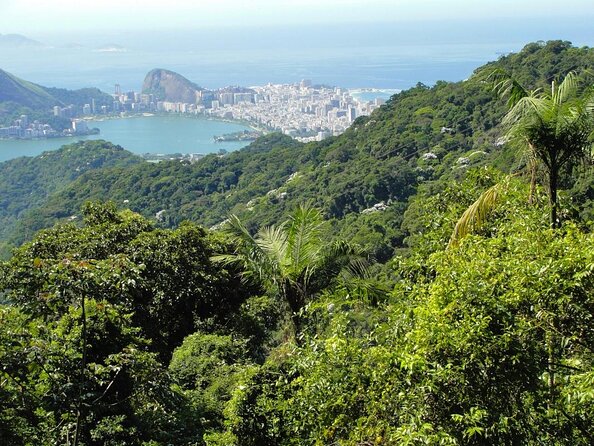
From Pedra Bonita, you can take in Rio’s sprawling coastline and landmarks, including Pedra da Gávea and Christ the Redeemer. The trail is described as easy to moderate, so it works as a warm up instead of a wall.
If the weather is cloudy, the plan may swap Pedra Bonita for another hike with good scenery. That matters because Tijuca is weather dependent. Fog can swallow views fast, so building in a replacement stop is a real benefit.
Possible drawback: you may not see the “big postcard” skyline if the clouds sit low. Bring a flexible mindset, not just your camera.
Stop 2: Parque Nacional da Tijuca for the rainforest core of the day
This is the heart of the tour: walking inside Tijuca National Park on a guided loop that prioritizes the forest feel. The park is known for waterfalls, wildlife, and scenic trails, but what you will notice most is how quickly the environment changes. Shade drops your temperature, the air feels different, and the plants look like they are doing their own thing.
This stop is about 2 hours, which is long enough to actually notice details instead of sprinting between attractions. The guide’s job here is not only to keep you on route, but to help you read what you are seeing: birds moving through canopy edges, plants growing where you did not expect them, and the occasional animal that only appears once you stop rushing.
One thing I suggest: treat this part like a slow walk, not a cardio segment. Your odds of spotting wildlife improve when you slow down and let the guide’s rhythm set yours.
More of the Tijuca forest:
- Rio de Janeiro: Christ, Selaron Steps, and Tijuca Park Tour
★ 4.7 · 857 reviews - Rio de Janeiro: Guided Jeep Tour through Tijuca Rainforest
★ 4.3 · 740 reviews - Jeep Adventure: Guided Tour through Tijuca Rain Forest
★ 4.0 · 554 reviews - Jeep Adventure: Guided Tour through Tijuca Rain Forest
★ 4.0 · 554 reviews
Stop 3: Cascatinha Taunay for the biggest waterfall moment
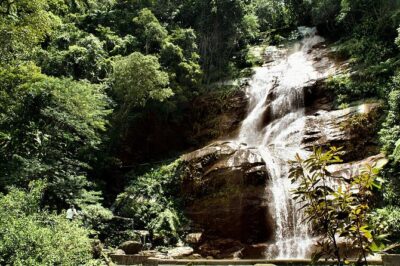
After the main rainforest walk, the itinerary gives you a short, high impact stop at Cascatinha Taunay. It is described as the biggest waterfall in Tijuca National Park and stands about 40 meters tall.
What makes this stop useful is that it is short, but not superficial. You get time to take pictures and time to enjoy the atmosphere. The waterfall drops into a pool, and people often treat this as the moment to rinse off after hiking.
Possible drawback: it is not a long stay. If you are looking for a full nature immersion by the water, this stop is more like a strong breather than a beach day.
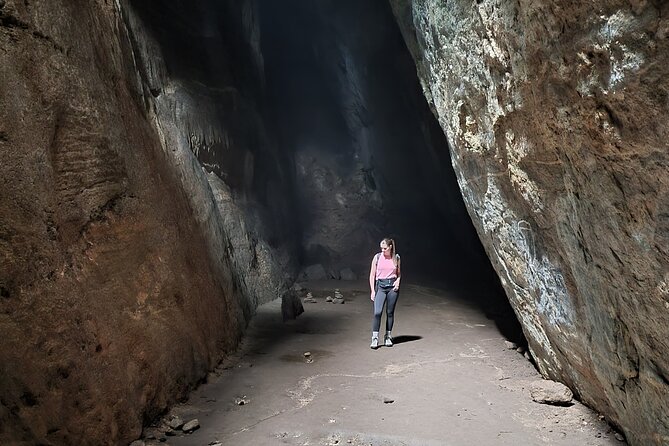
Stop 4: Bat Cave for eerie light and a short cave hike
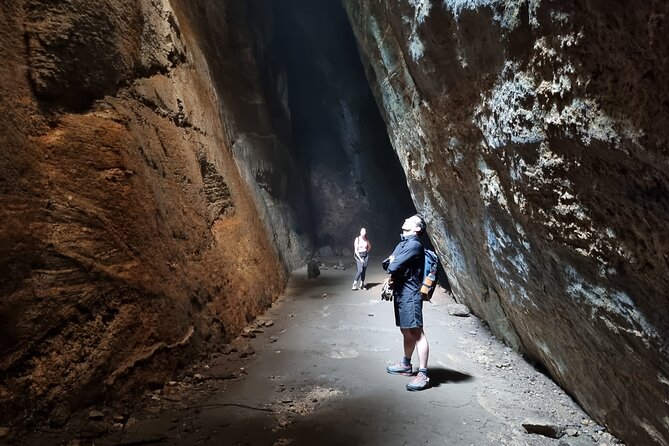
The Bat Cave stop is the one that tends to stick in your memory. The cave is about 40 meters high, and the lighting effect, with light streaming in, creates a surreal feel. The route includes a hike of roughly 20 to 30 minutes to reach it, plus additional walking around the cave area for about 15 minutes.
On the way, the itinerary notes that you may see two other caves. That helps break up the hike so it feels like exploration, not just a direct march.
Inside, the experience is guided by sound and the feeling of being close to something ancient. You hear the trickle of water through rocks and notice echoes as you move. It is also a photo moment, but the best photos come when you pause and let the light do the work.
Practical tip: wear shoes with good grip. Cave access and surrounding paths can be slippery, and you will be moving on uneven ground.
Stop 5: Cascata da Baronesa for a waterfall bath reset
Then you get the payoff for tired legs at Cascata da Baronesa. This is a refreshing waterfall bath stop, about 15 minutes. The idea is simple: after climbs and cave walking, you cool down, reset your muscles, and feel human again.
The time window is short, but water time is often the best kind of break because it does not just rest you, it changes how the day feels. If you plan to swim, you will want a bathing suit ready and easy to change.
A small note: this is not about fancy towels or spa vibes. It is about getting your body cooled down and back to moving.
Stop 6: Vista Chinesa for the big final panorama, with a weekend warning
The day closes with Vista Chinesa, a belvedere in Tijuca National Park known for sweeping views of Rio. From here you can look out over Guanabara Bay, Corcovado, and the Copacabana and Ipanema beach areas framed by forest greenery.
This stop is about 15 minutes, which is enough time to take in the view without turning it into an all day viewpoint marathon. The quiet pause matters because you have been moving. Vista Chinesa gives you the “breathe and look” moment.
One important operational detail: Vista Chinesa is closed on weekends. If your trip falls on a Saturday or Sunday, expect the schedule to adapt based on what is open.
Wildlife spotting: how to actually see birds, coatis, and the rest
Tijuca is where your wildlife expectations need to be realistic. You might see birds easily when the guide calls your attention to movement, and coatis are also on the radar. Snakes are mentioned as possible too, though you should never chase or try to get close.
The guides in this kind of tour style often keep their eyes up for wildlife, and they also slow down when something is worth watching. That is why small group size helps. With fewer people, it is easier to stop without turning the forest into a crowded scene.
Your best move: keep your hands free for your phone or camera, but do not treat wildlife spotting like a photo scavenger hunt. Watch first. Focus on a bird landing, a tail moving through branches, or a coati crossing a path edge. Then take pictures once the animal does something.
The guides make the difference: what you can expect from their style
A big reason this tour scores high is guide energy and communication. In the experiences shared by past participants, names like Dudu, Rodrigo, Eduardo, Renato, Sylvio, Bernardo, Sergio, Daniel, Henrique, and Carolina and Leo show up as standouts.
What tends to repeat across the better experiences is not just facts, it is pacing. Guides help you choose what to focus on, encourage people who are not regular hikers, and frequently help with photos. Some guides also send photos after the tour via WhatsApp, which is a practical bonus when you want a clean shot of the group without doing awkward solo timer gymnastics.
One caution: not every itinerary feels identical on every day. Some people report the day can feel jam packed, and others mention breaks can be slower than expected if the group is large or people are getting stretched time wise. The good news is that a maximum of 15 travelers usually keeps that under control.
What you should pack for Tijuca, caves, and waterfall stops
This is a practical, outdoors day. The standard advice is clear: bring water, wear comfortable clothes, and use trekking or sport shoes. Then add the specifics that make the waterfall stops actually work for you.
I strongly recommend you bring:
- A bathing suit for the waterfall dip moments
- A small towel or quick dry option for after water stops
- Sunscreen because viewpoint time means exposed sun
- A day bag that is easy to carry on hikes
- A change of footwear or at least footwear that can handle wet ground
Also consider a rain layer. The itinerary is weather dependent and can run in rain, but it is still planned as a hike day. If you hate soggy socks, you will appreciate being prepared.
How hard is it, really, for most people?
The tour is positioned as a hike with manageable sections, and Pedra Bonita is described as easy to moderate. Still, Tijuca has uphill sections, and one longer hike segment is noted as mostly uphill in some accounts.
If you can walk on uneven ground and you accept that your heart rate will rise, you should be fine. If you struggle with steep climbs or long walking periods, plan to take breaks and move at the pace your body allows.
The most useful mindset: treat it like a guided walk in layers. Some parts are straightforward. Some parts are “effort for a reason,” like getting to the cave and reaching viewpoint edges.
Weather, trail rules, and why your day might shift
Tijuca can change fast. The itinerary notes it may adjust due to park rules, weather conditions, or group ability.
That is not just a vague promise. The tour explicitly states that for cloudy weather, they can swap Pedra Bonita for another hike. It is also common that one viewpoint could be closed depending on the day. Vista Chinesa closure on weekends is the big one you should plan around.
Bring the attitude of a naturalist. Expect to adapt. When you do, your day still feels like a win.
Price and value: is $80.44 worth a guide and a rainforest day?
For many first time visitors to Rio, the biggest question is simple: will this feel like “worth it” time compared to doing solo sightseeing?
Here is where the pricing works in your favor. At around $80.44, you are buying:
- A guide for the walking segments
- Transport in an air conditioned vehicle
- All fees and taxes for the tour structure
- A route that hits viewpoints, waterfalls, and caves
- Free listed admissions for the stops
Food is not included, so you will either pack a snack or buy something before and after. But the trip is priced like an active half day with real guiding, not like an all inclusive meal package.
If you compare it to paying for a viewpoint entry on your own plus hiring a guide just for the forest, the bundled approach is usually the better deal. You also get the small group advantage, which makes the forest experience feel less chaotic.
Should you book this Tijuca hike to caves and waterfalls?
Book it if you want a nature day that still feels connected to Rio’s iconic views. This is especially good for people who like walking in a forest, want a guided chance at wildlife spotting, and enjoy short “signature moments” like the Bat Cave and waterfall baths.
I would think twice if you are very sensitive to uphill hiking. This day includes climbing, cave walking on uneven terrain, and multiple trail segments. Also note the viewpoint closure on weekends, and remember that weather can affect what you see from high points.
If you like your Rio days with structure but not a sweaty marathon, this hits the sweet spot.
FAQ
How long is the Tijuca Forest hike?
The tour runs about 5 hours on average.
What is included in the price?
It includes a professional guide, all fees and taxes, and an air conditioned vehicle. Food and drinks are not included.
Are park or attraction tickets included?
The admissions listed for the stops are free.
What should I bring with me?
Bring water, comfortable clothes, trekking or sport shoes, a bathing suit, and sunscreen.
Is Vista Chinesa open every day?
Vista Chinesa is closed on weekends.
How many people are in the group?
The tour has a maximum of 15 travelers.
How physically demanding is the hike?
There is some uphill walking, including an easy to moderate trail at Pedra Bonita and a longer rainforest hike segment. You should be comfortable hiking on uneven ground.
Where does pickup happen?
Pickup is offered from the South Zone, City Center, or Barra. During Carnival dates (Feb 14 to 17 and 21 to 22), pickup in central areas is not possible, and you will be redirected to a Copacabana pickup and drop off location.
What if the weather is poor?
This experience requires good weather. If it is canceled due to poor weather, you will be offered a different date or a full refund.
Newest Rio de Janeiro reviews
- Maracanã Matchday Tour – Ticket + Guide + Transfer★ 5.0 · 14 reviews
- Angra & Ilha Grande From Rio: Boat Tour With Barbecue and Drinks★ 5.0 · 14 reviews
- Private Tour with Churrasco in Vela Catamaran – Velas do Rio★ 5.0 · 14 reviews
- Half-Day Private Tour:Rio de Janeiro Highlights by Bernard Moraes★ 5.0 · 14 reviews
- Tijuca Forest Adventure★ 4.5 · 14 reviews
- Rio de Janeiro: Join a Fluminense game at Maracanã with locals★ 5.0 · 15 reviews
- Rio de Janeiro: Join a Botafogo soccer game with transport★ 5.0 · 15 reviews
- Christ the Redeemer, Selaron Steps and Santa Teresa Half-day Tour★ 4.5 · 15 reviews
Tijuca Rainforest, compared.

Rio de Janeiro Tijuca Rainforest Hike with Waterfalls and Caves
Read our review →
Jeep Adventure: Guided Tour through Tijuca Rain Forest
Read our review →Jeep Adventure: Guided Tour through Tijuca Rain Forest
Read our review →
Tijuca Forest Small Group Hike to Caves and Waterfalls
Read our review →
Browse the lists this tour appears in