
Reviewed · FOOTBALL EXPERIENCES
Rio de Janeiro: Flamengo Museum Ticket Entrance
A ticket to the Flamengo Museum in Gávea is interesting because it turns fandom into a structured walk through one club’s transformation, from a sailing club to a football giant. This is a museum built for emotion, not just facts.
I especially like two things: the trophy room spread across four floors, and the club story told through 14 themed sections with technology, interactivity, and big visual moments. It feels designed for your attention, not your curiosity alone.
One possible drawback: the ticket is focused on the museum experience at the headquarters. If you were hoping to also do a tour of the broader Gávea area or stop for food inside, you will need to plan that separately.
Key things to know before you go
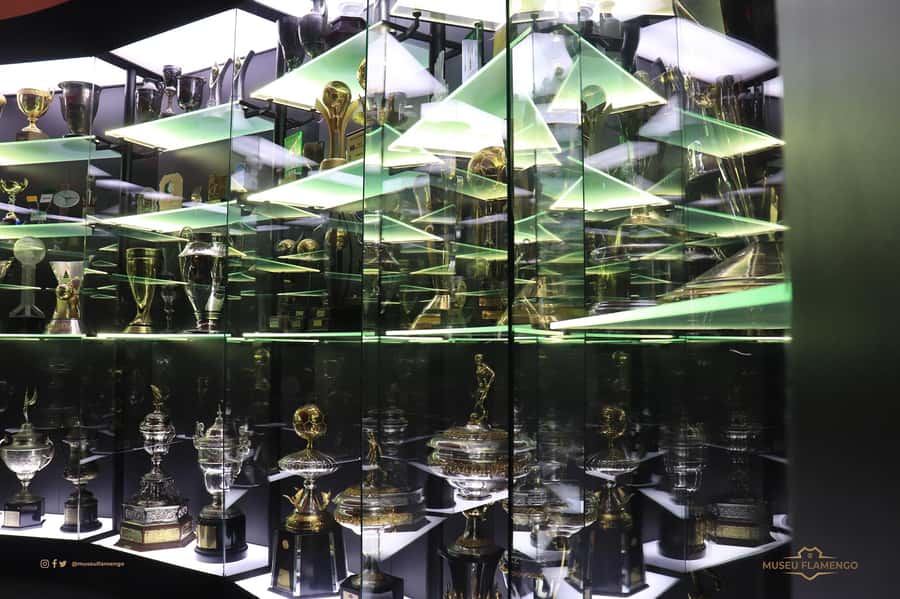
- Four-floor trophy room: you see the club’s achievements in a vertical, staged way.
- 14 themed sections: the exhibits mix screens, sensory settings, and interactive spaces.
- Story starts in 1895: you get the timeline from early sailing days to modern dominance.
- Multi-sport collection: the museum includes idols and historical objects across different sports.
- Digital guide in 3 languages: English, Spanish, and Portuguese are available through the included guide.
- Strict photo and phone rules: no flash photography, and your phone should be silent or in airplane mode.
Flamengo Museum in Gávea: what this visit really feels like
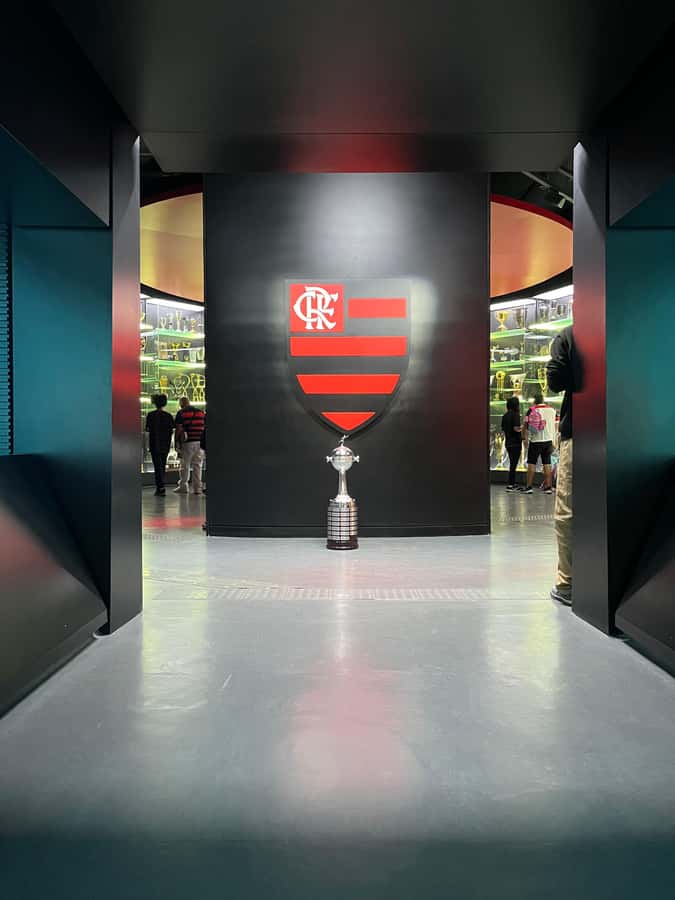
Rio de Janeiro has plenty of museums, but the Flamengo Museum offers a different kind of experience. Instead of treating football as a side subject, this place treats the club itself like the main character. You walk through the identity of Flamengo, the symbols, the turning points, and the moments that built a huge following.
The museum sits at the Clube de Regatas do Flamengo headquarters in Gávea, south of Rio. That matters because it is not a random exhibit in a mall-like building. It is inside the club’s home base, so the context is automatic. Even if you are not a lifelong rubro-negro, you can still follow the storyline through the exhibits, objects, and the way the space is organized.
The best way to think about this ticket is as a one-day culture stop that also scratches a sports itch. You will leave knowing more about Flamengo’s evolution, and you will also have a sense of why the club inspires loyalty that feels personal.
More Football Experiences in Rio de Janeiro
- Football Match in Rio de Janeiro – Guided with Transportation
★ 4.5 · 150 reviews - Football Match in Rio de Janeiro – Guided with Transportation
★ 4.5 · 150 reviews - Rio de Janeiro: Football Game Ticket with Guide and a Drink
★ 4.6 · 124 reviews
Arriving at the headquarters: getting oriented fast
Your meeting point is the club headquarters in the Gávea neighborhood. That’s convenient for planning, because you can structure your day around a clear anchor. You are not guessing where the museum is, or relying on a long walk from a separate attraction.
Once you are inside the museum area, make your life easier by doing two small things early:
- Bring your phone and headphones setup if you like to read with audio, but keep in mind the rules on silence and photography.
- Start with the digital guide right away, so the story keeps the exhibits connected instead of feeling like separate rooms.
Also, plan to have a bit of patience for entry rules. The museum has a specific set of restrictions, and those do not exist just for fun. They help keep the environment controlled.
The trophy room on four floors: the centerpiece payoff
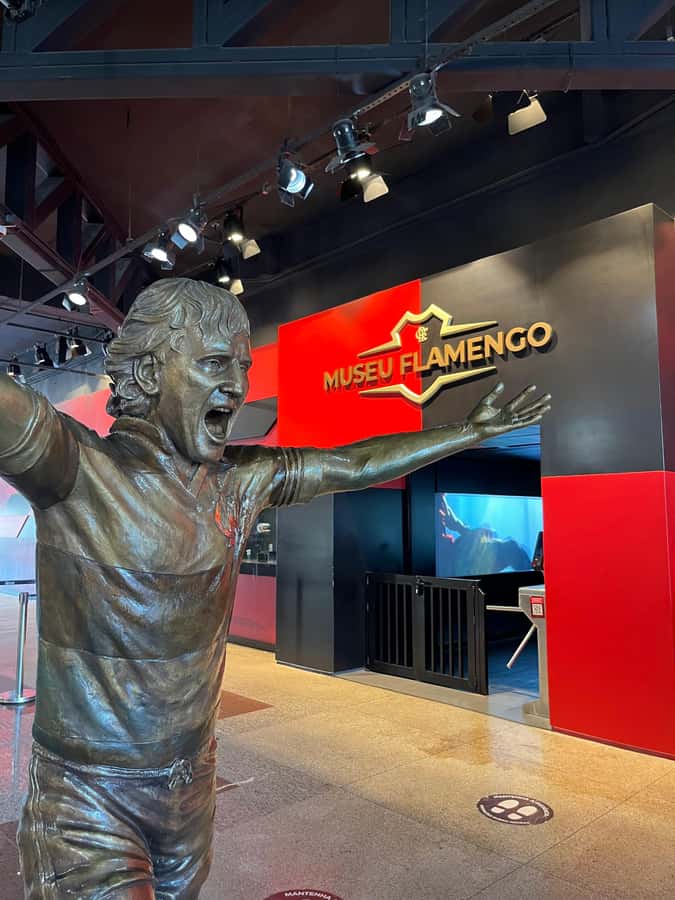
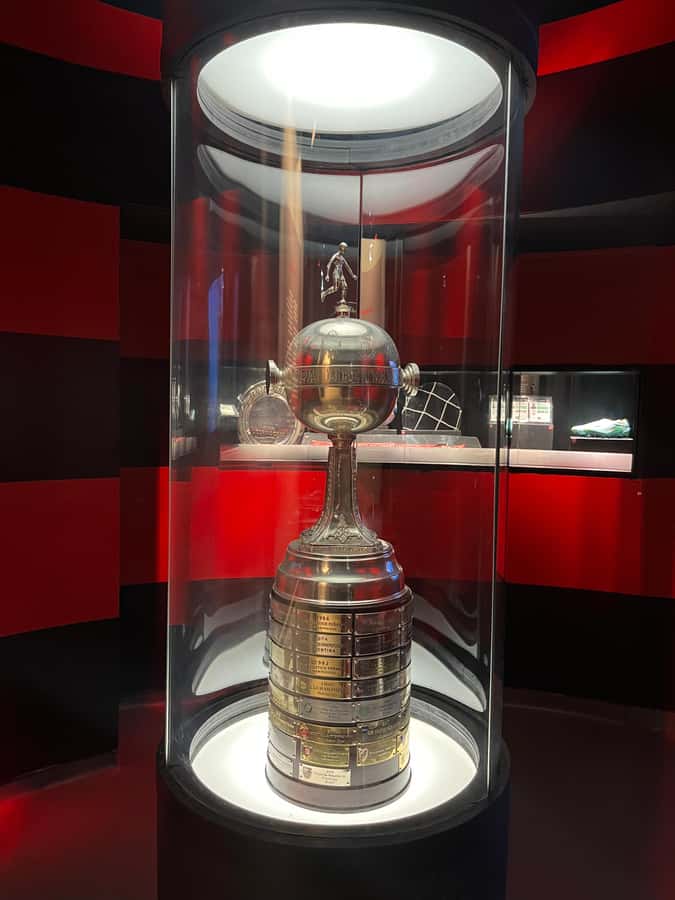
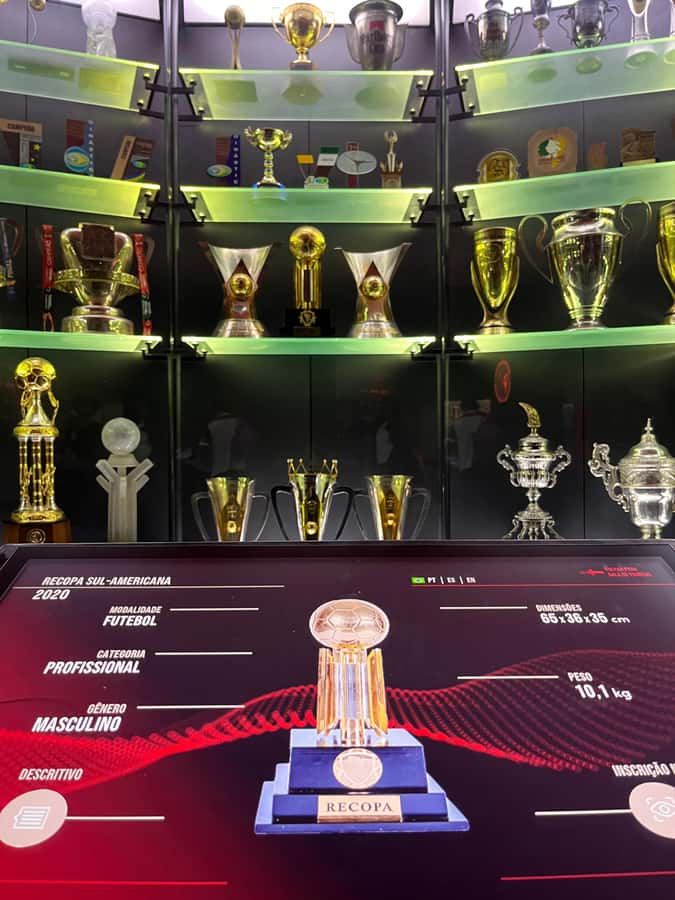
If you care about seeing achievements in a memorable way, this is the area you will want to prioritize. The museum includes a trophy room across four floors, which is a smart design choice. Instead of compressing everything into one display case, the exhibits give you repeated “big moment” stops as you move upward.
This kind of multi-floor staging changes how you remember the museum. Each level feels like a chapter. As you climb, the club’s progress becomes something you experience spatially, not just something you read.
A practical tip: don’t rush this part. The trophy room is the emotional anchor of the visit, and it sets the tone for everything after. If you speed through early, the later themed sections can feel less connected.
14 themed sections with tech and emotion: how the museum tells the story
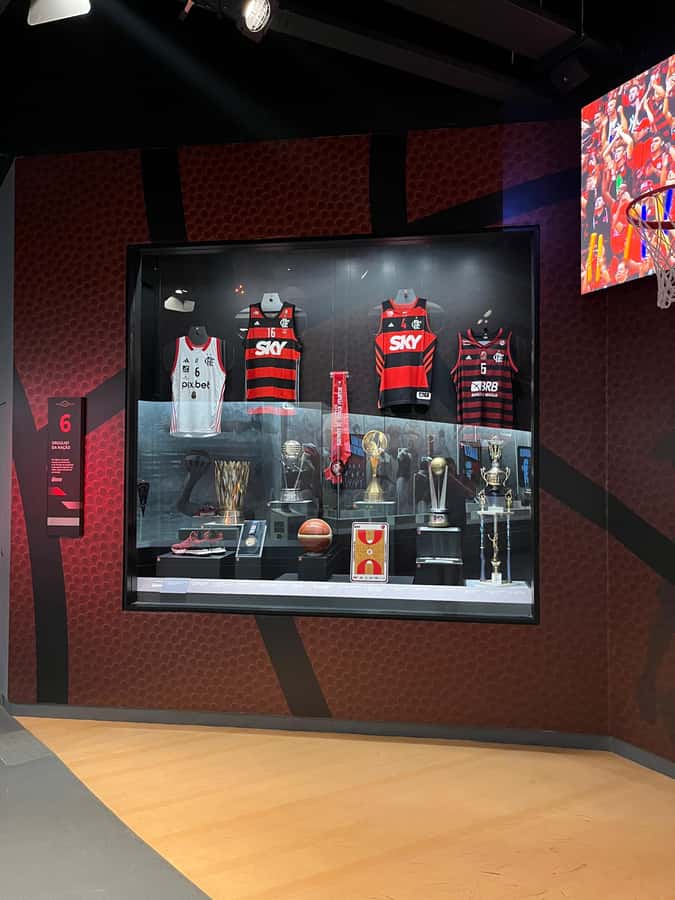
Beyond the trophy room, the museum organizes the Flamengo story into 14 themed sections. These sections combine technology, interactivity, and emotion. In plain terms, you are not just looking at posters or old jerseys in rows. You are moving through spaces designed to make you feel the timeline.
Here is what that usually means once you are there:
- Giant screens and visual environments that highlight key periods.
- Sensory-focused areas that add atmosphere, not just information.
- Interactive spaces where you participate rather than only observe.
This matters because Flamengo’s story is long, starting in 1895. The museum’s job is to make that long span make sense in a visitor’s head. Using screens, themed rooms, and interactive formats helps you “chunk” the timeline. You end up with a mental map instead of a blur of dates.
One more detail worth noting: the exhibits include idols from several sports, plus historical objects. That broadens the museum beyond football. So even if you go for football, you still get a fuller view of the club’s identity.
More Museums in Rio de Janeiro
- Petrópolis Day Trip from Rio de Janeiro including Imperial Museum and Crystal Palace
★ 4.0 · 101 reviews - Petrópolis Day Trip from Rio de Janeiro including Imperial Museum and Crystal Palace
★ 4.0 · 101 reviews - Museum of Tomorrow, AquaRio & Olympic Boulevard in Rio de Janeiro
★ 4.5 · 69 reviews - Olympic Boulevard, Museum of Tomorrow & Historical Rio
★ 4.5 · 66 reviews
Since 1895: from sailing days to a world-facing club

The museum’s storyline begins in 1895. That specific start point is important because Flamengo did not begin as a stadium-and-derby story. It began as a sailing club, and the transformation is part of what the museum is built to show.
You’ll move through that progression: early roots, the formation of a fan identity, and the climb into global recognition. The museum frames Flamengo’s trajectory like a narrative, not a warehouse of artifacts.
If you like sports culture, you will probably enjoy the way the exhibits connect club moments to broader Brazilian sports energy. It can make you see famous games as the output of years of community-building, not just single events.
The digital guide in English, Spanish, and Portuguese: make it worth your ticket
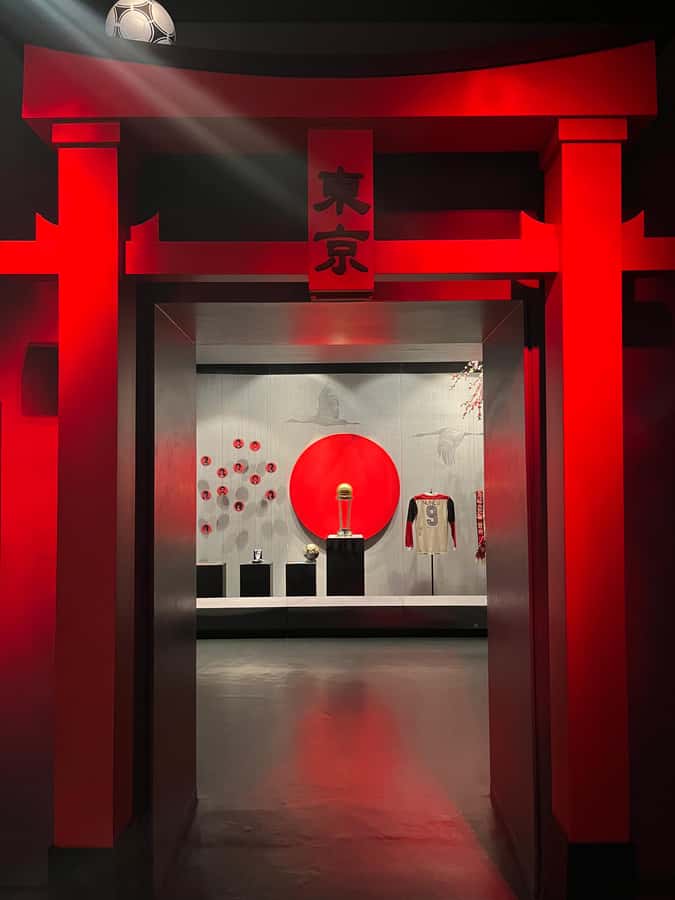
The ticket includes a Digital Guide to Experience, available in English, Spanish, and Portuguese. This is not just a nice extra. It is the tool that turns a set of rooms into a coherent story.
How to use it for best results:
- Use it early so each themed section has context before you move on.
- When you pause in front of exhibits, read or listen for the key point the guide highlights.
- If you stop at the trophy room and then start the guide later, you may miss the way the museum connects trophies to specific chapters.
The museum also has instructors listed in Spanish, English, and Portuguese. While your exact format depends on the visit, the language coverage is helpful. It means you will not feel stuck if your Portuguese is basic.
What you might not get: no food, no Gávea tour
This ticket is for the Flamengo Museum entrance experience. Food and drinks are not included. A separate tour of Gávea is also not included, even though the museum is located in that neighborhood.
So, build your day with that in mind:
- Plan a meal before or after your museum time.
- If you want to explore Gávea beyond the club grounds, treat it as an add-on using your own walking, rides, or another activity.
This keeps your day smoother. Otherwise, you can end up with the annoying feeling of trying to fit an extra plan into a slot that was meant for museum time only.
Rules inside the museum: small limits that affect your comfort
Museums are usually strict, but here the rules are especially relevant for visitors who like to document the trip.
From the information provided, these rules matter:
- Your phone should be on airplane mode or silent.
- It is not allowed to film or take pictures with flash.
- Smoking is expressly forbidden inside the museum premises.
- Pets are not allowed (assistance dogs are allowed).
- Alcohol and drugs are not allowed.
- Food and drinks are not allowed inside.
- Weapons or sharp objects are not allowed.
- Plastic bags, glass objects, scooters, vaping, and making fire are also not allowed.
What I like about having a clear rule set is that it usually means the museum stays clean and the exhibits remain protected. Still, it changes your behavior. If you enjoy cooking up a spontaneous snack stop or taking quick flash photos, you will need to adjust.
A practical workaround: if you want pictures, plan to use the museum’s allowed methods. If you are unsure, assume flash is off, and keep your phone on silent until you are ready to follow the local rules.
Price and value: is $18 for the Flamengo Museum a fair deal?
The price is $18 per person for this one-day museum ticket entrance. For a sports-focused museum, that feels reasonable, mainly because the museum includes more than a simple room of artifacts.
You are paying for:
- A structured storyline about the club from 1895 onward.
- A trophy room across four floors.
- 14 themed sections with screens, sensory environments, and interactive spaces.
- A digital guide in English, Spanish, and Portuguese.
The value also comes from the design approach. The museum was developed by the same team responsible for iconic sports museums around the world, including those for River Plate, Boca Juniors, Juventus, and Benfica. You can feel that in how the experience is staged and how the exhibits are meant to flow.
If you like your travel days with one clear anchor and a meaningful indoor activity, this ticket can be a solid buy. If you only want a quick look at a few things and you do not care about sports museums, you might find the time better spent elsewhere. But for Flamengo fans, and for anyone who likes the culture around big clubs, it usually lands well.
Who this is best for in Rio
This museum ticket fits best if at least one of these is true for you:
- You want a focused cultural experience in Rio, not just a scenic stop.
- You like football, but you also appreciate a broader sports-club story.
- You like interactive exhibits, big screens, and multi-sensory rooms.
- You are a Flamengo supporter, or you want to understand why the Flamengo identity is so strong.
It can also work well for families in the sense that it is one dedicated location with a clear “walk-through” format. Just remember the museum has strict rules about what you can bring.
If you are short on time and already planning to be in the south of Rio, the location in Gávea is another plus.
How to plan your day around the museum ticket
Because this is listed as valid for one day, focus on timing rather than stacking ten things at once. Aim for a calm start, and treat the museum as your main indoor block.
My suggested approach:
- Start with the museum entrance and digital guide.
- Spend enough time in the trophy room on four floors.
- Then go section by section through the 14 themed spaces.
- Save any merchandise shopping toward the end, when you can best decide what you truly want.
Also, keep your phone fully ready for the digital guide, but follow the silence rule once you enter. If you take your time, you will get more out of the story.
Should you book the Flamengo Museum ticket?
If you enjoy sports culture, Flamengo, or museums that use modern storytelling, I think this is a strong booking choice. The value sits in the full package: a multi-floor trophy room, 14 themed sections, and a digital guide that ties the exhibits together in multiple languages.
Book it if you want a single, well-defined experience in Gávea that gives you both facts and atmosphere. Skip it only if you want a quick pass, or if you dislike interactive, tech-forward museums. For most people who like football culture in a serious way, the ticket price makes sense.
FAQ
Where is the Flamengo Museum?
The museum is located at the headquarters of Clube de Regatas do Flamengo in the Gávea neighborhood.
How much does the ticket cost?
The ticket price is $18 per person.
How long is the experience?
It is listed as valid for 1 day, with the museum entrance experience.
What’s included with the ticket?
It includes a Digital Guide to Experience that is available in English, Spanish, and Portuguese.
Are food and drinks included?
No, food and drinks are not included.
Can I take photos or film inside?
You cannot film or take pictures with flash.
Are pets allowed?
Pets are not allowed, but assistance dogs are allowed.
Is there a tour of Gávea included?
No, a tour of Gávea is not included.
Newest Rio de Janeiro reviews
- Maracanã Matchday Tour – Ticket + Guide + Transfer★ 5.0 · 14 reviews
- Private Tour with Churrasco in Vela Catamaran – Velas do Rio★ 5.0 · 14 reviews
- Angra & Ilha Grande From Rio: Boat Tour With Barbecue and Drinks★ 5.0 · 14 reviews
- Half-Day Private Tour:Rio de Janeiro Highlights by Bernard Moraes★ 5.0 · 14 reviews
- Tijuca Forest Adventure★ 4.5 · 14 reviews
- Rio de Janeiro: Join a Fluminense game at Maracanã with locals★ 5.0 · 15 reviews
- Rio de Janeiro: Join a Botafogo soccer game with transport★ 5.0 · 15 reviews
- Christ the Redeemer, Selaron Steps and Santa Teresa Half-day Tour★ 4.5 · 15 reviews
Football Experiences, compared.

Football Match in Rio de Janeiro – Guided with Transportation
Read our review →Football Match in Rio de Janeiro – Guided with Transportation
Read our review →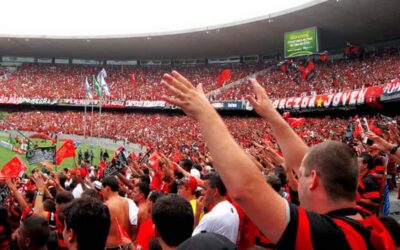

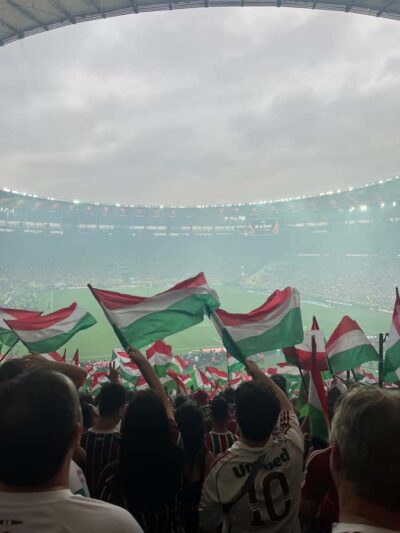
Fluminense Football Match at Maracanã with Local Hosts
Read our review →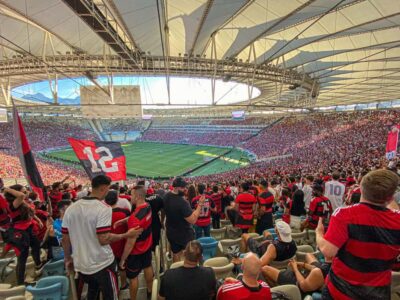
Flamengo Game Experience at the Maracanã Stadium
Read our review →

Join a São Paulo football game with a local fan
Read our review →Browse the lists this tour appears in