
Reviewed · COFFEE EXPERIENCES
Original Historic Coffee Farm Guided Tour with Transfer
A day trip from Rio to a coffee valley is one of those rare tours that feels like a real-world classroom. You’re not just driving past scenery, you’re walking farm grounds, learning how coffee goes from plant to roasting, and seeing why Brazil’s coffee boom mattered.
I especially like the small-group pace, capped at 19 people, which keeps your questions from getting lost. I also love that you get hands-on context at the farm, with guides like Wagner and Monica praised for translating Portuguese farm talk into clear English and sharing wider context like plantation history and slavery.
One drawback to plan for: it’s a long outing. Expect about a two-hour transfer each way from Rio, plus farm time, and pickup timing can shift because it depends on the Coffee Farm schedule.
Key things to know before you go
- Small group size with a maximum of 19 travelers per minivan, so the day feels more personal than a big bus tour
- Two possible estates in the Coffee Valley, Fazenda da Taquara or Fazenda São Luiz da Boa Sorte, depending on availability and timing
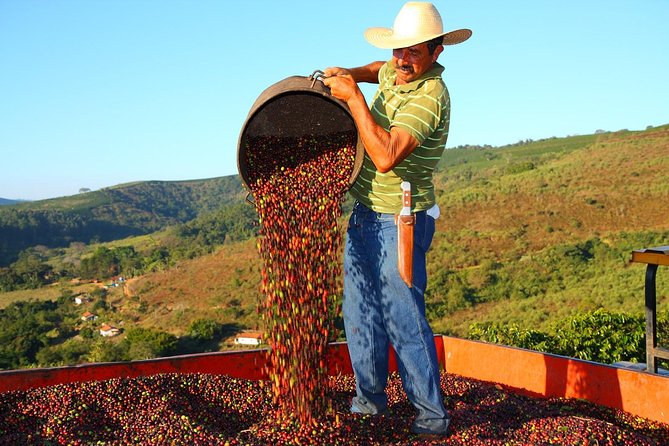
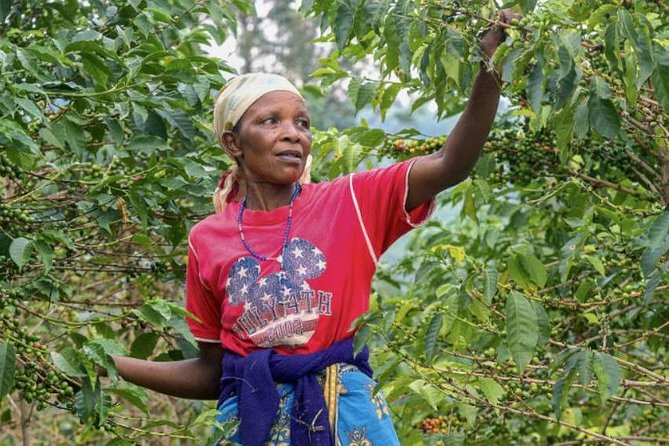
- Farm grounds plus production talk, including the coffee process from growing and washing to roasting
- English support is guided, but the farm owner may speak Portuguese, so translation depends on your guide
- No food and drinks included in the tour price, even though many departures include coffee and farm treats on-site
- Long drive from Rio, so plan your other plans around an 8-hour day
Why a Rio coffee valley day feels like a history lesson you can walk through
If you like travel days that go beyond photos, this is a strong pick. The Coffee Valley tour turns coffee into something physical: rows, tools, and a production process you can actually picture.
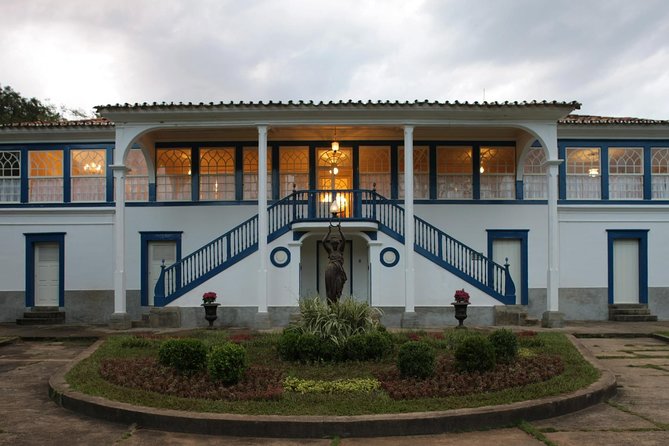
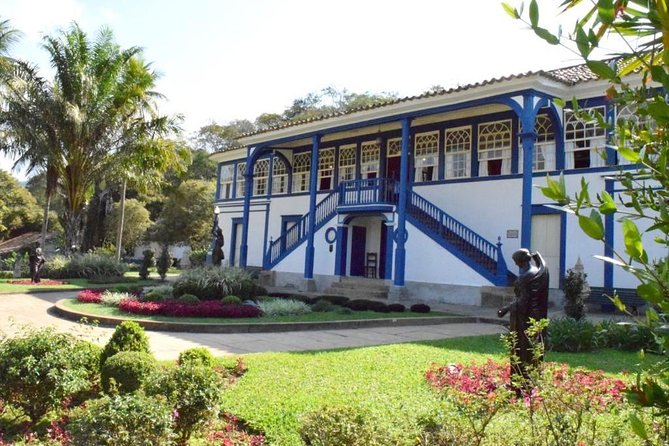
The format also helps. Instead of a lecture-only stop, you spend time on the farm grounds, then move into the farmhouse area where the story lives in objects. In the best moments, you can connect the global idea of coffee with a very local reality, how families worked the land and how production shaped the region.
This is also a good tour if you care about accuracy. You get guidance on the history of coffee in Brazil and the so-called Coffee Rush, and the explanations are framed around how coffee was grown and processed. That makes it easier to understand why this region became so important, long before specialty coffee existed.
More Historical Tours in Rio de Janeiro
- Rio de Janeiro Historical Center Walking Tour
★ 4.5 · 336 reviews - Private Walking and Cultural Tour Rocinha-Rio de Janeiro
★ 5.0 · 239 reviews - Discover Rio Little Africa: A Cultural and Historical Journey
★ 5.0 · 238 reviews
Getting there from Copacabana: time, traffic, and where the day starts
Your day starts at 8:00 am in Copacabana, with the meeting point listed at Rio Othon Palace. Hotel and port pickup are included, and the tour ends back at the meeting point, so you are not left playing taxi roulette at the end of a long day.
The transfer to the Coffee Farm is approximately 2 hours one way, but it is not a “guaranteed clockwork” schedule. The farm visit timing depends on operations such as production and harvesting, and pickup time is subject to availability. Translation: you should keep your evening open and avoid booking anything time-critical for the same day.
If you are staying near Copacabana, you can still end up tired, just because the day is built around getting out to the valley. Bring water, wear comfortable shoes, and treat this like a full excursion, not a quick morning detour.
Two coffee valley farm stops, and how the Fazenda choice works
The tour is designed around the Coffee Valley area, with stops connected to towns like Vassouras and Barra do Pirai. Each farm stop is listed as about 2 hours, with admission tickets marked as free for those farm visits.
Here is the key detail that affects what you see: on the day of your tour, you visit one of two famous farms in the Coffee Valley, Fazenda da Taquara or Fazenda São Luiz da Boa Sorte. The selection depends on factors like climate and availability, and you can contact the operator in advance if you want to confirm which farm is visited that day.
Why this matters for you:
- If you have a specific farm in mind, confirming ahead can help you align expectations, especially if you are comparing photos online.
- If you do not care which estate you get, the variability usually works in your favor, since it lets the operator match the farm to production timing so you are not walking through empty, inactive grounds.
On-site, you can expect a guided walkthrough that explains how coffee is produced, plus time to explore the property and farmhouse area.
What happens on the colonial farm tour: growing, washing, roasting
This is the core of the experience, and it is why many people rate it so highly. You’re shown the steps behind coffee production, from growing and washing through to roasting.
One reason this feels so satisfying is that it is explained in a way that connects the steps. You start with the plant and basic cultivation logic, then move into processing. When roasting gets explained, it makes the whole supply chain click: you understand how processing choices affect the final coffee you buy in stores.
A practical note on how it feels on the ground: farm talk is in Portuguese. Your driver/guide is there to support you and translate the main points. In at least some departures, guides like Wagner have been singled out for doing a strong job translating farm explanations into English, so you are not stuck watching gestures and hoping for the best.
Still, the best way to get value is to lean in. Ask questions about what you see. If you want maximum coffee-process clarity, go in with basic curiosity like, What does washing do? Why does roasting timing matter? The tour is set up for questions, not just quiet watching.
Another way to spend a day in Rio de Janeiro:
- Rio de Janeiro: 6-Stop Highlights of Rio with Lunch
★ 4.4 · 5,157 reviews - Christ the Redeemer Entry Ticket by Corcovado Train
★ 4.4 · 4,476 reviews - Rio’s City Tour – Tickets for Christ, Sugar Loaf & Lunch included
★ 5.0 · 4,389 reviews - Full Day: Christ Redeemer, Sugarloaf, City Tour & Barbecue Lunch
★ 4.5 · 3,142 reviews
Life inside the farmhouse: antiques and plantation-era context
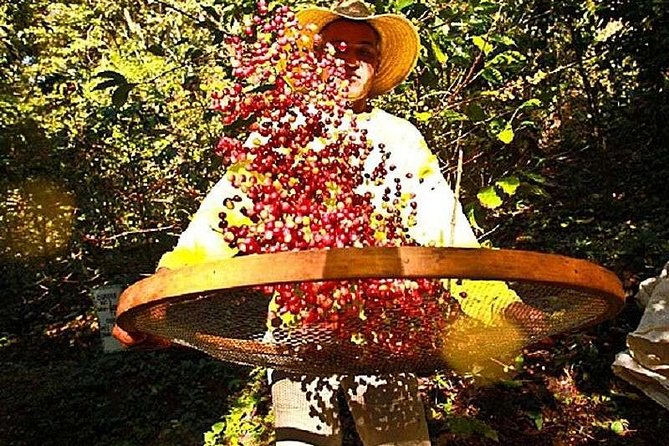
After the coffee production portion, you get time connected to the farmhouse and its setting. This is where the day becomes more than agricultural tourism.
In particular, the farmhouse tour can include:
- History in the architecture and layout
- Antiques and objects tied to earlier life on the estate
- Context for how coffee shaped regional society
Some guides are known for weaving in broader historical context. Monica, for example, has been praised for adding context on the country’s history, including slavery and plantations. You might not get that exact depth on every departure, but it’s clearly part of the kind of narrative that the guide team can bring.
What I like about this approach: you do not just learn coffee facts. You also learn how coffee production fit into a bigger system of labor and wealth. That gives the visit more weight and makes the antiques feel less random.
Language and guide translation: how not to lose the day
Language can make or break this type of tour. The farm owner or family member may speak Portuguese, and your guide handles translation.
That is why I think your choice of mindset matters. If you get a guide who communicates clearly, you’ll walk away with a strong understanding of the production steps and the history. If translation is slower or details get missed, you might still enjoy the farm atmosphere, but you could feel like you paid for more than you received.
If you do not speak Portuguese, your best move is simple:
- Prepare one or two questions you really care about, so the most important parts get translated for you.
- Ask your guide early what will be covered, then you can listen with purpose.
Also, if English translation is a top priority for you, it can be worth contacting the operator before the day to confirm the guide assignment. The information you have right now indicates that translation is provided by the guide/driver, not by the farm owner, so your guide quality directly shapes your experience.
Food, coffee, and what to budget during the 8-hour outing
Food and drinks are not included in the tour price. That’s an important flag.
At the same time, farm visits often come with coffee and farm treats on-site, and some departures are described as including a lunch served at the farmhouse. The safest way to handle this is to plan like meals are on you unless your confirmation states otherwise.
My practical advice:
- Bring a snack if you’re the type who gets hungry after long driving.
- Budget for lunch and drinks even though coffee tasting might happen.
- If you have dietary restrictions, message ahead. The data you have does not list menus, so you will want to confirm what will actually be offered on your date.
Why this matters for value: this tour is $220 per person, and part of whether it feels like a deal depends on how much the day provides beyond coffee education, like a satisfying meal. If food ends up being extra for you, the math changes.
Small-group logistics: max 19, shared vehicles, and why comfort still matters
This tour runs with a maximum of 19 travelers per minivan. It also requires a minimum number of travelers to operate, otherwise it may be rescheduled.
That shared-vehicle structure is usually what keeps costs down and keeps the day manageable. But shared vehicles also mean:
- You might not get bathroom breaks exactly when you want them, unless the group schedule allows it
- You could sit with limited space for a long stretch, especially on the transfer from Rio
One negative experience that stands out is someone feeling the vehicle was too tight and that there were not enough breaks. I would not assume that will happen to you, but it does highlight an obvious takeaway: this is a long road day. Pack like it is a road trip, not a short city outing.
Comfort tips that help in practice:
- Wear breathable layers and keep your camera strap short.
- Bring hand wipes and a small bottle of water, since you are outside the usual convenience of Rio.
Price and value for $220 with transfer included
$220 per person is not cheap, especially since food and drinks are not included. So here’s how I’d judge value.
You are paying for three things:
- Transportation and hotel pickup/drop-off with an air-conditioned vehicle
- A guided, structured farm visit with translation support
- Access to a coffee valley experience that is hard to replicate easily on your own
The tour also includes admission marked as free for the coffee farm stops, which helps offset costs. Plus, the small-group format (max 19) can be a real quality upgrade compared to cattle-car tours.
Where you should be honest with yourself: this is a day built on travel time. If you want a quick activity with minimal driving, this will feel like too much time in transit. If you want a farm-focused day with meaningful coffee education and a chance to connect to plantation-era context, the price begins to make sense.
Also, since the farm selection can vary between Fazenda da Taquara and Fazenda São Luiz da Boa Sorte, value partly comes from the estate you get and the timing of production. That’s why contacting the operator to confirm the farm on your date can be a smart move if you care about specifics.
Who this tour suits best (and who should skip it)
This tour fits best if you:
- Want a coffee-focused day with real production steps, not just a tasting
- Prefer small groups and guided translation rather than self-driving in the countryside
- Like history context, including how Brazil’s coffee economy shaped society
You might want to skip it if:
- You hate long drives. An 8-hour day plus rural transfers can be exhausting.
- You need guaranteed English from every person you meet. The farm environment is Portuguese-first, and translation depends on your guide.
- You are very budget-sensitive and do not want to pay extra for food and drinks during the day.
If you’re in the sweet spot, you’ll probably come away with a much clearer view of what coffee production looks like beyond supermarket labels.
Should you book this historic coffee farm tour from Rio?
I’d book this if you want more than scenery and you are genuinely curious about coffee production and Brazilian coffee history. The combination of a guided farm walk, colonial farmhouse time, and translation support can turn the day into a story you can repeat long after you leave.
Before you go, do two things to protect your value:
- Confirm which farm you will visit if having a specific estate matters to you (Fazenda da Taquara or Fazenda São Luiz da Boa Sorte).
- Plan for an 8-hour schedule with a long transfer, and budget for food since meals are marked as not included.
If you line those pieces up, this is the kind of day trip that feels educational and real, not just another box checked.
FAQ
What time does the tour start, and is pickup always exact?
The start time is listed as 8:00 am. Pickup time can vary based on availability and the Coffee Farm schedule, so it’s smart to contact the operator to confirm the pickup time for your hotel location.
How long is the tour?
The duration is approximately 8 hours.
Where do I meet for the tour?
The meeting point is Rio Othon Palace – Copacabana, Rio de Janeiro. The tour ends back at the meeting point.
Which coffee farm will I visit?
You visit one of two famous farms in the Coffee Valley: Fazenda da Taquara or Fazenda São Luiz da Boa Sorte. The specific farm depends on factors like climate and availability, and you can contact in advance to confirm which one you will visit on your day.
How big is the group?
The tour has a maximum of 19 travelers per minivan.
What is included in the price?
Included items are the driver/guide, hotel/port pickup and drop-off, and transport by air-conditioned vehicle.
Are food and drinks included?
Food and drinks are not included.
Can I cancel and still get a refund?
Yes, you can cancel for free up to 24 hours in advance for a full refund. If the experience is canceled due to poor weather, you will be offered a different date or a full refund.
Newest Rio de Janeiro reviews
- Maracanã Matchday Tour – Ticket + Guide + Transfer★ 5.0 · 14 reviews
- Private Tour with Churrasco in Vela Catamaran – Velas do Rio★ 5.0 · 14 reviews
- Angra & Ilha Grande From Rio: Boat Tour With Barbecue and Drinks★ 5.0 · 14 reviews
- Half-Day Private Tour:Rio de Janeiro Highlights by Bernard Moraes★ 5.0 · 14 reviews
- Tijuca Forest Adventure★ 4.5 · 14 reviews
- Rio de Janeiro: Join a Fluminense game at Maracanã with locals★ 5.0 · 15 reviews
- Rio de Janeiro: Join a Botafogo soccer game with transport★ 5.0 · 15 reviews
- Christ the Redeemer, Selaron Steps and Santa Teresa Half-day Tour★ 4.5 · 15 reviews
Coffee Experiences, compared.

7-Hour Shared Group Santos Tour : Mont Serrat, Coffee Museum and Sightseeing
Read our review →
São Paulo Coffee Tour: Farm, Culture & Lunch Included – 6h
Read our review →Browse the lists this tour appears in