
Reviewed · AMAZON RAINFOREST
Manaus: Museu do Seringal Rubber Museum
What makes Manaus’s Museu do Seringal Rubber Museum tour interesting is the way it turns the Amazon rubber boom into something you can see and touch, from old shipping warehouses to the tools used to process latex. I love the speedboat outing into the rainforest area, because it sets the tone fast. I also like the hands-on rubber workflow you’ll witness, from tapping trees to the smoking stage.
Here’s the one drawback to keep in mind. At this price point, the experience can feel uneven if timing and communication stumble, and the language you hear on the ground may be mostly Portuguese even if the tour offer lists English. If you need tight scheduling or guaranteed English-guided explanations, plan carefully.
Key points to know before you go
- Speedboat transport to the Vila Paraíso area helps you get out of Manaus quickly.
- Rubber Master House and the waterfront warehouse setting explain how plantations generated wealth and shipped rubber worldwide.
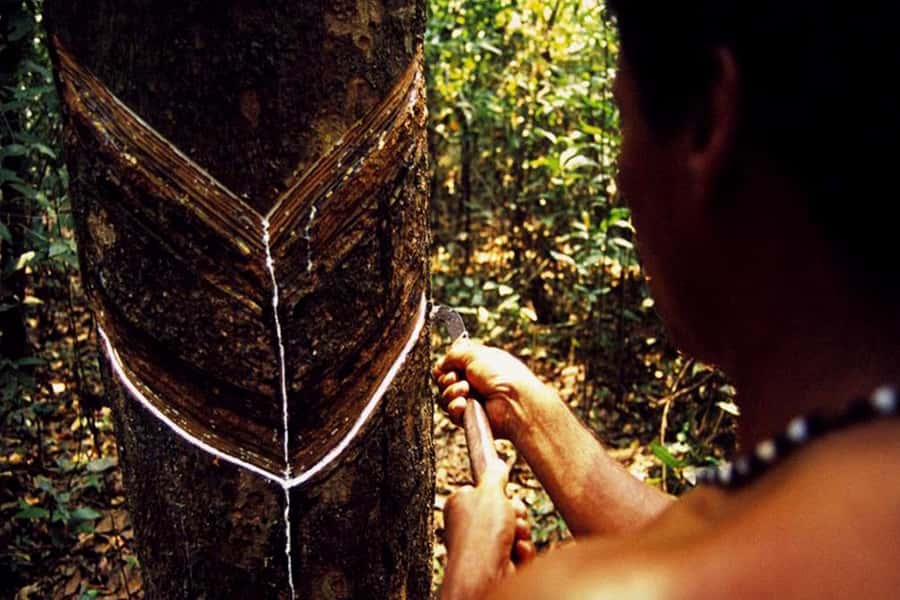
- Jungle walk to rubber trees shows how latex was collected, not just displayed in glass cases.
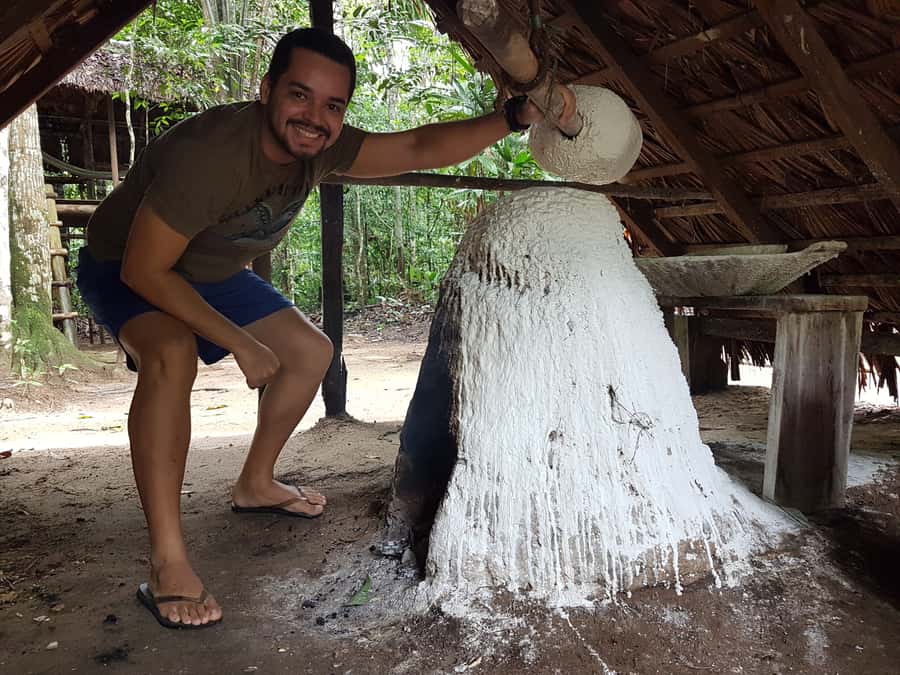
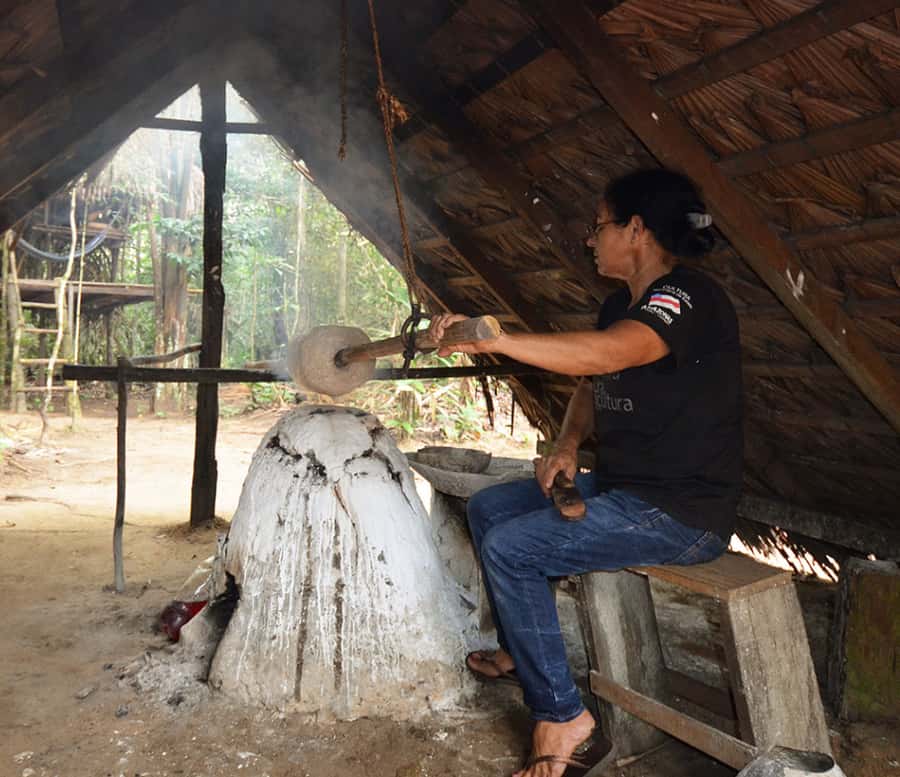
- Rubber smoking process visuals include where rubber balls were placed to smoke.
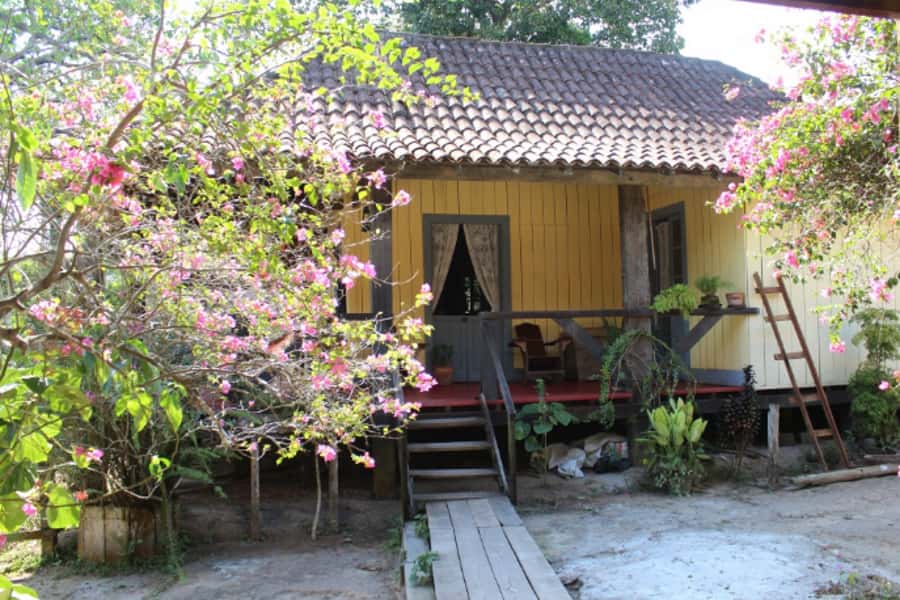
- Employee homes help you understand daily life during the rubber extraction era.
- Indigenous-tribe access can be unpredictable, so manage expectations if a cultural visit is part of your hopes.
Rubber Boom Stories in Manaus: What this 4-hour outing really delivers
This is a short, focused tour built around one big idea: rubber changed Amazon life, and the people who worked the plantations had a whole world of routines, tools, and hardship. You’ll spend most of your time at the Rubber Museum site, plus travel by boat from Manaus toward Vila Paraíso, the famous film set area linked to The Jungle.
The visit is designed like a guided walk through the supply chain. You start where rubber goods were handled for shipment, then move into plantation-era buildings with clear links to wealth and industry. After that, you step into the greenery for a brief trail experience that shows rubber trees and the collection process. Finally, you see the smaller, modest homes of employees, which is where the story shifts from industry to real human scale.
It’s a small group tour, limited to 10 participants. That matters. You get less crowd noise and more chance to ask practical questions, as long as the guide team can support your language needs.
Also, this is not a food tour. Food and beverages are not included, so you’ll want to handle meals around the tour window and not count on snacks afterward.
More Museums in Manaus
- Manaus: MUSA and INPA Museums with Observation Tower Tour
★ 3.4 · 26 reviews - Rubber Museum from Manaus
★ 4.0 · 14 reviews - Manaus : Visit to MUSA (Amazon Museum)
★ 3.0 · 4 reviews
From Manaus to Vila Paraíso: Speedboat ride and the timing reality check
The day starts in Manaus with hotel pickup and drop-off, then you head toward the departure area for a boat ride. The outing includes travel by speedboat deep into the rainforest, so even though the museum time is the main event, the water part does real work in the itinerary.
One practical note. Some logistics in this kind of operation can be slow or uneven, especially when you’re using regular routes alongside other groups. In past experiences, people described waiting for boats and being moved to what felt like an official harbor stop before departure. That doesn’t mean it will happen to you. It does mean you should treat the start as flexible, not guaranteed to be perfectly timed down to the minute.
What you can do:
- Be ready 10 to 15 minutes early for pickup.
- Keep your afternoon buffer if you have onward travel plans.
- Bring a phone with offline maps or translation, since you might spend waiting time with little guidance.
If rain hits, the boat portion can be splashy. A light rain cover for your bag is smart, and you’ll feel better if your footwear can handle damp ground near the pier.
Waterfront warehouse and the Rubber Master House: the wealth layer
The tour begins at a waterfront warehouse area where rubber boards boats for export. That opening matters. It frames rubber as global industry, not just a local plant. Even if you only skim the details, you’ll get the sense that the rubber boom was tied to shipping routes and large-scale processing.
Next you enter the Rubber Master House. This is where the architecture signals plantation wealth and the “industry boom and war effort” connection mentioned in the tour description. Look at the scale and the way the rooms are set up. You’re not just seeing a building. You’re seeing a statement: rubber money and organization were concentrated here.
I like this part because it avoids turning the story into a vague slideshow. You’re standing in a space that communicates power. And power in this era meant organization, labor, and supply chains that reached far beyond the forest.
If you care about photos, this is also one of the best sections. Buildings, doorways, and display areas give you good angles without needing to wander for long.
The large tent, the chapel, and the flour warehouse: tools plus daily rhythm
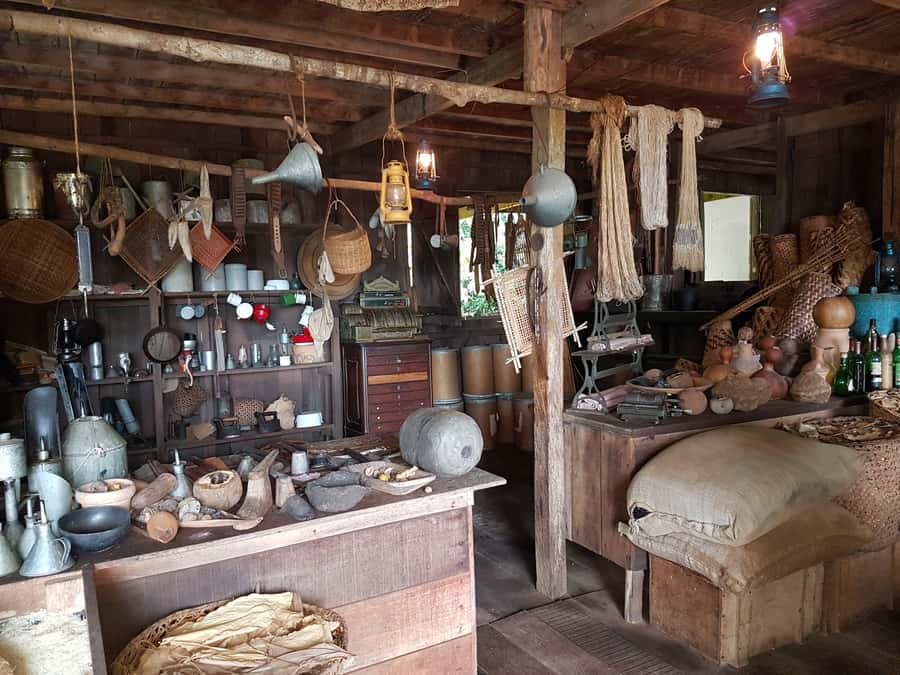
Inside the museum grounds, you’ll visit the large tent where rubber-making tools were kept. This is a key stop because it connects the industry to the physical work. Tools tell you what repeated motions looked like, what materials were necessary, and which steps came first.
Then you’ll see a chapel and a flour warehouse. Those sound like side stops, but they actually make the story more believable. A warehouse tells you what workers ate and how goods were stored. A chapel tells you how communities organized their spiritual and social routines. Together, they shift the focus from production to lived structure.
This is the moment when you should start actively asking yourself what you’re seeing. For example:
- Where would workers go first in the day?
- What items suggest hierarchy or control?
- Do the buildings feel built for comfort, or for function?
If you come in expecting only “how rubber is made,” you may miss why these rooms are included. I’d treat them as the glue between machines and people.
More of the Amazon:
- From Manaus: One-Day Amazon Jungle Experience
★ 4.8 · 408 reviews - Manaus: Full-Day Tour on the Amazon River
★ 4.2 · 362 reviews - From Manaus: Presidente Figueiredo Waterfalls Daytrip
★ 4.3 · 149 reviews - 3 Days Amazon Jungle Adventure Tour
★ 4.0 · 145 reviews
The short jungle trail: rubber trees and latex collection in the real setting
After the indoor stops, you’ll walk a short trail into the jungle to see rubber trees and witness the process of collecting latex. The tour description calls out what you should observe during this part: the rubber trees themselves, and the method of collection.
This portion is valuable even if you know the basics. Seeing rubber trees in the Amazon setting makes the science and the labor feel less abstract. It also helps you understand why the process demanded skill and routine. Latex collection is not just one action. It’s a workflow that depends on the plant and the timing of the season.
Photo tip. Don’t spend the whole walk fighting for perfect shots. Take a few wide pictures that show the tree and the environment, then capture any guided details you’re pointed to. You’ll remember the context more than one close-up.
Because the tour is only about four hours total, this jungle segment will not be a long nature hike. Still, it can be warm and humid. Wear breathable clothes, and be ready for uneven, natural ground.
Rubber smoking process: where the balls were placed
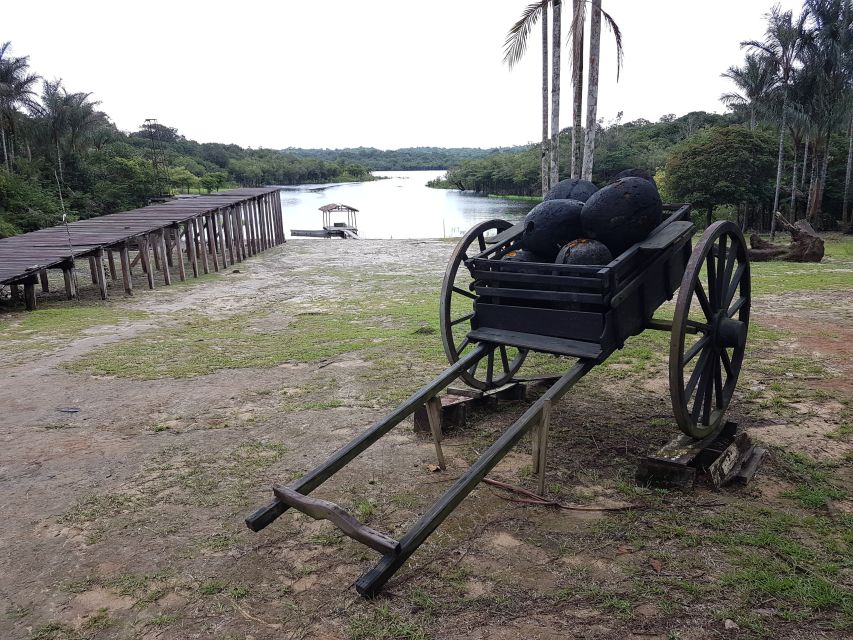
One of the most specific moments in the tour description is the smoking stage. You’ll see where rubber balls were placed to begin the smoking process.
This is where the story becomes real-world processing. Raw latex is not ready for shipping as-is. It needs careful handling, shaping, and smoking to develop the rubber properties needed for products. Seeing the smoking setup helps you understand why the warehouse and tool sections mattered earlier.
I like this part because it turns rubber from a concept into a sequence. You can mentally connect: trees to collection, then to processing, then to shipping.
If you’re the type who likes historical-industrial explanations, this is the section that will likely satisfy you most.
Employee houses: life during the rubber extraction era
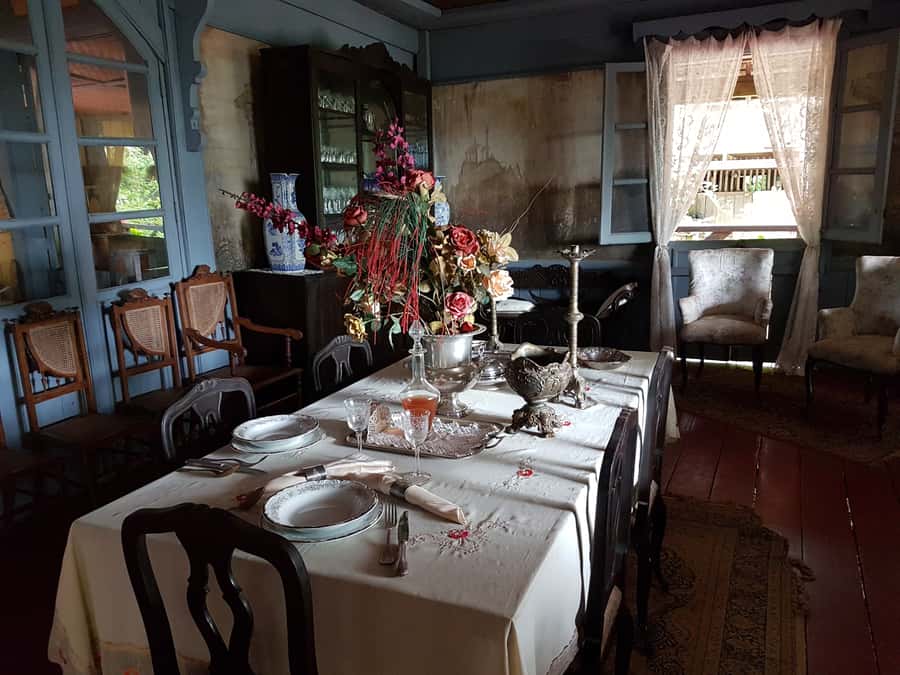
After the processing visuals, the tour moves into the modest houses where rubber extraction employees lived. This is the emotional pivot point.
The tour description frames these homes as a portrait of life and habits from the old rubber extraction era. Even without heavy narration, the size and simplicity of the houses can communicate the distance between plantation owners and workers.
If you’re trying to understand Amazon rubber history in a human way, don’t rush this part. Stand with it for a moment. Think about daily work, storage, food, and social life. The museum did the good move of pairing big-industry buildings with small homes. That contrast is the lesson.
About the culture piece: indigenous tribe access and why it can feel commercial
One of the tricky aspects of this outing is the way cultural access can play out in real time. Some experiences include efforts to meet indigenous groups, and the access can require trying multiple groups before entry is allowed. In those cases, visitors have been disappointed by a focus on selling crafts rather than sharing culture or answering questions in a meaningful way.
Here’s how I’d handle it as a reader. If your priority is rubber extraction history and daily labor, you’re on solid ground. If your priority is a deep, community-led cultural experience, keep your expectations flexible. Indigenous visits are not guaranteed to feel the way a museum display does, because the interaction depends on who you meet, what they’re open to, and how the encounter is managed that day.
Language is part of that risk. Even with English listed as an option, you may find most explanations are in Portuguese, especially with local guides on site. Bring a translation app. Keep your questions simple. Respect the pace.
A respectful approach goes a long way. If the visit becomes more shopping than storytelling, don’t try to force it. Ask one or two direct questions, then shift your attention back to what you can learn from the rubber museum itself.
Price and value at $160 per person: what you’re paying for, and what can go wrong
At $160 per person for a 4-hour small-group tour, you’re paying for a specific blend: museum access, a local guide, hotel pickup and drop-off, and boat transport to the site area. You’re also paying for the fact that this is not just a self-guided stop. It’s structured into a route through multiple buildings and learning points.
So when does it feel worth it?
- When the guide explanations connect the warehouse, tools, and latex workflow into one clear story.
- When you actually get the jungle trail time and the smoking process visuals as promised.
- When timing works smoothly so you spend your four hours learning, not waiting.
When does it feel overpriced?
- If pickup or departure timing drifts and you lose time sitting around.
- If you end up with minimal English guidance and rely on your own interpretation.
- If any added cultural component does not match what you expected.
Because the overall rating is low, I’d take that seriously. That doesn’t mean the site is bad. The Rubber Museum grounds themselves can be genuinely interesting, with a story that makes Amazon rubber production understandable. The weak link seems to be operations and communication quality, not the museum concept.
My value-check method for you:
- Decide what you want most: rubber production and plantation labor, or indigenous culture interactions.
- If rubber production is your priority, you’re likely to get more value.
- If you’re language-dependent and have strict timing, budget for the possibility that things may not run perfectly.
Who should book this tour, and who should skip it
This is a good fit if you want a short, guided way to understand the rubber extraction era in and around Manaus, and you like industrial and human-labor stories more than generic rainforest sightseeing. The small group size helps if you prefer a calmer pace over big bus crowds.
It’s also a strong option if you have limited time and want boat travel plus museum coverage within a single half-day window.
Skip it or reconsider if:
- You’re pregnant or have mobility impairments, since the tour is listed as not suitable for those situations.
- You need guaranteed English instruction. The tour lists English, but on-the-ground language can be mostly Portuguese depending on staff.
- You have a very tight flight or connection later the same day. In past situations, changes have happened based on timing constraints.
The practical stuff to pack and plan for
Food and beverages are not included. Plan to eat before you go, and consider bringing water. Even on a “short trail” tour, heat and humidity can add up.
Comfort matters more than you think:
- Wear closed-toe shoes with grip for uneven ground.
- Bring a hat and light layer for sun and breeze.
- Use a small waterproof bag or dry pouch for your phone.
- Keep translation tools ready if you want to ask questions.
If you care about photos of the rubber processing stages, be patient. Some moments are shown briefly, and rushing can lead to missing the explanation.
Should you book the Museu do Seringal Rubber Museum tour?
I’d book if your main goal is the rubber extraction story: the waterfront shipping setting, the Rubber Master House, the tool displays, and especially the jungle walk with latex collection plus the smoking-stage visuals. If that is your focus, the museum experience itself is the reason to go.
I would hesitate if you:
- are counting on consistent English guidance,
- have a tight schedule with no buffer,
- or want a carefully managed, culture-first indigenous encounter.
If you decide to go, treat the tour like this: the museum is the anchor, the boat is the bonus, and the cultural add-ons are variable. That mindset keeps the day from feeling like a disappointment machine.
FAQ
How long is the Manaus Rubber Museum tour?
The tour lasts about 4 hours.
Where does the tour take place?
It operates in Manaus and travels to Vila Paraíso, the set area of the movie The Jungle.
What is the price per person?
The price is listed as $160 per person.
Is hotel pickup and drop-off included?
Yes, hotel pickup and drop-off from hotels in Manaus are included.
How big is the group?
The tour is a small group limited to 10 participants.
What languages are available?
The host or greeter is listed as English and Portuguese.
Is food included?
No. Food and beverages are not included.
Is the tour accessible for everyone?
The tour is not suitable for pregnant women or people with mobility impairments.
Newest Manaus reviews
- Manaus City Sightseeing Tour★ 4.5 · 15 reviews
- Manaus City Sightseeing Tour★ 4.5 · 15 reviews
- Adventure: 4-hour hike in the Amazon rainforest★ 5.0 · 16 reviews
- Getting in to the Jungle 3D/2N-At Tapiri Rio Anavilhanas Lodge★ 5.0 · 16 reviews
- Walking Tours in Manaus★ 3.5 · 16 reviews
- Private transfer in Manaus – 24h★ 5.0 · 17 reviews
- Amazon Adventure Trip 4D/3N at Tapiri Anavilhanas Lodge★ 5.0 · 17 reviews
- Amazon Survival Experience★ 5.0 · 18 reviews
Amazon Rainforest, compared.

8-Hour Amazonas Jungle Treck & Anavilhanas Archipelago
Read our review →
Browse the lists this tour appears in