
Reviewed · FOOD TOURS IN RIO DE JANEIRO
Food Tour Experience in Rio de Janeiro – Private Tour
Rio can feel like sensory overload on day one. This food tour is interesting because it pairs tastings with real neighborhood landmarks, so you learn the city while you eat. You bounce between markets, viewpoints, and big cultural sites without having to plan every stop yourself.
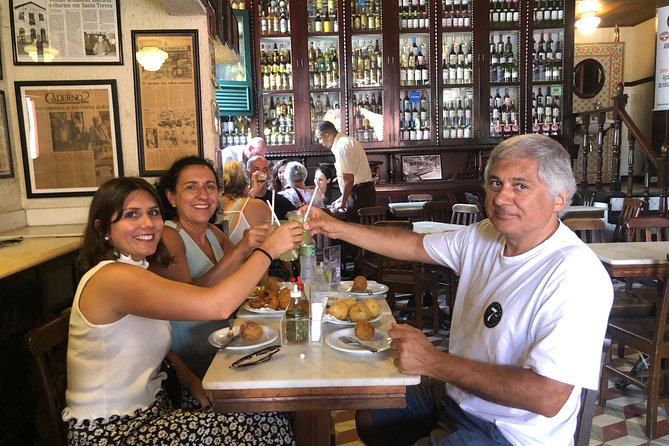
I love the way it leans on food and drink variety instead of a one-note sample plate. I also like that the guide does the ordering for you, which is a huge help when your Portuguese is still in the homework stage.
One possible drawback: you will do a fair amount of walking across hills and historic areas, plus photo stops. It is also longer than a quick snack crawl, so save energy for a full half day.
Key highlights to know before you go
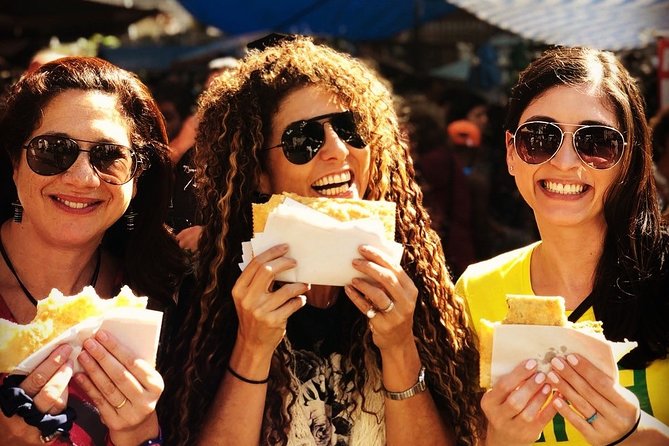
- Farmers markets move by neighborhood, so your exact lineup can shift depending on the day
- Santa Teresa and the Selarón Steps mix art walking with tasty stops
- Lapa Arches (Carioca Aqueduct) and major downtown squares make history feel physical
- Port area street art and museums help explain where Rio’s flavors came from
- Air-conditioned transport plus pickup keeps the day comfortable even with heat
- Small group size (max 15) helps the guide manage ordering and pacing
A Rio food day that starts with markets, not guesswork
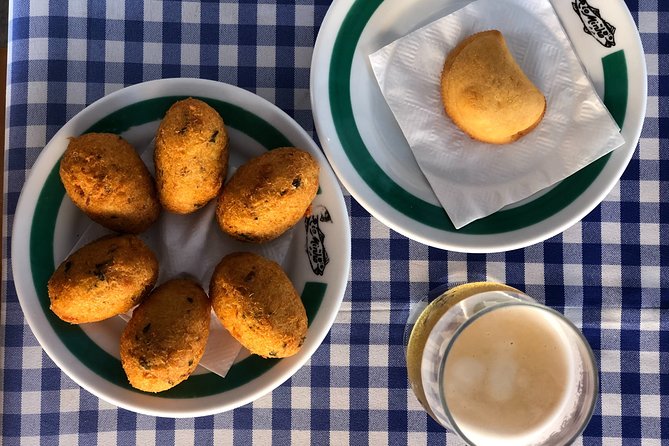
This tour is built around farmers markets and local food counters, which is exactly how you get your bearings in Rio. Markets help you understand what ingredients are actually in season and why locals buy the way they do. And because the market runs in different neighborhoods on different days, you do not always get the exact same start point. That small change keeps the experience from feeling copied.
On the food side, the stops can include artisanal items like cheese and coconut treats, plus things such as tapioca pizza at the market stage. The point is not just to fill your stomach early, it is to taste ingredients before they turn into a dish. Once you have that baseline, later meals at restaurants and bars make more sense.
What makes this practical for you: you do not have to decode menus or figure out what is worth ordering. The guide handles the ordering, and that saves time when lines form. It also protects your day from the common problem of ordering something that looks safe but tastes wrong for Rio.
More Food Tours in Rio de Janeiro
- Eat, drink, and discover Rio like a local – with a local.
★ 5.0 · 179 reviews - Rio Gastronomy: Culture & History Through The Art Of Food – Walking Group Tour
★ 5.0 · 164 reviews - Food Tour Rio de Janeiro – The Best Typical Brazilian Dishes
★ 5.0 · 82 reviews
Santa Teresa and Selarón Steps: art walking with real food stops
Santa Teresa is often called Rio’s Montmartre, and you feel why right away. It is an area known for artists, studios, and a creative street life. The tour uses that setting in a smart way: you walk the neighborhood and then connect it to what you are eating and drinking, instead of just checking sights off a list.
If you like photo breaks, you will enjoy the rhythm here. You may stop at overlooks where you can see Christ the Redeemer from different angles. That is the kind of payoff that makes a food tour feel like a Rio tour, not a restaurant schedule.
The Selarón Steps are another moment you should not rush. The tour includes about 30 minutes at Escadaria Selaron, with an admission ticket included. The staircase is famous for its tile work, and your guide can point out what you are looking at so it is more than a pretty stairway. You also get enough time to catch different views from the stairs without feeling like you are being dragged through.
Comfort note: moderate physical fitness is recommended. If hills and stairs are hard for you, you can still do this day, but pace matters. Wear comfortable shoes and plan on short bursts of walking mixed with transport.
Lapa Arches and downtown squares: history you can stand inside
Rio’s best architecture lessons happen outdoors. You pass through public squares and old city infrastructure that explain how the city grew.
One key stop is the Carioca Aqueduct in the Lapa neighborhood, often called Arcos da Lapa. Built in the middle of the 18th century to bring fresh water from the Carioca River, it is a clear reminder that Rio’s food life depended on systems long before modern plumbing. When you see colonial engineering like this, you start to understand how ingredients and goods moved around.
You also spend time in the city center at major squares, including Praça Floriano Peixoto. It is known by its official name, but the real value here is what the space represents. This square concentrated political and cultural life, and your guide helps connect the space to the city’s rhythm.
Then there is XV Square, also tied to big historical events. It is the kind of stop that makes your day feel anchored, especially when your earlier part of the tour felt more neighborhood and street-level.
Potential drawback to consider: because you are mixing food tastings with multiple landmark areas, downtown can feel like a lot of inputs. If you get museum-burnout easily, ask your guide to slow the walk and focus your attention on fewer, more meaningful stops.
Museums and cultural stops that make the flavors make sense
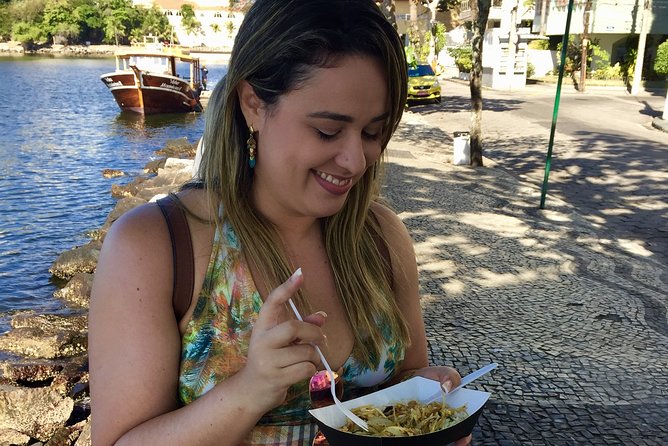
This is one of the main reasons this tour works for first-timers. You are not only tasting. You are learning the social and cultural backdrop that shaped what shows up on plates and in markets.
You may visit Casa França-Brasil, a neoclassical building dating from 1820. It often supports small-scale exhibitions, and on certain days you might find concerts held on the veranda. That is a nice pairing with the tour’s food-and-culture theme because it keeps the day from feeling like a checklist.
In the port-facing part of Rio, you can get time at the Museum of Tomorrow and the Museum of Art. The Museum of Tomorrow is an applied sciences museum focused on sustainability and conviviality, which ties neatly to the idea of eating locally and thinking about what comes next. The Museum of Art supports a reading of Rio’s history and social fabric, including an education program through Escola do Olhar. You get a sense of how museums in Rio treat art as something connected to everyday life, not just distant viewing.
Candelária Church is another standout. Built over a long stretch from 1775 into the late 19th century, it mixes Portuguese colonial Baroque with later neoclassical and neo-renaissance interior elements. Again, it is not food, but it helps you see the layers Rio carries, including Portuguese influence.
You also have a major literary stop: the Royal Portuguese Reading Room. It is described as the largest and most valuable Portuguese collection outside Portugal, with more than 350,000 volumes. Even if reading is not your hobby, you will still appreciate what this represents, especially in a country where Portuguese heritage shows up in language, religion, and city design. The neomanuelino style facade, inspired by Lisbon’s Jerónimos Monastery, is part of that story too.
One more practical angle: many of these cultural sites give you breaks from constant walking. Your day stays active, but you are not moving nonstop for the full half day.
A few more Rio de Janeiro options
- Half-Day Rio Food Crawl with 15+ Traditional Brazilian Tastings
★ 5.0 · 32 reviews - 3 Day Food Tour in Rio Cook and Taste Authentic Flavors
★ 5.0 · 28 reviews - Rio: Copacabana Food Tour with 7 Tastings and Local Flavors
★ 5.0 · 27 reviews - Rio Carnival Parade from a Prime Box – With Shuttle, Tour Guide, Food & Drink
★ 5.0 · 26 reviews
Port area stops: Kobra mural and Valongo Wharf’s big connections
Rio’s port area adds a different energy to the day. You get architecture, art, and a painful but important slice of history that helps explain the cultural influences behind Rio cuisine.
A major square here is tied to Rio’s port development, with highlights like the Rio Art Museum (MAR) and the Museum of Tomorrow nearby. You will also see the A Noite building, noted as the first skyscraper in the city, built in 1930, plus the statue of Barão de Mauá.
Street art comes next with Eduardo Kobra’s mural in the port area. The mural in Gamboa is described as a 2500 m² graphite panel signed by Kobra, inspired by the Olympic rings and called Ethnic groups. It also received a Guinness World Record related to its scale. Even if you are not a street art person, you can still appreciate how this mural turns global symbolism into something local and visible.
Then you reach Valongo Wharf. This is a UNESCO-related site tied to excavations during port revitalization. The discovery of amulets and worship objects linked to Congo, Angola, and Mozambique makes the area feel deeply connected to African diaspora culture. For me, this is the moment when a food tour becomes more than flavor sampling, because it frames Rio as a place shaped by movement, trade, and cultural survival.
If you are short on patience for heavy topics, you can still handle Valongo Wharf, but it is worth going in ready for a slower, reflective stop.
Where to shop and where to sweeten up: SAARA and Confeitaria Colombo
The tour also gives you time in the SAARA area, described as a large open-air mall with eleven streets and more than 88 stores. It is the kind of place you can browse without feeling locked into a single shop. It is also rooted in an older pattern of immigrant family businesses, and the buildings still preserve original architecture from the early days.
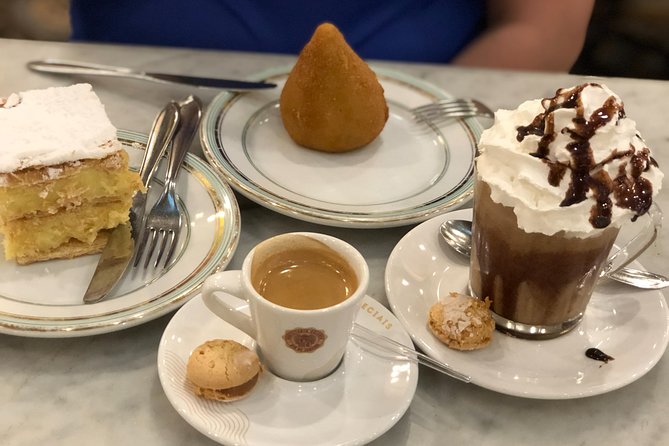
Then you get a dessert stop at Confeitaria Colombo. The setting is described as late 19th century with stained-glass windows, brocaded mirrors, and marble countertops. The food focus here is sweets, including pastel de nata. This is a smart move late in the tour, because it resets your energy and gives you something classic before the day ends.
Practical tip: if you have dietary restrictions, tell your guide ahead of time. The tour asks you to inform them about allergies and dietary needs, which matters because dessert and drinks are often the hardest part to customize.
The church circuit and national institutions, in one long day
The route includes several major religious sites and a couple of major national culture institutions. That is a lot for one afternoon, but the guide usually keeps it flowing with food and transport between areas.
You may see the Metropolitan Cathedral, known as an enormous concrete cone built between 1964 and 1976. The tour notes a main door about 18 m high, plus stained-glass windows sloping down from the summit. It is also described as capable of holding around 20,000 people. Even if you dislike religious architecture, you will likely enjoy the scale, because it is hard to ignore.
Another church stop includes a small museum at the entrance with statues of saints used during the Ash Wednesday procession. The description also calls out exuberant gilded wood decoration from the 1700s and a notable ceiling work linked to perspective in art. This is one of those stops where your guide can help you spot what matters, so you do not miss the point while you are busy taking photos.
The Santo Antônio Monastery is another highlight. It overlooks Largo da Carioca and is presented as a place where the inside is what earns attention. Look for the sculpted, gilded wood apse and painted ceiling elements mentioned for the confessional. The complex also has a historical note about protecting Cariocas from the French, which adds a layer beyond architecture.
Then you may visit the National Museum of Fine Art. The collection size is described as huge, around 18,000 exhibits, including Brazilian masters from the 19th and 20th centuries and works like paintings by Eugène Boudin. If you want a quick cultural crash course, this is a powerful stop, but you should pace yourself because it is easy to feel overwhelmed in a large collection.
You may also stop at the Brazilian National Library, an institution tied to the country’s intellectual production and described as one of the main national libraries in the world by UNESCO. It is listed as holding about 9 million items. The mention of restoration and conservation labs, binding workshops, and microfilming, plus digitization efforts, gives you a sense of the library as a working facility, not only a building.
Markets again, plus Theatro Municipal for a last big cultural hit
The tour can include farmers markets in Copacabana and Ipanema, depending on the day’s schedule. If you started in one neighborhood, this can feel like a second course of local food ingredients from a different part of town.
To finish, the Theatro Municipal is a smart capstone. It is described as similar to Paris’s Opera Garnier, with materials imported from Europe around 1905, and the opening tied to Bastille Day. Your guided tour can cover the auditorium, staircase, vestibule, and even the basement. If you want a wow ending, you might also have the option to enjoy a show, and the description mentions seating for over 2,000 spectators.
If you are tired of walking, plan to sit through part of the theater tour and let your guide do the talking. This is one place where you can slow down without losing the value of the day.
Price, time, and whether it is worth $175
At $175 per person for about 5 to 6 hours, this is not a budget snack tour. It makes sense when you look at what you get layered together: pickup, air-conditioned comfort, multiple stops across neighborhoods, and a guide who handles ordering for you.
You also get at least one stated admission element, Selarón Steps, where the tour includes about 30 minutes with ticket included. Add in the cultural site access you will walk through and the transport between areas, and the price shifts from just food cost into guided city value.
The small-group cap of 15 people matters here. It keeps the ordering process from turning chaotic when the group hits food counters.
So the real question for you is not cost alone. It is whether you want a single guide to connect food with Rio’s landmarks. If yes, this is good value for a first half day.
Should you book this Rio private food tour?
Book it if you fit this profile: you are new to Rio, you like learning as you go, and you want the guide to solve the ordering and language puzzle. It is also a strong pick if you want a mix of markets, classic bites, street art like Eduardo Kobra’s mural, and major landmarks such as Lapa Arches and the Royal Portuguese Reading Room.
Consider a different option if you hate long walks or you need a very low step count. Also, if you are traveling around major holidays, be aware that some establishments can close. One of the tour details points to closures around New Year’s Eve, so plan for the day to be less stable than usual.
FAQ
How long is the Rio private food tour?
The tour runs about 5 to 6 hours.
How much does the tour cost?
The price is $175.00 per person.
Is pickup included?
Pickup is offered.
Is the tour offered in English?
Yes, it is offered in English.
What size group is this tour?
The maximum is 15 travelers.
Are farmers markets included, and do they stay in one neighborhood?
Farmers markets are included, and they can take place in different neighborhoods on different days, so the exact itinerary may change a little.
Does the tour include any admission tickets?
Yes, the Escadaria Selaron stop includes an admission ticket for about 30 minutes.
What should I do if I have allergies or dietary restrictions?
You should inform the provider of any food allergies and dietary restrictions so they can plan for you.
What about cancellation if my plans change?
You can cancel up to 24 hours in advance for a full refund.
Is the tour physically demanding?
A moderate physical fitness level is recommended, since you will walk through neighborhoods and see sites like the Selarón Steps.
Newest Rio de Janeiro reviews
- Two Brothers Hike in Rio de Janeiro At sunrise★ 5.0 · 3 reviews
- Rio Paragliding Experience w/ Brazilian Female Champion video inc★ 5.0 · 3 reviews
- Tour 7 ( 4 hours ) : Tijuca National Park and Favela★ 4.5 · 3 reviews
- Tijuca Forest + Botanical Garden + Lage Park – by Alan Denis★ 5.0 · 3 reviews
- Rio de Janeiro by Yourself with English Driver by private Vehicle★ 5.0 · 3 reviews
- Personalized Tour in Rio. Main Attractions and Cultural Walk.★ 5.0 · 3 reviews
- Museum of Tomorrow – | Round Trip Transfer + 2 Tickets★ 4.5 · 3 reviews
- Stadium Stories & Food: Join a Maracanã stadium tour with a Local★ 3.5 · 3 reviews
Food Tours in Rio de Janeiro, compared.

Eat, drink, and discover Rio like a local – with a local.
Read our review →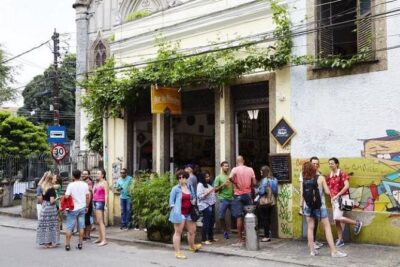
Rio Gastronomy: Culture & History Through The Art Of Food – Walking Group Tour
Read our review →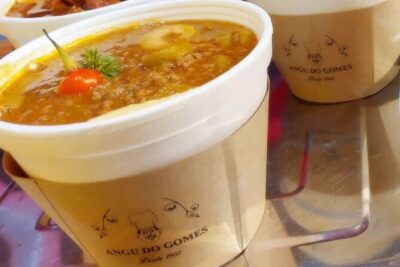
Food Tour Rio de Janeiro – The Best Typical Brazilian Dishes
Read our review →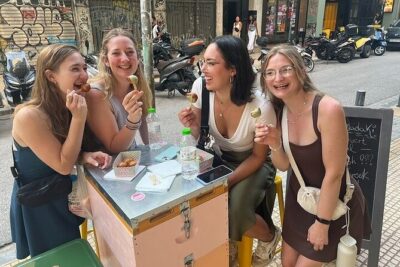
Half-Day Rio Food Crawl with 15+ Traditional Brazilian Tastings
Read our review →
3 Day Food Tour in Rio Cook and Taste Authentic Flavors
Read our review →
Copacabana Food Tour with 7 Tastings and Local Flavors
Read our review →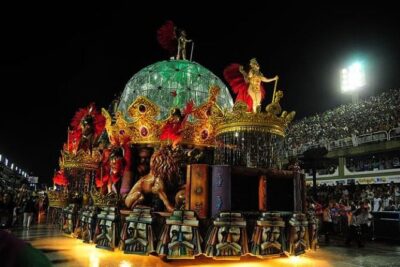
Rio Carnival Parade from a Prime Box – With Shuttle, Tour Guide, Food & Drink
Read our review →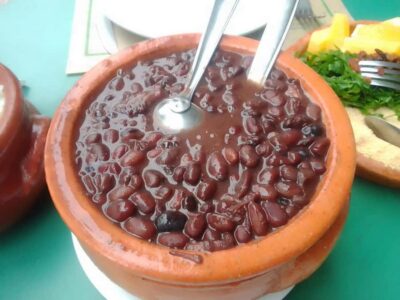
Browse the lists this tour appears in