

Reviewed · BRAZIL
JALAPÃO 5 DAYS – Nature and Culture
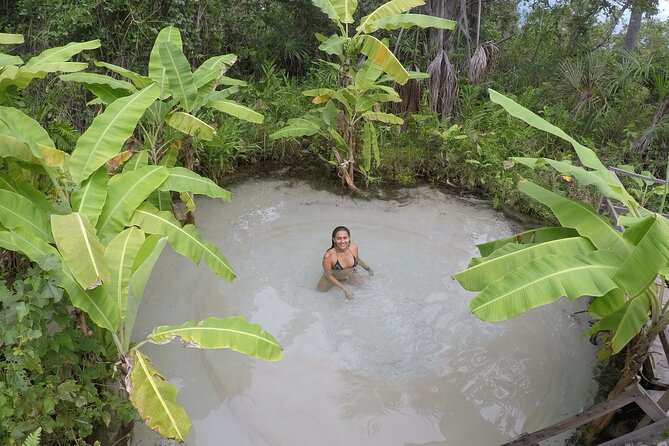
Jalapão is the kind of place that feels oddly cinematic: sand dunes at sunset, misty canyons, and those mineral-water pools called fervedouros where you can wade without sinking. This tour also adds quilombola community time, not just nature stops.
Two things I like a lot are the early, starry start for Serra do Espírito Santo and the hands-on food moments in the communities, including paçoca de carne seca and lunch served by families in the quilombola association. Guides like Naldera and Raweverton also bring the region to life with calm, detailed storytelling.
One thing to consider before you book: this itinerary is not slow travel. You will have early wake-ups (like a 4 am morning for the Serra hike) and long, bumpy dirt-road days. If you hate rushed starts, you may feel it.
Key highlights you should know

- Max 12 travelers, which keeps the pace friendly and the vehicle ride quieter
- Fervedouro circuit with different strengths, so you can choose how brave you feel in the flowing water
- Serra do Espírito Santo at dawn, with a short but medium to difficult climb and a big-sky payoff
- Quilombola meals served by families, including paçoca de carne seca and coffee with brown sugar
- Great photography stops, especially Buritizinho and the dunes at sunset
- Easy rafting option on Natos Jalapão, with mandatory gear and a straightforward route
Arriving in Palmas first, not last
This trip starts in Palmas, Tocantins’ capital. The idea is simple: get you to town the day before or the morning you depart, then give you a chance to reset. You transfer to the Select Hotel, and you can use that time to walk around, grab food, and avoid the classic travel-day scramble.
Why this matters: Jalapão is remote. Once you start moving toward the interior, you are trading convenience for atmosphere. A first-night buffer in Palmas helps you show up to day one more human.
I also like that the program is designed around local flow, not a rigid schedule that ignores real roads. Your transportation is arranged and shared, so you are not coordinating multiple vans with strangers.
A few more Palmas options
- Manaus to Belem 5-Day Local Boat Trip
★ 3.4 · 46 reviews - 5-day experience to Vale do Pati and Chapada Diamantina
★ 5.0 · 35 reviews
Portal do Jalapão: Pedra Furada and Lagoa do Japonês
On the second day, you head out around 8 am after breakfast from Taquaruçu, then you roll toward Ponte Alta, the Portal do Jalapão area. Around 10:30 am you arrive at Morro da Pedra Furada, a striking rock formation you reach with the included entry. It is a strong start because the scenery changes fast: the land feels ancient and layered, and the light tends to look great for photos.
After lunch, you go to Lagoa do Japonês. This lagoon is known for clear water with emerald and blue tourmaline tones. That color combo is the reason people come. You get time to enjoy the water visuals without turning it into a rushing swim stop.
Practical note: bring a small dry bag or zip pouches. Even on calm days, water stops in Jalapão can get messy fast, and you will want your phone and dry clothes to stay clean.
Coração do Jalapão day: Sussuapara, Rio Novo beaches, and the dunes
Day three feels like a greatest-hits montage, but it stays organized. You leave Ponte Alta early and cross toward Coração do Jalapão. The drive includes about 190 km of dirt road, so you will feel the road in your body, even with the shared 4×4 and air conditioning.
The first stop is the Sussuapara Canyon, described as a sanctuary where it can feel like rain because of constant mist or humidity. Even if you never see actual showers, the mood is moody and cool compared with the brighter, sandy places later.
Then you head to the Rio Novo Quilombola Community at about noon. Here you get two good things in one: paçoca de carne seca as part of the community experience, and then a small beach with drinking water where you can rest. This stop is more than scenery. It gives you a real reason to slow down and talk with people running daily life there.
You finish at the Dunas do Jalapão. If conditions cooperate, you catch a sunset. This is the kind of place where your camera works overtime, but I recommend also just watching for 10 minutes without shooting anything. The dunes at golden hour have a way of changing your sense of scale.
The fervedouro circuit: Encontro das Aguas to Ceica
If you only remember one theme from this trip, make it the fervedouros. Day four is built as a sequence of natural water pools with different pressure and flow, starting from gentler boilers and moving to stronger ones. The guide approach is practical: you do not need to do everything at max intensity. You can go in step by step and decide what feels comfortable.
First up is Fervedouro Encontro das Aguas. This is the one you approach as a progression, and it is a good introduction because the water behavior changes from pool to pool.
Next is Fervedouro Buritizinho, often considered the best for photography. The water look plus angles make it easier to get that dramatic “floating” effect visitors want, and it is also a nice emotional break after the earlier more instructional stop.
Then you hit Fervedouro do Buriti, tied to the Lino family. Family connection matters here. You are not treating these pools like random tourist sets. You are seeing how locals relate to land and water.
Fervedouro do Ceica is the oldest brewery, first open to the public. This gives the stop a sense of time, and the floating experience helps you understand why fervedouros became famous without you needing a lecture.
One more practical thought: fervedouro days are slippery days. Pack water shoes with good grip if you have them. If you do not, you will still make it work, but you will feel your choices in your feet.
Serra do Espírito Santo dawn, Formiga waterfall, and big finale waters
Day five is early in the real way: wake up around 4 am. After a short ascent of about 750 m, you reach the Serra do Espírito Santo and watch dawn from the top if weather is clear. The payoff is described as dramatic, with more stars than you expect.
This is the hardest “time” commitment on the trip, not necessarily the longest. The ascent is challenging at a medium to difficult level, so you should be prepared to climb steadily and breathe through it. If you are fit and calm about pace, it feels doable. If you try to rush, you will feel it.
After the dawn climb, you return to the inn for breakfast around 8 am. That timing is smart because it lets you recover before the next outdoor push.
Next comes Cachoeira do Formiga, when you least expect it. That phrasing is accurate for the way the day unfolds, because the waterfall stop provides a reset. Then you go to Fervedouro das Macaubas for another distinctive floating water moment, described as unique compared with the others.
Lunch is part of the quilombola experience again, at the Comunidade Quilombola do Prata. Meals are handled by families in the association, with lunch done by one family at a time. You also try coffee with brown sugar. This is one of those details that makes your travel feel less like checklists and more like relationships.
You finish the day at Fervedouro Bela Vista, the largest and best known in Jalapão. It is a strong closer because by then you have learned what to expect, so you can focus on enjoying the water instead of figuring out the rhythm.
Natos Jalapão rafting, farewell waters, and returning to Palmas

Day six adds a little variety beyond walking. First is Natos Jalapão rafting at an easy level. You start with preparation around 8:30 am, get mandatory equipment, and receive instructions. Around 9:00 am you depart, then the group rides along the river for about 12 km to the starting point.
The activity ends at Praia das Araras around 11:30 am. For planning, note the drive from São Félix: you leave, drive about 10 km, then reach the rafting entrance. The rafting departure point is about 18 km from the city center.
If you do rafting on this day, it does not disrupt the rest of the itinerary. That’s helpful because it means you can plan the day without worrying about cascading delays.
Then you go to Fervedouro do Alecrim, described as the oldest in São Félix. For the people who are doing rafting, there is a note that you can do this the night before. Either way, you still get a calm water stop.
You follow with Cachoeira das Araras, a quick farewell to the waters of Jalapão. Even if the time is short, the feeling is big because you have seen enough pools and then suddenly you are back in waterfall mode.
At 3 pm, you pass in front of Morro da Catedral for photos and then you travel back to Palmas. Dinner is free in Palmas, which gives you that nice cushion to celebrate, decompress, and plan your last-day recovery.
What the communities add, and why it changes the whole trip
The itinerary repeatedly touches quilombola communities, and that’s not just a cultural box to tick. These are meals managed by families, with specific local foods and drinks tied to daily life. In Rio Novo, you have paçoca de carne seca and a beach moment. In Prata, you have an association lunch where one family at a time hosts, plus coffee with brown sugar.
That matters because Jalapão is not only about physics of water and the geometry of dunes. It is about people adapting to remote terrain, making hospitality a part of survival, and keeping their own rhythm while welcoming visitors.
This is also where the guides’ names you hear in the praise make sense. Naldera, for example, is repeatedly described as patient and wise, with deep regional knowledge that includes nature plus community history. You do not just get told what to look at. You get context for why locals care about the same places you are taking pictures of.
Price and value: what $1,239.56 covers
At $1,239.56 per person, this is not a budget outing. But you should judge it as a package for a remote region, not as an itemized shopping list.
Here’s what you get for the price that actually affects your day:
- 6 breakfasts and 5 lunches included, plus water provided during the tour for moisturization
- Entrance fees to the listed attractions
- 4 accommodations in Jalapão and 2 in Palmas, meaning you are not constantly moving hotels
- Airport to hotel to airport transfers, so you avoid the transfer chaos that kills vacations
- Shared 4×4 with air conditioning
- Local guide (environmental driver) and accident insurance
- Residences in quilombola communities, tied to the community food experiences
What is not included:
- Airline tickets and personal expenses
- A bilingual Portuguese/English guide, because you must contract that separately
- A few items marked as admission ticket not included, like the Serra do Espírito Santo and rafting in the provided notes
So the value is strongest if you want a guided, supported route with meals and lodging handled, and you appreciate the community component. If you are a hardcore independent traveler who hates structured days, you might find the price harder to justify. But if you want fewer headaches and more time outdoors, it tends to feel fair.
Group size and guide style, the stuff you feel every day
This tour caps at 12 travelers, and you can feel what that means. You get less waiting around at stops. You also get more space for questions, especially with guides who care about pacing.
From the feedback, the guide performance is a big deal. People highlight attention to detail, calm tone, and patient support. Names that show up include Raweverton, Tato, Naldera, and Jelke, all praised for being attentive, respectful, and fun without turning the trip into a loud show.
There’s also a recurring theme of organization from booking to return. That is not glamorous, but in a remote region, it matters. The quiet and safety comments are usually a sign that the driver and guide team understand the terrain and manage risk calmly.
Practical tips for Jalapão: keep your gear simple
You will be moving between dirt roads, water stops, early climbs, and community meals. Pack for that mix, not for a single type of weather.
Bring:
- Comfortable shoes for mixed terrain, plus water shoes if you have them
- A light rain layer for misty canyon areas and unpredictable weather
- Sun protection. You spend time outdoors early and late
- A small dry bag or zip pouches for your phone and documents
- Power bank and a way to keep cables safe during water stops
Also consider that one guest specifically mentioned using snorkel and a snorkel mask in river water, because they had them and wanted to avoid getting hurt around stones. You might not need that for every stop, but if you like extra water time, bring what you use.
Finally, for your body: expect early mornings and bumpy rides. If you are prone to motion sickness, take steps before the trip. One review notes doing medication due to kinetosis, and that helped.
Who this tour fits best, and who should think twice
This trip fits best if you:
- Want nature plus community life in one tight route
- Enjoy being active but do not need extreme hikes every day
- Care about water experiences, especially the fervedouros
- Like organized travel with local guiding and meals included
Think twice if you:
- Hate early wake-ups. Serra day is truly early
- Have tight mobility limitations. There are short climbs and slippery water access points
- Want fully independent pacing. This is a scheduled, guided flow
Should you book this Jalapão plan?
I would book it if your priority is the full Jalapão mix: the fervedouro circuit, dunes at sunset, and those community meals that make the trip feel human. The small group size and the consistently praised guide style, including named guides like Naldera and Raweverton, are strong signals that day-to-day experience quality is taken seriously.
I would hold off if early starts and a physically active schedule sound like misery. This is a remote area, and the itinerary is built around catching the best light, especially at dawn.
If you are deciding, do this one self-check: Can you handle 4 am wake-ups and a few long, bumpy dirt-road stretches with good humor? If yes, you will likely love how often Jalapão manages to surprise you.
FAQ
How long is the tour from the start in Palmas to the finish?
The package is described as 5 days in Jalapão, with transfers and extra nights in Palmas, for an overall itinerary of about 7 days.
What is the group size?
The tour has a maximum of 12 travelers.
What meals are included?
You receive 6 breakfasts and 5 lunches. Water for moisturization is also provided during the tour.
Are entrance fees included?
Yes, entrance fees to the tourist attractions are included.
Do you provide a bilingual Portuguese/English guide?
A local environmental driver is included, but a bilingual Portuguese/English guide is not included. You must contract that separately.
Which activities might have admission tickets not included?
The notes specify admission ticket not included for the Serra do Espírito Santo and for Natos Jalapão Rafting.
How early does the day start?
The meeting point start time is listed as 7:30 am, but there is also a very early wake-up for the Serra do Espírito Santo day, starting around 4 am.
If I cancel, can I get a refund?
You can cancel up to 6 days in advance for a full refund. Cancel 2 to 6 days before for a 50% refund, and cancel less than 2 days before for no refund.
Newest Palmas reviews
- Jalapão 3 Days★ 5.0 · 114 reviews
- JALAPÃO 6 DAYS – Nature and Culture★ 5.0 · 525 reviews