
Reviewed · SãO PAULO HIGHLIGHTS
São Paulo: Paulista Avenue Walking Tour
São Paulo’s Paulista Avenue is the city’s big lesson in how power, culture, and everyday life share the same street. This 3-hour walk starts at Japan House and moves past landmark buildings, art stops, and classic viewpoints, all with an expert guide keeping the story clear and practical. It’s a smart way to get your bearings fast in a neighborhood that can feel like it’s moving at city speed.
I love how much you cover, 18 famous sights in a single outing without racing. I also like the human touch from guides such as Proscila, Doris, Renato, Ilan, and Laura, who focus on context and answer questions without turning it into a lecture. One thing to consider: this tour is not built around paying museum entrances, so if your main goal is going inside major ticketed sites, you’ll need to plan that separately.
Key Things You’ll Notice on This Paulista Avenue Walk
- Japan House as the orientation start, so you understand what Paulista is before the buildings start flying by
- 18 landmark stops in about 3 hours, enough time to see big names and still pause for photos
- Street art on the route, including Eduardo Kobra murals, not just “pretty skyline” moments
- Breaks for pictures and contemplation, with time built in for a slower look at details
- Outside views of major institutions, with entrance fees typically not part of the plan
- Guides who adjust when needed, including a documented route adjustment when Japan House was closed
Why Paulista Avenue Works So Well on Foot
Paulista Avenue can look like a wall of offices and museums from a distance. On foot, it becomes something else. You start seeing the street as a timeline, where architecture, health institutions, schools, finance, media, and public culture all grew side by side.
That’s the real reason this kind of tour is worth your time. Instead of jumping between far-apart stops, you walk the connective tissue. You’ll notice how one building’s purpose links to the next, and how the avenue’s identity keeps shifting while still feeling like one continuous place.
Another plus: the tour is built for a smooth pace with frequent stopping. That matters on Paulista because the details are the point, not just the postcard angles. You’ll have real moments to look up at façades, spot the design choices on older buildings, and then re-center when the crowd noise rises again.
Start at Japan House, Then Get Your Bearings Before the Pace Picks Up
Your tour begins at Japan House, a logical starting point because it anchors the idea of Paulista as a cultural crossroads. Your guide sets the tone right away with background on the avenue, so when the famous names start appearing, they connect instead of just stacking.
Japan House also gives you a good first visual cue. You’ll immediately see that Paulista isn’t only “old versus new.” It’s planning, institutions, and public-facing culture all mixed together.
From there, the route moves through a chain of major sites that show different sides of the city. Expect a consistent rhythm: walk a bit, stop and look, learn what the building represents, and then keep going.
If Japan House happens to be closed due to construction or access changes, a guide has reportedly adjusted the plan in response. The takeaway for you is simple: the goal is still to keep the walk moving and meaningful, not stuck at a closed door.
How 3 Hours Fits, and Why the Stops Matter More Than the Speed
A 3-hour walking tour sounds simple until you’re standing on Paulista in real traffic and real crowds. This one is designed around pacing that lets you keep your eyes open. The stops aren’t just quick photo breaks. They’re time for you to reset, read the scene, and absorb what you’re seeing.
You should plan to wear comfortable shoes. Paulista can be hard on your feet, and you’ll be walking enough that “nice sandals” becomes “why did I do that” by hour two.
Also bring sunglasses and sunscreen. Even on a cloud day, Paulista sun can hit hard, and the tour runs in all weather conditions. That means you should dress for rain too, if the forecast suggests it. You don’t want your experience to turn into an indoor day when the tour is meant to be outdoors.
Stop-by-Stop on Paulista Avenue, What Each Landmark Is Teaching You
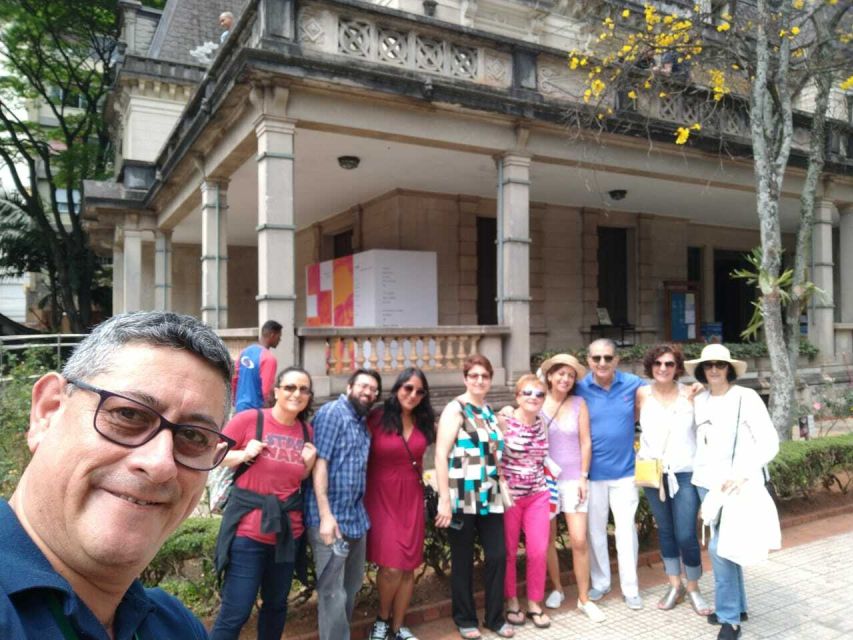
You’ll see a sequence of famous places that help explain Paulista’s evolution. Since the focus is on walking and outside viewing, use this as your “map plus meaning” tour. If you want to go into any ticketed museum or attraction, you’ll handle that separately.
Santa Catarina Hospital, the avenue as an institution
Early on, you’ll pass Santa Catarina Hospital. This is one of the first signals that Paulista isn’t only about art and money. It’s also about health and major public services. When you understand that, the rest of the street stops feel less random.
Look closely at how large institutions claim space along the avenue. On Paulista, that’s a recurring theme.
Casa das Rosas, culture that grew from a home
Next comes Casa das Rosas, a standout because it represents how private life and culture can merge into public identity over time. It’s one of those places where the building and its purpose give you clues about shifting city values.
When you stop here, take a slower look. Even if you don’t go inside, you’ll start noticing the details you’d otherwise miss.
Sesc Avenida Paulista, public culture with a practical mission
Sesc Avenida Paulista is part of the avenue’s cultural infrastructure. Sesc is known for programming that feels accessible, and this stop helps you see Paulista as a place where culture is not only for elite museums.
I like this kind of stop because it explains why the avenue attracts millions through the year, not just during major events.
Eduardo Kobra murals, street art as city memory
You’ll also see street art, including Eduardo Kobra murals. This isn’t decorative for decoration’s sake. It’s public storytelling, placed where people already flow daily.
At this stop, don’t rush the view. Kobra murals reward patience, because the scale and detail are meant to be noticed over time.
Itau Cultural Institute, exhibitions and modern Brazilian culture
The route continues with the Itaú Cultural Institute. Even if you’re not entering a ticketed space, the point here is understanding how Paulista became a stage for Brazilian arts and contemporary exhibitions.
This stop helps you link money and culture without pretending they’re separate worlds.
State School Rodrigues Alves, education as a pillar
You’ll pass State School Rodrigues Alves, which gives the avenue a different kind of weight. Education along Paulista tells you the city didn’t only grow by business and entertainment. It also grew by training people to build the future.
It’s a quieter stop in terms of spectacle, but it helps the story become balanced.
Pasteur Institute, health science and the public good
Then there’s the Pasteur Institute, another important clue that Paulista has long carried serious scientific and health-related roles. It’s a reminder that the city’s identity is built on more than just skyline icons.
If you like history that feels grounded in real institutions, this is a good moment to pause and think about what “progress” meant in different eras.
FIESP Building, power and industry in physical form
Later, you’ll reach the FIESP Building, tied to Brazil’s industrial and economic world. This stop is where you can feel the avenue’s “decision-making” side.
Stand back and look at the scale and presence. Even without stepping inside, the architecture communicates importance.
MASP and Trianon Park, art and the green break
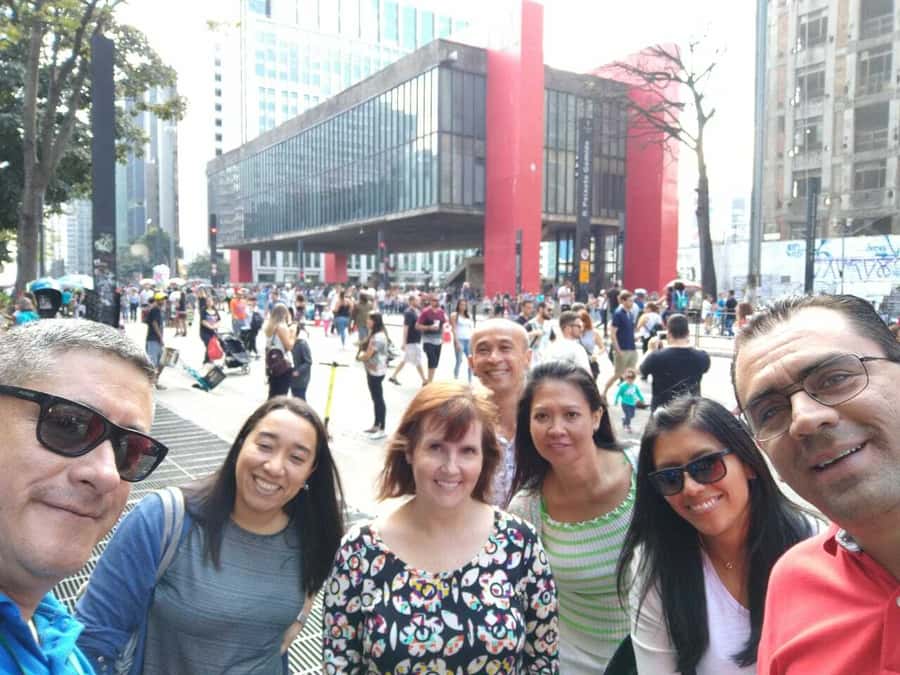
Next up is the São Paulo Museum of Art (MASP) area, then Trianon Park. MASP is iconic, so you’ll likely recognize it fast, even from across the street. The key is that your guide will explain what makes it significant in the cultural story of the city.
Right after, the walk reaches Trianon Park. This is your chance to breathe and reset. It also shows that Paulista is not only concrete ambition. You need the green moments to keep the day enjoyable.
If you’re planning photo time, this is a good place to slow down and get a clean shot without rushing.
July 9 belvedere viewpoint, city views with context
You’ll also visit the July 9 belvedere viewpoint. This is one of those stops where the value is twofold: the view itself and the explanation of what you’re seeing from that perspective.
Use this time to look outward, then relate the view back to what you learned earlier. That mental connection is what makes the walk feel like more than a list of sights.
Gazeta Building, media history along the same avenue
The route passes the Gazeta Building, tied to media influence. On Paulista, media architecture matters because it shaped public conversations and city identity.
If you care about how ideas spread, this is a strong stop. It helps you understand why Paulista kept becoming a stage for people.
Alameda Ministro Rocha Azevedo, a quieter stretch with design details
You’ll move along Alameda Ministro Rocha Azevedo, which brings a slightly calmer rhythm. It’s not just another street segment. It helps you see how the avenue’s layout channels movement and frames buildings.
This is a good segment for observing how space is used, especially if you’re the type who enjoys urban design.
Residência Joaquim Franco de Melo, the city’s earlier layer
Then there’s Residência Joaquim Franco de Melo, which stands out because residences reflect older patterns of wealth and living. Along Paulista, that contrast is part of the story.
This is the kind of stop where you’ll appreciate the guide’s explanations most, because the meaning isn’t obvious just from a quick glance.
Augusta Street, where Paulista energy shifts
You’ll continue onto Augusta Street, a name that carries its own personality. This is where the avenue’s “everything at once” vibe becomes even more noticeable.
Take a moment here to observe how the street feels different. It’s not only buildings now. It’s also movement, culture, and street-level life.
Conjunto Nacional and Livraria Cultura, shopping plus culture
Next is Conjunto Nacional and the Livraria Cultura bookstore area. This pair is a good reminder that Paulista culture includes leisure, books, and public gathering spaces, not just formal institutions.
If you want to pick up a book or souvenir, this kind of stop is practical. Just remember entrance fees are not the tour focus, but browsing and spending on your own is part of the overall experience.
Instituto Moreira Salles, art that connects to Brazilian life
The walk ends at Instituto Moreira Salles. This stop helps complete the arc from institutions to culture, showing how Paulista holds spaces for arts and public learning.
Even if you do not go inside, the guide’s context helps you leave with a better sense of why this corner of the city matters.
What the Licensed Guide Actually Changes for You
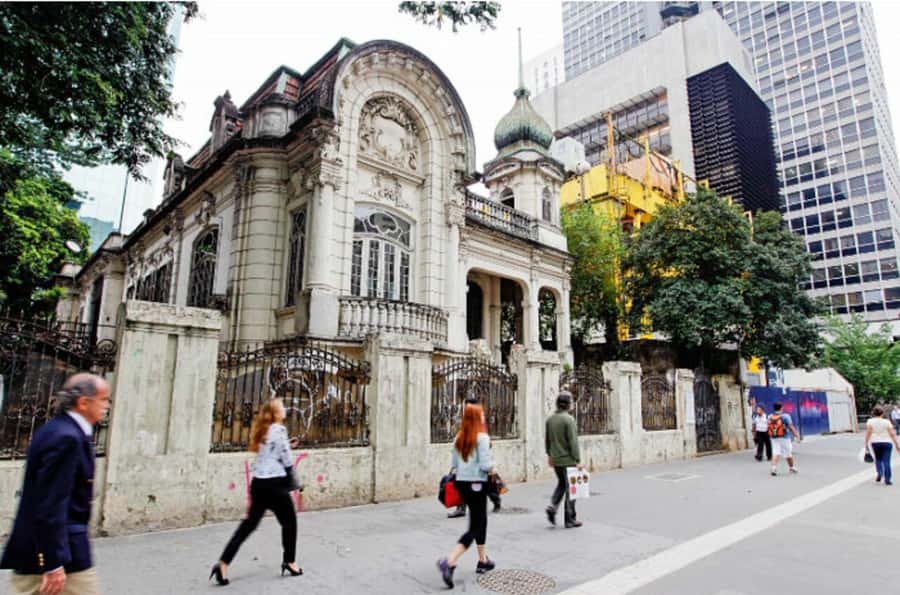
A walking tour can be a sightseeing loop, or it can turn into a map you carry in your head. This one tends to do the second part because the guide role is central.
When guides like Doris, Renato, Ilan, or Laura are leading, the focus is on clear context, and the pacing supports questions. One nice detail from real experience is that Doris reportedly adjusted the route when Japan House was closed due to construction, keeping the tour useful rather than wasting time.
That’s what you want from a guide: not just facts, but flexibility and a sense of when to slow down for your questions. You’ll also get stops timed for pictures, contemplation, and exploration. Some people also use these breaks for small snack buys or souvenir browsing along the way.
Also, the tour is offered in English, Spanish, and Portuguese, which helps you get full value even if your Portuguese is limited.
Price and Value: Is $100 for 3 Hours Worth It?
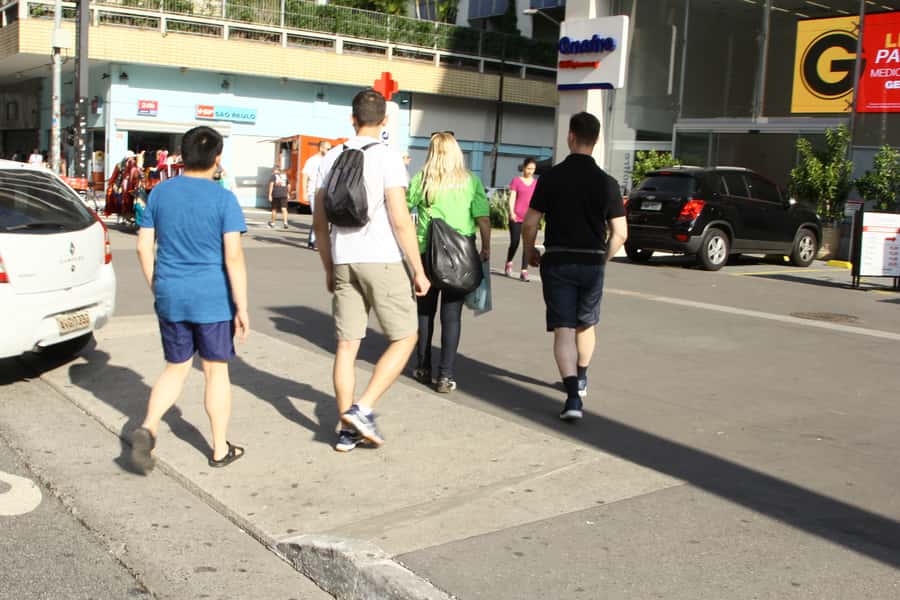
At $100 per person for a 3-hour private walking tour, you’re paying for structure. You’re not paying for museum entries or meals, because those are not included. So the value comes from two things: a professional licensed guide and the efficiency of walking a concentrated set of landmarks without having to plan every turn.
If you’re the kind of traveler who can read plaques but still wants the bigger story, this price makes sense. The guide helps connect buildings to the social changes that shaped the avenue, and the tour reduces guesswork, especially on the first day you arrive.
If, instead, you want a heavy dose of indoor museum time, this might feel limited. Since the tour is not aimed at getting into sights that charge admission, you’ll likely be viewing many major names from the outside or at street level. You should treat it as a foundation. Then decide what you want to enter later based on what you learned.
Who This Paulista Avenue Walk Suits Best
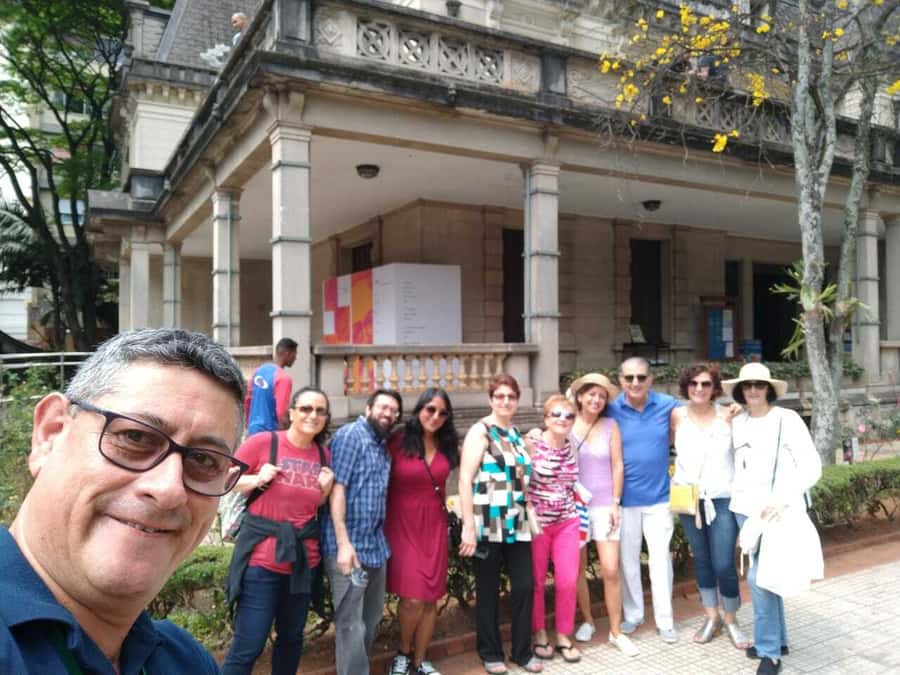
This tour fits especially well if you:
- Are in São Paulo for a short time and want a focused way to understand Paulista Avenue
- Like city history explained through buildings, not through a textbook
- Prefer walking with stops over riding a vehicle nonstop
- Want a guided route that helps you return later and navigate with confidence
It’s also wheelchair accessible, and it runs in all weather conditions. So if you need an outing that can still happen even when the day is rainy or hot, this format can work.
Should You Book This Paulista Avenue Walking Tour?
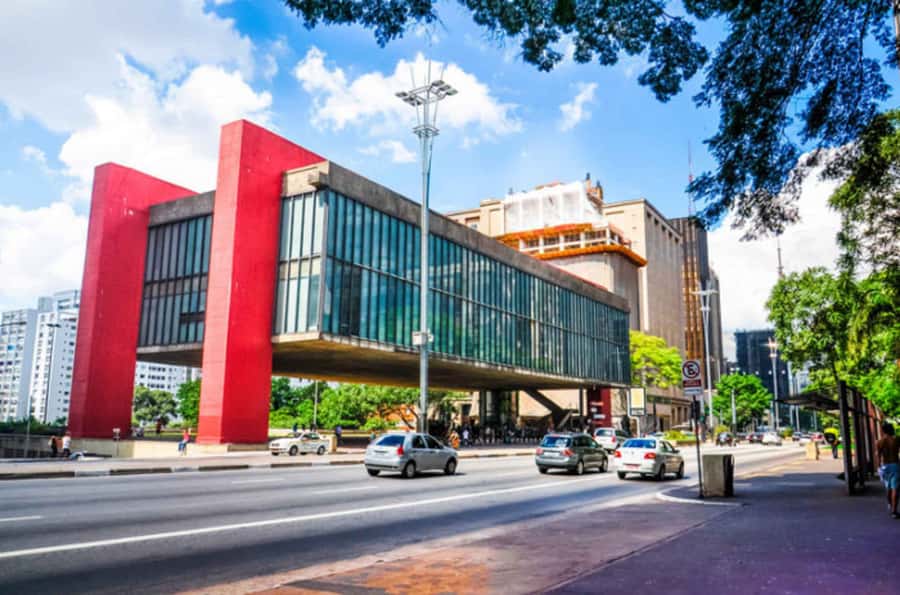
If your goal is to understand Paulista Avenue, not just take photos of it, I’d book this. The route gives you a balanced mix of health institutions, education, media, big cultural names like MASP, major architecture anchors like FIESP, street art with Eduardo Kobra murals, and a couple of planned pauses like Trianon Park and the July 9 belvedere viewpoint.
The main reason not to book is simple: you’re hoping for a tour that includes inside visits to ticketed museums and attractions. This one is designed for outside viewing and guided context, with entrance fees extra on your own.
If you like clear storytelling and you want to leave with your own mental map of Paulista Avenue, this $100, 3-hour walk is a strong value.
FAQ
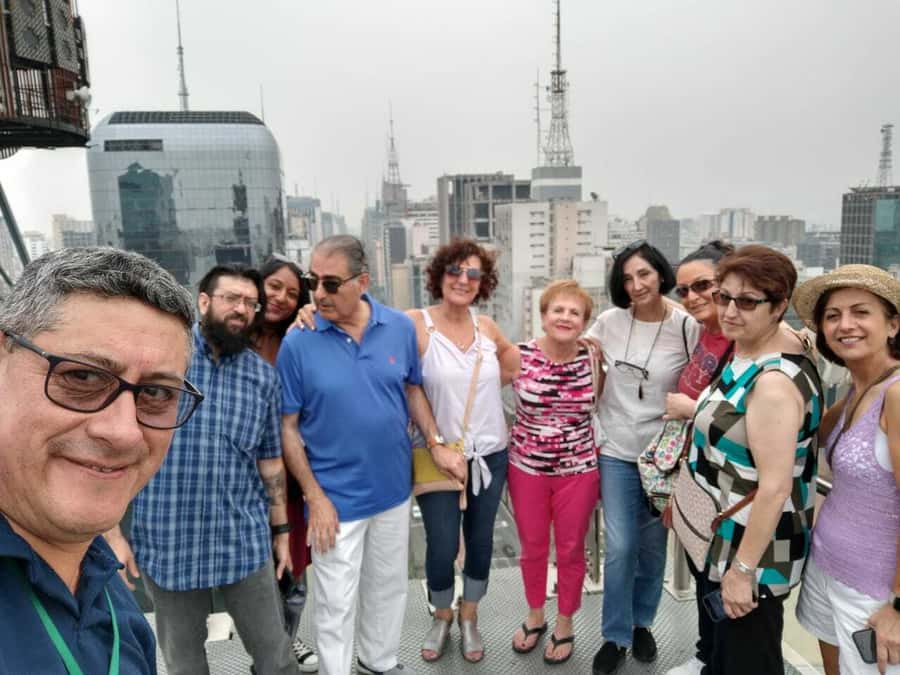
Where does the Paulista Avenue walking tour start?
The meeting point is Japan House on Paulista Avenue.
How long is the tour?
The tour lasts 3 hours.
How many sights will I see during the walk?
You will see 18 famous sights on Paulista Avenue.
What is included in the price?
The price includes a professional licensed guide, the walking tour itself, and all taxes and handling charges.
Is food and drinks included?
No. Food and drinks are not included.
Are entrance fees included?
No. The tour is not aimed to get into museums and sights that charge admission fees, and entrance fees are an additional expense.
What languages does the guide speak, and is it wheelchair accessible?
The live guide speaks English, Spanish, and Portuguese, and the tour is wheelchair accessible.
What should I bring, and do I need to tip?
Bring comfortable shoes, sunglasses, and sunscreen. Gratuities are optional and not included.
More Walking Tours in Paulista Avenue
- Rio de Janeiro: Rocinha Favela Walking Tour with Local Guide
★ 4.8 · 3,052 reviews - Rio De Janeiro: Half-Day Rocinha Favela Walking Tour
★ 4.7 · 2,272 reviews - Walking Tour Alleys of Tiradentes
★ 5.0 · 1,685 reviews - 3 Hour Rocinha Favela Walking Tour with a Local Guide
★ 5.0 · 833 reviews
More of São Paulo
- Skydive Tandem – São Paulo – Brazil
★ 5.0 · 1,840 reviews - São Paulo’s Full Day City Tour: Main City Sights in 7 Hours – (Shared Group)
★ 5.0 · 1,691 reviews - 5-hour Private Tour Of São Paulo With Its Main Sights – Optional Airport Pickup
★ 5.0 · 643 reviews - São Paulo: Main City Sights in 7 Hours – Shared Group Tour
★ 4.9 · 587 reviews
São Paulo Highlights, compared.

São Paulo’s Full Day City Tour: Main City Sights in 7 Hours – (Shared Group)
Read our review →
5-hour Private Tour Of São Paulo With Its Main Sights – Optional Airport Pickup
Read our review →
Main City Sights in 7 Hours – Shared Group Tour
Read our review →
6-Hour Classic Half-Day Private Tour of São Paulo – Optional Airport Pickup
Read our review →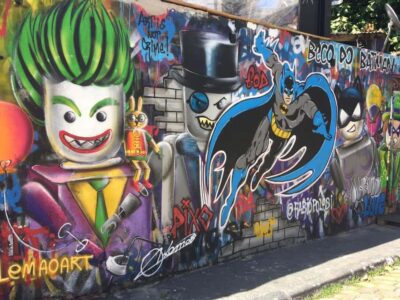
Amazing São Paulo overview in 4 or 5 hours with a private guide
Read our review →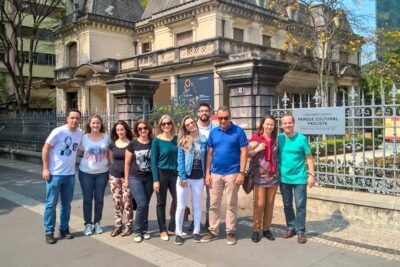
Browse the lists this tour appears in