
Reviewed · FAVELA TOURS
2 in 1: Private Favela & Little Africa- The Full African History!
What makes this 2 in 1 Private Favela and Little Africa tour so interesting is that it ties Rio’s street level life to the places where the African story in the city began. I like that it is completely private so you beat the crowds, and I love the focus on African history through Cais do Valongo and the port zone murals.
You ride in your own air-conditioned vehicle, and your licensed guide turns each stop into a clear, human story. One thing to consider: the Mirante Dona Marta favela visit is optional, and the favela guide fee and some admission costs are not included, so you’ll want to plan your budget if you want the full experience with context.
I also like that you get to match the pace to your group, with licensed guides such as Andre or Ulysses known for being personable and for handling changes when weather gets in the way, plus drivers like Junior who know how to move through Rio traffic.
Key Things You’ll Remember
- Private and paced for your group, not a crowded bus line
- Licensed guide storytelling, with strong praise for guides like Andre and Ulysses
- Cais do Valongo gives you a clear starting point for the African arrival story
- Porto Maravilha murals use art on the walls to explain slavery in Rio
- Mirante Dona Marta is optional, so you can choose how much favela time you want
- Real flexibility on the day, including adjustments when weather becomes an issue
A Private Route That Links Rio’s Viewpoints to Little Africa
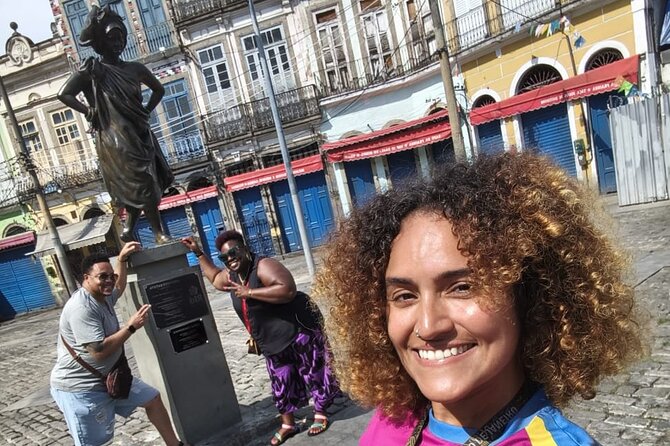
This tour is built around one big idea: in Rio, the past is not stuck in a museum. It’s on docks, in streets, and in the neighborhoods people pass every day. The route jumps from a viewpoint in a favela area to key Little Africa sites around the port and docks, so the morning and afternoon feel connected instead of random.
You’ll travel in an air-conditioned vehicle with your own group. That matters in Rio, where heat and traffic can steal energy fast. With this setup, you’re not squeezed into an all-day cattle call. You can ask questions as you go, and you can get answers without waiting your turn.
And since it’s a 2 in 1 concept, you also get balance. You see how Rio looks from above in Mirante Dona Marta, then you ground your understanding in the waterfront locations tied to the African diaspora. It helps you connect what you’re seeing on the surface with what shaped the city underneath.
More Historical Tours in Rio de Janeiro
- Rio de Janeiro Historical Center Walking Tour
★ 4.5 · 336 reviews - Private Walking and Cultural Tour Rocinha-Rio de Janeiro
★ 5.0 · 239 reviews - Discover Rio Little Africa: A Cultural and Historical Journey
★ 5.0 · 238 reviews
What You Pay, What You Actually Get, and How to Budget Smart
The price is listed at about $171.43 per group, up to 4 people, for around 7 hours. That pricing is usually best when you fill the group. If you’re two people, the per-person cost is higher than if you’re four, but you still get the big advantage of private guiding and private transport. If you’re a couple who hates crowd dynamics, it can be great value.
Here’s the key money point: several of the history stops are free. Cais do Valongo is free, Porto Maravilha is free, Pedra do Sal is free, and the IPN museum stop is free. So the core of the itinerary is not draining your wallet.
Then come the extras. The Mirante Dona Marta favela viewpoint says admission ticket not included. Also, there is a listed option for a Carnaval experience ticket, noted at R$100 per person. If you want the favela guide experience included more deeply, there’s an additional favela guide fee listed at R$150 per person. Drinks, dessert, and lunch are also not included.
My practical advice: decide early if you want Mirante Dona Marta as more than a photo stop. If you do, set aside the extra money for the favela guide and be ready for a ticket cost there. If you want a tighter budget, you can still do plenty of free, meaningful stops without paying for add-ons.
How the 7-Hour Day Feels in Real Rio Time
You’re looking at about 7 hours total. In practice, that kind of time window works well for two reasons. First, the itinerary uses short, focused blocks at several landmarks, so you’re not stuck in one place forever. Second, you’re moving by car between zones, which helps you keep your energy for the parts that matter.
You also get an advantage if your guide and driver are experienced with traffic patterns. From the best feedback on this experience, the driver is often praised for knowing routes through city traffic, which helps you spend time on stops instead of inching through gridlock.
The day also includes a few earlier landmarks that set context before you hit the Afro-Brazilian sites. That way, you’re not thrown straight into heavy themes without any framing.
Finally, there’s flexibility built into the experience. Weather can be a real factor in Rio, and the guide and driver have been noted for being willing to make adjustments when that happens. Translation: you’re less likely to feel like the day is rigid.
The Opening Context Stops: Park, Founder, and WWII Memorial
Before you reach the Little Africa core, the route includes several city landmarks that help you “read” Rio as a place that changed over time.
You’ll first pass through the largest urban park in the world. This kind of start can feel surprising on an African history tour, but it’s smart. Rio is not just coastline and neighborhoods. The park stop signals the scale of the city and the way Rio expanded into and around major natural space.
Next comes a monument honoring the city’s founder. That’s another context piece. You’re reminded that Rio’s growth and identity have always been tied to power, migration, and conflict, not just tourism postcards.
Then you’ll see a monument in honor of the military on World War II. That stop grounds you in a modern layer of history. It won’t replace the African history stops later in the day, but it does help the narrative feel like Rio across eras, not only one chapter.
These early stops are usually brief compared with the afternoon. Still, they set up a more meaningful feeling when you later stand at places connected to African arrival and forced labor.
More favela tours led by residents:
- Rio de Janeiro: Rocinha Favela Walking Tour with Local Guide
★ 4.8 · 3,052 reviews - Rio De Janeiro: Half-Day Rocinha Favela Walking Tour
★ 4.7 · 2,272 reviews - 3 Hour Rocinha Favela Walking Tour with a Local Guide
★ 5.0 · 833 reviews - Favela Tours
★ 5.0 · 660 reviews
Mirante Dona Marta: The Optional Favela View That Changes How You See Rio
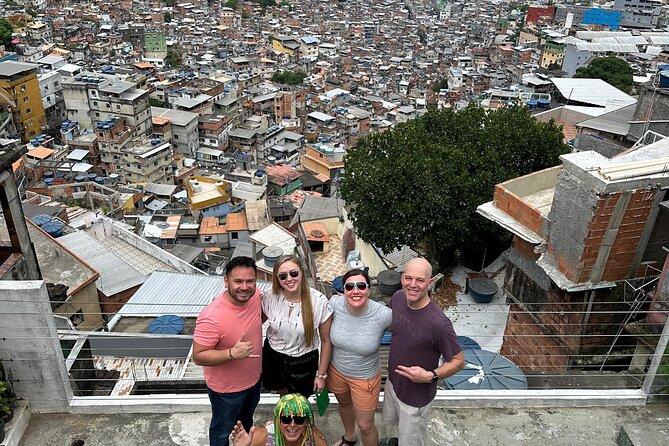
Mirante Dona Marta is the favela viewpoint stop. It’s listed as optional, and the ticket for that component is not included. This is the one part of the day where you’ll want to decide what you’re looking for.
If you choose to go, you’ll visit what’s described as the most beautiful and interesting favela in the tour framing. The value here is perspective. Looking from above can change how you understand the city’s layout, density, and the way communities sit within Rio’s geography.
If you’re interested in deeper understanding, there’s also a favela guide add-on fee listed separately. That matters because a viewpoint alone can turn into a one-minute Instagram moment. A guide can help you connect what you’re seeing to lived experience, not just scenery.
Practical consideration: your comfort level with walking and uneven ground can matter for a viewpoint area, and the tour is listed for travelers with moderate physical fitness. Bring shoes that can handle rough paths and plan to stay present, not just look around fast.
Also, since this segment is optional, you can balance it against how much time and energy you want for the docks and museum later. If you already know you’re sensitive to crowds or prefer a calmer pace, keep the optional nature in mind.
Cais do Valongo: The Waterfront Stop That Puts the Story in Place
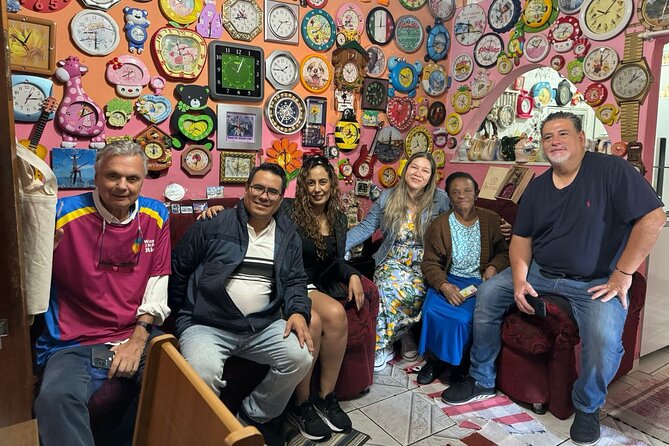
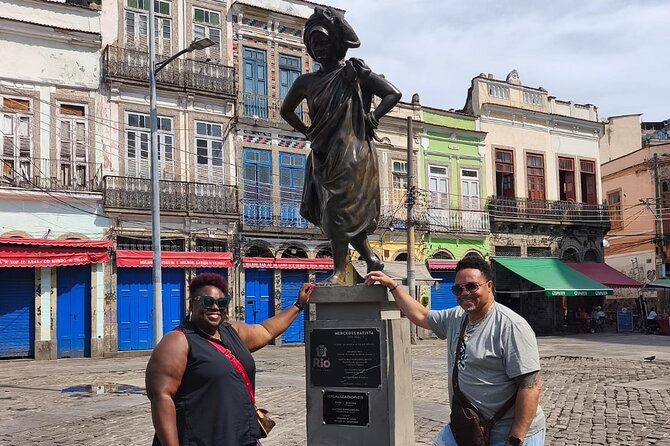
Cais do Valongo is one of the most powerful stops in the whole concept. You’ll see where ships would disembark, and where the African history in Rio is described as beginning. Time here is short, about 15 minutes, but the point is not to linger. It’s to anchor your day with one unmistakable location.
This stop is free. That makes it even easier to justify because you’re spending money on the guide, not on access. You’re also spending the time on interpretation, which is where this tour is strongest.
How to make the most of it: treat it like a starting line, not a final stop. When your guide explains what happened at this waterfront, try to connect it to the later mural stop and the museum. The itinerary is set up so your understanding builds in layers.
Even if you’ve read about Rio’s African roots before, standing at a place tied to arrival can hit differently. You’re not just imagining routes and timelines. You’re standing at a physical edge of the city where history moved from sea to shore.
Porto Maravilha Murals: How Street Art Communicates Forced Labor and Survival
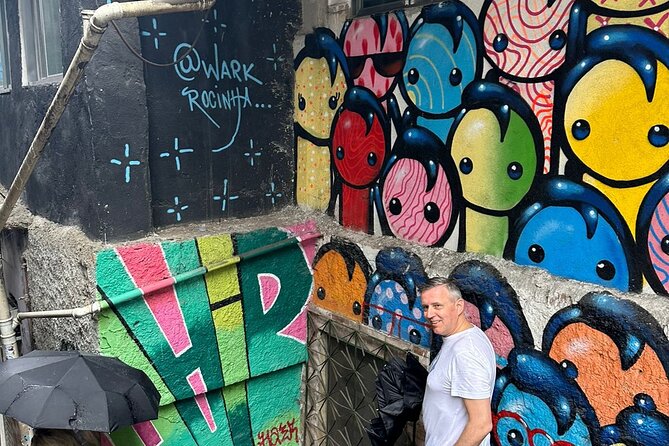
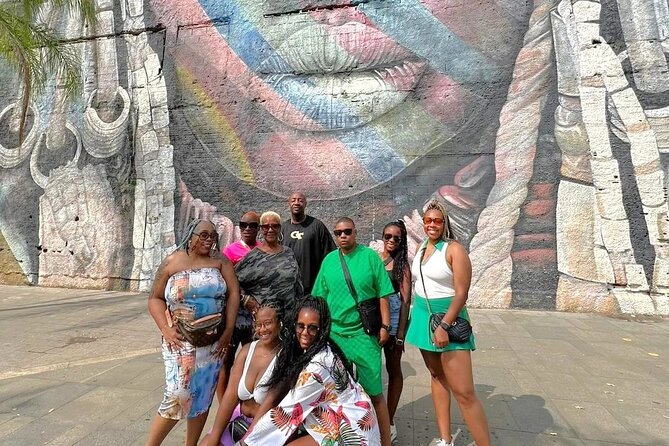
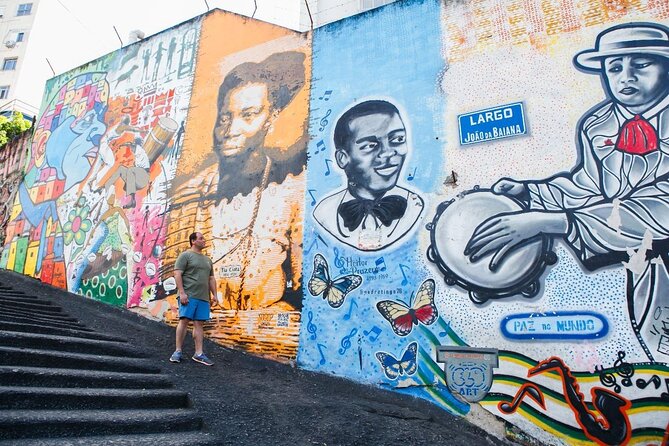
Next up is Porto Maravilha, in the port area. You’ll explore murals that tell the story of African slavery in Rio. This segment is free and lasts about 1 hour.
A mural walk can feel light if you treat it like decoration. On this tour, the real value is the way the guide connects images to meaning. Murals are often written in a visual language that hits fast. Then the guide slows it down, explains symbols, and helps you read the message instead of just looking at colors.
This is also one reason the private format helps. In a group situation, you might rush from wall to wall. Here, you can stop when something catches your attention and ask what it represents. You’ll also have a better chance of getting the “why” behind the images, not only the “what.”
If you’re a person who likes photos, you’ll get plenty of chances. Just don’t let the camera steal your time from reading. On a history tour, a photo is nice, but context is better.
Pedra do Sal: A Quick Stop With Historical Weight
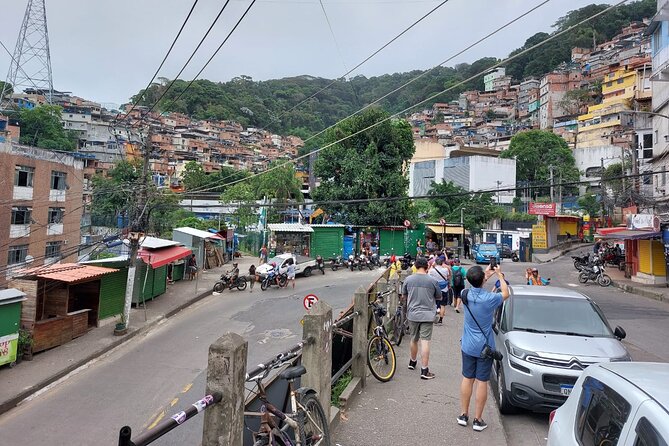
Pedra do Sal is another free stop, about 15 minutes. It’s described as a place with a lot of historical importance.
Time is short, so the guide’s framing becomes crucial. This stop works best when you treat it like a checkpoint. It gives you another location where the city’s African and Afro-Brazilian story is tied to public space and community memory.
Because it’s brief, I recommend you come in mentally ready to listen. If you’re busy trying to do everything quickly, you’ll miss what makes the place matter. When it’s done right, even a short stop can feel like the tour is speaking in full sentences, not isolated words.
IPN Museum Stop: Instituto de Pesquisa e Memoria Pretos Novos
The Instituto de Pesquisa e Memoria Pretos Novos, often called IPN, is a historical museum stop. It’s free, and you’ll have about 30 minutes.
A museum stop can be the difference between seeing history as a theme and understanding it as research and memory. IPN helps you shift from outdoor sites into a place where interpretation is part of the structure. You can expect more detailed storytelling than the shorter stops.
This segment is a good “slow down” moment in the day. You’ve already covered arrival and port symbolism. Now you get to absorb the meaning in a more concentrated way.
If you tend to love museums, you might want to use the time to ask a couple of questions. If museums aren’t your thing, focus on the core ideas the guide highlights. You still get the value of a museum perspective without turning it into a half-day cultural marathon.
The Guides Matter Most: Andre, Ulysses, and the Driver Factor
The standout praise for this experience centers on the human side. A tour about African history and real neighborhoods needs a guide who can tell stories with care and clarity, and the feedback around Andre and Ulysses is strong.
Andre is specifically praised for being great, knowledgeable, and personable, with the feeling of spending the day with a genuine friend. That kind of guide energy matters because it makes heavy topics easier to hold in your mind. It also helps you ask questions without feeling like you’re interrupting.
Ulysses also gets high marks for enthusiasm and for flexibility when weather becomes an issue. That’s not just a nice extra. In Rio, when plans meet rain or clouds, a guide who adjusts helps protect the whole day from falling apart.
Then there’s the driver. Junior is praised for being kind and for knowing the way through traffic. That reduces stress. It means less time lost and more time for the stops you booked.
I’d call this tour strongest when you show up ready to talk. Private touring works best when you treat it like a conversation with a competent local storyteller.
Tickets, Meals, and the Real Cost After You Book
To budget well, think in categories:
Core stops that are free:
- Cais do Valongo
- Porto Maravilha murals
- Pedra do Sal
- IPN historical museum
Costs to potentially plan for:
- Mirante Dona Marta admission ticket not included
- Carnaval experience entrance tickets at R$100 per person, listed as an additional item
- Favela guide at R$150 per person
- Drinks and dessert
- Lunch
There’s also an important choice in transportation. You can book this tour with or without transportation, based on the option offered. If you’re already moving around the city independently, you might save money by choosing without transport. If you want the full comfort factor, pick the air-conditioned private vehicle option.
My advice: if it’s your first time in Rio, go with transportation. The day hits multiple zones. Let the driver handle the practical stuff so your brain can focus on history.
Who This Tour Fits Best, and Who Might Skip the Favela Portion
This is ideal for you if:
- You want a private day in Rio rather than crowded group sightseeing
- You care about African history in Brazil and want it tied to physical places
- You like guided storytelling that makes stops connect into a clear narrative
- You prefer comfort, with an air-conditioned vehicle for moving between areas
It’s also a good choice if you’re traveling with a group of up to 4, because the per-person price improves as you fill the seats.
You should be mindful if:
- You don’t want to pay extra for add-ons, since favela guide and some tickets are not included
- You have limited physical tolerance, since the tour requires moderate physical fitness and a viewpoint area may involve uneven walking
Service animals are allowed, which is helpful if you travel with a companion animal.
Should You Book 2 in 1: Private Favela and Little Africa?
I think you should book it if you want a Rio history day that doesn’t feel generic. The combination of an optional favela viewpoint and the Little Africa docks and museum stops creates a day with both perspective and context. The private format is the real multiplier, because it gives you time to ask questions and stay flexible when weather or traffic changes the pace.
Skip or rethink it if you want a pure, low-cost itinerary with no extras. Since some tickets and the favela guide are not included, your final cost depends on how fully you want to do Mirante Dona Marta and any added Carnaval-related experience.
If you do book, pick your favela level of interest before the day starts. If you want it more than a viewpoint, budget for the favela guide. If you’d rather keep it lean, you can treat the favela component as optional and focus your time on Cais do Valongo, the murals at Porto Maravilha, Pedra do Sal, and IPN.
FAQ
How long is the tour?
It runs for about 7 hours.
Is this a private tour?
Yes. It is private, and only your group will participate.
What is the maximum group size?
Up to 4 people per group.
Is transportation included?
Transportation is available as an option. You can choose with or without transportation.
Are entrance tickets included?
Some key stops are free, but Mirante Dona Marta has an admission ticket not included. Carnaval experience entrance tickets are also not included.
Are meals included?
No. Lunch and drinks and dessert are not included.
Can I cancel for a full refund?
Yes. You can cancel up to 24 hours in advance for a full refund.
Do I need a certain fitness level?
The tour requires a moderate physical fitness level.
Are service animals allowed?
Yes, service animals are allowed.
Newest Rio de Janeiro reviews
- Maracanã Matchday Tour – Ticket + Guide + Transfer★ 5.0 · 14 reviews
- Private Tour with Churrasco in Vela Catamaran – Velas do Rio★ 5.0 · 14 reviews
- Angra & Ilha Grande From Rio: Boat Tour With Barbecue and Drinks★ 5.0 · 14 reviews
- Half-Day Private Tour:Rio de Janeiro Highlights by Bernard Moraes★ 5.0 · 14 reviews
- Tijuca Forest Adventure★ 4.5 · 14 reviews
- Rio de Janeiro: Join a Fluminense game at Maracanã with locals★ 5.0 · 15 reviews
- Rio de Janeiro: Join a Botafogo soccer game with transport★ 5.0 · 15 reviews
- Christ the Redeemer, Selaron Steps and Santa Teresa Half-day Tour★ 4.5 · 15 reviews
More in Favela Tours.



3 Hour Rocinha Favela Walking Tour with a Local Guide
Read our review →


Favela Tour Rio de Janeiro – Vidigal Walking Tour by Russo Guide
Read our review →
Browse the lists this tour appears in