
Reviewed · FLORIANóPOLIS TOURS
Whale Watching – Whale watching from land
This land-based whale watching tour is interesting because you get the best of two worlds: a whale-focused outing and a story-heavy look at why this coast mattered so much. I love the binoculars you’re given, and I love the three-sighting approach, which helps you move to where whales are most likely to show up. The one real consideration is that you need good weather, and there’s no whale-watching guarantee.
You’ll go with a guide who explains whale migration and why the region relied on these animals, and the day can turn into a mix of wildlife watching plus maritime history. The route is built around flexibility, so you may hit different towns depending on where whales are that day, which is smart when you’re watching from shore.
This is also a private tour, so it stays focused on your group instead of feeling like a cattle call. Expect 3 to 4 hours total, and keep your expectations realistic, meaning you’re there to spot whales from viewpoints, not to control the ocean.
Key highlights to look for
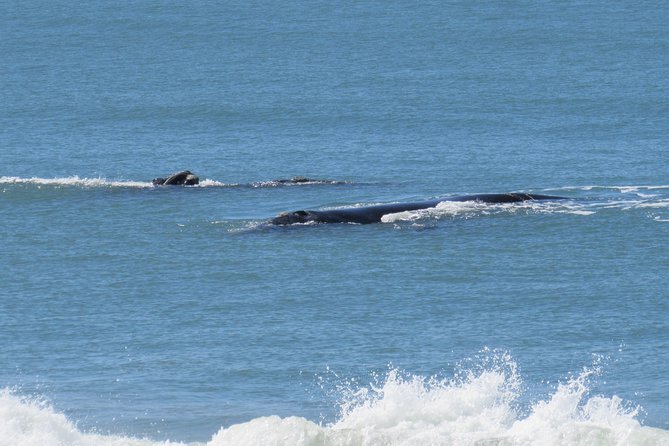
- Binoculars included so you can actually scan and track whales from land
- Multiple stops for sightings, typically including Imbituba, Garopaba, and Laguna
- Whaling-station history, plus a chance to see a traditional Canoa Baleeira
- Indigenous stories and sites, with possible sambaqui burial sites
- Canoa de um Pau Só (a dugout canoe) mentioned as an important Indigenous artifact still in use
- Air-conditioned transport for the ride between viewpoints
Why whale watching from shore works so well here
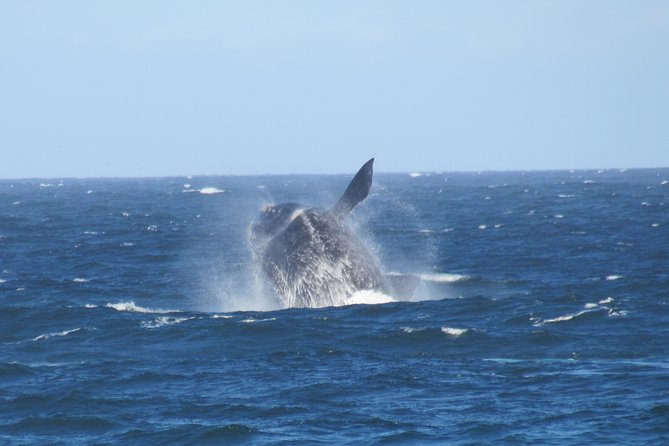
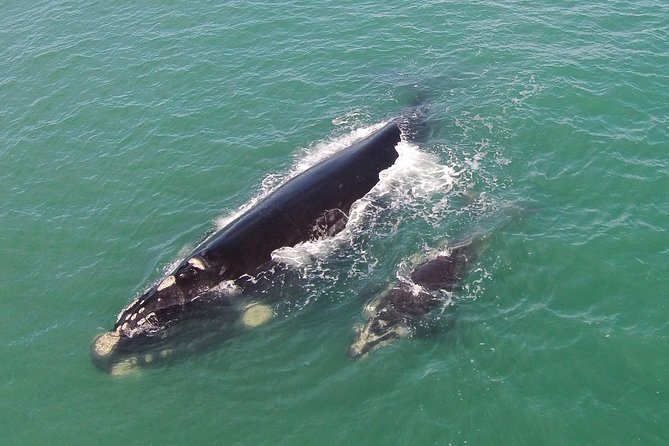
If you want whales without committing to a full boat day, this is the style of outing to choose. From shore, you watch for spouts, body breaks, and movement patterns at the surface, and you do it in a guided way that saves you from guessing. The key is that this trip is built around where the whales are likely to be on the day you go, not a one-time fixed viewpoint.
What makes it feel more rewarding than a basic “look for whales” walk is the way the guide ties the wildlife to the people who lived here. You’re not just scanning the water, you’re learning how the coast depended on whales and how that history shaped local traditions. That context matters, because spotting a whale is great, but understanding why it’s showing up where it is makes the whole experience stick.
And yes, you still need the main ingredient: weather. When conditions are right, land watching can be surprisingly effective. When the day turns gray or windy, visibility drops, and that’s when the operator plans accordingly.
A few more Florianópolis options
- Floripa City Tour by Bus – Whole Island – The Most Complete City Tour
★ 5.0 · 672 reviews - Rafting Adventure in Apuama – Rio Cubatão in Greater Florianópolis
★ 5.0 · 281 reviews - Balneário Camboriú tour and cable car ride from Florianópolis
★ 4.5 · 74 reviews
Getting ready in Florianópolis: time, transport, and weather reality
This is a half-day style tour, usually 3 to 4 hours. You’ll ride in an air-conditioned vehicle, which is a relief if you’re starting in warmer parts of the region. The schedule is simple: you make a first stop for the best initial chance at whales, then you move to additional areas for other sighting opportunities and regional stories.
Most important practical tip: this experience requires good weather. The operator is clear that whale watching depends on conditions, and if the trip is canceled due to poor weather, you’ll be offered another date or a full refund. If you’re going during a period known for variable weather, you’re doing yourself a favor by staying flexible.
For pickup, don’t guess. Check whether your hotel is on the pick up list. If it is, you’re set. If it isn’t, you can arrange pickup from another spot. That little step can save you a lot of stress on the morning you want to be relaxed and ready to watch.
Stop 1 in Imbituba: your first shot at whales from land
Your first major meeting point is often Imbituba, and the idea is straightforward: you’ll head out to where the whales are, then spend time scanning the water. The day runs on local knowledge, meaning you’re not stuck staring at the same coastline no matter what the ocean is doing.
This part of the outing is about the practical payoff. Your guide helps you learn what to look for and why, and you get the time you need to use your binoculars effectively. If whales are close enough to see from shore, you’ll usually notice them through the rhythm of surface behavior, not just one lucky sighting.
One advantage of starting here is that it sets the tone for the whole tour. If you get good views early, the later story stops feel even better because you’re still riding the excitement wave. If whales are farther out or quiet at first, the tour plan accounts for that, and you shift to other areas where sighting chances improve.
Stop 2 in Garopaba: whaling station history and a Canoa Baleeira sighting
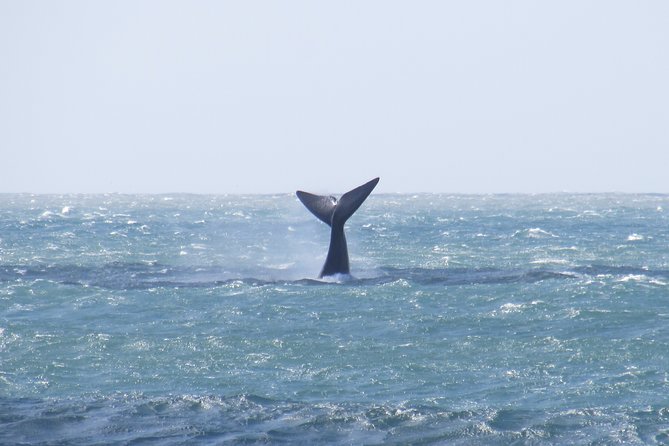
Garopaba adds a layer that a lot of whale tours skip. Besides scanning for whales, you’ll also explore the history of old whaling stations, and you might catch sight of a traditionally used canoe called Canoa Baleeira.
What I like about this stop is that it connects the migration you’re watching to the economic reality of the coast. Whales were not just a natural wonder here, they were part of how people survived and worked. When the guide explains that history, it gives the whale sightings a sharper meaning, because you understand that humans here have long paid attention to these animals.
There’s also a cultural continuity element. The Canoa Baleeira is described as once used for whale hunting, and now it’s tied to artisanal fishing traditions. Even if you don’t spot the canoe in your exact moment, the story helps you recognize why this craft would matter after the whaling era.
This stop is shorter, about 30 minutes, so keep your eyes open while you’re there. The best plan is to stay half in whale-watching mode and half in listening mode, because the history is part of what you’re paying for.
Another way to spend a day in Florianópolis:
- Florianópolis: Camboriu & Unipraias Park with Cable Car Ride
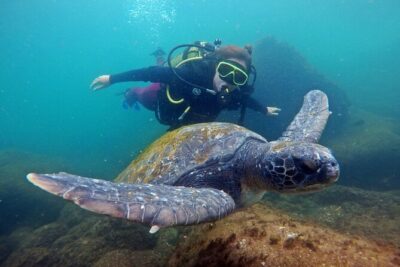
★ 4.4 · 63 reviews - Diving with Turtles in Floripa
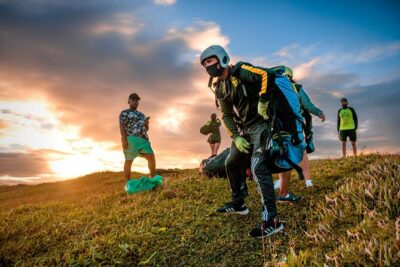
★ 5.0 · 53 reviews - Paragliding flight with instructor in Florianópolis
★ 4.5 · 49 reviews - Discover Florianópolis: Full Day City Tour and Local Highlights
★ 4.0 · 47 reviews
Stop 3 in Laguna: Indigenous stories, sambaqui clues, and a key canoe
Laguna rounds out the day with Indigenous context, and it’s one of the most meaningful ways to experience this coast. Here, you’ll hear stories of the Indigenous peoples of the region, and you may see references connected to sambaqui burial sites.
You may also learn about the Canoa de um Pau Só, described as the largest Indigenous artifact still in use today, a dugout canoe. Even without a direct “this is the canoe right in front of you” moment, the guide’s explanation helps you understand why a watercraft like this would be so important for daily life and long-term tradition.
What makes this stop valuable is that it broadens the day beyond wildlife and European-era whaling history. The coast you’re standing on has older layers, and the whale migration you’re chasing is part of a bigger natural and cultural picture. It’s the kind of add-on that turns a half-day excursion into something you can actually talk about later.
As with Garopaba, this part is about 30 minutes, so it’s not the place for a long wander. It’s a guided, focused look that fits the overall flow of the tour.
Binoculars: how to scan without wasting the good minutes
You’re given binoculars for a reason, and you’ll get more out of them by using a simple routine. First, scan for movement patterns across the water, then slow down when you spot a possible spout or surface change. Don’t try to “zoom in and stare” the whole time. Instead, track and re-check in short bursts.
I also recommend you let the guide steer your attention. Whale watching from shore can be tricky because the horizon is big and your brain wants to chase every ripple. A good guide helps you separate real whale behavior from false alarms, like small waves that look like something at first glance.
If you’re with a group, take turns and keep your stance steady. Shore watching gets better when everyone cooperates instead of crowding one viewing spot. And if whales are visible, don’t blow the moment by scrambling for photos too early. Watch the behavior first, then get your shot once you understand what you’re looking at.
The payoff is that when you finally catch a clean glimpse, the day feels like it clicked. That’s exactly why this tour scores so high overall, with a 4.9 rating and 96% recommendation, and it’s why binoculars matter here more than they do on some wildlife outings.
Price and value at about $43.37 per person
At $43.37 per person, you’re paying for a guided, half-day circuit that includes more than just a spot on a bus. You get air-conditioned transportation plus binoculars plus the guidance that helps you actually see and interpret whales from land.
You’re also not paying extra for entry tickets, since tickets are listed as free for the stops described. That matters because it keeps the “all-in cost” feeling straightforward, especially compared with tours where you later learn about extra fees once you’re already committed.
The only value trade-off is the lack of a whale-watching guarantee. That’s common with wildlife, but it does change the way you should think about your money. You’re not buying a guaranteed whale sighting. You’re buying your best chance, with the right equipment, transport, and a guide who knows how to put you where the viewing odds improve.
What to expect from the guide, and why it matters
This experience rises or falls on the guide. A whale watch from shore is not only about optics, it’s about reading the environment and knowing where to direct your attention. One named example from participant feedback is a guide called Camilo, who is credited with making the experience feel special by bringing you to multiple beautiful locations and helping you create strong memories.
Even when a specific guide varies by date, the goal stays the same. You should expect the guide to explain whale migration, help you use binoculars well, and connect what you see to local history and Indigenous stories. If you’re the type of traveler who likes your wildlife trips to feel meaningful, not just scenic, this is exactly that style.
Who this tour is perfect for, and who might want a different option
I think this tour fits best if you:
- Want whales plus cultural context in one short outing
- Prefer a calmer land-based viewing experience over a boat-centered schedule
- Enjoy listening to explanations while still having time to actively watch
- Like the idea of a flexible route that adapts to where whales are that day
It may be less ideal if you:
- Need a guaranteed whale sighting, full stop
- Only want wildlife and would rather skip history and Indigenous stories
- Are going in weather that’s likely to be poor and you cannot reschedule
The good news is that “most travelers can participate,” and the tour length is short enough that it doesn’t drag.
Final decision: should you book land-based whale watching from Florianópolis?
If you want a practical, guided way to try for whale sightings from shore, I’d book it, especially at this price point. The included binoculars, the multi-area approach, and the fact that the day is wrapped in migration stories and coast history make it more than just a drive and a stare.
Just book with the right mindset: this is a wildlife experience dependent on conditions, not a vending machine for whales. When the weather cooperates, you’ll get your best chance. If it doesn’t, you have options through the operator’s weather-based process.
If your goal is authenticity over luxury, and learning over passive sightseeing, this one is a strong pick.
FAQ
How long is the whale watching tour?
It runs about 3 to 4 hours.
Where do you go for whale sightings?
You’ll try different places depending on where whales are that day, including Imbituba, Garopaba, and Laguna.
What is included in the tour price?
The tour includes an air-conditioned vehicle and binoculars for whale watching.
Are whale sightings guaranteed?
No. There is no whale watching guarantee.
Do I get binoculars to watch whales?
Yes. Binoculars are provided.
Is hotel pickup available?
You should check whether your hotel is on the pickup list. If it is not, you can arrange pickup from another spot.
Is this a private tour?
Yes. It’s a private tour/activity, meaning only your group participates.
What happens if the weather is poor?
The experience requires good weather. If it’s canceled due to poor weather, you’ll be offered a different date or a full refund.
Can I cancel and get a refund?
Yes, you can cancel for free up to 24 hours in advance for a full refund. If you cancel less than 24 hours before the start time, the amount paid is not refunded.
Newest Florianópolis reviews
- Florianopolis Bike Tour: Photography, History & Street Food★ 5.0 · 18 reviews
- The best Florianópolis Private Day Tour★ 5.0 · 19 reviews
- Lagoinha do Leste Hiking and Photography Tour in Florianopolis★ 5.0 · 26 reviews
- Surf Lesson with Qualified Instructor in Florianópolis★ 5.0 · 31 reviews
- Florianopolis Walking Tour – History, Art and Gastronomy★ 5.0 · 38 reviews
- Discover Florianópolis: Full Day City Tour and Local Highlights★ 4.0 · 47 reviews
- Paragliding flight with instructor in Florianópolis★ 4.5 · 49 reviews
- Diving with Turtles in Floripa★ 5.0 · 53 reviews
Florianópolis Tours, compared.
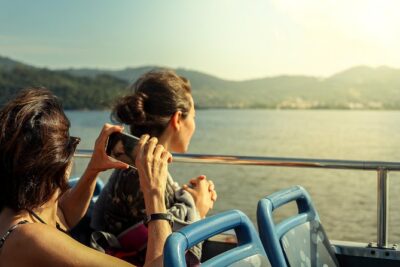
Floripa City Tour by Bus – Whole Island – The Most Complete City Tour
Read our review →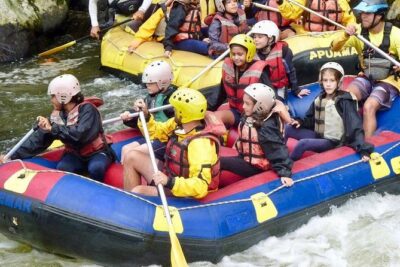
Rafting Adventure in Apuama – Rio Cubatão in Greater Florianópolis
Read our review →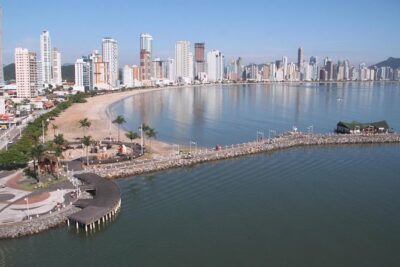
Balneário Camboriú tour and cable car ride from Florianópolis
Read our review →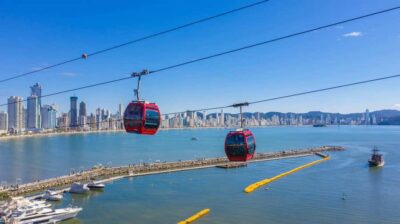
Paragliding flight with instructor in Florianópolis
Read our review →
Discover Florianópolis: Full Day City Tour and Local Highlights
Read our review →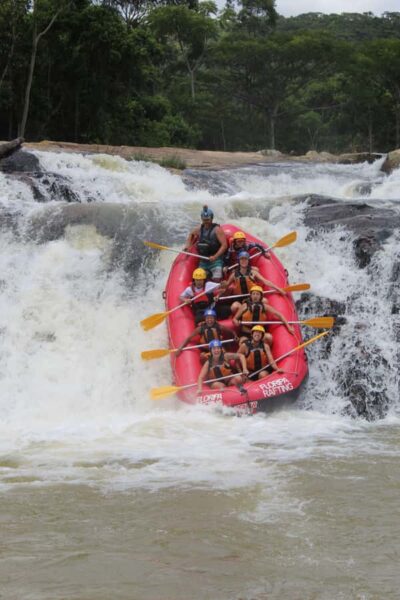
Browse the lists this tour appears in