
Reviewed · SãO PAULO HIGHLIGHTS
São Paulo: Private 4-Hour Architecture Tour
São Paulo is interesting because the city grew fast, changed fast, and never stopped mixing ideas. In this private 4-hour architecture tour, I love how you see architectural styles side by side instead of learning them in neat museum boxes. I also love the chronological storytelling that helps you understand why each era looks the way it does. The only drawback is that 4 hours is tight, so if you want to linger at every façade, you may feel a little time pressure.
A big plus is the guide. I saw clear examples of great guiding from people like Doris, Danilo, and Bruno, all with strong energy for explaining what you are actually looking at. The route can also get shaped around your interests, so you spend time on the kinds of architecture you care about most.
You will be picked up from hotels in central São Paulo, ride in a private vehicle, and walk just enough to connect the ideas to real buildings. If you are traveling with kids, note that it is not suitable for children under 5, and children up to 10 need special seats, so plan that early.
Key highlights worth your attention
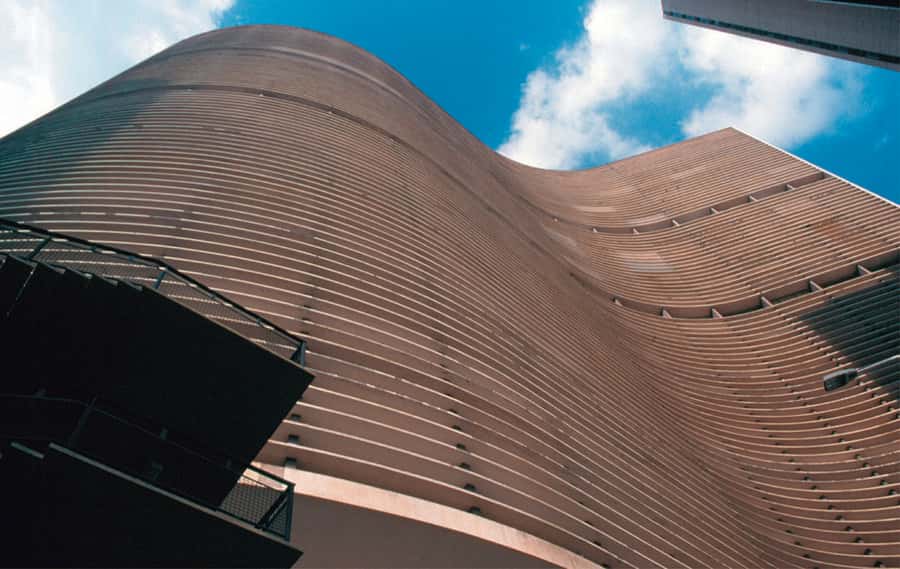
- Multiple styles in one day: colonial, neoclassic, eclectic, Art Nouveau, Art Deco, neocolonial, modernist, brutalism, and contemporary
- Architecture explained through names that matter: Ramos de Azevedo, Oscar Niemeyer, Paulo Mendes da Rocha, Vilanova Artigas, Lina Bo Bardi, Ruy Ohtake, Isay Weinfeld, and others
- A guide who can tailor the emphasis: some routes lean more modern, others balance eras, depending on your interest
- Private vehicle + hotel pickup: saves time in a city where locations are spread out
- Bilingual tour support: Spanish, English, and Portuguese, with a professional guide
Why São Paulo is a living architecture classroom
São Paulo does not behave like a postcard city. It behaves like a working city, where old and new coexist on the same street. That is exactly why this tour feels useful. You are not just collecting styles, you are learning how the city’s identity kept changing while people kept building.
The tour is built around the idea that São Paulo is a “mix” city. You will look at different architectural languages, from older colonial forms made with local materials to later European styles that developed strongly in Brazil from the mid-1800s onward. Then you move forward into modernist and brutalist directions, and finally into contemporary work.
What I like most is that you get help seeing patterns. Once you understand why an era used certain shapes, materials, and design goals, the buildings stop looking random. They start looking like decisions made by specific architects responding to real needs.
More of São Paulo:
- Skydive Tandem – São Paulo – Brazil
★ 5.0 · 1,840 reviews - São Paulo’s Full Day City Tour: Main City Sights in 7 Hours – (Shared Group)
★ 5.0 · 1,691 reviews - 5-hour Private Tour Of São Paulo With Its Main Sights – Optional Airport Pickup
★ 5.0 · 643 reviews
How the 4-hour private format actually helps you (and when it may not)
Four hours is enough time to make real sense of a theme, but it is also long enough to reveal what you care about. This tour is designed to connect the city’s architectural growth in a logical way, with a feeling of moving from earlier construction toward later developments.
Because it is private, you are not stuck with a one-size-fits-all route. In some guiding styles, like the ones from Doris and Bruno, the explanation can follow a clear timeline. In other cases, like the modern-leaning approach shared by Danilo, the guide can adjust the day toward what you are trying to understand, for example contemporary urbanism and current architecture.
The trade-off is simple: if you are the type who wants to stop, zoom in on details, then stop again, you might have less time than you want at each place. Think of this as a high-value overview with smart context, not a slow photo safari.
Early São Paulo: foundations, materials, and the first architectural signals
A good architecture day starts by answering one question: what kind of city was São Paulo becoming when each building was made? This tour begins with the city’s earlier construction and the foundation of São Paulo, then moves forward chronologically.
When you look at the older side of the city, you start paying attention to materials, scale, and function. You might notice how older construction reads differently than later projects because it reflects different priorities, different technologies, and different ways of building that were common at the time.
You also get a sense of how European influences came into play. The point is not to treat them as copies. It is to see how styles were adapted and developed in Brazil, and how local building logic shaped the final look.
If you are not an architecture specialist, this part is still approachable. The guide’s job is to translate the visual cues into meaning, so you can walk away understanding what makes a style recognizable without needing an architecture degree.
Colonial, neoclassic, and eclectic buildings you can spot fast
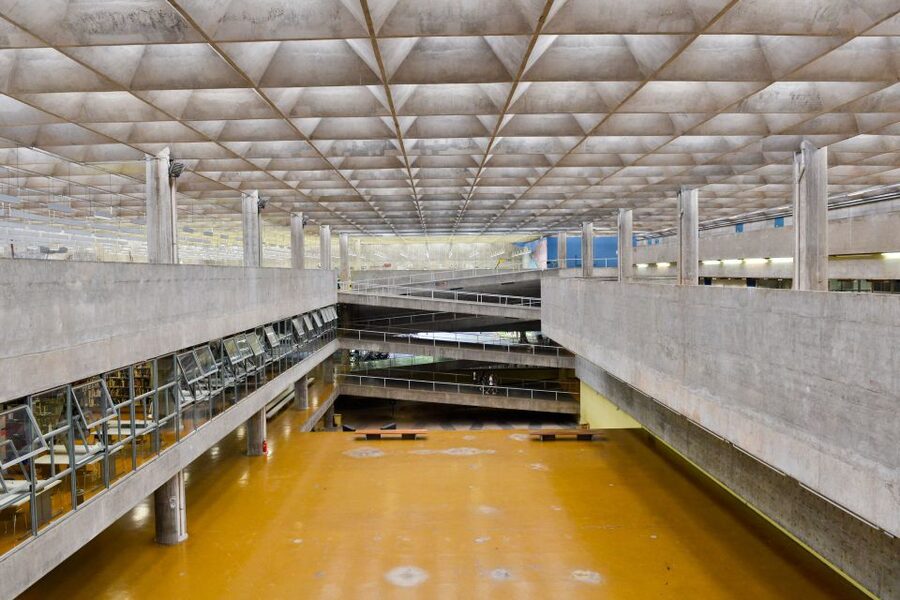
One of the most practical parts of this tour is learning how to recognize style families quickly. You will see samples of Colonial, Neoclassic, and Eclectic architecture in the same 4-hour span, which is a fast way to train your eye.
Here is how this helps you when you are walking on your own later. After the tour, you will know what to look for when you see:
- more formal symmetry and classic detailing (often associated with neoclassic language)
- a mix of references that borrow from more than one era (often where eclectic choices show up)
- older colonial traits and how local material choices can change what you expect from a “colonial” look
This is also where the tour’s timing matters. If you start with early signals, later buildings make more sense, because you understand what the city moved away from and what it chose to keep.
More days in São Paulo:
- São Paulo: Main City Sights in 7 Hours – Shared Group Tour
★ 4.9 · 587 reviews - 6-Hour Classic Half-Day Private Tour of São Paulo – Optional Airport Pickup
★ 5.0 · 441 reviews - São Paulo: City Highlights Guided Tour
★ 4.5 · 307 reviews - Amazing São Paulo overview in 4 or 5 hours with a private guide
★ 5.0 · 290 reviews
Art Nouveau and Art Deco: looking for patterns, not just prettiness
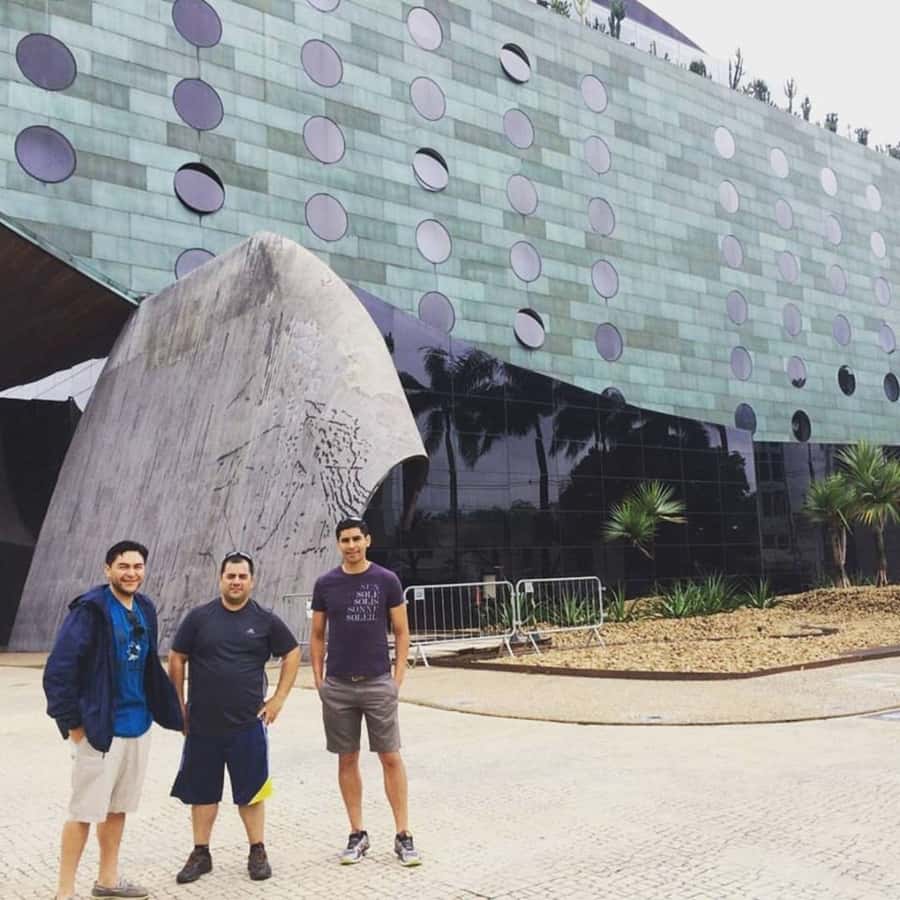
Once the tour shifts into Art Nouveau and Art Deco, the focus becomes shapes and repetition. These styles are often remembered for decoration, but on this kind of guided pass you learn to look deeper than surface beauty.
Art Nouveau tends to feel fluid and organic, and the design language often shows up in curving lines and more expressive forms. Art Deco often feels more geometric and intentional, with stepped forms and cleaner shapes that look like they were planned with a ruler.
The value here is that your guide helps you connect style to time. Even when you cannot instantly identify the building type, you start recognizing era markers.
And you also learn the broader reason why these styles matter in São Paulo. The city was absorbing influences while still building an identity of its own. That is why you get these styles as part of one continuous story rather than as separate “cool stops.”
Neocolonial and the return of older ideas in newer projects
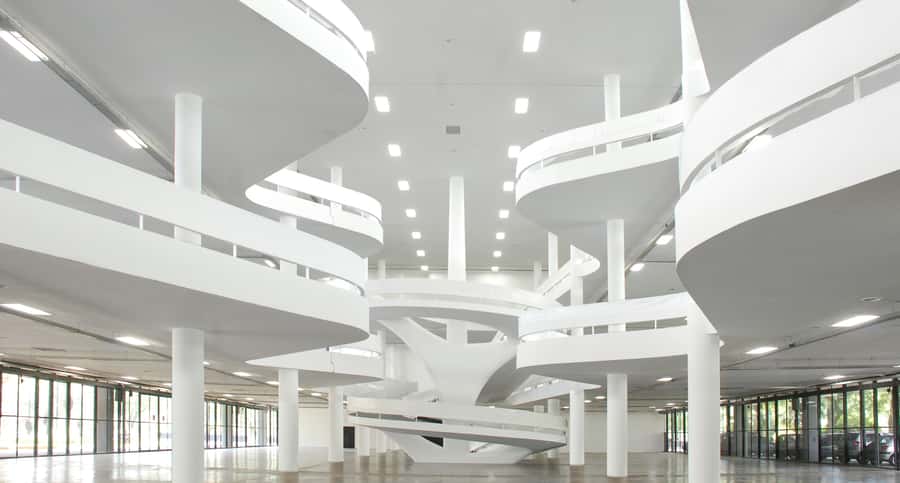
After you see the more decorative eras, the tour also covers Neocolonial architecture. This is a style that can be confusing if you think architecture only moves forward in straight lines.
Neocolonial is basically a reminder that cities revisit ideas. Designers look at older architectural references and reinterpret them for newer contexts. On this tour, the explanation helps you understand this as a cultural choice, not a random aesthetic throwback.
Once you grasp that, you will likely spot neocolonial cues more easily later on your own. The buildings start to feel like conversations between eras, rather than buildings from unrelated time periods.
Modernism and Brutalism: where architects changed how cities work
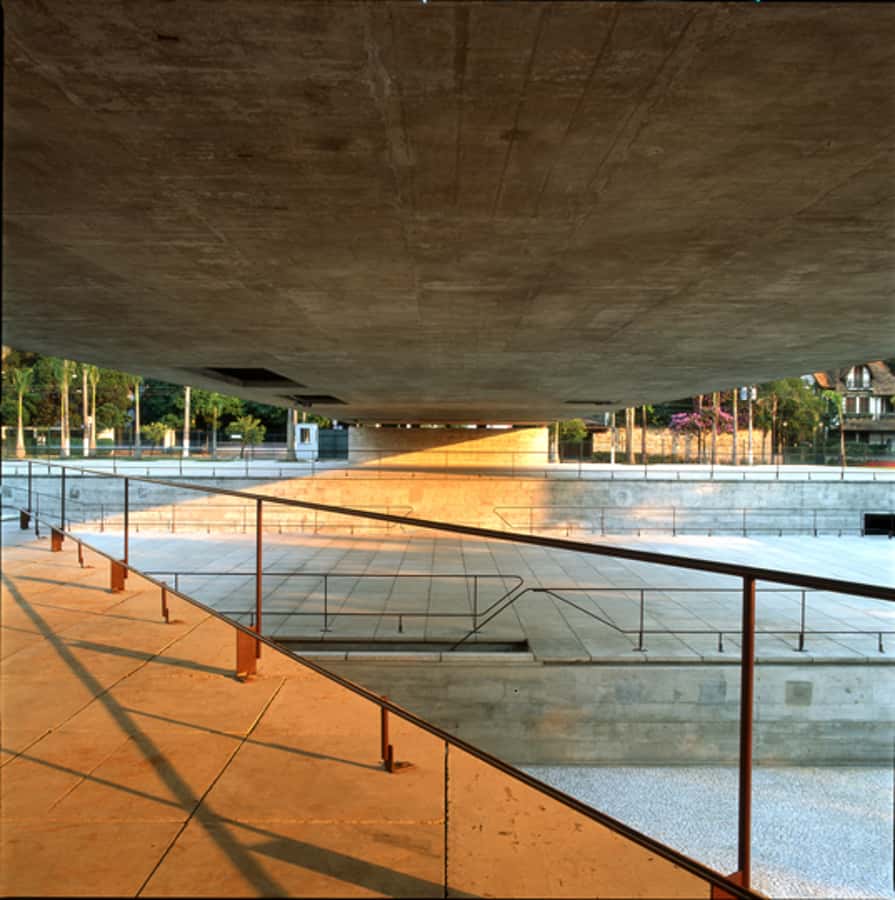
If modern architecture is your interest, this tour has a strong argument for why São Paulo deserves attention. You will learn about Modernist and Brutalism architecture, plus the architects linked to major projects across the city.
Names like Paulo Mendes da Rocha and Vilanova Artigas come up for a reason: these architects helped define how modern ideas could translate into public space and structural ambition.
The practical takeaway is learning to read the “big ideas” in the buildings:
- Modernist work often aims for clarity in form and function.
- Brutalist work often shows structure and material honesty more openly.
- You start noticing how design choices can relate to public life, movement, and how buildings serve people.
This portion is also where the tour can feel most energizing, especially if your guide adapts toward contemporary urbanism. In the experience shared by Danilo, the emphasis leaned toward modern architecture, which makes sense if that is what you want to understand in São Paulo.
Lina Bo Bardi, Niemeyer, and the modern legacy you can still feel
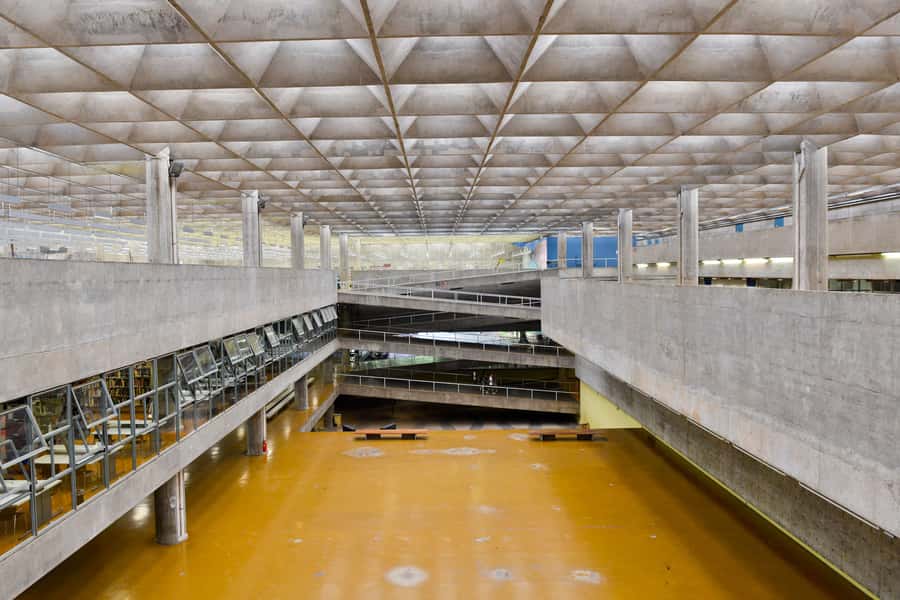
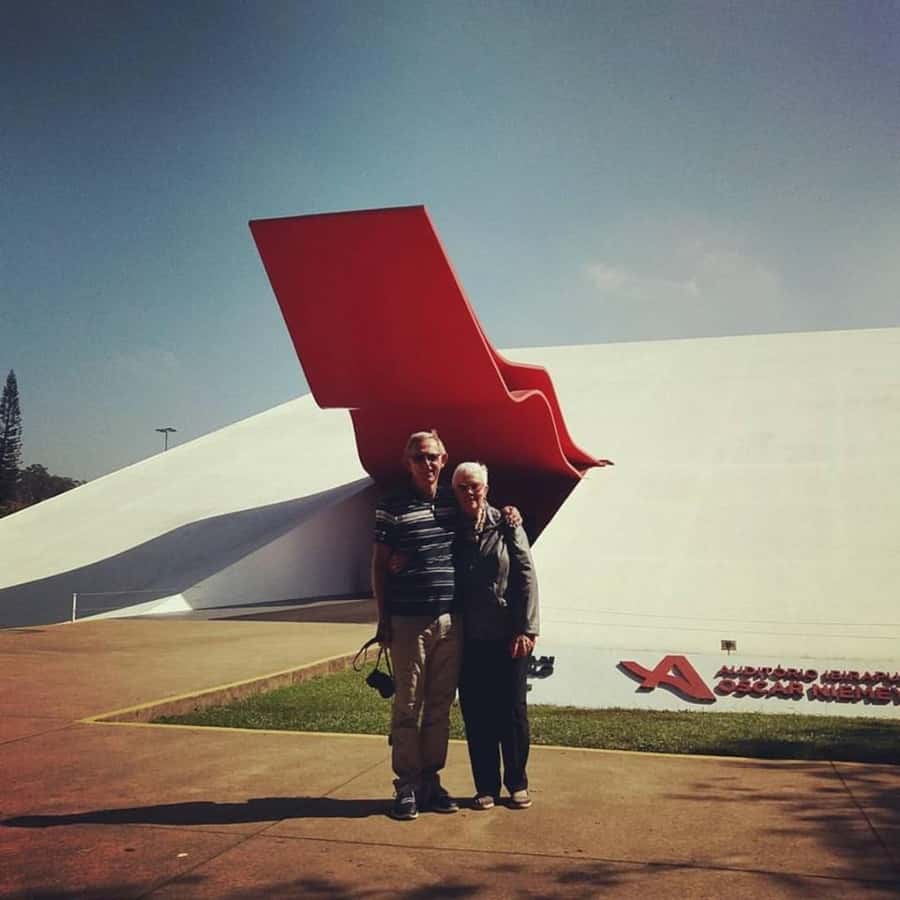
The tour highlights major architects who shaped São Paulo across multiple waves of building. You will hear about Oscar Niemeyer, Lina Bo Bardi, and others like Ramos de Azevedo, Ruy Othake, and Isay Weinfeld.
Why those names matter is that they represent different approaches to modern thinking. Even within “modern,” the city does not have one single look. It has multiple ways to solve the same problems: where people gather, how buildings relate to their surroundings, and what a public building should feel like.
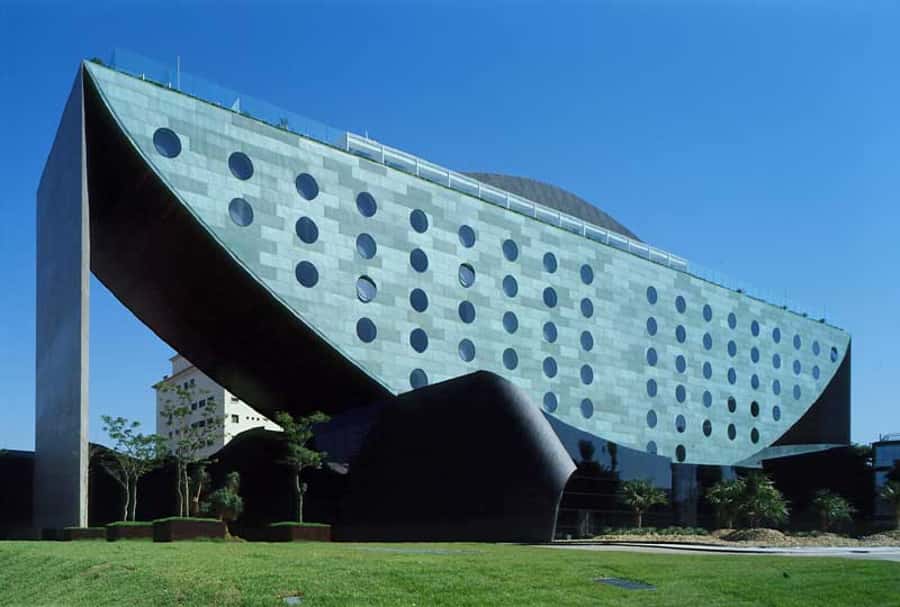
When Lina Bo Bardi enters the conversation, expect a shift toward architecture that engages culture and everyday life. When Paulo Mendes da Rocha enters, expect structural confidence and a sense of purposeful engineering.
This is also the part that makes the tour worth it even for first-timers. Instead of memorizing a list of styles, you learn how influential architects left recognizable fingerprints across the city’s built environment.
Contemporary architecture: walking out with a framework, not just photos
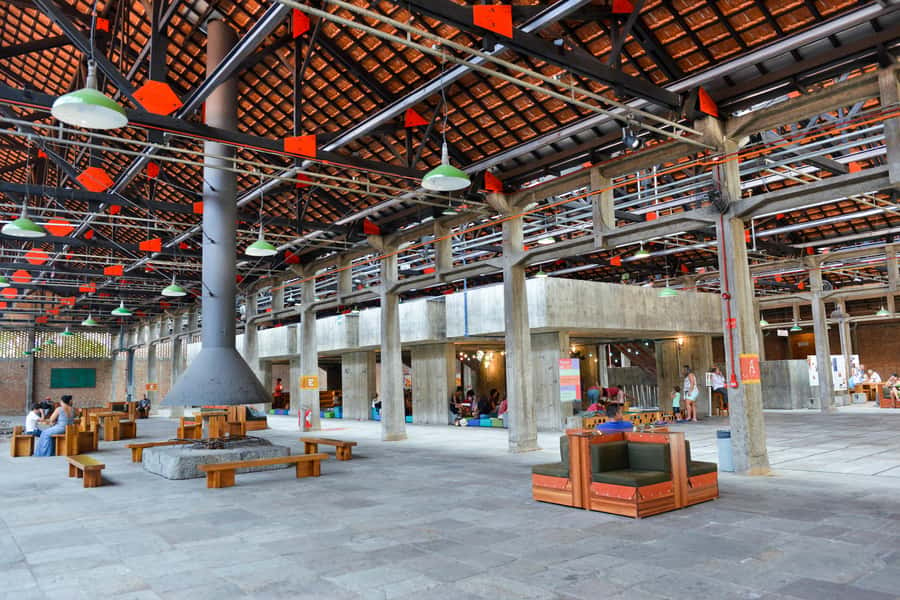
By the time you reach contemporary architecture, the goal is not to overwhelm you with trends. It is to give you a framework so you can understand what you are seeing.
The best effect of this section is mental. You stop treating contemporary buildings as random new objects and start asking the right questions:
- What problem is the design solving?
- How does it relate to the city around it?
- What values show up in the choices of form, materials, and public use?
In the experiences I read, guides like Danilo could adjust the tour to focus more on modern and current architecture, which is helpful if you care about what São Paulo looks like today, not only what it used to be.
And yes, you will want your camera. Just also remember that the guide can help you see beyond angles. If you shoot a lot, try to capture one detail that you can later connect back to the explanation.
Private guide, hotel pickup, and language options that remove friction
This is a private group tour with a professional bilingual guide and hotel pickup and drop-off. In practice, that matters because São Paulo can be time-consuming for navigation, and architecture spots can be scattered.
Language options are also a real quality-of-life factor. The tour supports Spanish, English, and Portuguese. In the examples tied to the guides, communication was a big part of what made the experience work, especially for visitors who wanted clear historical framing and practical interpretation of what to look for.
Because it is private, the guide can tailor the route to your personal interests. I like this approach because architecture is subjective. One person wants modern structure, another wants decorative styles, another wants to understand the city’s growth story.
If you tell your guide what you care about, you stand a better chance of leaving with a day that matches your taste, not just your ticket.
Price and value: what $290 buys you in São Paulo time
The price is listed as $290 per group for up to 1 person, for a 4-hour private tour. That is not cheap, so I think about it like this: you are paying for three things at once.
First, you are paying for a professional guide who can connect styles to meaning. Without that, you might still enjoy the buildings, but you would likely miss the “why,” and you would probably struggle to connect eras.
Second, you are paying for private transportation plus hotel pickup and drop-off. That saves energy and reduces the risk of losing time between locations.
Third, you are paying for flexibility. It is easier to adapt your focus when it is private, and some guides in the experience you shared were able to shift toward modern architecture or to include favorites you might not reach on your own.
If you are a solo traveler who wants guided interpretation and an efficient route, the value can make sense. If you are traveling with others, you might want to confirm how the pricing works for group size, because the listing text here is specific about up to 1 person.
Also, plan for your own food. Food and drinks are not included, so you may want a light meal before you start or keep snacks and water in mind, depending on your day.
Practical tips so you can enjoy the architecture instead of your shoes
I would pack for walking, sun, and constant looking up. Bring comfortable shoes, sunglasses, sun hat, and a camera.
A few small rules matter. Smoking is not allowed, pets are not allowed, and unaccompanied minors are not allowed. If you are traveling with children, check the age suitability first, because children under 5 are not suitable. If a child is in the reservation and is up to 10, you need to inform the provider in advance so special seats can be arranged.
This tour is also wheelchair accessible, which is good to know if you need mobility support. Since it uses a private vehicle and includes pickup and drop-off, it generally reduces the strain of getting around.
Finally, bring curiosity. The guide will name architects and styles, but the real win comes when you look for the design choices behind the names.
Should you book this São Paulo architecture tour?
Book it if you want a guided way to understand why São Paulo looks the way it does, and you like architecture more when it comes with context. This is especially worth it if you care about modernism, brutalism, or the legacy of architects like Lina Bo Bardi and Paulo Mendes da Rocha, because the tour is designed around those major figures and the styles connected to them.
Skip it or think twice if you want a slow, stop-and-stare photo day, because 4 hours moves through a wide range of styles. Also consider your comfort with the absence of food and drinks, since you will need to plan that part yourself.
If you are the type who enjoys learning to read buildings with your eyes, this tour gives you a framework you can use long after you leave the last stop.
FAQ
How long is the São Paulo architecture tour?
It lasts 4 hours.
What is the price for this private tour?
The price is listed as $290 per group for up to 1 person.
What languages are available for the live guide?
The live tour guide is available in Spanish, English, and Portuguese.
Is transportation included?
Yes. The tour includes transportation by private vehicle, plus hotel pickup and drop-off from São Paulo center.
Are food and drinks included?
No. Food and drinks are not included.
What should I bring, and is there anything I cannot bring?
Bring comfortable shoes, sunglasses, a sun hat, and a camera. Pets and smoking are not allowed, and unaccompanied minors are not allowed.
Is it suitable for children?
It is not suitable for children under 5. Children up to 10 years old require special seats for transport, and you need to inform the provider in advance if your reservation includes a child.
Newest São Paulo reviews
- Private Tour: Santos & Guarujá Beaches (8H) – São Paulo Pickup★ 4.5 · 15 reviews
- Body Massage – by Venus’ Secret Spa – Sao Paulo★ 5.0 · 15 reviews
- Private Arrival Transfer: Guarulhos International Airport★ 4.5 · 15 reviews
- Taxi from Guarulhos airport to São Paulo capital★ 5.0 · 15 reviews
- Historical and Cultural Tour of the Center DE São Paulo★ 5.0 · 16 reviews
- São Paulo Coffee Tour: Farm, Culture & Lunch Included – 6h★ 4.5 · 16 reviews
- Private Half-Day Tour of São Paulo Highlights★ 5.0 · 17 reviews
- Private Transfer São Paulo Airport to Hotels with Quick City Tour★ 5.0 · 17 reviews
São Paulo Highlights, compared.

São Paulo’s Full Day City Tour: Main City Sights in 7 Hours – (Shared Group)
Read our review →
5-hour Private Tour Of São Paulo With Its Main Sights – Optional Airport Pickup
Read our review →
Main City Sights in 7 Hours – Shared Group Tour
Read our review →
6-Hour Classic Half-Day Private Tour of São Paulo – Optional Airport Pickup
Read our review →
Amazing São Paulo overview in 4 or 5 hours with a private guide
Read our review →
Browse the lists this tour appears in