

Reviewed · SANTA TERESA & LAPA
Santa Teresa – Bohemia and Art
Santa Teresa has a bohemian side you can feel right away, with yellow trams rolling past mansions on steep streets. Put Parque das Ruinas on the route and you get a tour that mixes art, architecture, and big Rio viewpoints in just a few hours.
I love the privileged Christ the Redeemer views you pick up while walking the cobblestones, and I love the straightforward snack stop for açaí and pão de queijo. If you get a strong guide, like Rafael or Fernanda, the neighborhood history and art details land in a way that feels personal, not robotic.
One possible drawback to plan around: you might not ride the famous tram if the line is too long, specifically over a 1 hour waiting line, since the group switches to taxis to keep things on time.
Key highlights you should care about
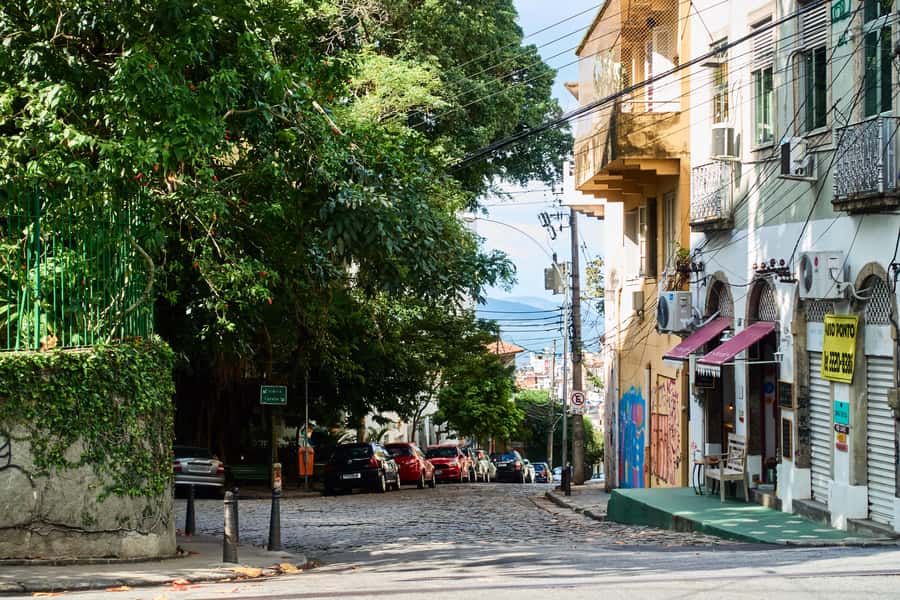
- Christ the Redeemer viewpoints during the walk, not just from one photo stop
- Açaí and pão de queijo snack that keeps the energy up for the climb
- Santa Teresa’s yellow trams and the “old Rio” street vibe they create
- Parque das Ruinas for panoramic views over Rio from a restored space
- Laurinda Santos Lobo’s house and what it suggests about the Brazilian belle époque
- A walking-first route, so comfortable shoes matter more than anything else
Santa Teresa in 3 Hours: Cobblestones, Tram Lines, and Art on Every Block
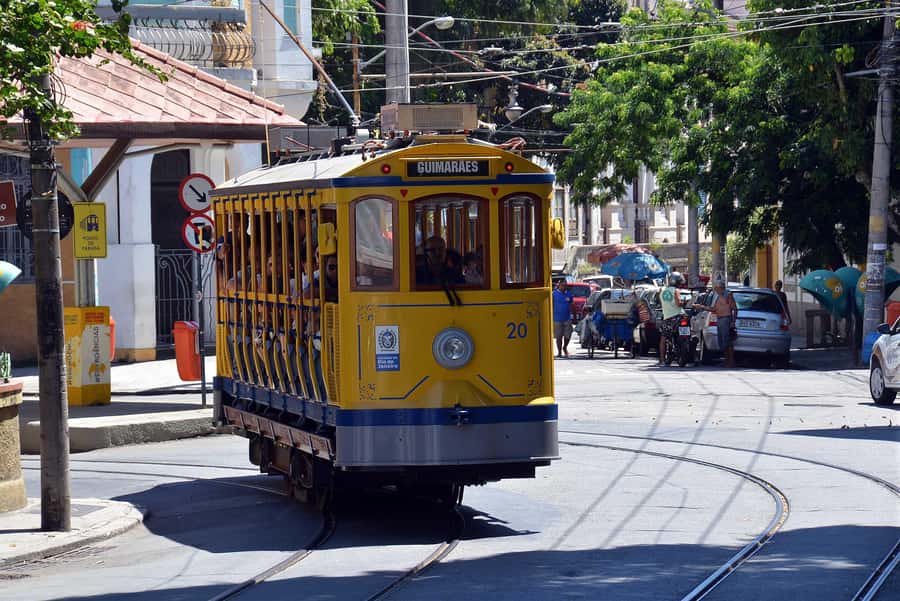
Santa Teresa is the kind of Rio neighborhood that makes you slow down, even if your schedule says you should not. You are surrounded by colorful houses, graffiti and murals, and that distinctive feel of old Rio moving through the present. This tour gives you a guided path through that texture, so you do not just pass by the cool stuff, you understand why it matters.
The core idea is simple: you walk Santa Teresa’s streets, you get tram moments when possible, and you end up in a high viewpoint area that connects the neighborhood’s glamour to the wider story of Rio. It is an arts-and-architecture experience with real street energy, not a museum day.
You should expect a pace that involves steps and sloped streets. If you like neighborhoods more than landmarks, this fits nicely, because the guide keeps you noticing the details: façades, street art placement, and the way the trams shape the streetscape.
More of Santa Teresa and Lapa:
- Rio: Pub Crawl in Lapa with Cachaça Tasting and Live Samba
★ 4.7 · 881 reviews - Santa Teresa, Lapa, and Cinelândia with Tram Ride and Selarón Steps
★ 4.5 · 274 reviews - Rio de Janeiro: Historic Rio and Santa Teresa Half-Day Tour
★ 4.4 · 228 reviews
Meeting at Estação de Bondes de Santa Teresa: What to Know Before You Start
You meet in front of Estação de Bondes de Santa Teresa. Arriving a few minutes early helps you get organized without stress, especially since this is a walking tour and everyone starts at the same place.
Bring comfortable shoes. The route is on cobblestones and uneven surfaces, and you will be happier if your footwear is made for real walking, not just for looking good in photos. If you are tempted to bring a fancy pair of heels, save them for dinner, because high-heeled shoes are not allowed.
Also keep your bag situation simple. Luggage or large bags are not allowed, so plan on traveling light for this one. If you have day-trip gear, you might want to store it elsewhere and travel to Santa Teresa with just what you need for a few hours.
The Walk Begins: History Talks, Cobblestones, and Old Rio Atmosphere
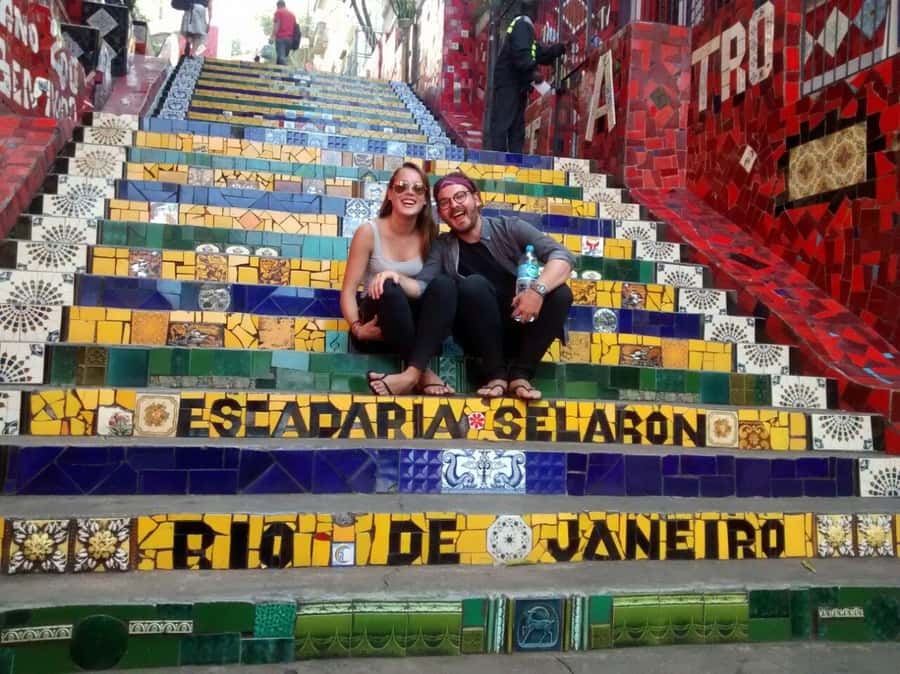
Once you start walking, the experience becomes more than sightseeing. The guide chats about the history of the area while you move through the streets, so the neighborhood stops being a postcard and starts feeling like a place with context.
The streets here are built to slow you down. You move over cobblestones and past homes and structures that look like they belong to different eras stacked on top of each other. That is the point of Santa Teresa, and this tour uses walking to show you how the layers coexist.
Along the way, you also get that “wait, that is Rio right there” feeling as the views open up. The tour specifically includes privileged viewpoints of Christ the Redeemer, so you are not stuck only with street-level scenery.
Yellow Trams and the 1-Hour Line Rule: How the Tour Stays Real

Tram rides in Santa Teresa are part of the atmosphere, and the tour includes tram tickets. But there is an important reality check: the group will not ride the tram if the line is too big, meaning more than a 1 hour waiting line.
When that happens, the plan switches to taxis to get you to Santa Teresa so the overall tour time stays intact. That is actually a smart operational choice, because waiting forever would turn a 3 hour tour into a half-day gamble.
Still, this is the one piece that can change your experience. If the tram is delayed or skipped, you may feel less of that classic “yellow tram” rhythm through the streets. And in some cases, the day’s focus can shift toward other nearby sightseeing stops, so your time might feel a little less arts-heavy than you expected.
If you want the best chance of riding the tram, aim to arrive ready and early, even if you do not control the line. When you have control, you help your guide help the group.
More days in Rio:
- Rio de Janeiro: 6-Stop Highlights of Rio with Lunch
★ 4.4 · 5,157 reviews - Christ the Redeemer Entry Ticket by Corcovado Train
★ 4.4 · 4,476 reviews - Rio’s City Tour – Tickets for Christ, Sugar Loaf & Lunch included
★ 5.0 · 4,389 reviews - Full Day: Christ Redeemer, Sugarloaf, City Tour & Barbecue Lunch
★ 4.5 · 3,142 reviews
Christ the Redeemer Views: Why This Stop Works Better On Foot

A lot of tours offer “a view,” but this one aims for views that come as part of the walk. You are moving through the neighborhood while the viewpoints appear, so each opening feels earned, not just assigned.
Getting the Christ the Redeemer perspective from Santa Teresa can be especially satisfying because the framing includes urban life around it, not only mountains and skyline. You can look out, then look down, and keep connecting the vista to what you are standing on.
This is also where your guide’s explanations can matter. If you hear the right bit of context at the right time, you start noticing how Rio’s geography and neighborhoods relate to each other. That is a big reason walking tours can feel more memorable than bus tours.
Parque das Ruinas: The Panoramic Finish That Makes the Climb Worth It
Parque das Ruinas is where the tour shifts gear. You go from street level textures to a place designed for viewpoints and perspective. This is also where the tour naturally turns more into “how does this neighborhood reflect Rio’s past?”
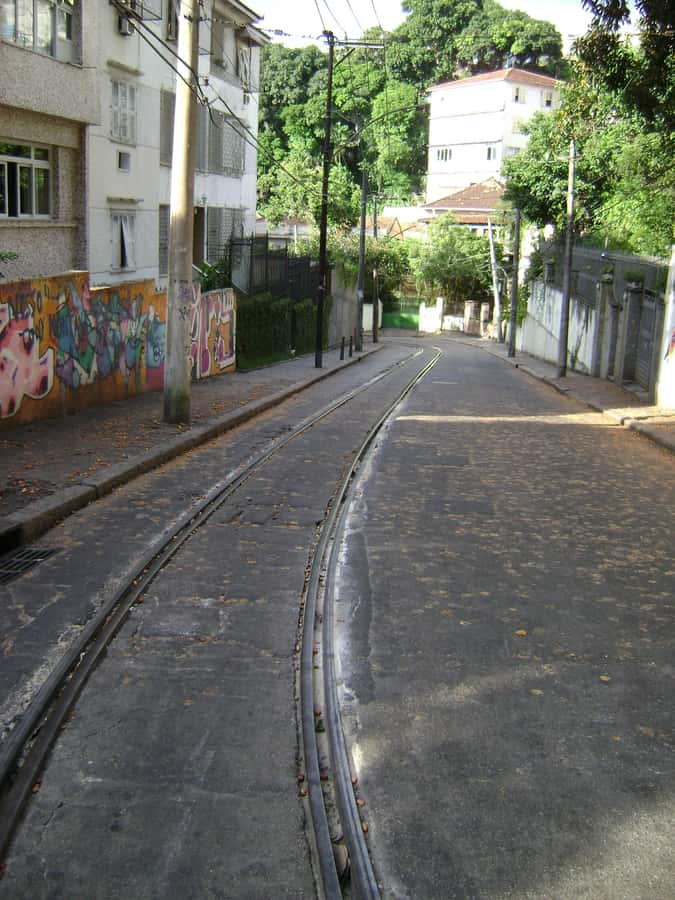
The tour arrives at Parque das Ruinas after passing through the area of colonial houses, palaces, and the famous yellow tram passage. At this point, you are not just seeing Santa Teresa, you are arriving at a vantage point that makes the neighborhood feel tied to the city’s wider drama.
From here, the scenery can be dramatic. You get an elevated, panoramic sense of Rio, which helps you understand why so many structures in this area want to look out. Views are not decoration here, they are part of how the neighborhood functions.
Laurinda Santos Lobo House: Belle Époque Splendor and a Very Specific Kind of Atmosphere
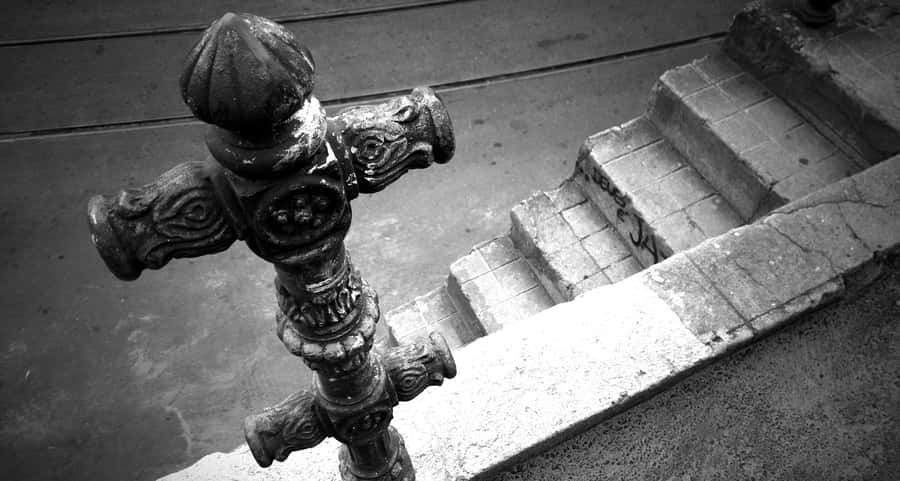
Inside Parque das Ruinas, you can enter the house of Laurinda Santos Lobo. This matters because the tour does not treat the building as a random interior stop, it frames it as a symbol.
The house is described as a mansion abandoned for more than 50 years, and once connected to the splendor of the Brazilian belle époque. Even though it is rehabilitated now, the story of abandonment and restoration gives the architecture extra emotional weight.
What you get in practice is a sense of “life in another time.” The tour explains what life was like during the Brazilian Empire, and that contextual talk changes how you read the rooms and spaces you see. Instead of just looking at walls, you start thinking about social life, status, and how people used space when Rio was changing quickly.
The building’s value for you is not only the architecture. It is the way the restored space gives you a bridge between Santa Teresa’s artistic present and its more glamorous, historically layered past.
Açaí and Pão de Queijo: The Snack Stop That Turns a Tour Into an Actual Outing
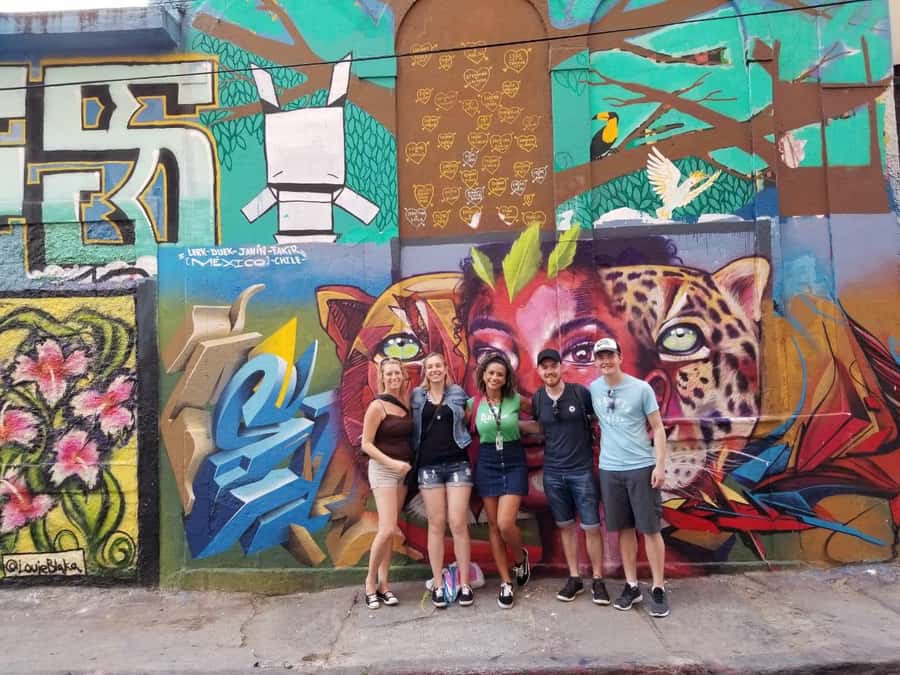
The included snack is one of the best-value parts of the experience. You stop for açaí and pão de queijo, two foods that feel like Rio comfort without needing a reservation or a special budget.
This break is not just about eating. It helps you reset, especially since you are walking on cobblestones and navigating slopes. The snack also gives the guide a natural moment to keep talking, so the tour stays human instead of feeling like a strict checklist.
And because these foods are common in Brazil, the inclusion matters. You are budgeting for them, so you do not have to choose between skipping the snack or losing time to a separate search.
Architecture and Street Art: How the Guide Helps You See Santa Teresa’s Two Worlds
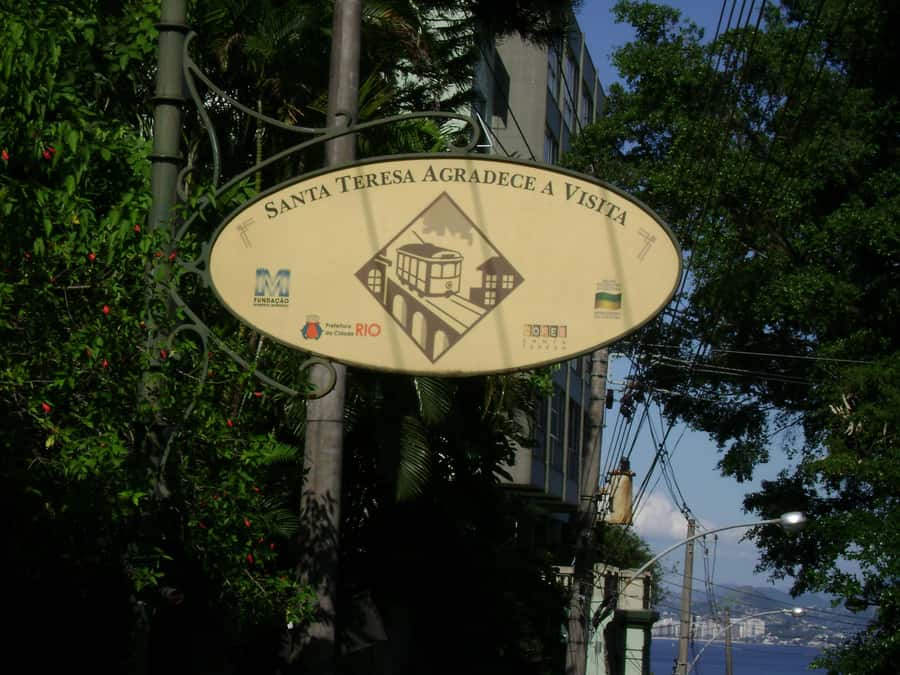
Santa Teresa is famous for aesthetics, but the tour pushes past pretty views by showing how the neighborhood mixes different “worlds.” You see mansions and colonial-style architecture, then you also notice murals and urban art.
The walk route helps you spot how these styles talk to each other. Instead of treating street art as a random background, the tour frames it as part of the neighborhood identity, a bohemian layer that belongs on the same map as historic buildings.
This is where the guide’s skill shows. In the best case, you get lots of small explanations that connect the architecture and art to the neighborhood’s story. That is also why guides like Rafael and Fernanda get mentioned as standout options, since they bring strong detail and attentive pacing.
If you are the type of person who loves looking, but also loves understanding what you are looking at, this section is the reason the tour feels worth it.
Rain, Timing, and Route Changes: The Real-World Side You Should Plan For
This tour runs in the rain. That is good news if you do not want to gamble your plans on weather. The practical downside is that cobblestones can feel more slippery and you need shoes with grip.
Timing is also subject to conditions. The tour is listed for 3 hours, but your experience can flex depending on the tram line situation and the flow of the day. If the tram is skipped due to the 1 hour rule, the switch to taxis keeps the schedule moving, but you may still feel the route shift.
The tour being walking-based also means you should not treat it like a casual stroll where you stop only for photos. You will be moving most of the time, and the stops are part of a guided rhythm.
The good part is that the structure prevents chaos. Even when the route changes, the tour keeps the main themes: Santa Teresa streets, art and architecture, and viewpoints.
Price and Value at About $60: What You Get for Your Money
At around $60 per person for a 3 hour live guided experience, you are paying for three things: a knowledgeable guide in multiple languages, access to a set route through Santa Teresa’s most meaningful areas, and included extras that would otherwise add cost.
Those extras include tram tickets and the snack of açaí and pão de queijo. Even if you would buy those foods anyway, the inclusion reduces decision fatigue. It also turns the tour into a smoother experience because you are not hunting for a place while the day slips away.
The value question comes down to your interests. If you care about neighborhoods, architecture, street art, and viewpoints, this price makes sense as a focused “introduction with context.” If you mainly want a long tram ride or a heavily museum-centered program, you might feel less thrilled, especially if the tram line is too long and the schedule shifts.
In other words, this is a good deal for the right mindset: you want to walk, look, and learn the neighborhood’s why.
Who This Tour Fits Best, and Who Might Want Another Plan
This tour is ideal if you want a guided way to experience Santa Teresa without piecing things together on your own. You should also enjoy it if you like mixing art with practical context, because the restored Laurinda Santos Lobo house adds a tangible “past to present” angle.
You also get the benefit of multiple viewpoints, including the Christ the Redeemer angle and a panoramic moment at Parque das Ruinas. If you’re the type who plans around photo locations, this structure keeps you from wandering aimlessly.
The big mismatch is mobility needs. It is not suitable for people with mobility impairments, since it is a walking tour with cobblestones and slopes. Another mismatch can be expectations about tram time. The tram ride is conditional, so if your dream is to spend most of the day on the tram, this plan might not match your ideal.
If you want an easy, low-effort tour with lots of seated time, this one is not designed for that.
Should You Book Santa Teresa – Bohemia and Art?
Book it if you want a compact, guided Santa Teresa experience that blends street art, architecture, and real Rio viewpoints, and you are happy to walk. The included tram tickets and the açaí and pão de queijo snack also make it feel like a full outing, not just a history lecture.
Skip or rethink it if you mainly care about guaranteed tram time or if you need a mobility-friendly route. And if you are tram-obsessed, arrive with flexibility in mind, because the tour has that 1 hour waiting line rule and the day can shift.
If you like neighborhoods and you want the neighborhood to explain itself, this is a strong choice.
FAQ
Where is the meeting point for the tour?
You meet in front of Estação de Bondes de Santa Teresa.
How long does the tour last?
The duration is 3 hours.
What is included in the price?
The tour includes tram tickets and a snack stop with açaí and pão de queijo.
Do you always ride the tram?
No. The group will not ride the tram if the waiting line is over 1 hour. In that case, taxis are used to reach Santa Teresa so the tour time stays the same.
Is hotel pickup and drop-off included?
No, hotel pickup and drop-off are not included.
Does the tour run if it rains?
Yes, the tour also takes place if it is raining.
What should I bring or wear?
Bring comfortable shoes. High-heeled shoes are not allowed.
Is this tour suitable for people with mobility impairments?
No, it is not suitable for people with mobility impairments.
Newest Rio de Janeiro reviews
- Maracanã Matchday Tour – Ticket + Guide + Transfer★ 5.0 · 14 reviews
- Private Tour with Churrasco in Vela Catamaran – Velas do Rio★ 5.0 · 14 reviews
- Angra & Ilha Grande From Rio: Boat Tour With Barbecue and Drinks★ 5.0 · 14 reviews
- Half-Day Private Tour:Rio de Janeiro Highlights by Bernard Moraes★ 5.0 · 14 reviews
- Tijuca Forest Adventure★ 4.5 · 14 reviews
- Rio de Janeiro: Join a Fluminense game at Maracanã with locals★ 5.0 · 15 reviews
- Rio de Janeiro: Join a Botafogo soccer game with transport★ 5.0 · 15 reviews
- Christ the Redeemer, Selaron Steps and Santa Teresa Half-day Tour★ 4.5 · 15 reviews
Santa Teresa & Lapa, compared.

Pub Crawl in Lapa with Cachaça Tasting and Live Samba
Read our review →
Santa Teresa, Lapa, and Cinelândia with Tram Ride and Selarón Steps
Read our review →

Ancient Rio and Santa Teresa Tour with Hotel pick-up and drop-off
Read our review →
Walking tour of the bohemian neighborhoods of Santa Teresa and Lapa
Read our review →
Centro Historico and Lapa – Santa Teresa Walking, Historical and Bohemian Tour
Read our review →
Browse the lists this tour appears in