
Reviewed · ROCINHA
Rocinha Walking Tour: Get a Feel for the Brazil’s Largest Favela (Shared Group)
Rocinha is Rio de Janeiro’s largest favela, and this tour gives you a human-scale way to understand what daily life looks like there. I especially like the small-group cap of 10, because it keeps the walk from turning into a rushed photo line. I also like the balance of experiences, street alleys plus community art and crafts, not just viewpoints.
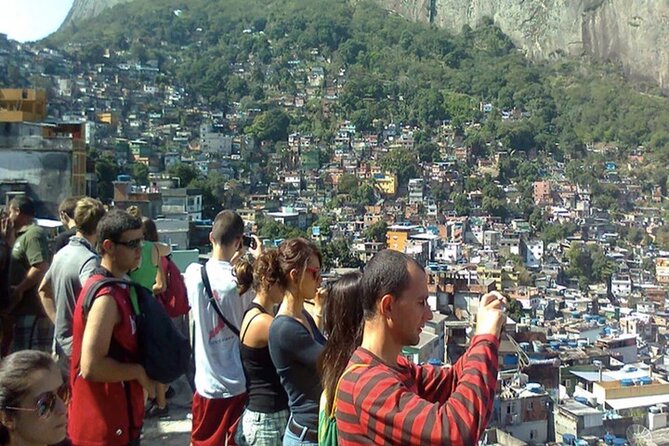
You’ll follow a Rocinha resident guide named Carlos (bilingual) and you’ll see two different styles of Rio views, from elevated stops like Morro do Laboriaux and from the home of Mrs. Maria. The views over the beaches and the Tijuca Forest slopes help you place Rocinha in the wider city picture.
One drawback to plan for: this is a walking tour with a moderate fitness requirement, plus a short moto-taxi ride uphill through narrow lanes. If you dislike uneven ground or you get motion sick, you’ll want to think it through first.
Key highlights you’ll remember
- Small group, maximum of 10: easier conversation and a more personal pace.
- Rocinha resident guide (Carlos) with strong English: you get context, not just sights.
- Moto-taxi ride up Rocinha hill: quick adrenaline plus a better sense of the layout.
- Craft centers and the handcraft fair: see how products are made and where people sell.
- Morro do Laboriaux viewpoint: high vantage over beaches and Tijuca Forest slopes.
- Wark graffiti studio and the Wark Institute: street art tied to youth education and community projects.
Rocinha on foot: what this tour is really about
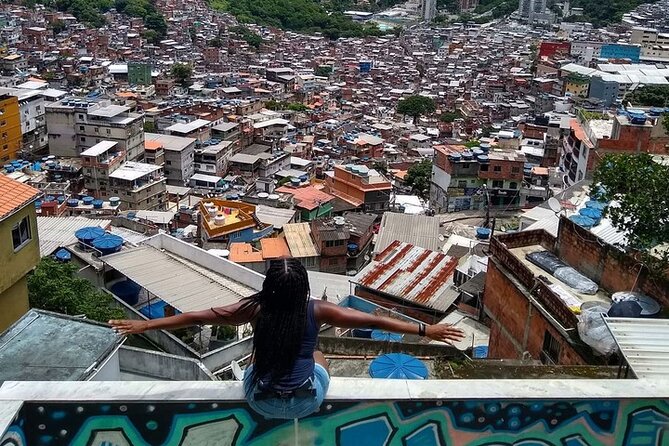
This isn’t a “look from the outside” tour. It’s a way to see Rocinha as a neighborhood with routines, creativity, and neighbors who have built local culture over decades.
I like how the tour mixes practical life with big-city connections. You’ll walk the alleys of Rocinha, then you’ll shift to places tied to art and work, like the community craft production areas and the studio of Wark. That combo matters, because it prevents the visit from turning into only hardship, only scenery, or only spectacle.
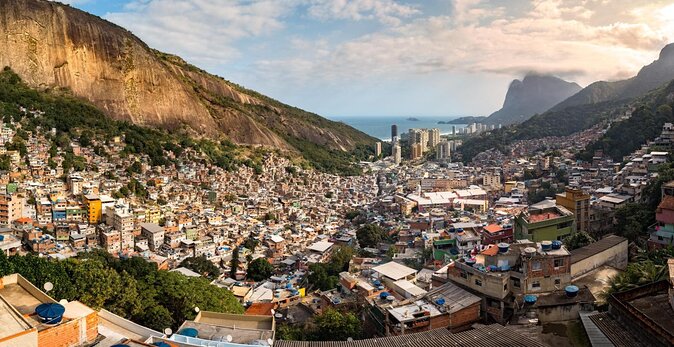
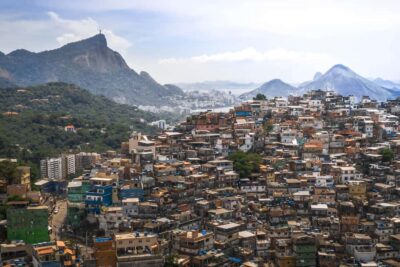
You also get the city orientation that most visitors miss. Rio is famous for its dramatic coastline, but Rocinha is part of that same geography. When you reach the higher spots, you can actually see how the favela relates to beaches, hills, and the forested slopes of Tijuca.
One more thing: the tour is framed as socially conscious, led by a Rocinha resident. That means the guide’s goal is not to perform the favela for you. It’s to explain it, and to do it respectfully, at a pace that lets you ask questions without feeling like you’re interrupting.
More Walking Tours in Rio de Janeiro
- Rio de Janeiro: Rocinha Favela Walking Tour with Local Guide
★ 4.8 · 3,052 reviews - Rio De Janeiro: Half-Day Rocinha Favela Walking Tour
★ 4.7 · 2,272 reviews - 3 Hour Rocinha Favela Walking Tour with a Local Guide
★ 5.0 · 833 reviews
Price and value: what you get for $100 per person
At $100 per person for about 3 hours, this isn’t the cheapest tour in Rio. But it has several built-in components that can make it feel fair once you add them up.
Included are metro or subway tickets, a licensed bilingual private tour guide, and the moto-taxi ride uphill. You also don’t have to factor in admission fees at the listed stops, since the tour notes admission as free for each segment.
The biggest value is less “items included” and more how the tour is structured. A maximum group size of 10 is a real quality marker here. In a place with narrow lanes and busy community spaces, a larger crowd would make the experience noisier and more rushed. A smaller group helps your guide manage the pace, and it gives you a better chance to actually talk.
Also, this tour is run by Gregtur Turismo, which is a sign you’re booking with an established local operator rather than a random pickup. On average it’s booked about 15 days in advance, which suggests the experience stays popular and that planning ahead helps.
Food and drinks are not included, so you should plan for snacks or a meal before or after. Think of this as a morning-to-afternoon reality check tour, not a full-day food tour.
Getting there from Copacabana and starting smart
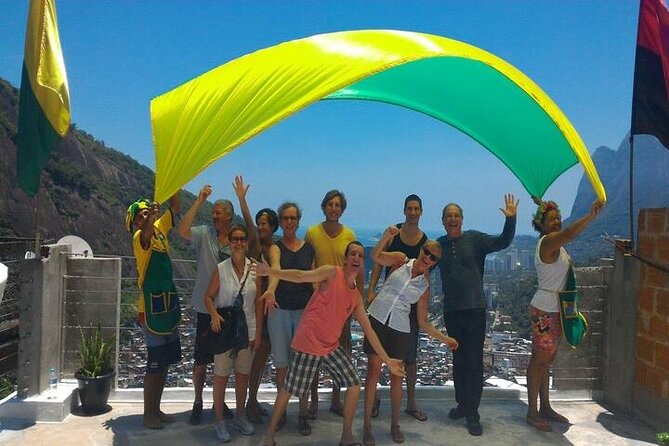
The meeting point is in Copacabana, at Praça Cardeal Arcoverde, on R. Barata Ribeiro. The tour ends back at the meeting point, so you’re not stuck finding your own way out of the area after the walk.
Because the tour includes subway or metro tickets, you can plan to keep this trip simple. You’ll likely take public transit to reach the start of the neighborhood walking portion, rather than paying for multiple private rides or trying to navigate on your own.
The practical tip: show up a few minutes early. With a small group cap, you do not want to be the person running late and scrambling in a busy area. Bring water if you like, since food and drinks aren’t included.
Also, because the tour is about 3 hours and includes some uphill movement, this is a good one to do with comfortable shoes. The alleys and sidewalks can be uneven, and you’ll be on your feet more than you might expect.
Stop 1: Salocin Tour alleys and day-to-day life up close (about 1 hour)
Stop 1 is where the tour earns its keep. You start walking down the alleys of Rocinha, focused on day-to-day life. This is the part that helps you stop thinking of Rocinha as a single photo and start understanding it as a lived-in network of homes, businesses, and daily routines.
The value here is context. A resident guide can explain what you’re seeing in plain language, including how people move through the area and how community life functions. Instead of only pointing things out, Carlos is set up to connect the dots so you understand why certain spaces exist and what roles they play.
What to expect: more walking, more close-up views of homes and small storefronts, and a steady rhythm where the guide keeps you aware of what you’re looking at. This is also the segment where you might feel an emotional contrast. Rocinha is not a theme park. It’s a real neighborhood, so the experience can feel intense in the best way.
Potential drawback: if you’re the type who wants only tidy monuments and big, distant panoramas, this first hour may feel less comfortable. But if you want the reality of Rio life, it’s the part that makes everything after it click.
More of Rocinha:
- Private Walking and Cultural Tour Rocinha-Rio de Janeiro
★ 5.0 · 239 reviews - Rio: Favela Rocinha Tour with Local Guide & Secret Spots
★ 4.7 · 218 reviews - Favela da Rocinha Tour
★ 5.0 · 199 reviews - Rocinha favela walking tour with a local guide
★ 5.0 · 193 reviews
Stop 2: a moto-taxi ride uphill for viewpoints and adrenaline (about 20 minutes)
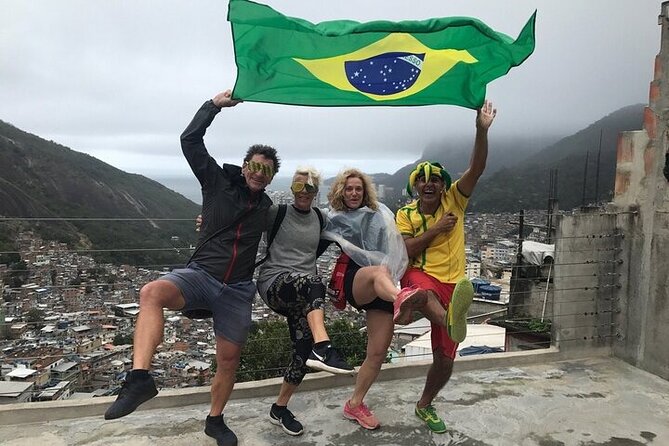
Then the tour changes gears. To reach some impressive viewpoints, you take a moto-taxi ride uphill. It’s short, but it’s memorable because you’re riding through narrow lanes where the city becomes tightly compressed.
The included ride is important. You don’t have to figure out how to hire one, and you avoid the stress of negotiating in a place you may not know well.
This is also the “adrenaline” moment the tour highlights. Even if you don’t feel thrill-seeking, you’ll probably appreciate the practical reason for the ride: it gives you height and perspective faster than continued walking would.
How to prepare: hold on securely, wear comfortable footwear, and be ready for the ride to feel bumpy. If you’re sensitive to motion, this is the moment to slow your expectations, breathe, and trust the guide’s timing.
Once you reach the viewpoints, the views help you understand Rocinha’s scale. It’s not just a single hill. It stretches, and it sits inside Rio’s topography in a way you can’t grasp from street-level alone.
Stop 3: community centers, handmade crafts, and the handcraft fair (about 40 minutes)
This is the “work and creativity” portion of the tour. You visit community spaces connected to handicraft production, then you walk into the shopping area that leads you to the handcraft fair.
I like this stop because it shifts your mindset from “watching” to “seeing effort.” The craft production areas are a reminder that many people here create products with skill and pride, not just souvenirs for tourists.
You’ll have a chance to see residents selling jewelry, decorative objects, and souvenirs. If you choose to buy, go in with the right expectations. Think of it as supporting local commerce and creative work, not as a bargain hunting mission. If you buy, take a moment to look closely at what’s being made and ask simple questions. A good guide will help you understand what you’re seeing.
Potential drawback: you may be tempted to treat this as a standard market stop, but it’s better approached as part of a guided story. The tour flows, so don’t wander off when it’s busy.
Stop 4: Morro do Laboriaux viewpoint for beaches plus Tijuca Forest slopes (about 30 minutes)
Now you climb into one of the tour’s best “orientation” moments: Morro do Laboriaux, described as the highest point in the favela.
From here you get a privileged view that reaches beyond the neighborhood. You can see beaches and the slopes of the Tijuca Forest, which helps you connect the geography of Rio with the community you just walked through.
This viewpoint is valuable because it gives you a mental map. After hours of alleys and turns, your brain needs a wider frame. Higher vantage points do that job fast, and they make the earlier walking routes easier to imagine.
Expect some time standing and looking, plus the guide explaining what you’re seeing. Bring your attention, not just your camera. If you like photography, this is one of the times to slow down and compose.
Potential drawback: viewpoints can mean more sun and more wind. Wear layers if you tend to get cold quickly, and keep your eyes on your footing on any uneven edges.
Stop 5: Wark graffiti studio, Lula da Silva mention, and the Wark Institute (about 20 minutes)
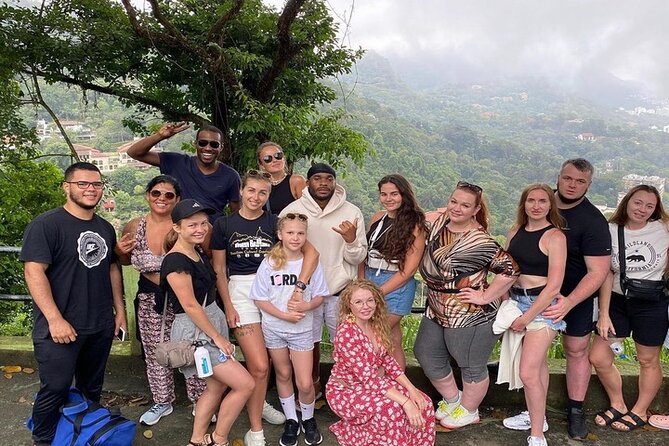
Here the tour moves from panoramas to culture. You visit the studio of Wark, a Rocinha native and a pioneer in the graffiti movement in the largest favela in Brazil.
This stop is especially interesting because it connects street art to serious recognition. The tour notes that Wark’s work gained attention from prominent Brazilian leaders, including Lula da Silva, and that his exhibitions happen frequently in the city. You’ll also hear that his works receive significant payment in Brazilian reais, which reinforces that this is not just hobby art.
The strongest part, though, is the forward-looking work: Wark founded the Wark Institute, described as a school for young people in Rocinha to learn and practice art.
So you’re not only seeing a famous artist’s studio. You’re seeing a link between creativity and education inside the community itself. That’s a big difference from “graffiti photo stop” tours that treat street art like scenery.
Potential drawback: if you’re expecting only large murals in public spaces, a studio visit can feel more grounded and less showy. But that’s exactly why it’s compelling.
Stop 6: Mrs. Maria’s home and the Sao Conrado view (about 10 minutes)
The final stop is short but memorable: a visit to the home of Mrs. Maria, who has lived in the favela for 32 years.
You’ll see a stunning view of São Conrado beach and the favela itself from the slab of her house. This is the kind of moment that lands the whole tour emotionally. After all the walking and viewpoints, you end in a personal space where the neighborhood is both home and vantage point.
This stop also carries a lesson about how people interpret their environment. From where you stand, Rocinha is not just “the favela people talk about.” It’s a home base with daily life and a relationship to the city’s coastline.
Potential drawback: because this part is about a specific home and a specific resident’s story, you should keep your tone respectful and your questions kind. In small moments like this, manners matter more than words.
Tips for making the most of the walk
You’ll get the best experience if you treat this tour as a conversation, not a checklist.
- Bring comfortable shoes and expect uneven walking surfaces.
- Wear clothes that you feel okay moving in, since you’ll be on your feet for most of the 3 hours.
- Bring a light layer if Rio air swings in your time slot.
- If you plan to buy crafts, set a budget first so you can shop thoughtfully.
- Keep your camera ready, but focus on listening for the moments that explain what you’re seeing.
One more practical note: this is capped at 10 travelers, so the tour runs better when everyone stays together. If you need to pause for a bathroom break, ask the guide. Don’t drift off and assume you can catch up.
Should you book the Rocinha Walking Tour?
Book it if you want a small-group, resident-led way to understand Rocinha beyond headlines. The tour’s strongest ingredients are the mix of everyday alleys, craft work, and art tied to community education through Wark’s Wark Institute. Add in the viewpoint stops at Morro do Laboriaux and the home visit with Mrs. Maria, and you get both perspective and personality.
Skip it or think twice if you dislike walking on uneven ground, or if a short uphill moto-taxi ride feels stressful for you. Also, if you only want scenic experiences with no sense of everyday complexity, this is likely to feel too real.
If you do book, you’ll get more out of it by coming curious and ready to learn in plain language with Carlos and the group. This is the kind of tour where you leave with a map in your head, plus real stories that make Rio feel bigger and more human.
FAQ
How long is the Rocinha Walking Tour?
The tour lasts about 3 hours.
How many people are in the group?
The group is capped at a maximum of 10 travelers.
Who leads the tour?
The tour is led by a licensed bilingual guide, and it is run as a Rocinha resident-led experience.
Where does the tour start and end?
It starts at Cardeal Arcoverde / Copacabana (Praça Cardeal Arcoverde, R. Barata Ribeiro, Copacabana) and ends back at the same meeting point.
What transportation is included?
Metro or subway tickets are included, plus a moto-taxi ride uphill to the top of Rocinha hill.
Are there admission fees during the stops?
The tour lists admission as free for each stop.
Is food and drinks included?
No, food and drinks are not included.
What fitness level do I need?
You should have a moderate physical fitness level.
What is the cancellation policy for a full refund?
You can cancel for a full refund up to 24 hours in advance of the experience’s start time.
More Favela Tours Led by Residents
- Favela Tours
★ 5.0 · 660 reviews - Rio de Janeiro: Favela Santa Marta Top Tour with Local Guide
★ 4.9 · 488 reviews - Favela Tour in Rio de Janeiro
★ 4.5 · 483 reviews - Favela Tour Rio de Janeiro – Vidigal Walking Tour by Russo Guide
★ 5.0 · 377 reviews
Newest Rio de Janeiro reviews
- Maracanã Matchday Tour – Ticket + Guide + Transfer★ 5.0 · 14 reviews
- Private Tour with Churrasco in Vela Catamaran – Velas do Rio★ 5.0 · 14 reviews
- Angra & Ilha Grande From Rio: Boat Tour With Barbecue and Drinks★ 5.0 · 14 reviews
- Half-Day Private Tour:Rio de Janeiro Highlights by Bernard Moraes★ 5.0 · 14 reviews
- Tijuca Forest Adventure★ 4.5 · 14 reviews
- Rio de Janeiro: Join a Fluminense game at Maracanã with locals★ 5.0 · 15 reviews
- Rio de Janeiro: Join a Botafogo soccer game with transport★ 5.0 · 15 reviews
- Christ the Redeemer, Selaron Steps and Santa Teresa Half-day Tour★ 4.5 · 15 reviews
More in Rocinha.

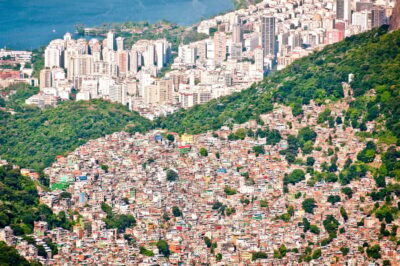

3 Hour Rocinha Favela Walking Tour with a Local Guide
Read our review →
Private Walking and Cultural Tour Rocinha-Rio de Janeiro
Read our review →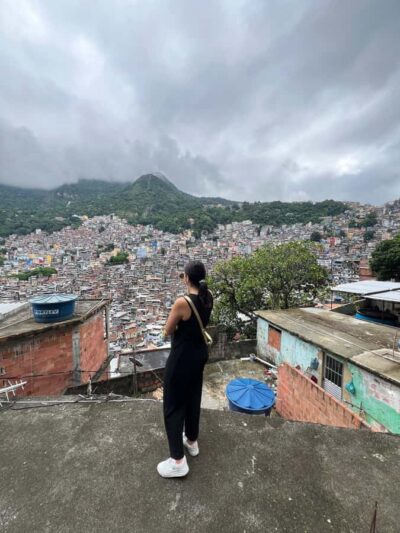
Favela Rocinha Tour with Local Guide & Secret Spots
Read our review →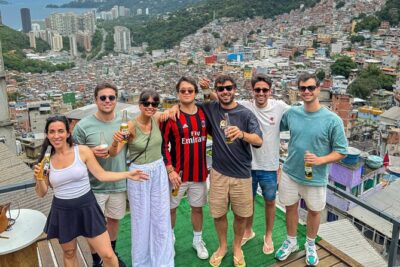

Favela Tour The Original, Rocinha & Vila Canoas since 1992
Read our review →Browse the lists this tour appears in