
Reviewed · WALKING TOURS IN RIO DE JANEIRO
Rio: African Culture Walking Tour
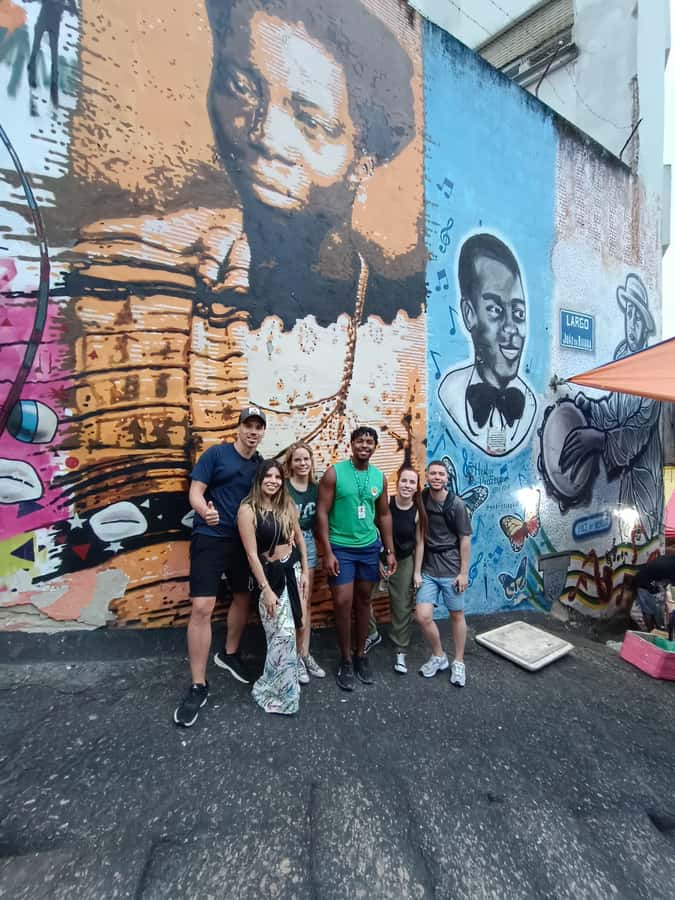
Rio’s African Culture Walking Tour is interesting because it changes the usual Rio script. Yes, the city is famous for sun, sand, and samba, but this outing spotlights black resistance and how Afro-Brazilian culture shaped what you hear and see today.
What I like most is the focus on Little Africa and Pedra do Sal, plus the way the walk connects history to living traditions. Then you finish at Cidade do Samba, where you get a behind-the-scenes peek at how samba school parades come together. One possible drawback: this is a cultural story walk, not a sightseeing loop with big ocean views, and there is some walking even if it is not long-distance.
Key Things That Make This Tour Worth Your Time
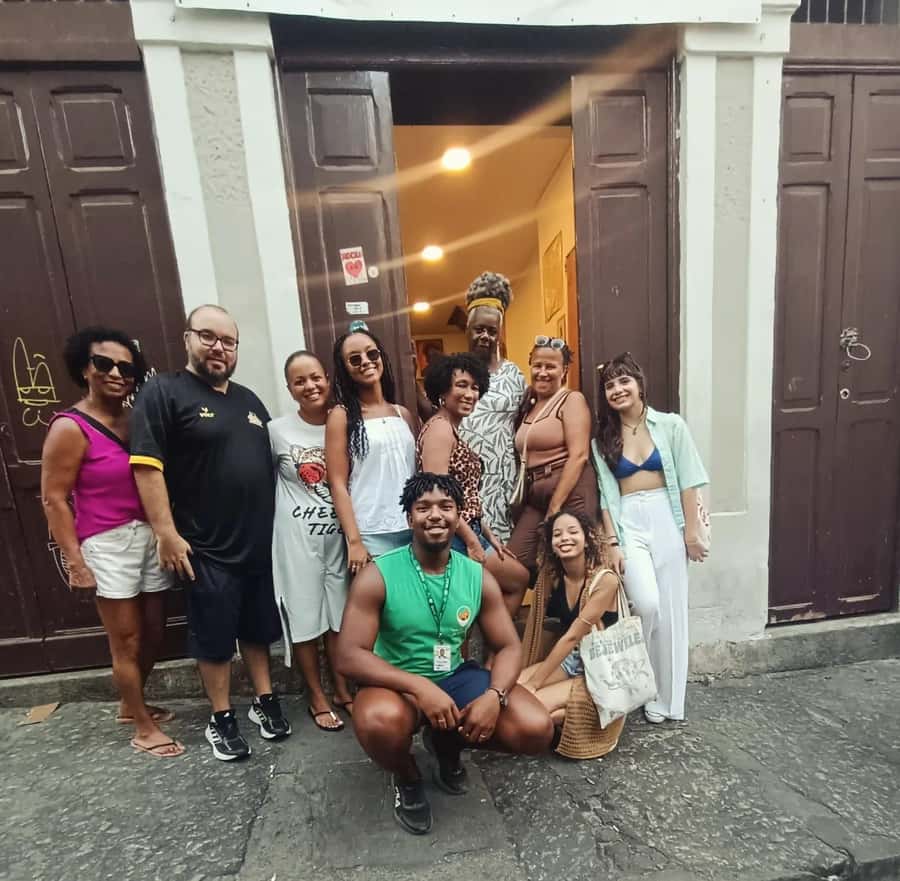
- Small group (max 15) keeps the pacing personal and questions easy to handle
- Rafael gets highlighted for being attentive, clear, and open to discussion
- Little Africa and Pedra do Sal put black resistance front and center, not as a side note
- Cidade do Samba entrance gives you access to where Carnival gets built
- You learn the origins of samba school parade culture, not just the party surface
- Not including food means you should plan a snack or meal before or after
Why Little Africa and Pedra do Sal Changes How You See Rio
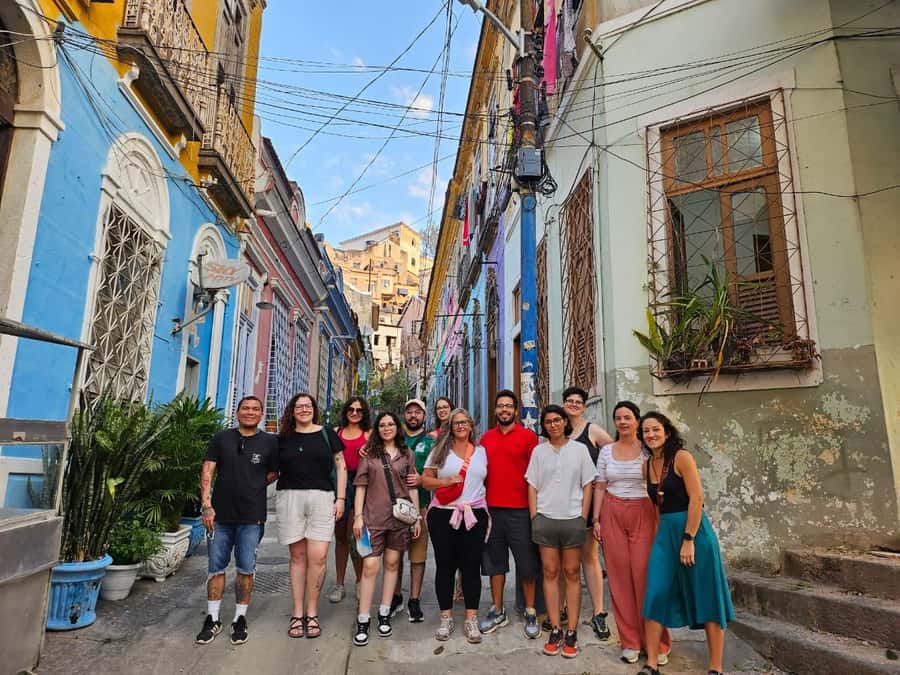
If you only visit Rio for beaches and iconic photos, you can miss the city’s real engine. This tour puts you in the Little Africa and Pedra do Sal area and explains why these neighborhoods matter to Afro-Brazilian life and to the long struggle against slavery. It is a walking history lesson with a human scale, guided by someone who knows how to connect big themes to specific places.
The best part is how the tour links past and present without making it feel like a lecture. When I walked with the group, the guide was the kind of person who answered follow-up questions, not just the ones on a script. One name came up again and again in the experience, Rafael, and the vibe matched that reputation: attentive, good with details, and willing to talk through parallels between racial oppression in different countries.
You also get to see places most visitors skip. That is not about seeking something “secret.” It is about using Rio’s geography to understand the city, especially the parts shaped by African heritage and Brazilian resistance movements. If your goal is context you can actually feel while standing on the street, this is a strong fit.
More Walking Tours in Rio de Janeiro
- Rio de Janeiro: Rocinha Favela Walking Tour with Local Guide
★ 4.8 · 3,052 reviews - Rio De Janeiro: Half-Day Rocinha Favela Walking Tour
★ 4.7 · 2,272 reviews - 3 Hour Rocinha Favela Walking Tour with a Local Guide
★ 5.0 · 833 reviews
The 3-Hour Route, Step by Step, Without Feeling Rushed
This is a 3-hour experience, designed as a compact route that still covers meaningful ground. The pacing tends to stay comfortable, with time for explanations and discussion, not just brisk walking from one photo spot to the next. It is also a small-group tour with a maximum of 15 people, so you are not invisible in the back row.
Here is how the flow works in plain terms:
- You start with a guided walk focused on the history of black resistance and Afro-Brazilian culture in the region known as Little Africa and Pedra do Sal.
- Along the way, the guide explains the struggle tied to the abolition of slavery in Brazil, while also pointing out cultural traditions you can recognize in modern Rio.
- You finish at Cidade do Samba, where you step into Carnival’s behind-the-scenes world and learn where samba school parade traditions come from.
- The tour ends with access to the facility area linked to parade building, so the final stretch is less about walking streets and more about seeing how the show is produced.
Because it is a walking tour by foot, you should expect to move steadily for the whole session. It is not an all-day slog, but it is also not a seated museum hour. If you are the type who gets impatient with slow city strolling, plan your expectations. If you like learning as you go, the timing feels right.
Little Africa and Pedra do Sal: Black Resistance, Not Souvenirs
The opening portion is where the tour earns its name. You spend time in Little Africa and Pedra do Sal, two parts of Rio’s geography that are closely associated with African heritage and the story of people resisting oppression. The guide frames this area as more than a historical backdrop. You are meant to understand it as part of the city’s living cultural footprint.
In my experience with this kind of guided walk, the difference-maker is whether the guide can bring the history down to the street level. Here, that connection is the point. The guide shows you key places tied to the narrative of black resistance, and then explains how those forces shaped the cultural traditions Rio is known for.
This segment also helps you calibrate how you read Rio. You start noticing that samba and Carnival did not appear out of thin air. They are tied to community life, survival, identity, and creativity under pressure. That context matters because when you later watch samba school performances, you are not just seeing costumes and rhythm. You are seeing something with roots.
One practical note: since this part is walking-based, wear shoes you trust. Rio’s sidewalks can be uneven, and the tour is built around you staying on your feet while the guide explains the area.
Walking the Story of Slavery Abolition and Afro-Brazilian Traditions

After you get oriented in Little Africa and Pedra do Sal, the tour turns toward the bigger story: the struggle for the abolition of slavery in Brazil and how that struggle shaped Afro-Brazilian communities and traditions. This is not only about tragedy. It is about resistance and cultural continuity.
What I appreciated most is the way the guide kept drawing connections that felt useful. In conversation, the tour can highlight parallels between systems of racial oppression in the United States and the Brazilian context, while also stressing differences. That balance helps if you like history but you want it explained in a way that doesn’t flatten one country’s experience into another.
If you are worried about this section feeling too heavy, you can relax a bit. It is serious, but the guide keeps it conversational and grounded. The goal is clarity: helping you understand what the story means and why it matters for Rio today, especially for Afro-Brazilian culture and traditions that show up again and again.
Another reason this section is valuable is how it changes the “Carnival only” mindset. A lot of people arrive in Rio seeing samba schools like entertainment packages. This tour makes Carnival feel like a cultural system with history behind it, and a community behind that system.
Another way to spend a day in Rio de Janeiro:
- Rio de Janeiro: 6-Stop Highlights of Rio with Lunch
★ 4.4 · 5,157 reviews - Christ the Redeemer Entry Ticket by Corcovado Train
★ 4.4 · 4,476 reviews - Rio’s City Tour – Tickets for Christ, Sugar Loaf & Lunch included
★ 5.0 · 4,389 reviews - Full Day: Christ Redeemer, Sugarloaf, City Tour & Barbecue Lunch
★ 4.5 · 3,142 reviews
Cidade do Samba Entrance: Your Backstage Ticket to Carnival Craft
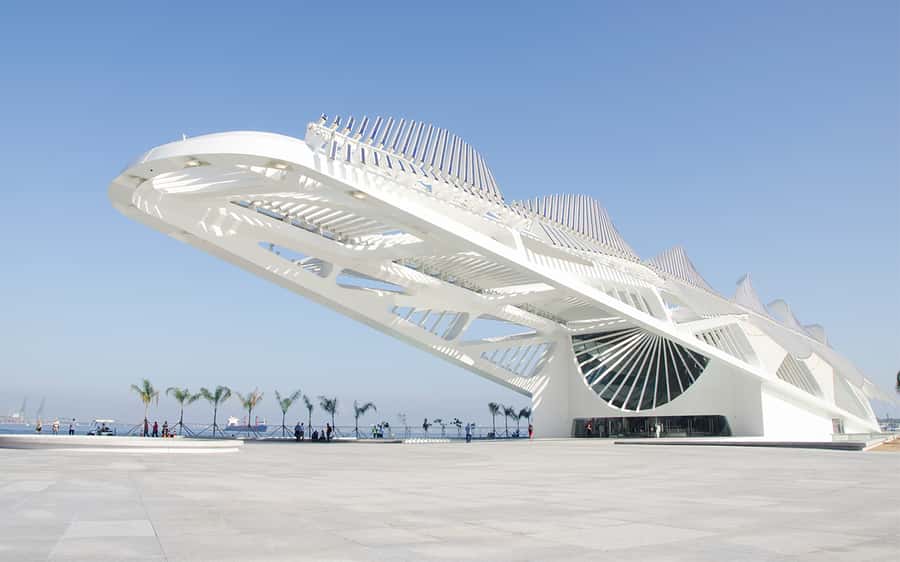
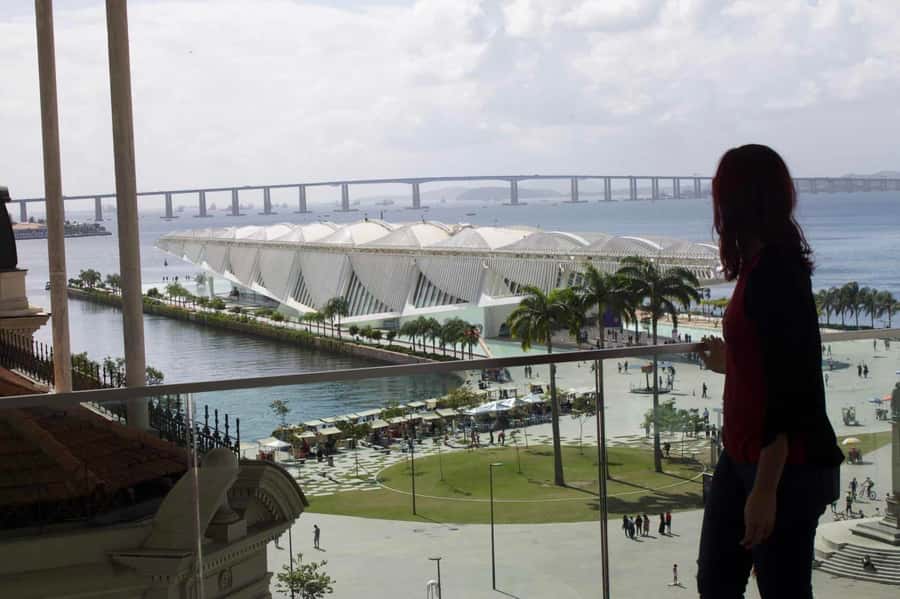
The best way to describe the ending is this: you leave the street and step into the production side of Carnival at Cidade do Samba. The tour includes entrance to Cidade do Samba, so you are not standing outside looking in. You get guided access tied to the Carnival experience.
During this portion, you learn about the origins of the samba schools parades and you get a peek behind the curtain of how the parade magic gets made. This is where the tour broadens from “why this culture exists” to “how it becomes a spectacle.”
What you should expect here depends on your tolerance for a more structured, facility-style visit. One review insight stuck with me: the warehouse or production-area segment can feel a bit less like raw street authenticity, because it is a working space tied to schedules and operations. That said, it is also exactly why it feels special. You are getting access to where the parade components are made, and that kind of access is hard to replicate on your own.
If you love production details, you will probably enjoy this part a lot. If you prefer only outdoor, street-level experiences, you may find it slower. Either way, it is a smart way to finish a walking tour because it shifts your brain from geography to culture in motion.
Samba School Backstage: What You’ll See, and What to Watch For
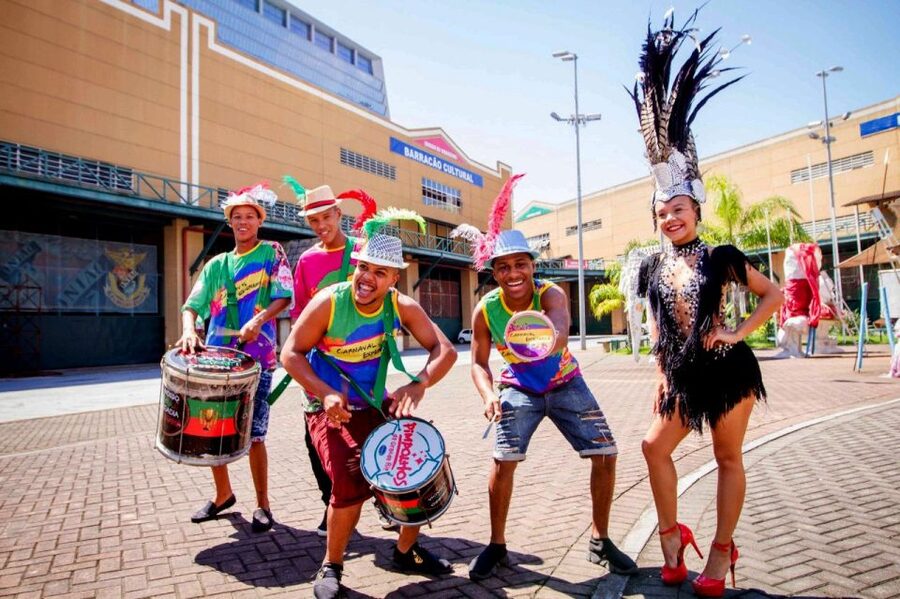
The tour ends with a look at one of the bigger samba school warehouse spaces where things get created for Carnival. The emotional impact is usually two-fold: first, you realize how much work goes into the parade, and second, you see that the spectacle is the final step in a bigger process.
From a value standpoint, this is a big deal. You are paying for an experience that includes a specific venue entrance and guided context. Without that, most people would see only the finished performance or would miss the production side entirely.
At the same time, you should calibrate your expectations. This final segment is not “wandering streets with a historian.” It is a facility visit, and sometimes that means less spontaneity and more time spent in controlled areas. The upside is access and explanation. The tradeoff is that it may not feel as organic as the earlier walk.
If you ask good questions, you can get more out of it. In the conversations I had during this kind of tour style, the guide often helps bridge your curiosity with what the staff at the venue can explain. That is where the small-group setting helps again.
Price, Timing, and Who This Tour Fits Best
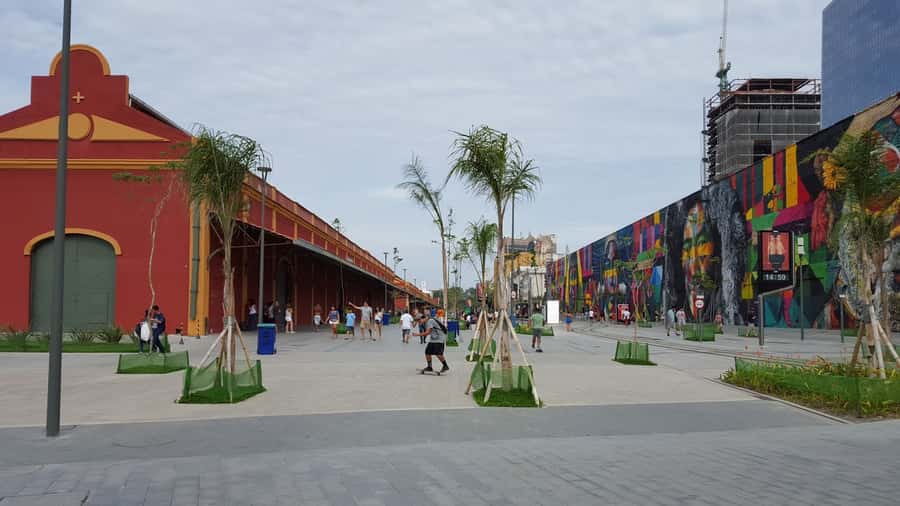
At $100 per person for a 3-hour tour, the value depends on what you want most from Rio. If you want a simple highlight tour, this may feel pricey for three hours. If you want cultural context and real access to Cidade do Samba, it feels more reasonable.
Here is how I think about the math:
- You are paying for a guided walking segment that focuses on history and black resistance, plus an entry that gives you access inside Cidade do Samba.
- The group size cap of 15 helps keep the experience from turning into a rushed lecture. You can ask questions without waiting for the guide to notice you.
- The tour is offered in English, Spanish, and Portuguese, which is great if you want fewer language barriers.
- It runs as a private-group style format, so you can often feel more flexible and less like you are part of a huge herd.
Who should go?
- Choose this if you want Afro-Brazilian culture with context, not just photos.
- Choose this if you care about how samba school traditions connect to history.
- Choose this if you like guides who can explain, then talk back when you have questions.
Who might not love it?
- If your main goal is typical tourist sightseeing, this will not replace a classic route through Rio’s postcard viewpoints.
- If you hate walking or prefer all seated experiences, this might feel like too much movement.
One small but useful tip: plan food around the tour. Food and drinks are not included, so eat beforehand or keep a snack plan for after.
Practical Tips for Making the Most of It

A few things will help you get the most out of the three hours.
- Wear comfortable shoes. It is a walking tour, and you will want steady footing.
- Bring questions. This kind of guided cultural tour can turn into a great discussion, especially when your guide is open to dialogue, as I experienced with Rafael.
- Plan your timing with the rest of your day. Since it is only three hours, you will likely want a meal or a nearby activity afterward, not something that requires long travel immediately after.
- Know it is a cultural focus. If you came for samba and nightlife, this tour gives you more meaning behind the music.
- Choose your language preference early. The tour offers English, Spanish, and Portuguese, so pick what helps you follow the story comfortably.
Also, make sure you have your phone ready for updates. You are asked to send your WhatsApp contact, so having that set up helps you avoid last-minute confusion.
Should You Book This Rio African Culture Walking Tour?
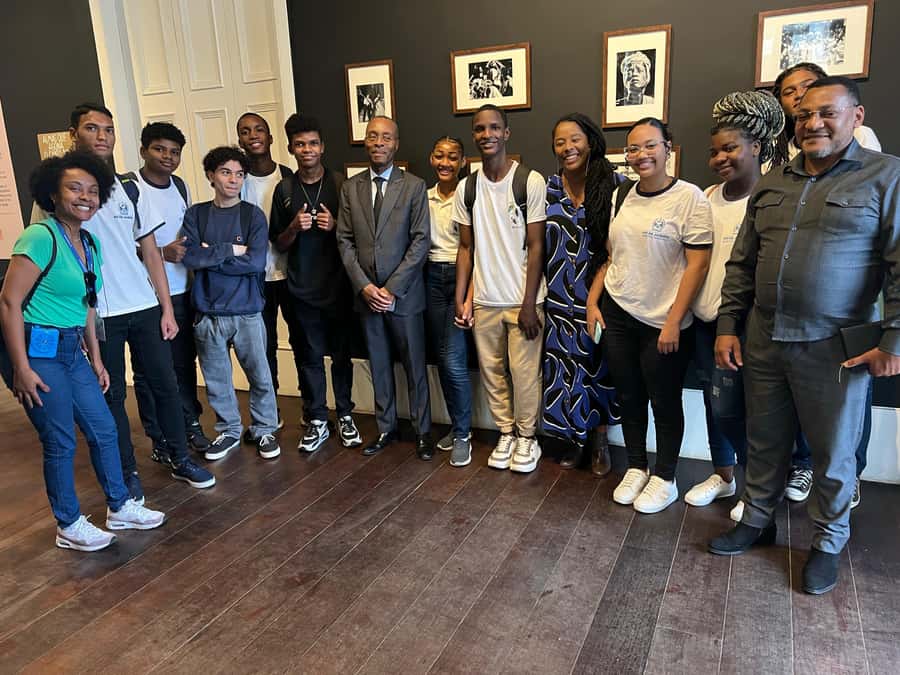
I think it is a good booking for the right traveler: the person who wants Rio beyond the standard photos and wants to understand how black resistance and Afro-Brazilian culture shaped what you experience in the city.
Book it if you will enjoy a guided walk focused on Little Africa and Pedra do Sal, and if you value the chance to visit Cidade do Samba and learn how samba school parade traditions are rooted in history and community work. The small-group size and the strong guide style, including Rafael’s attentive approach, are real advantages.
Skip it only if your priorities are elsewhere, like spending the time on purely scenic viewpoints or you need a no-walking, no-discussion type of activity. For cultural context plus Carnival access in one neat package, this tour makes a lot of sense.
FAQ
How long is the Rio African Culture Walking Tour?
The tour lasts 3 hours.
What is the price per person?
The price is $100 per person.
What does the tour include?
It includes a walking tour in Little Africa and Pedra do Sal, a behind-the-scenes visit connected to Carnival at Cidade do Samba, and entrance to Cidade do Samba, plus all taxes, fees, and handling charges.
What languages are available for the live guide?
The live tour guide is available in English, Spanish, and Portuguese.
Is food included?
No, food and drinks are not included.
Is the tour refundable if my plans change?
Yes. There is free cancellation up to 24 hours in advance for a full refund.
Newest Rio de Janeiro reviews
- Maracanã Matchday Tour – Ticket + Guide + Transfer★ 5.0 · 14 reviews
- Angra & Ilha Grande From Rio: Boat Tour With Barbecue and Drinks★ 5.0 · 14 reviews
- Private Tour with Churrasco in Vela Catamaran – Velas do Rio★ 5.0 · 14 reviews
- Half-Day Private Tour:Rio de Janeiro Highlights by Bernard Moraes★ 5.0 · 14 reviews
- Tijuca Forest Adventure★ 4.5 · 14 reviews
- Rio de Janeiro: Join a Fluminense game at Maracanã with locals★ 5.0 · 15 reviews
- Christ the Redeemer, Selaron Steps and Santa Teresa Half-day Tour★ 4.5 · 15 reviews
- Rio de Janeiro: Join a Botafogo soccer game with transport★ 5.0 · 15 reviews
Walking Tours in Rio de Janeiro, compared.



3 Hour Rocinha Favela Walking Tour with a Local Guide
Read our review →
Favela Tour Rio de Janeiro – Vidigal Walking Tour by Russo Guide
Read our review →

Private Walking and Cultural Tour Rocinha-Rio de Janeiro
Read our review →

Sunrise and Sunrise Walk Two Brothers with Local Guide
Read our review →Browse the lists this tour appears in