
Reviewed · PORTO ALEGRE TOURS
Porto Alegre: Private Citytour na Capital dos Gaúchos
Porto Alegre is the kind of city that grows on you fast once you get context, not just photos. I like that this tour pairs major sights with real neighborhood and political history told in plain language. I also like that your guide can work in Portuguese, English, or Spanish, so you do not lose half the story to translation.
The main drawback is simple: 5 hours is tight. You will cover a lot of ground and see many stops from the outside or with short explorations, so you will want to treat this as a best-of orientation, not a slow, deep, single-place day.
Key things that make this city tour work
- Multilingual live guide in Portuguese, English, or Spanish
- A best-of route that mixes central landmarks with the Guaíba waterfront
- Stadium and culture stops that show how locals live and cheer
- Private group pricing up to 4, with a small group cap in practice
- Flexibility on the road, including smart reroutes during disruptions
Porto Alegre in 5 hours: what this tour gets right
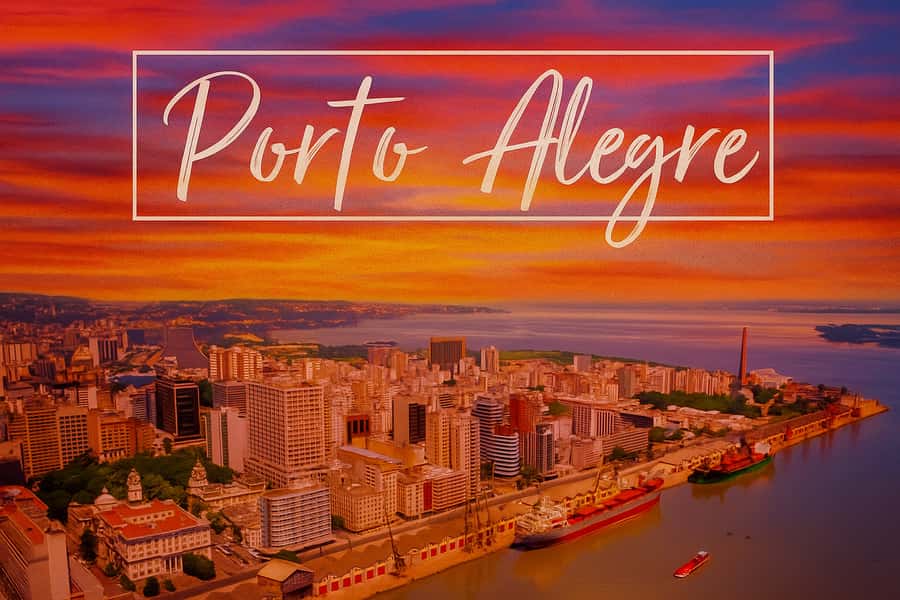
If you are trying to understand Porto Alegre quickly, this itinerary is built for that job. You start with classic neighborhoods and signature streets, then you move into the civic and cultural core, then you finish where the city breathes, along the Guaíba River.
The value here is not just the list of places. It is the pacing plus the storytelling. The tour script is designed to give you historical context at each stop, so you are not wandering around wondering what you are looking at.
Also, the guide quality matters. In past runs, guides like Valdecir have delivered clear English explanations, Bruno has shown flexibility when roads got complicated during a marathon and protest, and Carlos has done a more tailored approach based on an interest like engineering. That gives me confidence that you can ask questions and shape the day a bit, even while the route stays structured.
A few more Porto Alegre options
- Sailing in Guaíba with White Swan Boat – Porto Alegre
★ 4.5 · 95 reviews - Private Transport – LAWN | CINNAMON
★ 5.0 · 54 reviews - Transfer back and forth to Gramado/Canela de Porto Alegre/Caxias
★ 5.0 · 49 reviews
Moinhos de Vento and Calçada da Fama: where Porto Alegre’s personality shows up
Bairro Moinhos de Vento sets the tone. This is where you get an early feel for the city’s more refined, neighborhood-scale life, not only the big government buildings. It is a good warm-up stop because it helps your brain switch from the idea of Porto Alegre as a dot on the map to a city with distinct areas.
Then you hit Calçada da Fama, followed by Gonçalo de Carvalho Street. This stretch is one of those pedestrian-friendly moments that can easily become a photo spree, but it is also useful for learning how the city celebrates culture in public space. Gonçalo de Carvalho Street is highlighted as one of the most beautiful promenades in the world, and even if beauty is subjective, it is the kind of street where you can understand why people linger.
What I like: this section gives you contrast. You get architecture and streetscape, then the guide can connect what you see to the broader story of who shaped Porto Alegre.
A practical note: this is a good time to decide what kind of city traveler you are. If you enjoy streets and urban design, lean into these early stops. If you prefer major landmarks, pay attention to what the guide explains, then move fast on visuals.
City Hall and the Public Market: civic power plus real daily life
After the neighborhood intro, the tour heads into the city’s center of gravity. The City Hall stop matters because it anchors the administrative side of Porto Alegre, the places where decisions happen and where power shows itself.
From there you move to the Public Market. Markets can feel similar in different countries, but this one is valuable because it is not a random photo stop. It is a chance to see how people buy, eat, and socialize, which is how you understand a city’s rhythm.
If you like your tours to teach you how locals function, this is a smart pairing. Civic buildings tell you how a city organizes itself. A market shows you how that organization affects daily routines.
Time tip: in a 5-hour tour, you will not have a long lunch unless you build it in. So treat the market as a taste and a quick look. If you see something you want to try, grab a small bite and keep moving, otherwise you will feel rushed later.
Beira Rio Stadium and Grêmio Arena: football as a cultural language
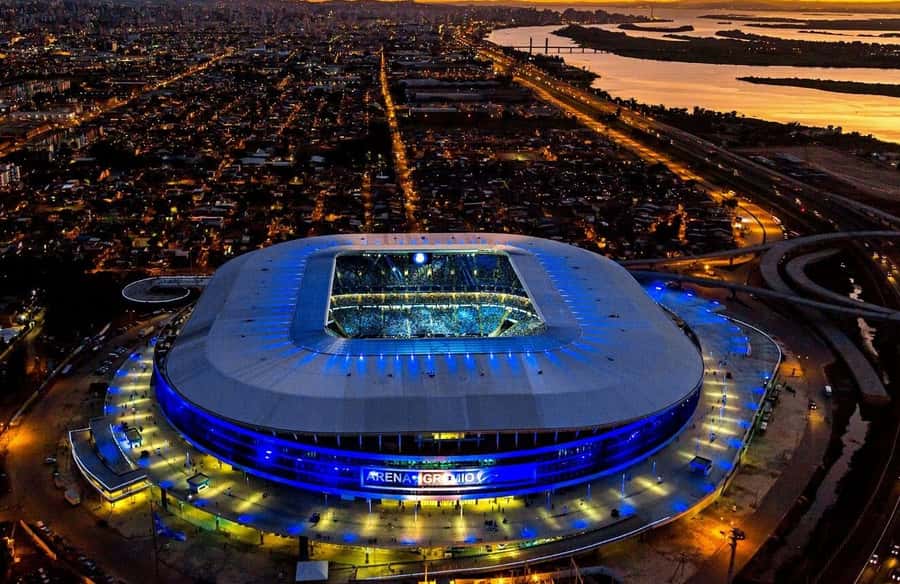
Porto Alegre would not be complete without sports. The tour brings you by Beira Rio Stadium and Grêmio Arena, and it does not do it as a mere sightseeing checkbox.
These stops work because football is not only a game here. It is a social marker, a way people talk about the city, and a reason neighborhoods feel tied together. Even if you do not follow football closely, you can still learn a lot from how locals express pride, tradition, and identity around these venues.
The bonus: these are big, easy-to-recognize landmarks for a half-day introduction. They give you a mental map. After you see them, it is easier to understand why certain streets and river connections feel important.
Another way to spend a day in Porto Alegre:
- Transfer back and forth Poa Gramado or Canela Poa Regular
★ 4.0 · 37 reviews - Private Premium Transfer from Porto Alegre to Gramado or Canela
★ 5.0 · 17 reviews - Gramado and Canela private trip with English speaking guide
★ 5.0 · 6 reviews
Churches, squares, and the city’s spiritual center
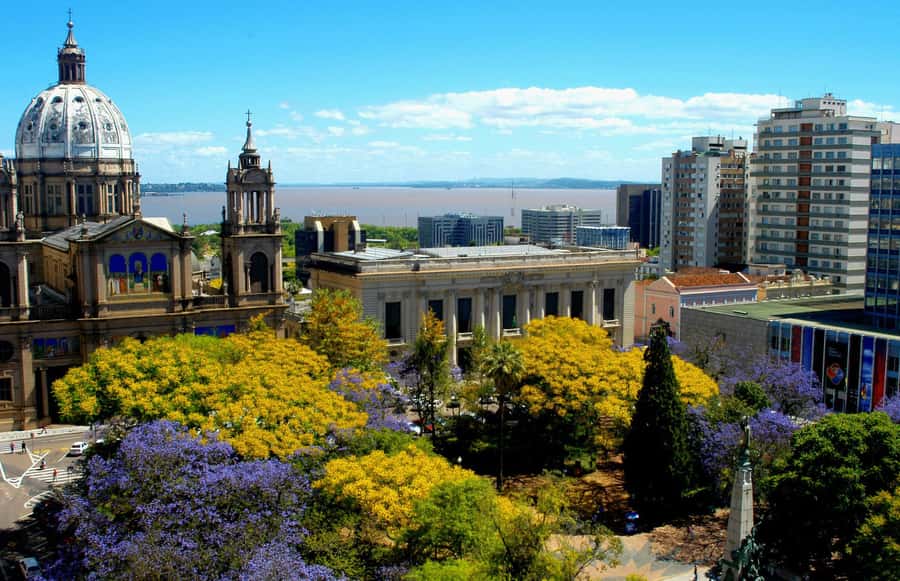
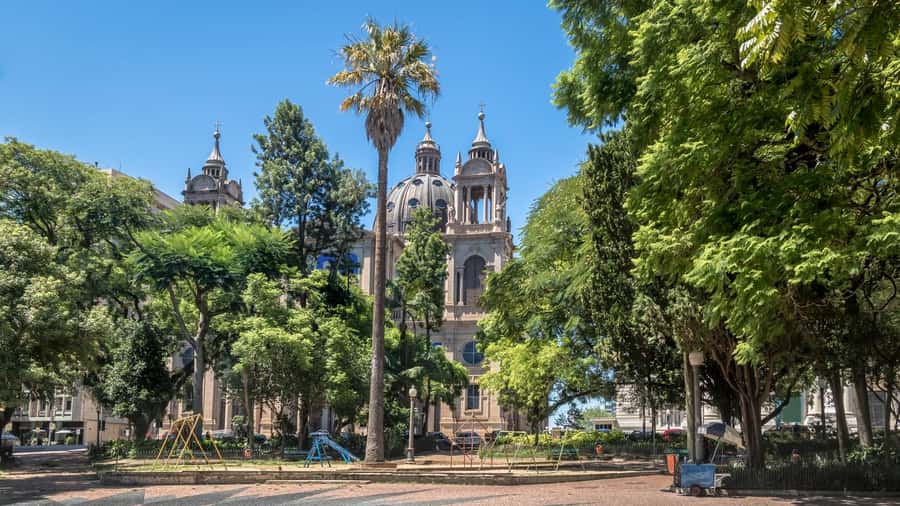
Next comes a sequence of religious and civic-adjacent landmarks that help you read Porto Alegre’s physical layout. You visit Nossa Senhora das Dores Church, Matriz Square, and the Metropolitan Cathedral.
Why this matters on a city tour: churches and squares often show you where community life concentrates. You start seeing patterns, like how civic space lines up with old centers and where people gather when it is time for ceremonies, meetings, or major events.
Matriz Square is a particularly useful stop for orientation. It is the kind of place where your guide can explain how the city grew and why these centers mattered over time. Even from short visits, you can notice the relationship between open space and important buildings.
If you are sensitive to noise or crowds, plan for the fact that squares can be active. You will likely get the best experience when you step back, look around, then let your guide frame what you are seeing.
São Pedro Theatre plus Farroupilha and Piratini Palaces: culture and power in the same breath
Then the tour shifts to culture and government. You will see São Pedro Theatre, Farroupilha Palace, and Piratini Palace.
This section is a good reminder that Porto Alegre is not just historical buildings. It is a working city. Theaters and palaces represent two different types of influence. One shapes how a community imagines itself. The other shapes how it governs.
São Pedro Theatre is especially satisfying if you like performing arts or if you enjoy architectural details. Even if you do not catch a show that day, you walk away with a clearer idea of where arts fit into local identity.
Farroupilha Palace and Piratini Palace are more than impressive facades. They are part of the story of how Porto Alegre operates within the larger Brazilian context. When a guide connects these points to local history, the buildings stop being generic and start feeling like evidence.
I also like that this part of the route is usually visually varied. The city feels like it has layers, not one flat downtown strip.
The Guaíba River route: Gasometer, Orla Mirante, and Pier Embarcadouro
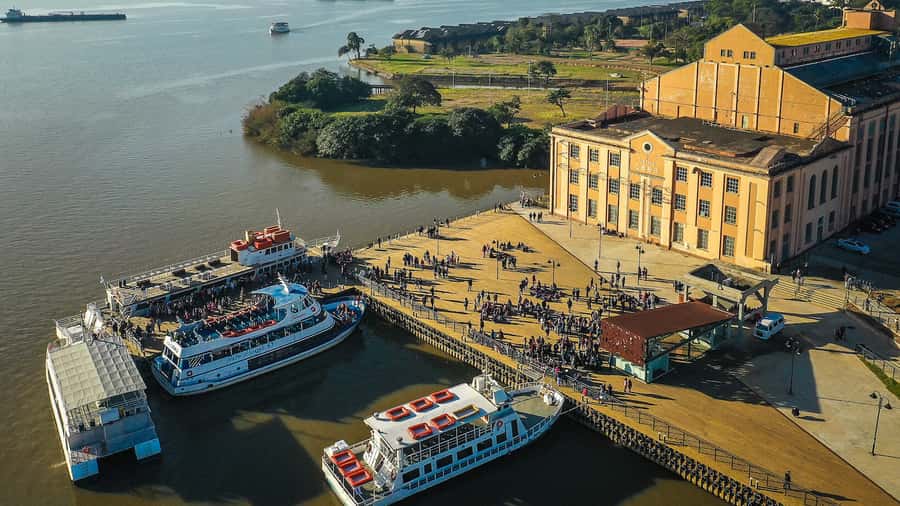
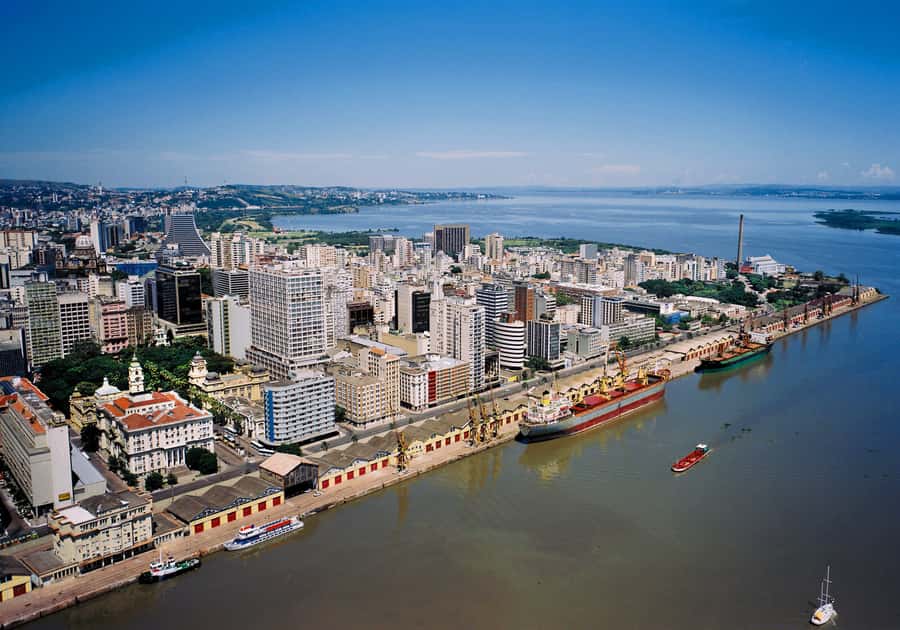
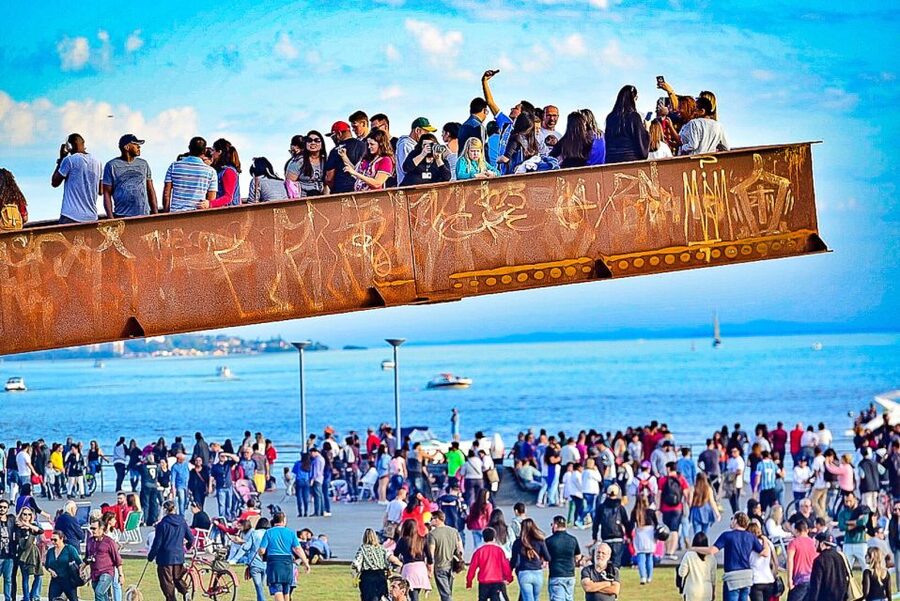
Here is the moment that makes Porto Alegre feel bigger than its size. The tour heads toward the Guaíba River area, starting with the Gasometer Plant and continuing along Guaíba Orla.
Then you reach Pier Embarcadouro and Orla Mirante. These stops matter because waterfronts change the way you experience a city. You go from street-level stories to a broader view, literally. The river gives you scale and a different angle on the urban design.
If you want a mental shortcut: after these points, you will better understand why Porto Alegre has a reputation for enjoying open air and river walks. You are not just seeing the city. You are seeing how the city interacts with water.
A small caution: weather affects this section. Bring sunglasses if the sun is strong, and consider a light layer if the wind kicks up by the river.
Harmony Park, Stone Bridge, Azorean Monument, and Redenção: a satisfying final walk
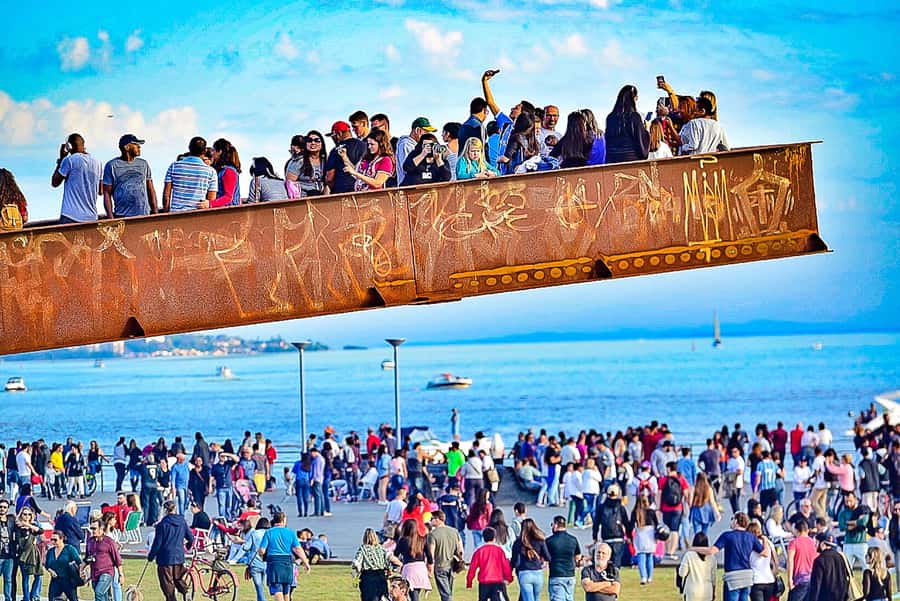
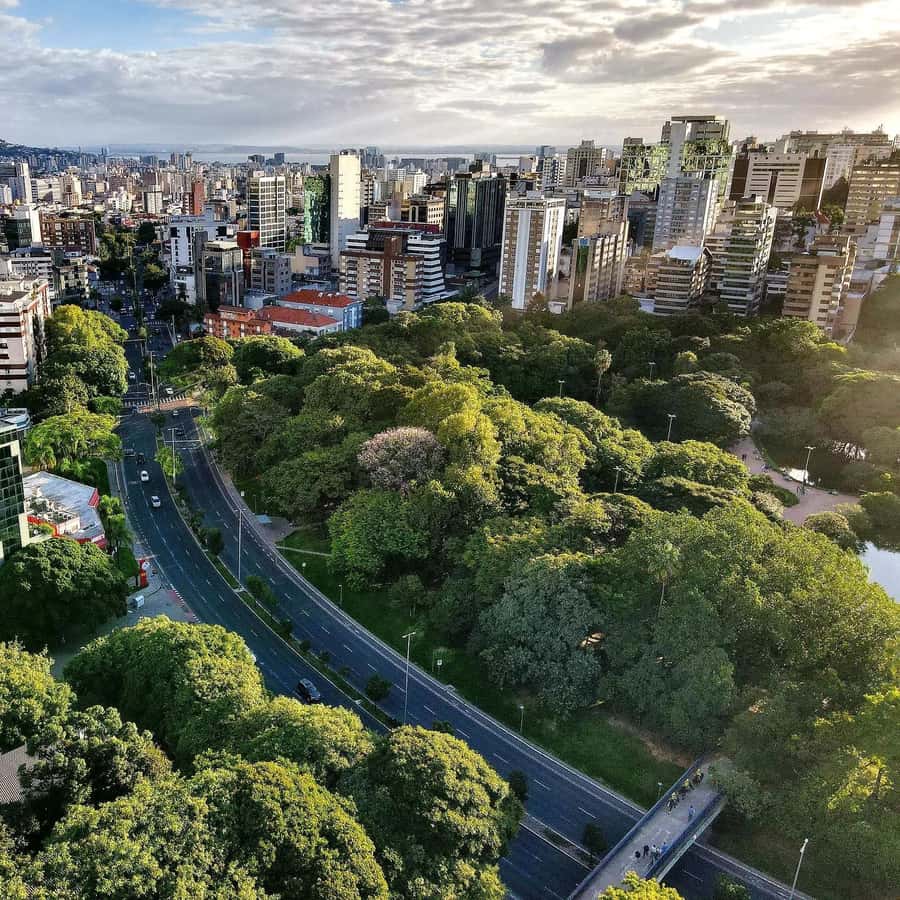
The end of the tour is designed for a gentle landing, with a run of outdoor, scenic landmarks. You visit Harmony Park, then Stone Bridge, followed by the Azorean Monument, and finally Redemption.
This finale is more than scenic. It gives you a place to regroup after the palaces and cathedrals. Outdoor stops also give you breathing room to move at your own pace, even if the overall tour schedule stays tight.
Stone Bridge is a great last visual anchor because it is the kind of structure that looks good from multiple angles. The Azorean Monument adds a cultural layer, connecting place to people beyond just the main political and religious story. Redemption rounds it out with a classic Porto Alegre finish where you can take your time absorbing the area before you head back.
If you tend to get tired on tours, this is where you will appreciate the choice. The day ends with open space, not more hard transitions.
Value for money: what $180 per group up to 4 really buys you
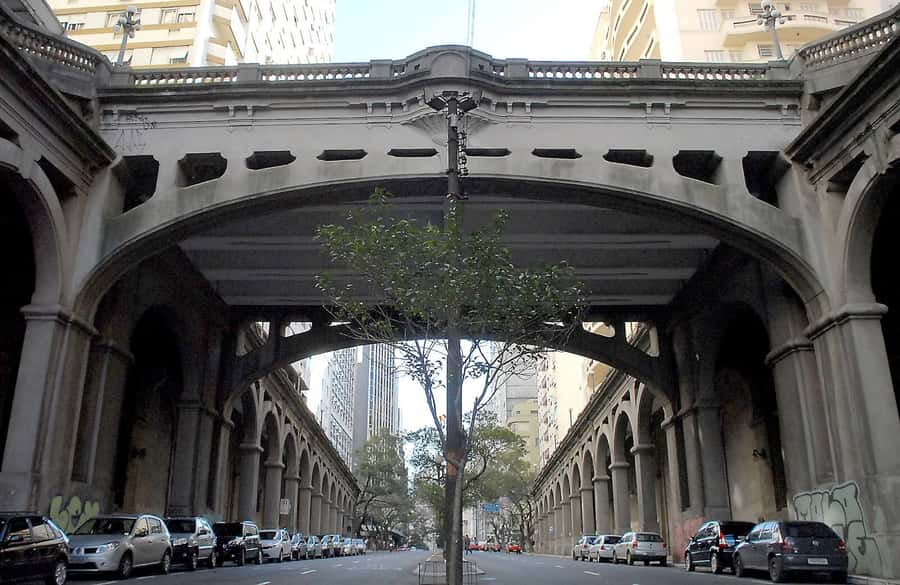
At $180 per group up to 4, this tour can be a strong deal if you travel as a small group or family. You are essentially paying for a private-feeling guide-led route with multiple stops and historical context, rather than renting a car and hoping you can connect every dot yourself.
For solo travelers, the value depends on how much you like guided context. If you like learning why buildings matter, and you want a structured way to see Porto Alegre in one go, it can still be worth it. The multilingual guide helps too, because you are not paying for someone who only talks one language.
Also, the itinerary is not just random stops. It covers the city’s main categories: neighborhood identity, civic life, sports culture, sacred landmarks, theater and government palaces, then the riverfront. That mix is exactly what you want early in a trip.
If you already know Porto Alegre well and want to focus on only one neighborhood for hours, you might prefer a longer plan just for that area. But if you want a first-time orientation with solid storytelling, this one fits.
Who this tour is best for
I think this is a great match for:
- First-time visitors who want the main sights plus context in one half-day
- Small groups who prefer a guide-led plan without the hassle of figuring routes
- People who care about culture, civic history, and how sports fits city identity
- Travelers who want language support in Portuguese, English, or Spanish without stress
If you want a long, slow walking tour with lots of free time at each stop, this might feel rushed. But if you want a strong orientation and a day you can build on, it is an easy recommendation.
Should you book Porto Alegre Private Citytour na Capital dos Gaúchos?
Yes, if you want an efficient, guide-led way to get oriented and you like learning the why behind the landmarks. The route covers the city’s big themes, from neighborhood streets like Gonçalo de Carvalho to civic and cultural sites, then finishes with the Guaíba waterfront and parks.
Book it especially if you are traveling with up to four people, because the $180 per group pricing can work out well for the time and the guide attention you get. Also, if you speak English, Portuguese, or Spanish, you will likely appreciate that the guide can work in your language.
Skip it if your goal is total free time. This is a structured city tour, so plan to keep shopping bags and long detours for later days.
FAQ
How long is the Porto Alegre private city tour?
It lasts 5 hours.
What is the price?
The price is $180 per group up to 4.
What languages are available for the live guide?
The live guide offers service in Portuguese, English, and Spanish.
Is pickup included?
Yes. Pickup is included, and you should wait in the hotel lobby about 10 minutes before the scheduled pickup time.
Is there free cancellation?
Yes. You can cancel up to 24 hours in advance for a full refund.
Can I reserve now and pay later?
Yes. You can reserve now and pay later.
Is the tour wheelchair accessible?
Yes, the tour is wheelchair accessible.
How big is the group?
It is a small group, limited to 15 participants.
Which sights are included in the route?
The tour includes stops such as Bairro Moinhos de Vento, Calçada da Fama, Gonçalo de Carvalho Street, City Hall, Public Market, Beira Rio Stadium, Grêmio Arena, Nossa Senhora das Dores Church, Matriz Square, Metropolitan Cathedral, São Pedro Theatre, Farroupilha Palace, Piratini Palace, Gasometer Plant, Guaíba Orla, Pier Embarcadouro, Orla Mirante, Harmony Park, Stone Bridge, Azorean Monument, and Redemption.
Newest Porto Alegre reviews
- Private Premium Transfer from Porto Alegre to Gramado or Canela★ 5.0 · 17 reviews
- Transfer back and forth Poa Gramado or Canela Poa Regular★ 4.0 · 37 reviews
- Transfer back and forth to Gramado/Canela de Porto Alegre/Caxias★ 5.0 · 49 reviews
- Private Transport – LAWN | CINNAMON★ 5.0 · 54 reviews
- Sailing in Guaíba with White Swan Boat – Porto Alegre★ 4.5 · 95 reviews
- Gramado and Canela private trip with English speaking guide★ 5.0 · 6 reviews
Porto Alegre Tours, compared.

Sailing in Guaíba with White Swan Boat – Porto Alegre
Read our review →
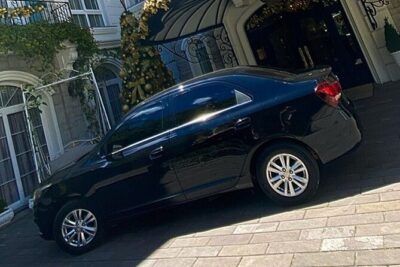
Transfer back and forth to Gramado/Canela de Porto Alegre/Caxias
Read our review →
Transfer back and forth Poa Gramado or Canela Poa Regular
Read our review →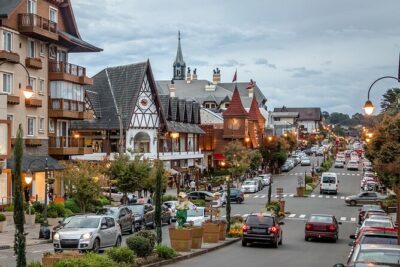
Private Premium Transfer from Porto Alegre to Gramado or Canela
Read our review →
Gramado and Canela private trip with English speaking guide
Read our review →Browse the lists this tour appears in