
Reviewed · WATERFALLS & TRAILS
Pedra da Gávea Trail with Guide
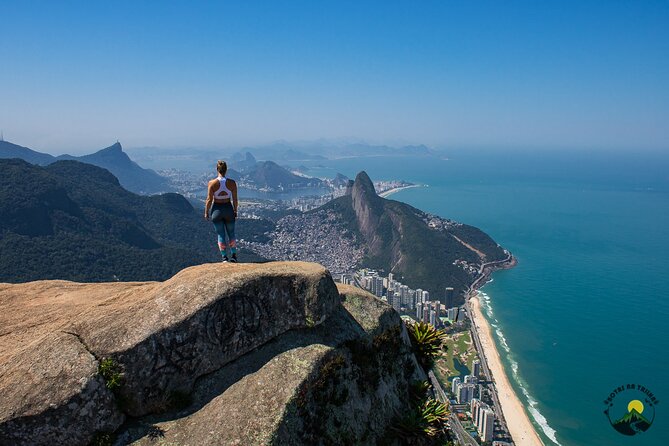
Pedra da Gávea is one of those Rio hikes that feels more like a challenge course than a scenic walk, because you are dealing with steep rock, roots, and sections where you use climbing techniques. I love that this route goes through a small slice of Tijuca National Park with Atlantic forest plants and wildlife, so you get more than just a summit photo. I also like how the guides bring serious climbing know-how, with English support from people like Jessie and steady confidence from Daniel.
The catch is simple: this is a difficult trail. You should have strong physical fitness, comfort using your hands on rough terrain, and a willingness to handle rope-based sections when needed. If you are more of a “comfortable shoes, flat ground only” person, this will likely feel like the wrong kind of vacation.
Key Highlights You’ll Care About
- Specialized mountain and jungle training: guides are registered with Brazil’s Ministry of Tourism and have first aid plus jungle rescue (RAS).
- Real technical terrain: roots, rocks, steep inclination, plus sections that use climbing gear like ropes, seats, helmets, and fixed chains.
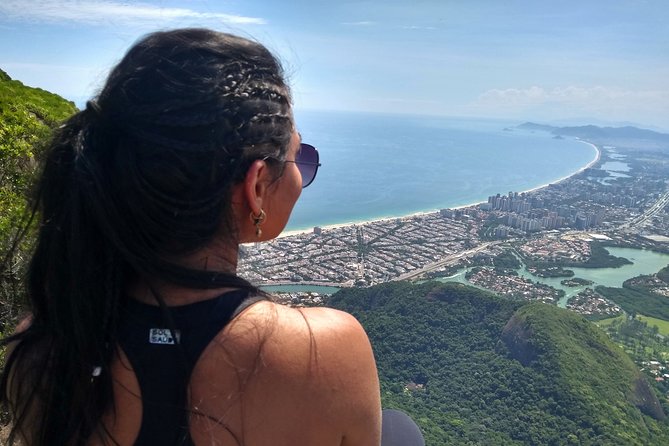
- Big viewpoints on one hike: Gávea Plateau and Cabeça do Imperador, plus stops along Carrasqueira and other named rock points.
- Photos without stress: guides help with capturing the views, and they move at a pace that keeps you safe.
- Weather can shift the timing: your guide may adjust plans or reschedule if conditions are unsafe.
Pedra da Gávea: Why This Trail Feels Different From a Typical Rio Hike
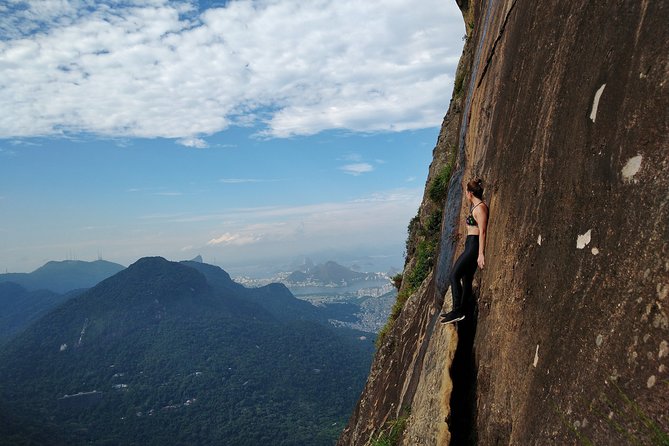
Pedra da Gávea is famous for a reason, and it is not just because it looks dramatic from far away. Up close, the experience is physical and hands-on. You are climbing over uneven surfaces, working around natural obstacles, and then transitioning into guided rope and rappel techniques in the steeper sections.
What I like about the setup is that it does not pretend this is easy. The difficulty level is part of the value. When a guide is trained for the real climb, you are not just paying for someone to walk beside you. You are paying for risk management plus technique, which is exactly what you want on a route that includes fixed chains and rocky drops.
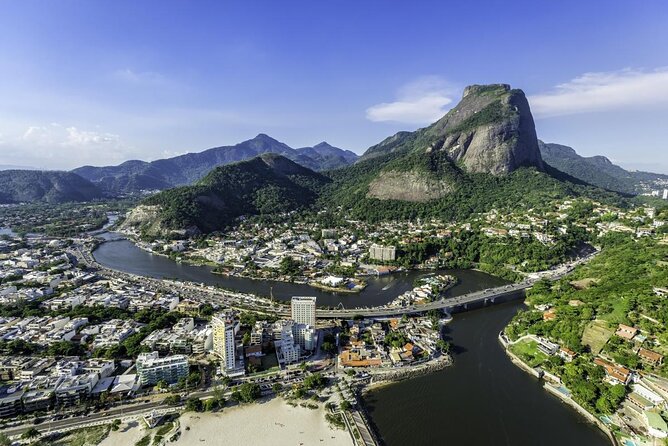
This is also one of the ways you can experience Rio beyond the beach. Tijuca National Park is Atlantic forest, and on this hike you get a taste of that green world while you work upward. Even if you have been to Rio before, the mix of forest feel, technical rock, and summit-scale views makes it feel like a new chapter.
More Waterfalls & Trails in Rio de Janeiro
- Morro Two Brothers Trail, during the day and sunset in Vidigal
★ 5.0 · 150 reviews - Trail and Rappel on Morro Dois Irmãos
★ 5.0 · 77 reviews - Sugarloaf Mountain Climbing Trail
★ 5.0 · 73 reviews
What You’ll Actually Do on the Trail (And Why It Matters)
This hike is described as difficult for a reason: you are dealing with incline plus natural obstacles like roots and rocks. In many spots, you will use your hands to steady yourself. That changes the whole game. You are not just testing your legs, you are also using core strength and grip, and you need to keep moving in control.
Then you hit the technical parts. The route requires climbing equipment in sections, and that may include ropes, seats, and helmets, plus rappel-style movement in certain areas. Fixed chains show up at some points, so you are literally leaning on infrastructure that is already built for the steep terrain.
The route is done via Carrasqueira, using climbing and rappelling technique. If you hear the word rappel and think you need prior training to enjoy it, take a breath. The Carrasqueira section is rated as manageable even for people without climbing experience, including those who have fear of heights. The key is that the guide controls the pace and the procedure, and you focus on doing one step at a time.
Morning Logistics at Itanhangá: Start Time, Meeting Point, and Pace
The tour starts at 7:30 am at Estr. Sorimã, 932, Itanhangá, Rio de Janeiro, RJ 22611-030. The activity ends back at the same meeting point. That matters because you are not spending half your day on transfers. You are doing a full day of effort in one block.
This is also a private tour/activity. Only your group participates, which usually makes a big difference on a technical climb. You get more attention, more flexibility in pacing, and less waiting in line. For a route where safety and method matter, privacy is a practical upgrade.
Because it is near public transportation, you have a bit more freedom if you prefer not to rely entirely on taxis. Still, you should plan to arrive early enough to feel calm, not rushed.
A final logistics note: confirmation happens within 48 hours of booking, subject to availability. So if you are booking close to your travel dates, build in a little cushion.
Stop 1: Pedra da Gávea and the Named Viewpoints You’ll Work Toward
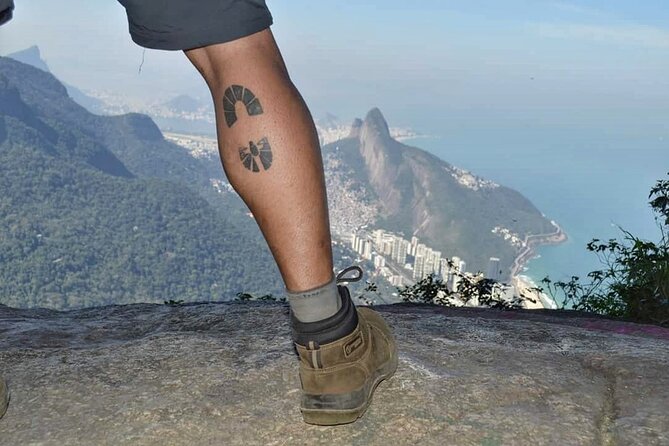
The day focuses on Pedra da Gávea itself, and the best part is that your reward comes in stages. You will pass multiple named points along the way, and each one is essentially a checkpoint for both scenery and terrain.
As you head toward the Gávea Plateau, you start feeling how the Atlantic forest environment changes as the rock takes over. You get that shift from lush green to hard geology, and it keeps your attention forward. Then you move on to Cabeça do Imperador, one of those landmark areas that helps you orient yourself as you climb.
Next comes a sequence of rock features that make the hike feel like a guided route rather than random scrambling. You may see the Stone of Radius and the Pyramid, then continue through stops like Cadeira and Carrasqueira. These names are not just trivia. They help the guide communicate where you are on the route and what kind of movement comes next.
From there, the trail continues to Paredão and ends at the Stone of the Ship. By the time you reach these areas, you are usually thinking less about the map and more about the view and the feeling of accomplishment. The named points turn the day into a story with chapters, not just one long grind.
Another way to spend a day in Rio de Janeiro:
- Rio de Janeiro: 6-Stop Highlights of Rio with Lunch
★ 4.4 · 5,157 reviews - Christ the Redeemer Entry Ticket by Corcovado Train
★ 4.4 · 4,476 reviews - Rio’s City Tour – Tickets for Christ, Sugar Loaf & Lunch included
★ 5.0 · 4,389 reviews - Full Day: Christ Redeemer, Sugarloaf, City Tour & Barbecue Lunch
★ 4.5 · 3,142 reviews
The Carrasqueira Technique: Where Safety and Confidence Get Real
Carrasqueira is the core technical section. This is where the climbing and rappelling technique comes into play. The value here is not just that you get to say you did it, it is that you are handling steep movement with the right method.
In the field, guides often build confidence by explaining exactly what you do with your body position and how you secure yourself. In real-world terms, that means you keep moving without freezing in the moments that could otherwise feel intimidating. People who had fear of heights still found the Carrasqueira portion easier than expected, because the guide sequence and safety approach reduce panic.
This is why the guide training matters so much. If you are choosing between a casual hike and a technical, guided climb, your comfort level should be tied to how the guide manages steep transitions.
Flora and Fauna in the Tijuca National Park Portion You’ll See
This experience includes a small part of Tijuca National Park, which is Atlantic forest. That means you are not just climbing a rock. You are moving through an ecosystem where you might spot native plants and wildlife.
Even if you are not a hardcore nature tracker, you will likely feel it in the air and the vegetation. The forest helps break up the climb mentally, and it can make the technical sections feel less like a void and more like a living environment.
Also, the guide can be helpful here because they are not just watching your footing. They are moving you through a route and also keeping an eye out for changing trail conditions. In rainy or cloudy weather, that forest setting can get steeper and slicker, so your guide’s job becomes both navigation and safety.
Equipment, Hands-On Terrain, and What to Expect Physically
The trail description spells out the reality: incline, natural obstacles, and sections where you need to use climbing equipment. You should expect to use your hands at points, and you should be ready for rough, uneven footing.
Practically, that means you should come prepared with the right shoes. People on this route rate boots on track very highly, and it makes sense. You want grip, stability, and protection. Also wear clothing that lets you move, because you will not only be walking. You will be bracing yourself, stepping carefully, and occasionally changing your position using both hands and feet.
Hydration is not optional. A strong reminder from real experience is to bring sufficient water, because an intense climb can dehydrate you faster than you expect, especially on an early start.
If you are sedentary or you do not have a fitness base, this is not the right activity. The difficulty level is tied to your ability to keep your body coordinated while negotiating steep terrain.
Meet Your Guide: What the Best Ones Do Beyond the Route
This tour is run by Botas na Trilha Ecotur, and the guides are registered with the Ministry of Tourism. On top of that, they have climbing courses, first aid, and jungle environment rescue training (RAS).
That set of skills matters more than most people think. On a difficult trail, something as simple as a misstep can become a bigger problem. Guides trained in first aid and rescue are the difference between a safe interruption and a serious emergency.
In the real experiences I saw, guides also go above and beyond with communication and photo help. Jessie is noted for being fluent in English and staying patient for clear skies so people could take pictures. Daniel is described as experienced and good at giving confidence at complicated moments.
That confidence is not a vibe. It is procedural. A good guide turns an intimidating move into a repeatable sequence you can follow while staying calm.
Price and Value: Is $78.41 Worth It?
At $78.41 per person for about 8 hours, the price is not cheap in the way of a casual bus-and-walk sightseeing stop. But for a technical hike with rope-based sections, fixed-chain moments, and specialized guiding, the cost-to-effort ratio starts to make sense.
Here is what you are really paying for:
- A guide with climbing training and jungle rescue (RAS) capability
- A route that includes technical movement (carries, hands-on sections, climbing and rappelling technique via Carrasqueira)
- Private group attention, which matters on steep terrain
- Safety-focused pacing plus help with photos and navigation
If you are comfortable on hikes and you want a one-day Rio adventure that feels like an achievement, this is good value for the type of work involved. If you are unsure of your fitness, you may want to build up with easier hikes first. Paying for this kind of experience only feels worth it when you can enjoy the challenge without being miserable.
Weather and Itinerary Changes: How This Tour Handles Real Conditions
The itinerary may change, be postponed, or be canceled due to weather. The experience requires good weather, and if conditions are poor, you will be offered a different date or a full refund.
In practice, that is what you want. Pedra da Gávea is exactly the kind of trail where rain can make rocks and routes far more dangerous. The responsible approach is adjusting plans instead of forcing a risky climb.
The best part is how guides handle the moments when conditions improve or shift. There is an example of a guide waiting about three hours for the sky to clear so people could get better visibility for photos. That tells you the team is not rushing you just to check a box. They are trying to protect both safety and the quality of the view.
Even rainy or cloudy conditions can still produce a sensational experience when the guide is confident in safety. The point is not whether it rains. It is whether the guide can manage traction, timing, and risk.
Who This Tour Suits Best (And Who Should Think Twice)
You’ll get the most out of Pedra da Gávea with a guide if you:
- Want a serious physical challenge and can handle steep terrain
- Are okay using your hands on rocky steps
- Prefer structured guidance through technical sections
- Care about safety and technique, not just reaching a viewpoint
You should think twice if you:
- Are sedentary or have low fitness
- Feel uncomfortable with heights or climbing-style movement, especially on slick rock
- Want a relaxed stroll with zero rough terrain
The good news is that the Carrasqueira section can feel more manageable than people expect for those without climbing training, as long as the guide runs the process patiently.
Quick Prep List to Make Your Day Smoother
The data you have points to a few practical prep priorities. Here is the common-sense approach that matches the route reality.
- Bring enough water for an intense, long hike
- Wear boots with good traction (the route is rocky and rooted)
- Dress for movement, because you will use your hands and gear in technical moments
- Plan for a long morning to afternoon timeline, with an early start at 7:30 am
- Expect the guide may adjust timing based on weather and trail conditions
Also, since confirmation comes within 48 hours, double-check your schedule and be ready to adapt if weather shifts.
Should You Book This Pedra da Gávea Guided Climb?
Book it if you want a Rio experience that is active, technical, and structured around safety. The private format, specialized training in first aid and jungle rescue (RAS), and the guides’ ability to build confidence through the hardest moments make this a strong choice for people who want more than a standard viewpoint hike.
Skip it if your idea of vacation includes flat walking, low exertion, and no technical movement. This trail is difficult by design, and it will ask more from you than a typical sightseeing day.
If you do book, you will likely leave with two things: a view that feels earned, and the satisfaction of knowing you got through Carrasqueira and the steep rocky sections with a guide who knows exactly what they are doing.
FAQ
How long does the Pedra da Gávea trail with a guide take?
It lasts about 8 hours.
What time does the tour start, and where is the meeting point?
The start time is 7:30 am. The meeting point is Estr. Sorimã, 932 – Itanhangá, Rio de Janeiro – RJ, 22611-030, Brazil.
Is this tour private?
Yes. It is a private tour/activity, and only your group will participate.
How difficult is the trail?
It is considered difficult due to steep incline, natural obstacles like roots and rocks, and the need for hands-on movement. Some parts also require climbing equipment and techniques, including fixed chains.
What kind of training do the guides have?
Guides are registered with the Ministry of Tourism and have climbing courses, first aid, and rescue in a jungle environment (RAS).
Can the itinerary change due to weather?
Yes. The itinerary may be changed, postponed, or canceled due to weather conditions.
What is the price per person?
The price is $78.41 per person.
Newest Rio de Janeiro reviews
- Maracanã Matchday Tour – Ticket + Guide + Transfer★ 5.0 · 14 reviews
- Angra & Ilha Grande From Rio: Boat Tour With Barbecue and Drinks★ 5.0 · 14 reviews
- Private Tour with Churrasco in Vela Catamaran – Velas do Rio★ 5.0 · 14 reviews
- Half-Day Private Tour:Rio de Janeiro Highlights by Bernard Moraes★ 5.0 · 14 reviews
- Tijuca Forest Adventure★ 4.5 · 14 reviews
- Rio de Janeiro: Join a Fluminense game at Maracanã with locals★ 5.0 · 15 reviews
- Rio de Janeiro: Join a Botafogo soccer game with transport★ 5.0 · 15 reviews
- Christ the Redeemer, Selaron Steps and Santa Teresa Half-day Tour★ 4.5 · 15 reviews
Waterfalls & Trails, compared.
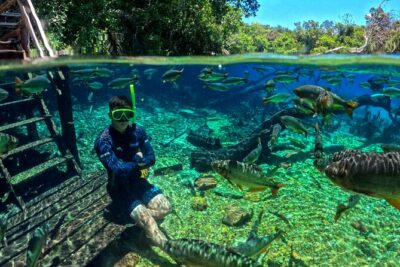
Skip the Line:Recanto Ecologico Rio da Prata Ticket including Trail & Snorkeling
Read our review →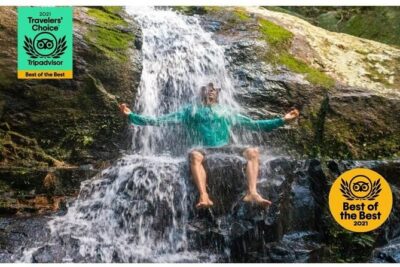
Ecological Boat Tour 10 Deserted Beaches – Waterfall Trails-by Zimbros Ecotour
Read our review →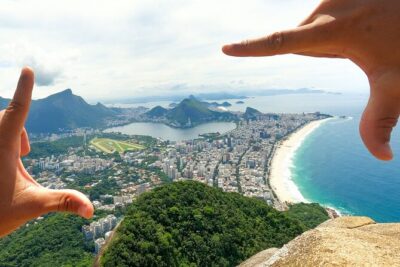
Morro Two Brothers Trail, during the day and sunset in Vidigal
Read our review →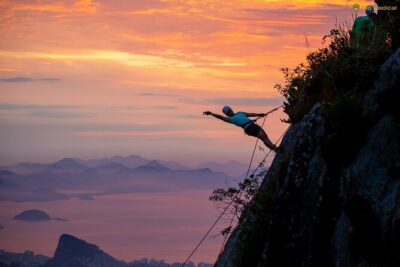

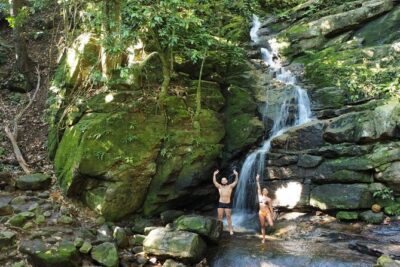
Garganta do Céu and Waterfall hike in Pedra da Gávea
Read our review →
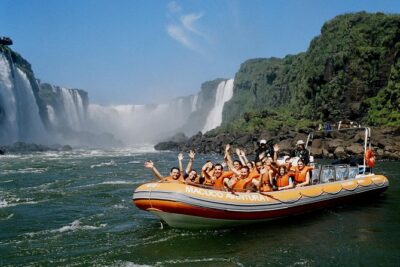
Iguassu Falls Combo Tour: Visit to the Brazilian side and Waterfall Boat Ride
Read our review →Browse the lists this tour appears in