
Reviewed · RECIFE & OLINDA
Olinda City Tour and Instituto Ricardo Brennand
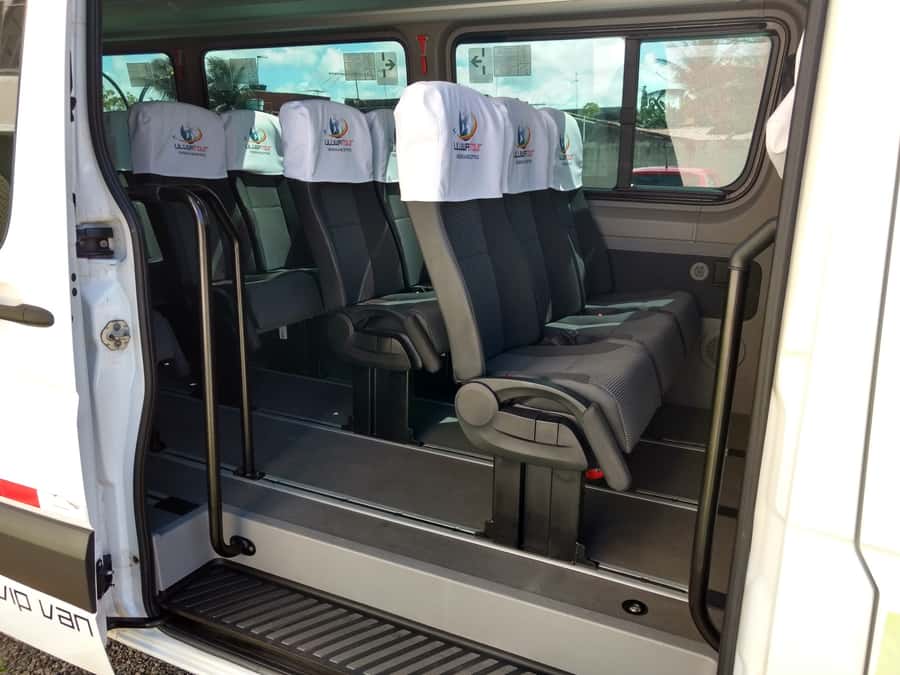
Olinda City Tour plus the Instituto Ricardo Brennand is interesting because you are covering two sides of the same story, colonial streets up on the hills and a museum that explains Recife and Olinda through the lens of Dutch rule. I like the panoramic lookout time for photos and I also like how the walk threads together Olinda’s big landmarks with the Mercado da Ribeira and the giant Carnival dolls. The one real consideration is that there is some walking on hills and narrow streets, and the tour is not suitable for wheelchair users.
You’ll start in Recife around 11:00, head along the coast, then spend your morning on Olinda’s steep lanes and church squares before finishing at the Ricardo Brennand Museum. In past tours, guides like Xavier and Caio were praised for being organized and very good at explaining what you are seeing, which makes the history feel practical instead of like a lecture. The pace is manageable, but plan for comfortable shoes and expect a few uphill and downhill stretches.
Key highlights worth planning for
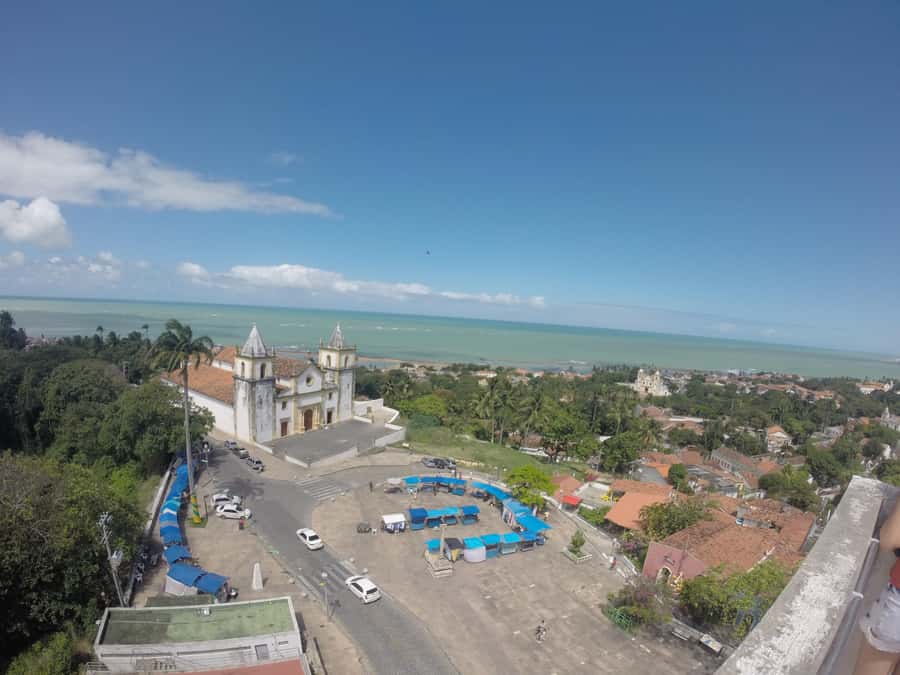
- Olinda’s church squares and lookout viewpoints for sweeping city views and easy orientation
- Three churches in the Alto da Sé area, so you see multiple styles and moments in one block
- Igreja da Misericórdia downhill stroll through colorful, narrow streets
- Mercado da Ribeira plus Olinda Carnival giant dolls, connecting everyday market history with festival culture
- São Bento Church as a strong stop before you shift to museum time
- Instituto Ricardo Brennand Museum with a focused look at Dutch colonization of Recife and Olinda
A half-day combo of Olinda streets plus the Ricardo Brennand Museum
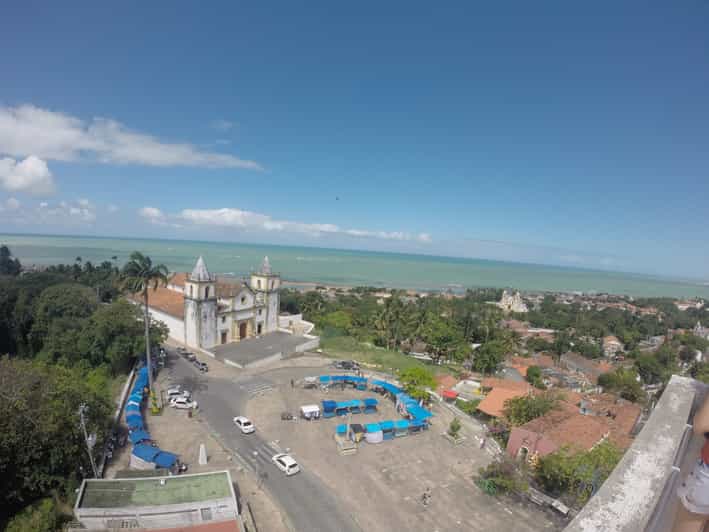
This is the kind of tour that saves you time and gets you oriented fast. You are not just moving from one photo spot to the next, you are building a route that makes sense geographically, and that helps you understand why Olinda looks the way it does from the hilltops down to the lower sites.
I also appreciate that the museum ending is not an afterthought. Olinda can feel like “pretty streets” if you go without context, but the Ricardo Brennand Museum is designed to explain the colonization of Recife and Olinda by the Dutch army, which gives your Olinda walk a clearer backbone.
One more plus is the private group format. Even though the tour is part of a scheduled program, you still get the benefit of a guided rhythm that feels less crowded than city hopping on your own.
More of Recife and Olinda:
- Private Transport from Recife to Porto de Galinhas
★ 5.0 · 143 reviews - Private Transfer from Recife Airport to Maragogi
★ 4.0 · 63 reviews - Recife & Olinda City Tour: Unveiling the Charm of Two Cities
★ 3.9 · 51 reviews
Leaving Recife around 11:00, then driving the coastal route toward Olinda
You depart Recife at approximately 11:00, and you ride south along the Boa Viagem-Pina coastal road. This matters because it sets the mood early, you see the coastline and the surrounding areas before you ever step onto Olinda’s hill streets.
Along the way, you pass Beberibe, cross by the Capibaribe River area, and you go by Marco Zero, the zero kilometer mark. Even if you only catch quick glimpses from the bus, those stops help you place Recife’s city center in the bigger map of what came before Olinda’s fame.
Practical tip: bring sunglasses and sunscreen. You are on open roads and outdoors lookouts later, and a bright midday sun is typical for the region.
Alto da Sé and three churches: where your Olinda orientation clicks
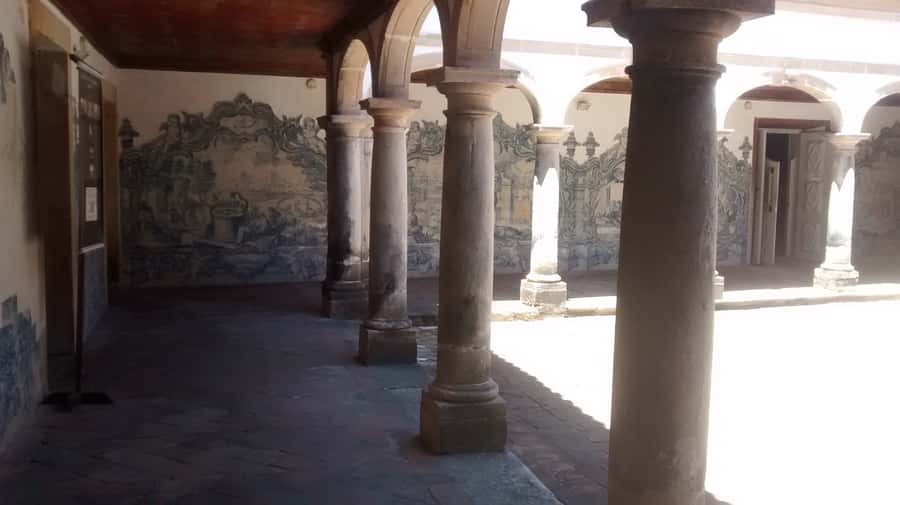
Once you arrive in Olinda, you start at Alto da Sé and visit three churches. This is a smart choice for a half-day tour because the Alto da Sé area sits high enough to give you a strong view of how the city spreads, and the churches provide clear landmarks you can remember later even after you head home.
These church stops also give you a chance to slow down. You will often see more than one architectural detail in a short time when you are standing in the same historic core and moving gradually between sites.
If you are the kind of person who likes history but hates “too much lecturing,” this is a good structure. The tour format helps the guide point out what you can actually notice on the street around you, not just what someone wrote in a book.
Lookout time: panoramic photos without the stress
After the Alto da Sé church visits, you head up to a viewpoint for panoramic pictures of historic Olinda. This is one of the best parts of the tour for simple reasons: you get an official, timed opportunity to look out, and you do not have to figure out where the best views are by yourself.
That photo time also helps you make sense of the next sections of the route. When you can see the hill lines and the street patterns from above, the later downhill stroll feels intentional instead of random.
Bring something you can hold steady for photos, like a small camera strap or phone grip. The walk includes short shifts in elevation, and you will likely want clear shots of the rooftops and the church spires.
More City Tours in Recife:
- City Tour of Olinda Including Instituto Ricardo Brennand
★ 4.5 · 26 reviews - Recife: City Tour Recife & Olinda
★ 3.1 · 10 reviews - City Tour Recife with Catamaran included
★ 4.7 · 4 reviews - Rio’s City Tour – Tickets for Christ, Sugar Loaf & Lunch included
★ 5.0 · 4,389 reviews
45 minutes of free time for crafts and snacks on your schedule
You get about 45 minutes of free time after the viewpoint portion. This is your chance to buy local crafts without feeling rushed, and it is also your option if you just want to sit and reset for a bit.
Since food and drinks are not included, this free window becomes important. If you are hungry, this is when you can grab something quick or try a drink while you browse.
If you like souvenirs you can use at home, look for small handcrafted items that relate to Olinda’s culture rather than generic market goods. You’ll have better odds of getting something that actually connects to what you saw that morning.
Downhill through Igreja da Misericórdia to Mercado da Ribeira
Next, you descend the hill of Igreja da Misericórdia (Church of Mercy). This downhill section is where Olinda feels most like Olinda, you move through narrow streets lined with colorful houses and you get that slow, visual “stroll” feeling even though the tour keeps you moving.
Then you reach Mercado da Ribeira, the former slave market. This stop is heavy in theme, and it is also one of the most educational parts of the day because it ties the physical spaces of Olinda to the human stories that shaped the city. You should expect the guide to explain what you are looking at and why it matters.
Right after that, you also see the giant dolls used in the Olinda Carnival. This pairing works better than it might sound at first. Carnival culture can feel like pure celebration until you understand where it comes from, and the dolls are a way to link festival identity to local history and community.
Good to know: the streets are narrow and uneven in spots. Take your time on the descents and wear shoes that grip well.
São Bento Church and the final shift into Dutch colonial history
After Mercado da Ribeira, you continue to São Bento Church. It’s a solid checkpoint before you head to the museum, and it keeps your route anchored in recognizable historic sites.
Then the tour ends at the Instituto Ricardo Brennand Museum. This is your payoff for the last leg of the day because it explains the colonization of Recife and Olinda by the Dutch army, which gives context to what you saw in Olinda’s streets and landmarks.
The museum option changes your pace in a good way. Instead of only walking outside, you get a more controlled environment where you can focus on exhibits and learn at your own speed within the tour timeframe.
If you like museums that connect to the places you just visited, this stop is well chosen. It helps you answer the unspoken question, why did the city evolve this way?
Guides, languages, and how to get more out of the day
Your tour includes a live guide, with languages listed as Portuguese, Spanish, and English. You also get an audio guide in Spanish, English, French, German, and Italian, which is helpful if you want extra support while you are walking between stops.
In terms of the human factor, names like Xavier and Caio showed up in past experiences as guides who were especially praised for being very organized and easy to follow. Even when your language is covered, a good guide still makes the difference between “I saw things” and “I understood why they mattered.”
A quick strategy: ask your guide one practical question at the start of the day. Something like how Olinda’s layout affects daily life historically, or what to watch for on the rooftops and churches. You’ll get a better payoff at the viewpoints and at the museum.
Price and value: why $94 can feel fair for a guided half-day
The price is $94 per person for a 6-hour tour. That might sound like a lot until you look at what is included: transfer, an on-the-ground guide, entrance fees, and taxes or fuel surcharges.
For you, that means less logistics stress. You do not have to plan bus routes, find parking, or pay for each museum stop on your own while also trying to navigate unfamiliar streets and elevations. When the tour includes entry and transport, you are buying time and organization as much as you are buying access.
Food and drinks are not included, so you should budget for that separately. If you plan to do a quick snack during the free time window, this stays a reasonable half-day cost for the number of major stops you cover.
Walking comfort and who should skip this one
The tour involves a small amount of walking, including hill climbs and descents, plus time in narrow streets. It is also not suitable for wheelchair users, so if mobility is an issue, you will need a different plan.
For most visitors with normal walking ability, the key is footwear. Comfortable shoes are a must, and loose clothing helps if you are sweating slightly during the climb to viewpoints.
If you are traveling with someone who tires easily, you can still make it work. Use the viewpoint stop to pause and the 45 minutes of free time to rest, browse, and reset.
Food and drinks: plan ahead since meals are not included
Food and drinks are not part of the package. The good news is the tour builds in a 45-minute free time window where you can grab something if you want.
If you prefer a proper meal later, you can treat the tour as a daytime route that ends with the museum and then you eat on your own afterward. The day is structured enough that you will not feel like you are wandering for hours without a break.
One practical thought: bring a small water bottle if allowed by your tour rules and if you can carry it. You will likely be outdoors enough to want hydration.
Should you book the Olinda City Tour and Instituto Ricardo Brennand?
Book it if you want a guided route that shows you Olinda’s major historic pieces in a logical order, plus a museum finish that explains the Dutch influence on Recife and Olinda. I especially think it is a good fit if you like getting oriented quickly and learning as you walk, not hours later from a guidebook.
Skip it or consider an alternative if you cannot handle hills, uneven narrow streets, or if you need wheelchair-friendly access. Also skip if you only want long time at one site, because this is built to cover multiple stops in a single half-day.
If you do book, pack comfortable shoes, plan for outdoor sun, and use the lookout and free-time window to slow down. This is a tour where the right pace makes all the difference.
FAQ
What is the duration of the Olinda City Tour and Instituto Ricardo Brennand?
The tour lasts about 6 hours.
Where does the tour start in Recife?
You are picked up from your hotel in Recife. Plan to be in the hotel lobby at least 10 minutes before the pick-up time.
What is included in the price?
The tour includes transfer, a guide, entrance fees, and all taxes, service fees, and fuel surcharges.
Are food and drinks included?
No. Food and drinks are not included.
What languages are available for the guide and audio?
The live guide is available in Portuguese, Spanish, and English. The audio guide is available in Spanish, English, French, German, and Italian.
Is the tour suitable for wheelchair users?
No. It is not suitable for wheelchair users, and there is some walking involved.
Newest Recife reviews
- Recife & Olinda Highlights★ 5.0 · 16 reviews
- City Tour of Olinda Including Instituto Ricardo Brennand★ 4.5 · 26 reviews
- Private Transfer from Recife Airport to Maragogi★ 4.0 · 63 reviews
- Private Transport from Recife to Porto de Galinhas★ 5.0 · 143 reviews
- Recife: Tour to Porto de Galinhas★ 3.7 · 4 reviews
- Boa Viagem or Piedade: Olinda and Recife Antigo Day Trip★ 3.9 · 31 reviews
- Recife & Olinda City Tour: Unveiling the Charm of Two Cities★ 3.9 · 51 reviews
- Recife: Carneiros Beach Day Tour★ 4.4 · 5 reviews
Recife & Olinda, compared.
Private Transport from Recife to Porto de Galinhas
Read our review →
Private Transfer from Recife Airport to Maragogi
Read our review →
Recife & Olinda City Tour: Unveiling the Charm of Two Cities
Read our review →
Private Transfer from Porto de Galinhas to Recife Airport
Read our review →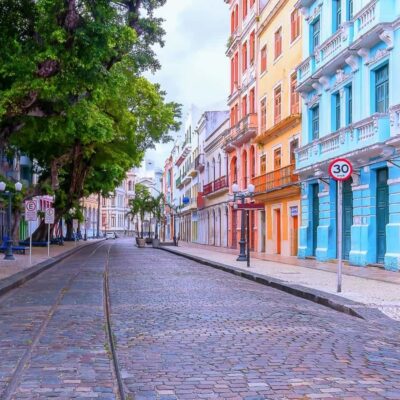
Boa Viagem or Piedade: Olinda and Recife Antigo Day Trip
Read our review →

City Tour of Olinda Including Instituto Ricardo Brennand
Read our review →
Browse the lists this tour appears in