
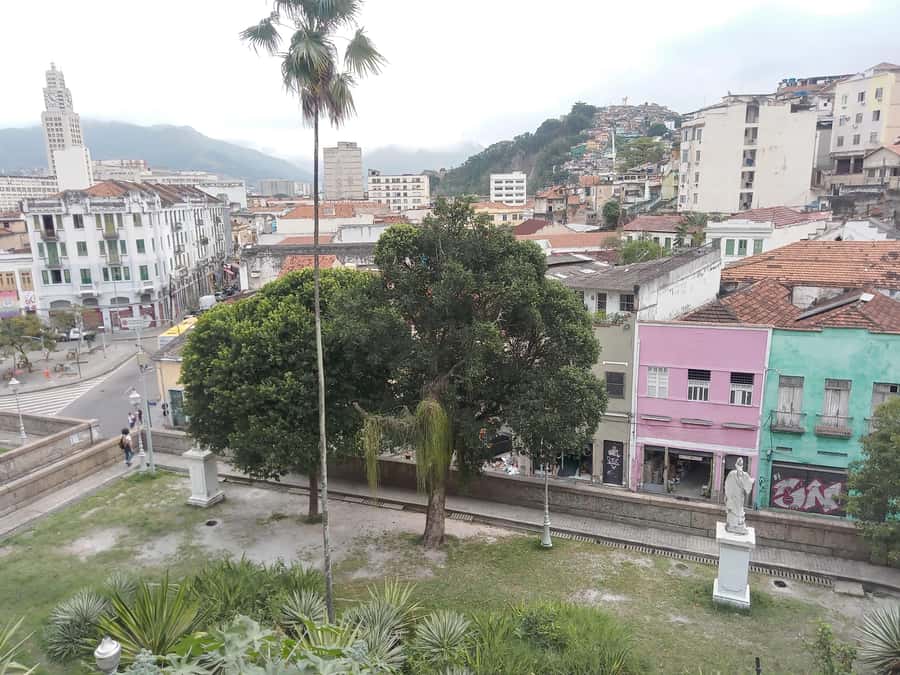
Reviewed · WALKING TOURS IN RIO DE JANEIRO
Little Africa – Walking tour from the passed to the future
Little Africa in Rio de Janeiro is interesting because it turns a normal street walk into a living timeline. You follow the story from an old entrance point for people arriving from the African continent, then you see how that legacy shows up in what Brazil builds, creates, and remembers today.
I love how the tour connects African heritage to real places, not vague explanations. I also love the way strong guides bring the details to life, like Larissa’s passion, Gabriela’s knowledge, and Luana’s thoughtful pacing, so you can picture the alleys and the lives behind them.
One possible drawback is language quality can vary. If English is your main comfort zone, consider choosing English carefully, because at least one guide has had trouble articulating in English clearly. There can also be extra museum-style admissions on some days, so plan for a little flexibility in your budget.
Key takeaways before you go

- Past to future theme: you walk the places tied to the slave-era market and arrival zone, then connect the dots to art and culture.
- Real emotional weight: many people get emotional, so come with a respectful, open mindset.
- Guide energy matters: guides like Larissa, Gabriela, Luana, and Rafael can make the story feel immediate.
- Plan for extra costs: besides the $32 reservation, there is an additional R$160 per person paid directly to the guide.
- Language choice is important: English quality can vary, while Portuguese and Spanish may work better for comprehension.
- Bring ID: a copy of your ID is mandatory, not optional.
Little Africa in Rio, what the past-to-future theme actually means
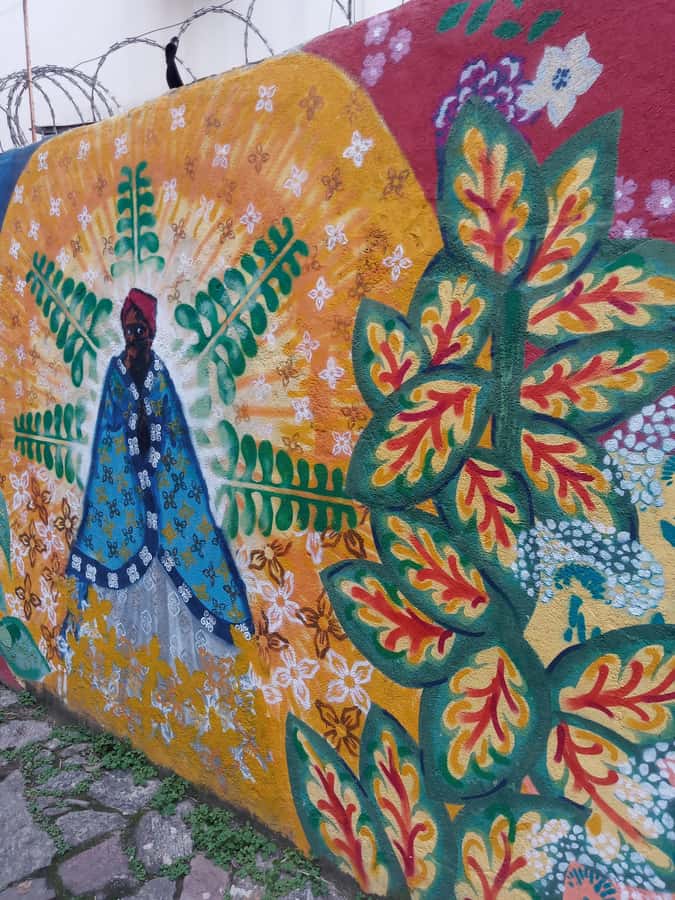
This tour is built on a simple idea: history is not just dates. It’s geography. It’s who walked these streets, what businesses operated nearby, and which communities were forced to live, trade, worship, and mourn in a shared space.
Little Africa refers to a specific zone in Rio that functioned as an entrance point for people arriving from the African continent. Over time, that area included what was described as a slave open market, plus stores, houses, and graveyards. The tour doesn’t treat those terms like museum vocabulary. It uses them to explain why certain patterns in Brazilian culture exist today, especially in art and heritage.
The past-to-future part is what I really appreciate. You are not only asked to feel the weight of what happened. You’re also guided to notice how Afro-Brazilian identity shows up in creative expression and cultural life now. It gives the tour a forward motion, even though the subject matter is heavy.
More Walking Tours in Rio de Janeiro
- Rio de Janeiro: Rocinha Favela Walking Tour with Local Guide
★ 4.8 · 3,052 reviews - Rio De Janeiro: Half-Day Rocinha Favela Walking Tour
★ 4.7 · 2,272 reviews - 3 Hour Rocinha Favela Walking Tour with a Local Guide
★ 5.0 · 833 reviews
Where you start in downtown Rio, and how the 3-hour walk works
You meet in downtown Rio de Janeiro. From there, the tour is designed as a walking experience, likely with short stretches that keep you moving through the alleys and key reference points. The total duration is 3 hours, which is long enough to make the story stick, but short enough that you should still be good for the rest of your day.
This isn’t a slow “look at the view” stroll. It’s more like a guided walk with frequent context. The tour guide’s remarks are the point. You’ll want to stay close and listen, because the explanation is what turns ordinary walls and alley corners into meaningful landmarks.
Also, plan your time for the practical stuff. A copy of your ID is mandatory. If you’re traveling as a parent with kids, keep in mind the age rules: children 5 to 10 get a 50% discount, and children 0 to 4 can join free on a parent’s lap. If you’re coming solo, the provider asks that you contact them before booking, and there’s a minimum of 2 customers.
The alleys and stops that connect you to the slave-era arrival zone
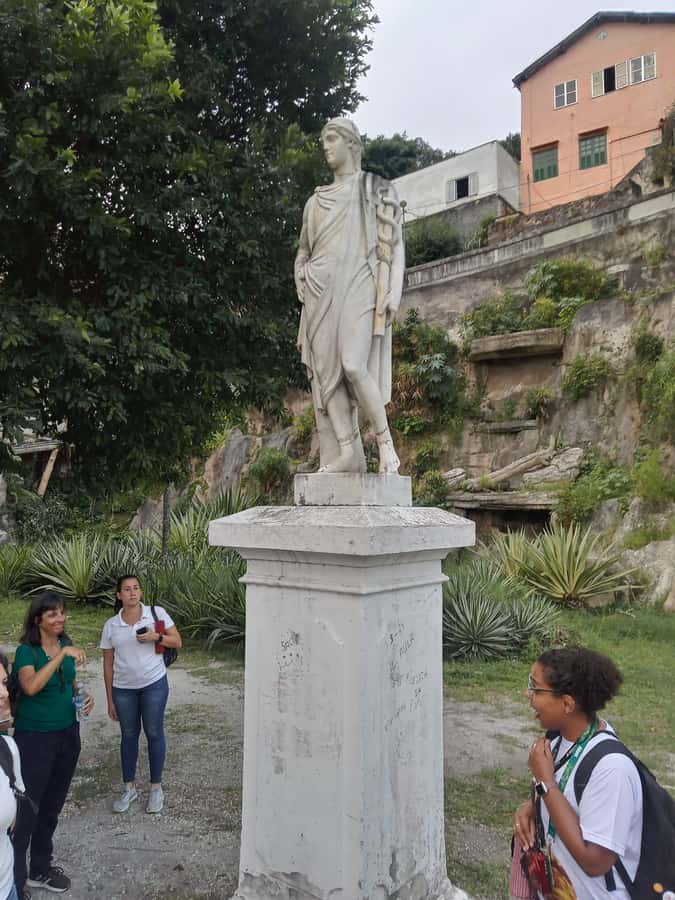
Even without a detailed stop list, you can expect a clear structure: the guide walks you through the zone and marks the places where history left traces. The core narrative is the entrance into Rio for men, women, and children coming from Africa. From there, the guide ties what you see to the described functions of the area: a slave open market, stores, houses, and graveyards.
Here’s what makes that approach valuable for you on the ground:
1) You learn by noticing. The alleys are the “text.” The guide points out what to look for, then explains what those surroundings mean in the broader story of Brazil.
2) You get continuity. Rather than jumping from one topic to another, the tour stays anchored in place. The result is less scattered information and more of a connected map in your head.
3) You’re pushed to be respectful. The subject matter is emotional, and the tour asks you to keep a considerate tone as you move through the sites tied to forced migration and survival.
A practical heads-up on museum-style stops
One thing to watch for is that the tour may include entry into a museum or paid admission at a stop that wasn’t expected by some people. The tour data also lists additional payment to be made directly with the guide, so your total spend may depend on what the day includes. My advice: treat this as a tour where budgeting slightly above the headline price can keep you from getting surprised.
Another way to spend a day in Rio de Janeiro:
- Rio de Janeiro: 6-Stop Highlights of Rio with Lunch
★ 4.4 · 5,157 reviews - Christ the Redeemer Entry Ticket by Corcovado Train
★ 4.4 · 4,476 reviews - Rio’s City Tour – Tickets for Christ, Sugar Loaf & Lunch included
★ 5.0 · 4,389 reviews - Full Day: Christ Redeemer, Sugarloaf, City Tour & Barbecue Lunch
★ 4.5 · 3,142 reviews
What the guides do well, and why names matter
A walking tour stands or falls on communication. This one seems to have guides who take storytelling seriously, and you can feel it in how they pace your understanding.
I’ve seen examples of guides with distinct styles:
- Larissa was praised for passion and enthusiasm, and for telling the story in a way that helps you visualize the moment instead of just hearing facts.
- Gabriela was noted as knowledgeable and personable, and as a strong foundation for experiencing Brazil’s cultural and historical layers.
- Luana was appreciated for being informative, plus kind and thoughtful.
- Rafael was highlighted as great, with the company also accommodating a delayed flight by shifting the tour to another day.
That mix matters. You’re not just collecting information. You’re learning how to look at the city differently. When a guide can explain the significance without rushing, the story sticks longer after you leave the street.
English vs Portuguese vs Spanish
If you’re choosing language based on comfort, take this seriously. One experience flagged that English articulation can be poor for some guides, making it hard for an English-speaking group to understand. If your Portuguese or Spanish is better than your English ear, you might have a smoother time.
Bottom line: pick the language you can follow emotionally, not only academically.
Art and culture: why this isn’t just a history lesson
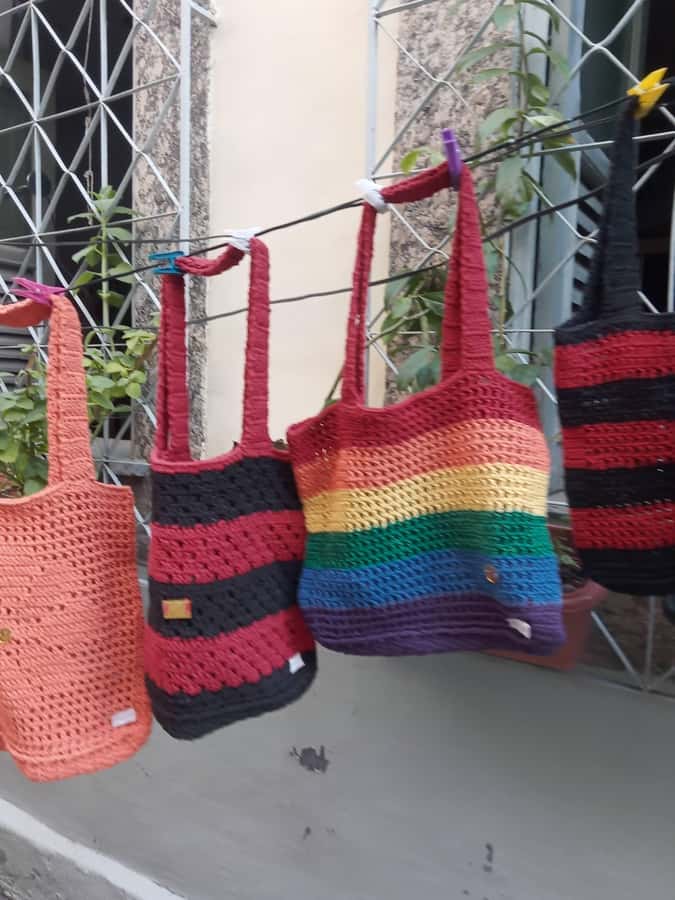
The title includes the future, and the tour tries to make that real. After covering the slave-era arrival zone and its remnants, the guide brings you toward art and culture, helping you connect Afro-Brazilian heritage to what you can see today.
This is where the tour becomes more than remembrance. You start noticing cultural expressions as continuity, not as separate trivia. That’s a good way to keep the experience from feeling like it ends in tragedy and stops.
Also, expect emotional impact. The tour data notes that many people get emotional during the walk. That can be intense, and it’s normal. Come prepared for a range of feelings, and don’t treat the emotional parts as an inconvenience. They are part of why the tour is meaningful.
Price and logistics: the $32 reservation plus the R$160 add-on
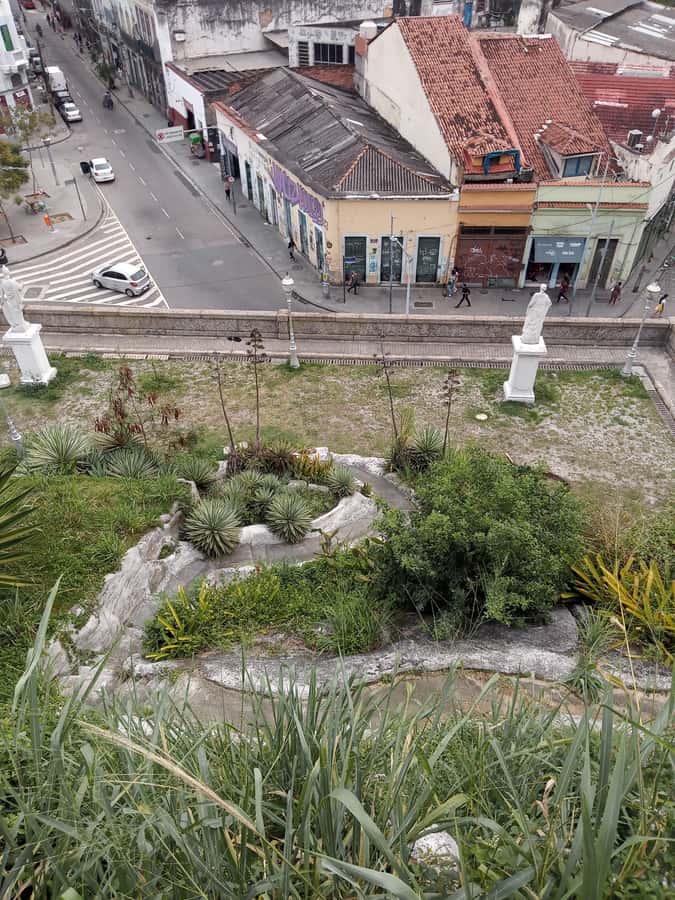
Let’s talk money in a clear, practical way. The reservation price is listed as $32 per person paid through the GetYourGuide website or app. Then there is an additional payment made directly with the tour guide, listed as R$160 per person.
Children have their own pricing rules. For the add-on part, children ages 3 to 10 are half price. Children ages 0 to 4 are free on a parent’s lap.
There’s also a line stating the total payment of the tour is R$310 per passenger, which suggests the combined costs should land around that figure. Since the data includes both the $32 reservation and the R$160 add-on, I recommend you confirm the full total in your booking checkout screen, especially because the currency exchange and how the platform displays totals can differ.
One more detail: payment by credit or debit card is mentioned, with 5% taxes. So if you pay with a card for the additional portion, expect that tax amount to be added.
Is it good value?
For me, the value comes from the combination of three things:
- A guided, place-based walk through an area tied to the slave open market and arrivals
- A guide-led interpretation that helps you see beyond street-level details
- A focused 3-hour format that doesn’t waste time
Yes, there’s an additional payment on top of the reservation. But the tour isn’t just a generic walking loop. It’s a story-heavy walkthrough tied to meaning, and that kind of guiding takes real work.
What to bring and what to expect during the walk
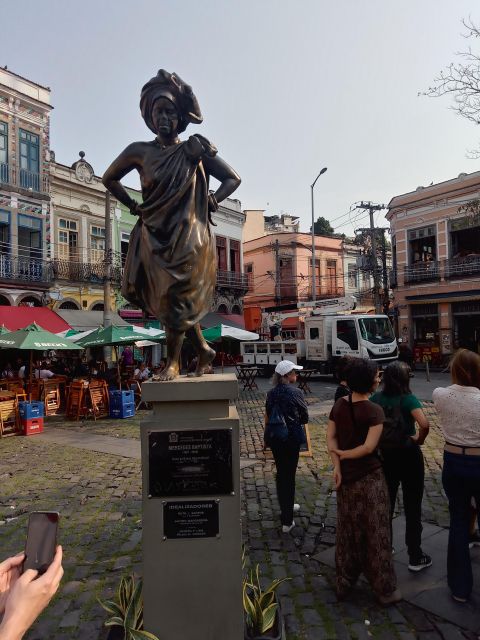
This tour is walking-focused, so comfortable shoes matter more than you’d think. You’ll also want to keep your phone charged for general wayfinding, but the experience is guide-driven, so don’t turn the walk into a selfie sprint.
Beyond that, here’s what the data makes clear you should handle in advance:
- Bring ID or a copy, because it’s mandatory.
- Plan on no food included and no transportation included. You should eat and drink before or after your tour.
- Souvenirs are not included, so if you like buying small items as a travel memory, plan it separately.
If you’re traveling with kids, the discount structure is helpful, but the emotional weight of the content still applies. I’d consider whether your child can handle serious history topics, even if the tour is described as suitable across a wide age range.
Who should book Little Africa, and who might rethink

This tour is a good match if you want:
- A guided walk that connects place to historical context
- A better understanding of African heritage in Brazil through the lens of art and culture
- A shorter experience that still feels substantial, thanks to the 3-hour timebox
I’d think twice if:
- You need very clear English delivery and don’t want any risk of comprehension gaps. Language quality can vary, so you may want Portuguese or Spanish.
- You dislike tours that include the possibility of extra paid admissions at a stop. Budget flexibility helps.
- You’re looking for a light, purely entertainment-driven activity. This tour has emotional moments and serious subject matter.
Should you book this Little Africa walking tour?

If you’re curious about Rio’s African heritage and you prefer learning by walking through the actual streets where history happened, this is a strong choice. The best versions of the tour sound like they’re guided by real storytelling passion, and the emotional impact is part of why the experience lands.
Just go in with eyes open: expect an additional payment directly to the guide, confirm the full total at booking, and pick the language you can follow confidently. If you do that, you’ll get a meaningful 3-hour walk that helps you see Rio differently, from past to future.
FAQ
How long is the Little Africa walking tour?
It lasts 3 hours.
Where is the meeting point?
The meeting point is downtown of Rio de Janeiro.
What languages are available for the tour guide?
The live tour guide offers English, Portuguese, and Spanish.
Is food, transportation, or souvenirs included?
No. Food and beverage, transportation, and souvenirs are not included.
What discounts are offered for children?
Children from 5 to 10 years old receive a 50% discount. Children from 0 to 4 years old are free on the parent’s lap.
Can I cancel and get a refund?
Yes. You can cancel up to 24 hours in advance for a full refund.
Newest Rio de Janeiro reviews
- Maracanã Matchday Tour – Ticket + Guide + Transfer★ 5.0 · 14 reviews
- Private Tour with Churrasco in Vela Catamaran – Velas do Rio★ 5.0 · 14 reviews
- Angra & Ilha Grande From Rio: Boat Tour With Barbecue and Drinks★ 5.0 · 14 reviews
- Half-Day Private Tour:Rio de Janeiro Highlights by Bernard Moraes★ 5.0 · 14 reviews
- Tijuca Forest Adventure★ 4.5 · 14 reviews
- Rio de Janeiro: Join a Fluminense game at Maracanã with locals★ 5.0 · 15 reviews
- Rio de Janeiro: Join a Botafogo soccer game with transport★ 5.0 · 15 reviews
- Christ the Redeemer, Selaron Steps and Santa Teresa Half-day Tour★ 4.5 · 15 reviews
Walking Tours in Rio de Janeiro, compared.



3 Hour Rocinha Favela Walking Tour with a Local Guide
Read our review →
Favela Tour Rio de Janeiro – Vidigal Walking Tour by Russo Guide
Read our review →

Private Walking and Cultural Tour Rocinha-Rio de Janeiro
Read our review →

Sunrise and Sunrise Walk Two Brothers with Local Guide
Read our review →Browse the lists this tour appears in