Reviewed · RIO DE JANEIRO TOURS
Discovering the Culinary Soul of Old Rio
This experience is interesting because it uses food as a map. You walk through Rio de Janeiro’s oldest Centro streets and let each stop explain a different layer of Portuguese, Arab, and Afro-Brazilian influence. I love the way the day mixes landmarks and lunch instead of doing one or the other.
I also love the payoff at the end: you’ll be served moqueca, often made with white fish and coconut milk, right after you’ve learned why dishes like this matter in Rio. The main drawback is simple, you are walking for about 6 hours, and rain can make the sidewalks slick, so plan for weather with a light rain layer.
Key highlights to look forward to
- Small group size (max 7) means the pace stays human and questions get answered
- Portuguese literature in Real Gabinete Portugues de Leitura, one of the area’s most beautiful libraries
- Saara, the Arab diaspora food zone, where you’ll see Rio’s cultural mixing in the open
- Pedra do Sal and the Little Africa story, where food and identity connect
- A guided, structured route from Carioca Clock to Praça Mauá, so you end in the right place for more exploring
Why this Old Rio food walk is a smart first taste of the city
If you’re trying to get your bearings in Rio, this is a strong choice. You start in Centro and move through major historic corridors, then you finish near Praça Mauá, which makes it easy to keep going afterward.
The best part is that the tour treats food like more than fuel. Each stop has a reason, a person, an era, and a cultural thread. That helps you understand why certain flavors show up again and again in Rio restaurants, not just where to eat once.
Price is also easier to judge here. At $135 per person for about 6 hours, you’re not just paying for walking plus stories. You get snacks, lunch, and coffee or tea, and for several stops, the admission ticket is included. Private transportation is not included, so you are truly paying for the on-foot route and the scheduled food breaks.
More days in Rio:
- Rio de Janeiro: 6-Stop Highlights of Rio with Lunch
★ 4.4 · 5,157 reviews - Christ the Redeemer Entry Ticket by Corcovado Train
★ 4.4 · 4,476 reviews - Rio’s City Tour – Tickets for Christ, Sugar Loaf & Lunch included
★ 5.0 · 4,389 reviews
Starting at Carioca Clock, where religion and Portuguese arrivals meet
You’ll meet at Carioca Clock in Centro, right by Av. Nilo Peçanha. This square sits on one of Rio’s four oldest hills, where the Franciscan Order built the Saint Anthony Monastery. The backstory ties to the Portuguese presence starting around 1500, when the Portuguese arrived in Brazil in their caravels.
Why this matters for a food tour: when a city starts forming its identity, food becomes a record. Monasteries and early settlements shaped supply chains, cooking habits, and what ingredients were available. Even if you never think about it while you eat, you can see the cultural roots later in the dishes Rio is known for.
Also, expect a quick stop pace here. The timing is set, about 30 minutes, and the guide uses the location to explain how old Rio’s communities formed.
Practical note: this area is in the core city and is near public transportation, so it’s usually easier to reach than it looks on a map. Still, give yourself a little buffer for finding the exact meeting spot.
Avenida Rio Branco: a major street, and a useful food-history shortcut
Next is Avenida Rio Branco, one of Rio’s busy, historic avenues. Here, the focus is less on a single building and more on the feeling of the city. Big streets like this show you how neighborhoods connect, where commerce moved, and how people carried tastes across districts.
You won’t pay an admission fee for this one, and that helps keep the day moving. Think of Avenida Rio Branco as a corridor that links your earlier context from the oldest hill to the more specific food-focused neighborhoods you’ll hit later.
If you like your walking tours with rhythm, this is a good pacing section. It’s short, and it gives your legs a moment to reset before the next interior stop.
Real Gabinete Portugues de Leitura: Portuguese books, Portuguese influence in Rio
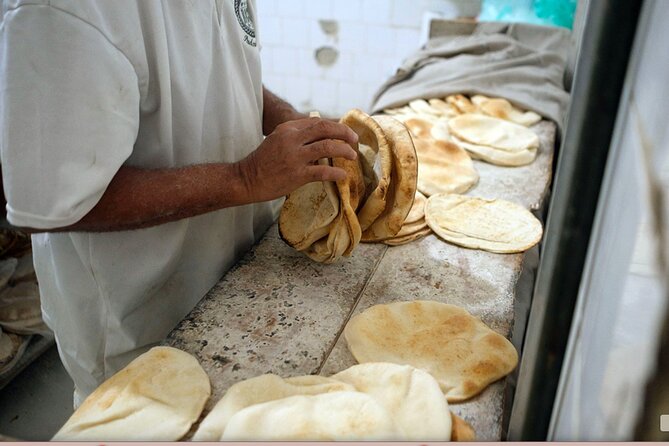
Then you step into Real Gabinete Portugues de Leitura, the largest archive of Portuguese literature outside Portugal. It’s also consistently ranked among the most beautiful libraries in the world, and you’ll have about 30 minutes there with the admission ticket included.
This is one of those stops that pays off even if you don’t consider yourself a book person. The library represents something big: Portuguese culture didn’t only arrive as people, it arrived as language, paperwork, education, and social networks. Those networks influence food too, because they shape who opens shops, what goods are imported, and what communities gather where.
Look for how the guide connects that Portuguese presence to cooking habits you can spot later in Rio. The tour frames it as a living cultural exchange, not a dead museum.
Tip: libraries can feel cooler than the street. If you tend to get cold, bring a thin layer you can fold into your bag.
Another way to spend a day in Rio de Janeiro:
- Full Day: Christ Redeemer, Sugarloaf, City Tour & Barbecue Lunch
★ 4.5 · 3,142 reviews - Rio de Janeiro: Rocinha Favela Walking Tour with Local Guide
★ 4.8 · 3,052 reviews - Rio’s Full Day: Selarón Steps, Christ & Sugarloaf – Tickets & Lunch Included
★ 5.0 · 2,724 reviews - Rio: Christ the Redeemer, Sugarloaf, Selaron & BBQ Lunch
★ 4.5 · 2,428 reviews
Saara: where the Arab diaspora shows up through food choices
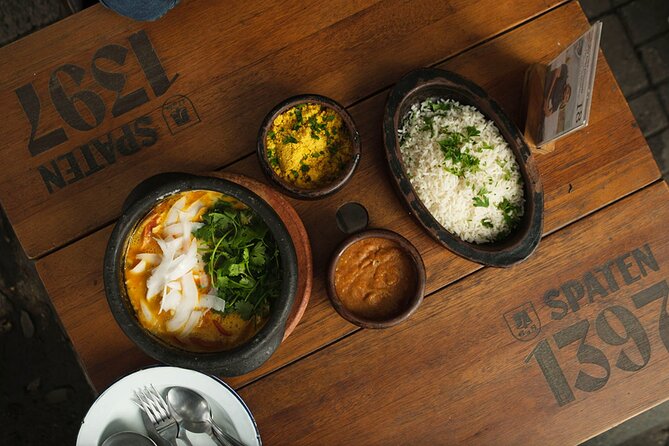
Your next food stop is Saara, a place known for cultural blending. The tour highlights restaurants from the Arab diaspora, and this is where you start seeing how immigrant communities shape everyday eating.
Saara’s value on this route is that it makes cultural mixing visible. Instead of you only hearing that different communities influence Rio, you get to experience it through what’s served right there. The admission ticket is included for this stop, which signals that the guide is taking you to specific places and not just walking past storefronts.
From what the guide approach has been described, you should expect a focus on taste and small details: what people order, how flavors get built, and why certain pastries or dishes feel local even when their roots travel.
If you’re the type who likes to learn before you eat, this stop is for you.
One small consideration: Saara can be busy on many days because it’s known for food and commerce. Wear comfortable shoes, and don’t count on having long, slow pauses. The guide keeps you moving, about 30 minutes, then transitions you cleanly to the next anchor point.
Avenida Presidente Vargas to Pedra do Sal: politics, Afro-Brazilian roots, and identity
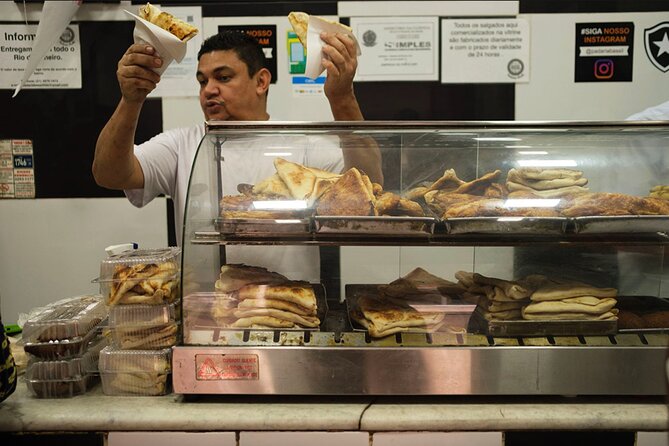
Next comes Avenida Presidente Vargas, named after Getulio Vargas, the longest-serving president in Brazil’s history. This part of the day is more about civic power than eating directly. Since the admission is free and it’s about 30 minutes, it functions like a bridge between neighborhoods.
Then you reach Pedra do Sal, a historic place that tells the story of Rio’s Little Africa cultural hub. The admission ticket is included here, and this is one of the stops that makes the food-history connection feel personal.
Little Africa matters because it’s where you can trace Afro-Brazilian influence in a city that still carries those rhythms in its music, celebrations, and everyday cooking. When a tour connects the story of a cultural hub to what you eat later, it changes how you taste. You start noticing the role of ingredients, techniques, and community traditions, not just flavor.
Also, this is a moment for respectful attention. The guide will likely frame the area as more than scenery. Give yourself room to look up and around, and then listen closely to the explanation before you get to the food finale.
Maua Square and the meal that ties the day together
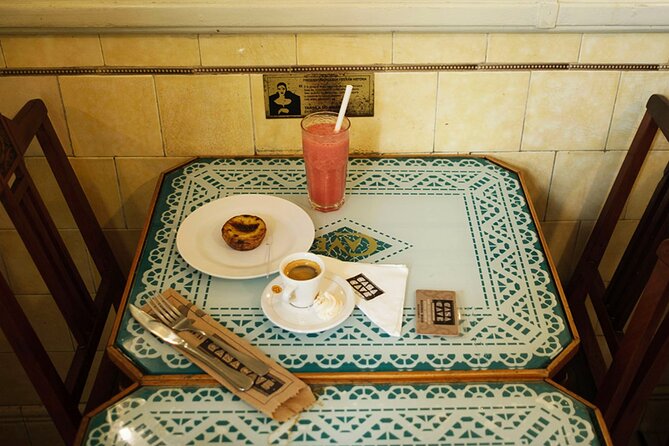
Your walking route ends at Praça Mauá, and the tour includes a final stop at Maua Square. This is marked as a historic landmark with admission included and about 30 minutes.
The best part is what happens after you’ve already built context. One of the strongest described moments is the moqueca served at the end, often with white fish, onions, garlic, bell peppers, tomatoes, cilantro, and coconut milk. That combination is a reminder that Rio cooking is often about layered flavor, not one-note seasoning.
Why this ending works: it’s not just a meal. It’s a closing argument. You’ve learned about old hill roots, Portuguese cultural structures, Arab diaspora food influence, and Afro-Brazilian identity. Then you eat something that reflects that mixing in a bowl.
If rain hits during the day, this ending can still feel like a win. One described experience was exactly that, a wonderful tour despite rain, with the guide keeping things flowing and the food still worth it.
What you actually eat, and how to order like a local (even if you don’t know Portuguese)
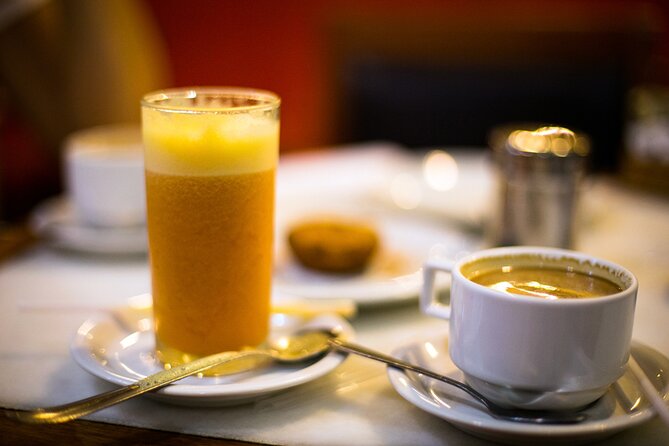
The tour includes snacks, lunch, and coffee and/or tea. Specific items beyond moqueca are not listed in the route details, so don’t expect a printed menu. What you can expect is a “small bites at multiple stops” style, where each location gives you a taste tied to its cultural story.
Here’s how to get the most out of that:
- Ask your guide what you’re tasting and what it connects to historically. The best answers turn food into a map.
- Pace your bites. With multiple stops, you’ll want to leave room for the lunch portion and the final meal.
- If you see a dish that sounds similar to moqueca, pay attention to differences. Small changes often reflect different regions or community techniques.
Diet notes: the provided info does not list vegetarian or allergy options. If that matters for you, confirm it directly when you book.
Price and value: what $135 buys you in real terms
At $135 per person for about 6 hours, you’re paying for four things:
- A guided route through several landmark areas, not just one neighborhood
- Time in paid interiors at multiple stops, including a major library and historic sites
- Food included, meaning snacks plus lunch and coffee or tea
- A small group cap at maximum 7 travelers, which supports a calmer pace
What you are not getting is private transportation. The route is walking-based, so you need to be ready for legs-on-the-ground travel. For most people who can handle a half-day walk, that’s a fair trade. For people who want car pickups at every stop, it will feel like extra effort.
Is it good value? In most cases, yes, because you’re not just buying meals at separate restaurants. You’re buying context plus access to specific sites with included entry. And meals on this kind of route tend to be the hardest part to structure on your own, especially if you don’t know where to start.
Pace, weather, and comfort tips for a walk from Centro to Praça Mauá
This is a walking tour with seven stops and about 30 minutes at each. Add transitions, and you should plan for around 6 hours total.
A few practical tips that make the day easier:
- Wear comfortable walking shoes. Even good weather means lots of foot travel.
- Bring a light rain layer. One recent experience highlighted how the day still worked in intermittent rain.
- Pack a small towel or wipe. City walking plus rain equals wet surfaces.
- If you like taking photos, do it at stops with indoor components first, then move outside quickly. Rain can change lighting fast.
Pace-wise, the guide style described is consistently friendly and not pushy. The route is structured, but you should feel free to ask questions rather than just follow a line.
So, should you book this Culinary Soul of Old Rio tour?
I think you should book it if you want a food-first introduction to Centro and you like connecting what you taste with why it exists. The combination of Portuguese library culture, Saara Arab diaspora influence, and Pedra do Sal Little Africa identity sets this apart from generic eating tours.
Book it early in your trip if you can. Ending near Praça Mauá helps you keep the momentum after the tour, and the guide’s restaurant and neighborhood context can make your next meal choices easier.
Don’t book it if you hate walking, because there is no private transportation included. Also, if you need strict dietary accommodations, you’ll want to confirm what’s possible for your specific needs before you go.
If you want one half-day that turns Rio from confusing into understandable, this is a solid pick.
FAQ
How long is the Culinary Soul of Old Rio tour?
It runs for about 6 hours.
What does the $135 price include?
The price includes snacks, lunch, and coffee and/or tea. It also includes admission tickets for several stops, including Carioca Clock, Real Gabinete Portugues de Leitura, Saara, Pedra do Sal, and Maua Square.
Is private transportation included?
No. Private transportation is not included.
Where do I meet the tour, and where does it end?
You start at Carioca Clock, Av. Nilo Peçanha, 350-374 – Centro, Rio de Janeiro – RJ, 20010-020, Brazil. You end at Praça Mauá, Rio de Janeiro – RJ, Brazil.
What time does the tour start?
The start time is 10:00 am.
What is the group size limit?
The tour has a maximum of 7 travelers.
Can I cancel for a full refund?
Yes. You can cancel up to 24 hours in advance for a full refund. If you cancel less than 24 hours before the start time, the amount you paid will not be refunded.
Newest Rio de Janeiro reviews
- Maracanã Matchday Tour – Ticket + Guide + Transfer★ 5.0 · 14 reviews
- Angra & Ilha Grande From Rio: Boat Tour With Barbecue and Drinks★ 5.0 · 14 reviews
- Private Tour with Churrasco in Vela Catamaran – Velas do Rio★ 5.0 · 14 reviews
- Half-Day Private Tour:Rio de Janeiro Highlights by Bernard Moraes★ 5.0 · 14 reviews
- Tijuca Forest Adventure★ 4.5 · 14 reviews
- Rio de Janeiro: Join a Fluminense game at Maracanã with locals★ 5.0 · 15 reviews
- Christ the Redeemer, Selaron Steps and Santa Teresa Half-day Tour★ 4.5 · 15 reviews
- Rio de Janeiro: Join a Botafogo soccer game with transport★ 5.0 · 15 reviews
Rio de Janeiro Tours, compared.

Christ the Redeemer Entry Ticket by Corcovado Train
Read our review →
Rio’s City Tour – Tickets for Christ, Sugar Loaf & Lunch included
Read our review →
Full Day: Christ Redeemer, Sugarloaf, City Tour & Barbecue Lunch
Read our review →

Rio’s Full Day: Selarón Steps, Christ & Sugarloaf – Tickets & Lunch Included
Read our review →
Christ the Redeemer, Sugarloaf, Selaron & BBQ Lunch
Read our review →