
Reviewed · AMAZON RAINFOREST
Amazon Explore 4D/3N-At Amazon Tapiri Floating Lodge
Amazon Explore 4D/3N-Amazon Tapiri Floating Lodge is interesting because you get real river travel, plus guided jungle time, without it turning into a rough expedition. I love the mix of multiple paddles and boat rides (speedboat, canoe, and night search for caiman) with big animal moments like the pink river dolphin. The main thing to consider is that this is not a luxury jungle stay, so if you want white-glove comfort, you may be happier choosing a higher-end lodge.
What makes the trip feel complete is the way the days change tempo: dawn trek, flooded forest canoes, family time along the river, and then a camp night. I also like that your trip includes private cabins with air conditioning at the floating lodge, plus mineral water to keep things comfortable. The possible drawback is simple: expect early wakeups and time on the water, and weather can affect schedules in the Amazon.
Key highlights you should care about
- Private cabins with AC at Juma Floating Lodge, so nights are more comfortable than typical jungle basics
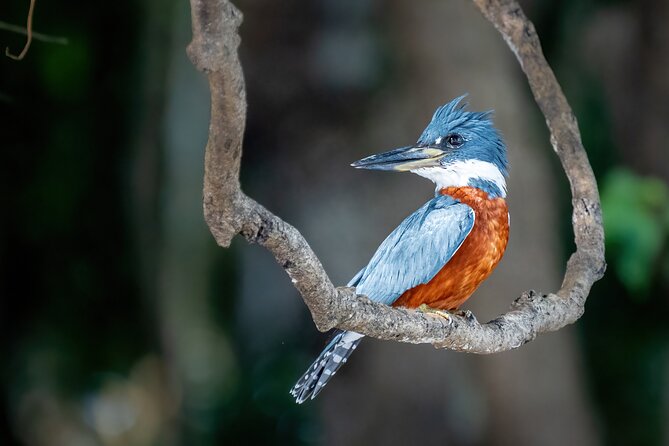
- Pink river dolphin and piranha fishing on the river, plus a visit to the meeting of the waters area
- Giant arapaima feeding at a fish farm tied to a floating village stop
- Sunrise boat plus a guided trek focused on plants, insects, and wildlife
- Várzea forest canoe time (and sometimes on foot during dry season) for flooded-forest views
- A real jungle overnight with hammocks and mosquito nets, plus spearfishing time
Pricing and what you actually get for $730
At $730 per person for about 4 days, the big question is what’s bundled. This isn’t just a “bed and tour.” You’re getting return transport between Manaus and the jungle base area, private cabins at the floating lodge, and most meals (4 lunches, 3 breakfasts, 3 dinners). On top of that, mineral water is included.
That combination matters in the Amazon. Once you’re out on the river, everything costs more and logistics get messy. Here, most of those pieces are handled for you: the lodge stay, your guided activities, and the repeated boat and canoe travel that makes the wildlife watching possible.
Is it perfect value? It looks strong for what’s included, especially because the lodge units have air conditioning and you also get at least one night camping equipment (hammocks and mosquito nets). The only reason I’d hesitate is if you personally dislike early mornings or you want a gentler pace with no camping night. If that’s you, the “real Amazon immersion” style may feel like too much.
More of the Amazon:
- From Manaus: One-Day Amazon Jungle Experience
★ 4.8 · 408 reviews - Manaus: Full-Day Tour on the Amazon River
★ 4.2 · 362 reviews - From Manaus: Presidente Figueiredo Waterfalls Daytrip
★ 4.3 · 149 reviews
Getting to the lodge: river travel that sets the mood
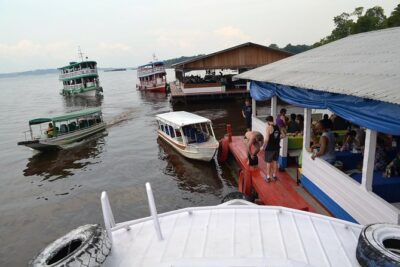
Your day typically starts early in Manaus, picked up from your hotel in the morning (the trip notes a start around 7:00 am, while the listed start time is 8:00 am, so confirm the exact pickup). From there you move to the Ceasa Port and board a speedboat on the Rio Negro.
The travel itself is part of the experience. You’re not just commuting to a hotel. You’re building anticipation as the water system shapes your journey. The speedboat segments also mean you spend less time sitting and more time seeing.
You’ll also have a long-ish travel flow: boat to the floating village of Catalão, then onwards to the meeting of the waters, then toward Careiro village, then a road segment, then final speedboat legs to reach the lodge around late morning (about 11:30 am). By the time lunch hits, you’ll likely feel the day’s mileage in your legs, even though most of it is water time.
Day 1: Catalão fish farm, meeting of the waters, and night caiman
Day 1 is built to shock your senses in a good way, without wasting daylight.
Catalão floating village and giant arapaima feeding
Your first major stop is the floating village of Catalão, where you visit a fish farm with the Giant Arapaima gigas, described as the largest scaled fish in the world. You can feed them, which is a rare kind of animal interaction. It’s also a great way to understand how people and wildlife overlap in this region.
Practical note: feeding animals can feel chaotic if you’re not expecting it. Go in calm, stay aware of guides and water safety, and treat it like a guided viewing moment rather than a photo shoot Olympics.
More days out of Manaus:
- Indian Village and Meeting of the Waters Tour
★ 4.5 · 241 reviews - A Whole Day in the Jungle
★ 5.0 · 155 reviews - 3 Days Amazon Jungle Adventure Tour
★ 4.0 · 145 reviews - Amazing Waterfalls of the Amazon – Presidente Figueiredo
★ 4.5 · 141 reviews
Meeting of the waters (Rio Negro and Solimões)
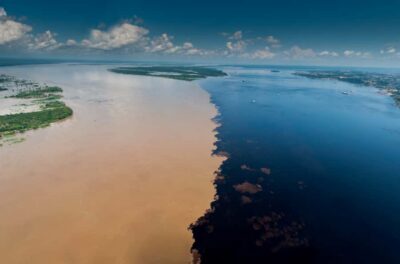
After that, you head to the meeting of the waters, where the Rio Negro and Solimões meet but do not mix right away. This is one of the Amazon’s iconic visual phenomena, and the trip frames it as a distinct stop on the river route.
It’s also a good “orientation moment.” You start seeing how big the system is and why the Amazon doesn’t act like a simple river you can cross in a day.
Careiro village, then onward to Maçarico lake
From Careiro village you go by road for about an hour to Maçarico lake, and then the last speedboat leg gets you to the lodge area. This is one of those behind-the-scenes logistics pieces that makes Amazon travel work. It’s also why return transport is included.
Afternoon canoe trip: pink river dolphins, birds, piranha fishing
Around 3:00 pm you shift to canoe time. This is where the wildlife moments stack up: you look for the world-famous Amazon pink river dolphin, watch for colorful birds, and get a chance for piranha fishing.
If you’ve never done fishing as an activity in a canoe, it’s not like a stable dock. Keep your balance, listen to your guide, and accept that success can vary. The value here is the river time and the chance to see animals in their environment, not the idea that every cast will be a trophy.
Sunset and dinner, followed by caiman search at night
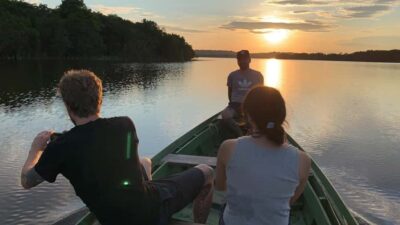
You stay out until about 6:30 pm, then watch the sunset before returning for dinner around 7:00 pm. Then the day doesn’t end. At about 8:30 pm you head back out in search of caiman. The guide will snatch one out of the water so you can get a close look, then it’s carefully returned to its habitat.
That’s a dramatic moment, and it also changes your expectations. This is not a quiet “nature photography” night. It’s hands-on, guided, and focused on learning what these animals are like.
Day 2: sunrise boat, trek with plant and insect spotting, then Várzea forest
Day 2 starts before most sane people sip coffee, around 5:00 am, with departure from the lodge around 5:30 am for a motorized boat sunrise watch. Then you return for breakfast.
That early start is not only about pretty light. Morning is often when animals feel more active and when the jungle sounds more alive. Even if you don’t spot everything, your senses wake up fast.
Morning trek: medicinal plants, insects, and wildlife
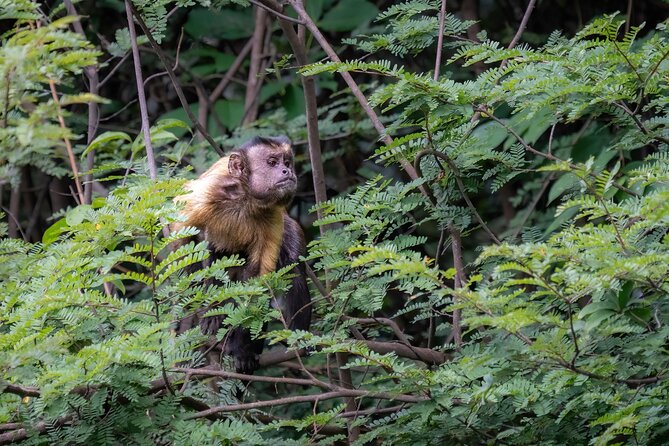
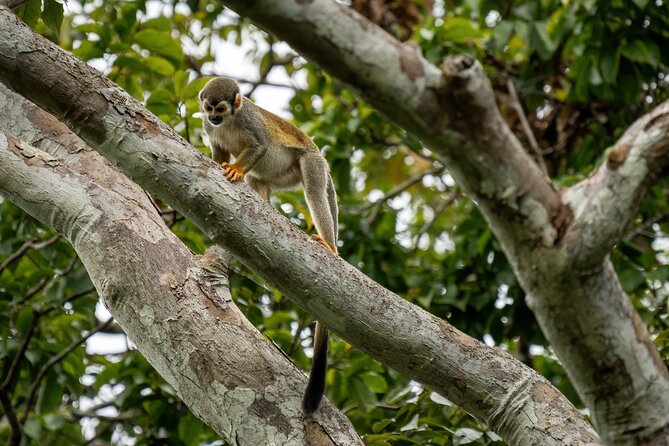
After breakfast, you go on a trek with your jungle guide. The focus is teaching. You learn about medicinal plants of the Amazon, plus insects and how they fit into the ecosystem. You also have chances to spot wildlife like monkeys.
This type of trek pays off later in the trip. Once you understand what your guide is pointing out, you stop seeing the forest as “just green” and start noticing patterns: where life clusters, what insects are doing, and what kinds of animals move in response.
In reviews, guides like Ken and Yamal are specifically called out for being strong at explaining the Amazon and finding animals such as sloths. That’s exactly what you want from this part of the day.
Afternoon canoe trip: Várzea forest and dry-season walking
At 3:00 pm you head by canoe to Várzea forest, a flooded area with small channels and waterways. You learn what makes this environment different from other forest edges.
There’s also a seasonal detail that helps set expectations. During the dry season, you might do this trip on foot because there’s no water from August to March. That means the “canoe plan” can shift based on the time of year.
You’ll look for animals like monkeys, sloths, and some birds. This is also a good time to notice the difference between open river travel and slower, channel-based movement.
Day 3: river family visit, swim time, and the overnight jungle camp
Day 3 is the day that feels most personal and most “Amazon people live here” instead of “tourists visit here.”
Local family along the river: food, daily life, and fruit tasting
Breakfast comes around 7:00 am. At 8:00 am, you visit a local family that lives along the river. You learn their simple daily way of life, see how they grow their own food, and get to taste local fruits.
That’s one of the most valuable parts of the schedule because it’s not just wildlife. You’re learning how humans use the same waterways and plant systems that you’re exploring later in the trip.
If this is the kind of experience you like, you’ll probably enjoy the rest of the day too, because it continues the theme of practical living in the Amazon.
Back at the lodge: swim in the river
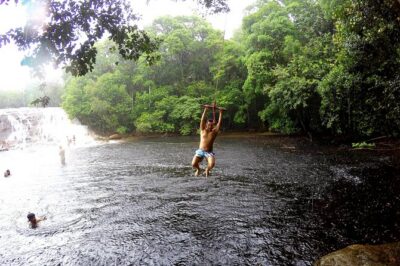
On the way back you get a chance to swim in the river, described as something local Amazonian people do. This is fun, but also a reminder to be sensible. Wear what you need, follow your guide’s timing, and don’t treat it like a hotel pool break.
Sleep out in the Amazon: hammocks, mosquito nets, spearfishing
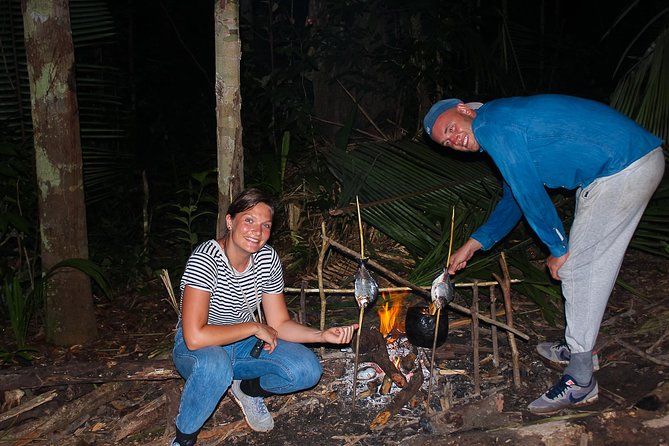
After lunch, around 3:00 pm, you head out to sleep in the jungle. Your guide helps you set up camp and prepare dinner in a remote part of the Amazon. You’re provided hammocks and mosquito nets, which means this night is structured even though it’s “out there.”
After dinner, you have the chance for spearfishing, then you sleep in camp.
This is the point where you decide whether this trip matches your travel style. If you’re okay with a more basic setup and you want a real day-to-night switch, this is the moment that makes the trip stick with you. If you’re sensitive to bugs, sleep changes, or “rougher than a hotel” conditions, you may want to think twice.
Day 4: survival techniques, trekking or canoeing, and return to Manaus
Day 4 is a lighter, closing day that still includes learning.
Morning exploration: trekking or canoeing and survival skills
After breakfast at the camp and then lodge time, you explore again. The trip notes more opportunities to explore the Amazon Rainforest, by trekking or canoeing, and your guide teaches survival techniques and local knowledge related to the Amazon.
That “survival skills” framing can mean different things from guide to guide, but the point is consistent: you’re not just watching nature, you’re learning how people interpret the jungle, find their way, and understand risks.
In real life, that kind of knowledge helps you enjoy the last stretch of the river ride more because you start seeing signs and using your senses differently.
Return schedule: lunch at the lodge, then back to Manaus
You head back to the lodge for breakfast and then lunch. At 1:00 pm you start the journey back to Manaus, with arrival scheduled around 4:00 pm at your hotel or airport.
So you’re not rushing all day on departure. You still get time for a final meal before you’re back in town.
Lodging and comfort level at Juma Floating Lodge
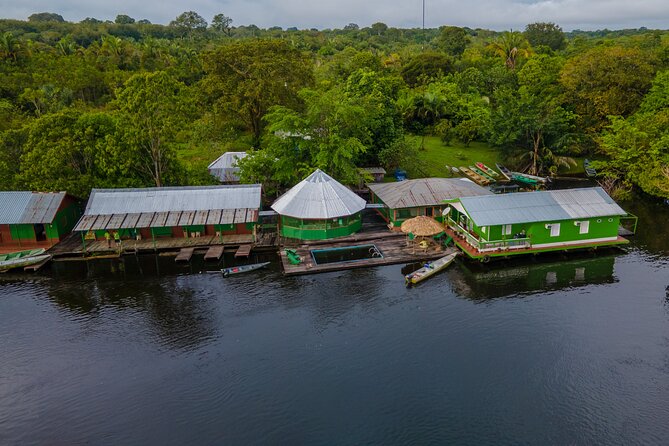
Your stay is in private cabins at Juma Floating Lodge, with air conditioning included. That matters. Air conditioning is not guaranteed in most Amazon packages, and it makes nights feel less stressful.
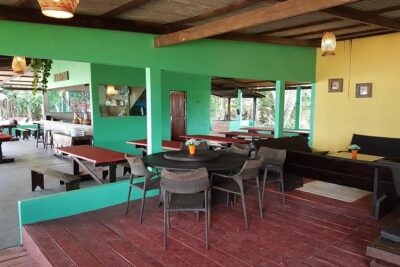
Cabins are described as basic but functional, with furnishings and supplies that get the job done. One review notes that the AC worked well. Another review also reinforces that this is not luxury, it’s a real immersion style.
If you’re bringing a laptop for work, don’t count on it. This kind of place is for disconnecting. If you just want a bed, a clean-ish place to dry off, and a calm night’s sleep, the private cabin format is a big plus.
Food: healthy, simple, and part of the experience
Meals included: 4 lunches, 3 breakfasts, and 3 dinners, plus mineral water. The food is described as basic fare, but healthy and abundant. Homemade food is mentioned too, with the emphasis on comfort rather than fine dining.
Here’s the practical takeaway: you should pack a travel mindset. Expect simple dishes. Focus on eating enough to handle boat time and treks, and don’t assume you’ll find fancy restaurant options out there.
If dietary restrictions are a concern, you should check ahead with the operator before you book, because the information you have here does not spell out menus or special accommodations.
Group size and guides: what small groups change
This tour caps at 20 travelers. That matters in two ways. First, wildlife spotting and canoe time get less crowded. Second, your guide can actually work with the group instead of managing a parade.
Reviews strongly highlight guide quality. People name check Ken for knowledge and animal spotting, Gustavo for navigation and finding animals like sloths, Yamal for jungle explanations, Daniel for accommodating service, and João and owner Nilson for making the stay feel perfect.
You’ll notice a theme: the best parts are not only the wildlife. It’s the explanations that make sightings more meaningful.
Weather, timing, and what to pack
The tour requires good weather. If it’s canceled due to poor weather, you’re offered a different date or a full refund. That’s not just policy language. In the Amazon, rain and conditions can affect boat and canoe safety.
So pack like you’re living outdoors. You’ll spend hours in boats and canoes, do trekking, and then sleep out in the jungle with nets. Bring clothing that dries fast, something you don’t mind getting muddy or wet, and footwear that’s safe on slippery ground.
Also expect early starts: day 2 begins around 5:00 am. If you’re the type who needs a leisurely morning ritual, set expectations now.
Should you book Amazon Tapiri Floating Lodge?
I’d recommend booking if you want an Amazon trip that feels active and guided, with big animal moments and at least one overnight camp that makes the experience feel real. You also get solid value for the price because lodging in private cabins with AC, mineral water, meals, and return transport are all included.
I’d hesitate if your top priority is luxury, late mornings, or a no-bugs, no-camping comfort level. This trip is straightforward about being basic and immersive in the sense that you are out in the jungle and on the river, not inside a resort bubble.
One final decision tool: if you like learning from the guide and you want chances to see pink river dolphins, caiman, arapaima, birds, monkeys, and sloths, this itinerary fits. If you only want one or two wildlife highlights and a calm pace, you might prefer a different style of tour.
FAQ
What’s included in the tour price?
The tour includes mineral water, return drop off back to your hotel or airport, accommodations in private cabins at Juma Floating Lodge with air conditioning, and meals (3 breakfasts, 3 dinners, and 4 lunches).
How long is the experience and when do you return?
It’s about 4 days. On the final day, you start your journey back to Manaus at 1:00 pm and are scheduled to arrive around 4:00 pm at your hotel or airport.
What activities are planned for wildlife viewing?
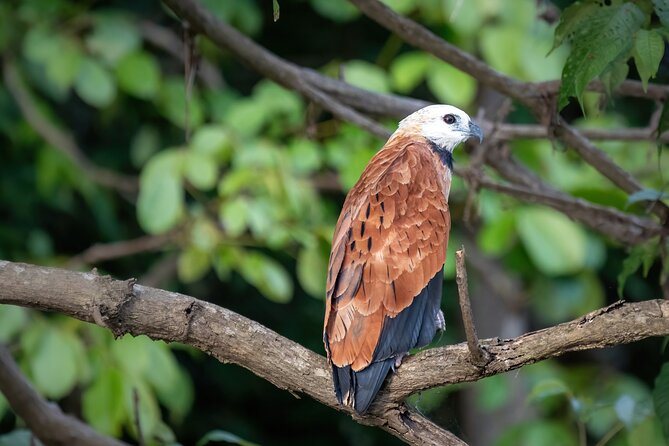
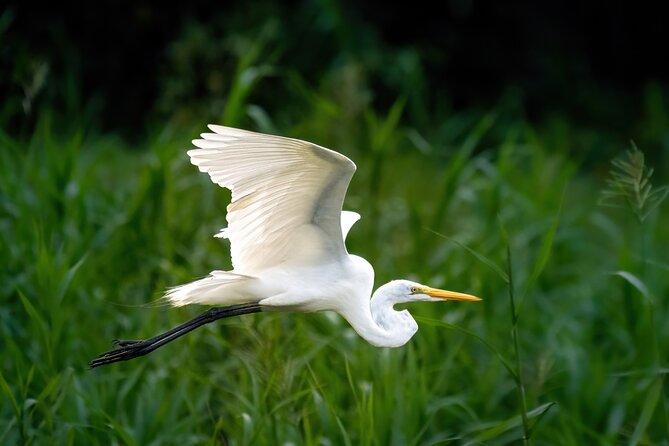
You’ll visit a fish farm to see and feed giant arapaima, look for Amazon pink river dolphins during a canoe trip, have time for piranha fishing, go for a night search for caiman, and do trekking and canoeing that can include sightings of birds, monkeys, and sloths.
What kind of lodging do I get?
You stay in private cabins at Juma Floating Lodge with air conditioning. On day 3, you also sleep out in the Amazon, with hammocks and mosquito nets provided.
How big is the group?
The maximum group size is 20 travelers.
What happens if weather is poor?
This experience requires good weather. If it’s canceled due to poor weather, you’ll be offered a different date or a full refund.
Newest Manaus reviews
- Manaus City Sightseeing Tour★ 4.5 · 15 reviews
- Manaus City Sightseeing Tour★ 4.5 · 15 reviews
- Adventure: 4-hour hike in the Amazon rainforest★ 5.0 · 16 reviews
- Getting in to the Jungle 3D/2N-At Tapiri Rio Anavilhanas Lodge★ 5.0 · 16 reviews
- Walking Tours in Manaus★ 3.5 · 16 reviews
- Private transfer in Manaus – 24h★ 5.0 · 17 reviews
- Amazon Adventure Trip 4D/3N at Tapiri Anavilhanas Lodge★ 5.0 · 17 reviews
- Amazon Survival Experience★ 5.0 · 18 reviews
Amazon Rainforest, compared.
8-Hour Amazonas Jungle Treck & Anavilhanas Archipelago
Read our review →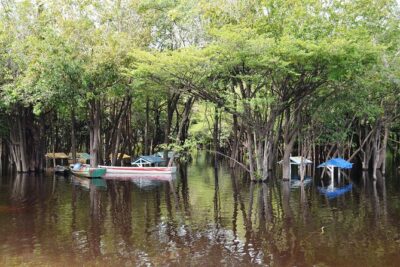
Browse the lists this tour appears in