
Reviewed · CARNIVAL & SAMBA
Afro Walking Tour – Samba and resistance (Pedra do Sal)
What makes this experience interesting is the way it treats samba as something political and personal, especially in the Pedra do Sal area where Afro culture shaped Rio’s public life. I like the small-group size (max 15), which keeps the vibe from feeling like a factory tour. I also like that you actually get Cidade do Samba admission included, so you learn with more than just street-level impressions. One drawback to consider is that there have been a couple of documented cases of the guide not showing up, so I’d plan to confirm the start time and meeting point the day before.
For $50, you get about 4 hours of guided walking with multiple stops tied to Afro identity, Rio’s modern redevelopment, and public art. You’ll need moderate physical fitness, and there’s no hotel pickup, so you should be ready to get to Centro first and stay present through the whole route.
Key Highlights You’ll Feel Right Away
- Max 15 people so questions do not get swallowed by a crowd
- Cidade do Samba ticket included for a full 1-hour visit
- Afro culture context tied to samba, resistance, and neighborhood memory
- Route through less-frequented Rio spots instead of the usual only-beach itinerary
- Street art and public monuments linked to identity, including Kobra’s mural area
- About 4 hours of guided walking with a moderate fitness level needed
Rio’s Afro Story, Not a Sideshow: Why This Tour Starts at CCBB
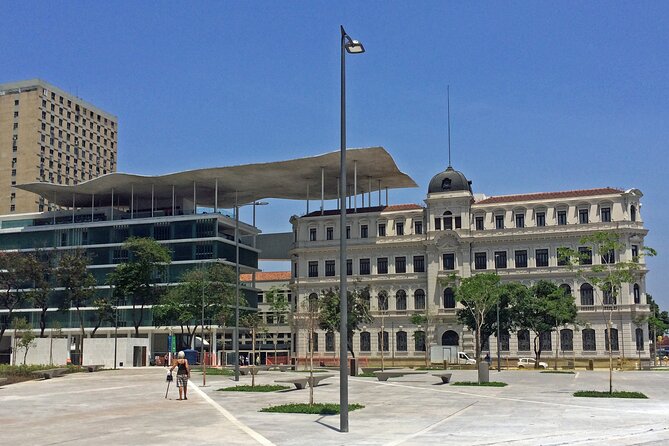
Your tour kicks off at Centro Cultural Banco do Brasil (CCBB), right in Centro. I like that start because CCBB is easy to reach and it sets the tone: this is not only about what Rio looks like, it’s about how Rio got that way. From here, you’ll start moving toward neighborhoods and viewpoints where the cultural story is part of the street, not separate from it.
With a small group, you’re more likely to hear the guide connect the dots without rushing. That matters on an Afro culture tour because the details come fast, and you want a moment to ask what something means in everyday terms.
More Walking Tours in Rio de Janeiro
- Rio de Janeiro: Rocinha Favela Walking Tour with Local Guide
★ 4.8 · 3,052 reviews - Rio De Janeiro: Half-Day Rocinha Favela Walking Tour
★ 4.7 · 2,272 reviews - 3 Hour Rocinha Favela Walking Tour with a Local Guide
★ 5.0 · 833 reviews
Pedra do Sal Context: Samba as Resistance, Not Just Music
Pedra do Sal is the spine of the experience, even if you’re not standing there the entire time. The whole theme is samba and resistance, meaning you’ll be shown how Afro-rooted traditions in Rio were shaped by exclusion, survival, and community strength. When a guide frames samba this way, it changes what you think you already know.
Instead of treating samba as entertainment that just happened to become famous, you learn how it functioned as social voice. That perspective helps you understand why certain places feel charged, even when they look calm in the afternoon.
If you care about culture that is lived, not museum-only, this is the right angle. It’s also a good fit if you want history that stays human, with neighborhoods as the classroom.
Boulevard Olímpico and Museu do Amanhã: Rio’s Modern Face With Receipts
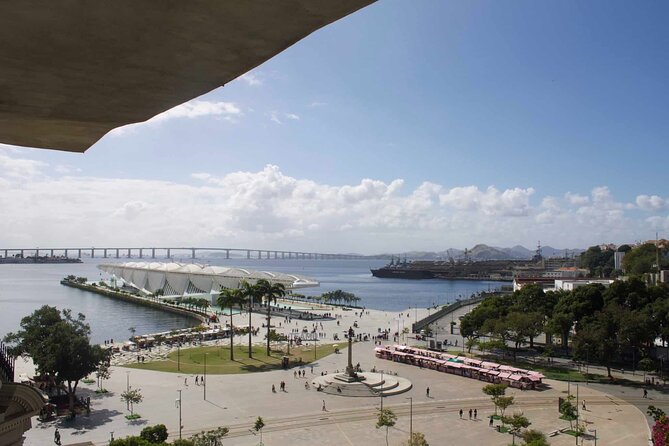
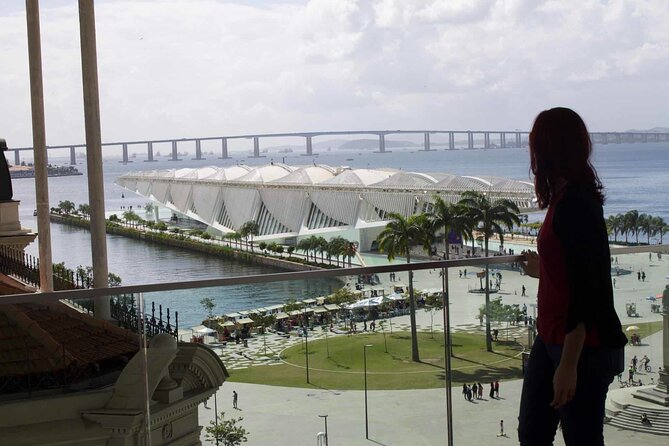
As you move through the route, you pass through areas tied to Rio’s modern transformation, including Boulevard Olímpico and Tomorrow’s Museum (Museu do Amanhã). I like these stops because they give you contrast: Rio does not only repeat the past, it also rebuilds itself on top of the past.
Your guide uses that contrast in a practical way. You’ll be encouraged to look at the city as a layered system, where redevelopment can change how people see earlier communities. That’s a useful lens for Rio, since parts of the city feel like they were designed for visitors, while others feel like they still belong to locals first.
A drawback here is that, depending on the day and your pace, you might feel the walk speed pick up in the middle of the tour. If you have low tolerance for long stretches on foot, bring water, wear shoes you trust, and plan to take short pauses without apologizing.
Small Africa Stops: Getting the Meaning of the Neighborhood
The route includes time for Small Africa, which is closely associated with the Pedra do Sal area. This is where the tone shifts from city landmarks into identity and memory. You’ll be shown how Afro presence in Rio was not a side chapter, it was a core force shaping language, music, religion, and daily social life.
When I’m on a walking tour like this, I pay attention to two things. First, whether the guide explains specific references, not just big ideas. Second, whether the places feel connected to the theme, not randomly chosen for convenience. With a route built around Afro culture and samba resistance, the places you stop at tend to make sense in sequence, not as isolated photos.
This part is also a reminder that “history” is not only dates. It is naming, survival, and what gets remembered aloud.
More Carnival & Samba in Rio de Janeiro:
- Rio de Janeiro: Beginner Samba Lesson in Ipanema
★ 4.9 · 1,071 reviews - Rio: Pub Crawl in Lapa with Cachaça Tasting and Live Samba
★ 4.7 · 881 reviews - Rio: Carnival Backstage Tour at Samba City with Cocktail
★ 4.6 · 520 reviews - Hop-ON Hop-OFF Sightseeing Bus in Rio de Janeiro – Rio Samba Bus
★ 3.5 · 457 reviews
Cidade do Samba: Your 1-Hour Ticketed Reality Check
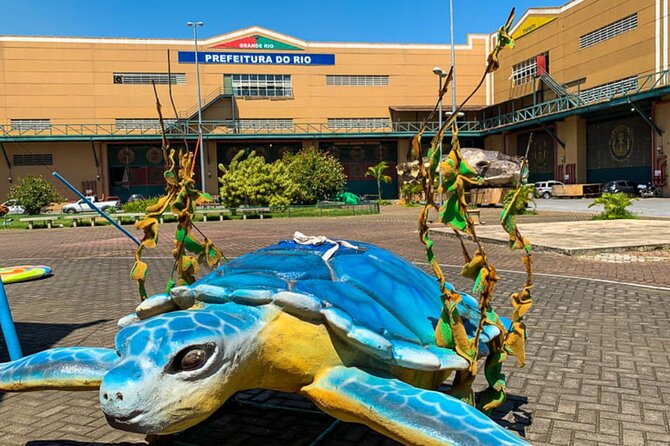
Cidade do Samba is the anchor you get inside, not just outside. You’ll have about 1 hour there with admission included. Even if you are not a samba expert, you’ll likely come away understanding how serious Carnival production is, and how Afro culture shows up as craft, teamwork, and disciplined art.
I like that the tour does not treat the samba school world like a fantasy. With the ticket included, you are not stuck with a view from the sidewalk. You can see the scale of the work and learn what it takes to make the performances possible.
Practical note: plan for the fact that you may be walking from one area to the next and then settling into the ticketed portion. Wear comfortable clothes. Bring a light layer if you run cool indoors.
The New Port and a UNESCO-Linked Stop: Old Roots Under New Concrete
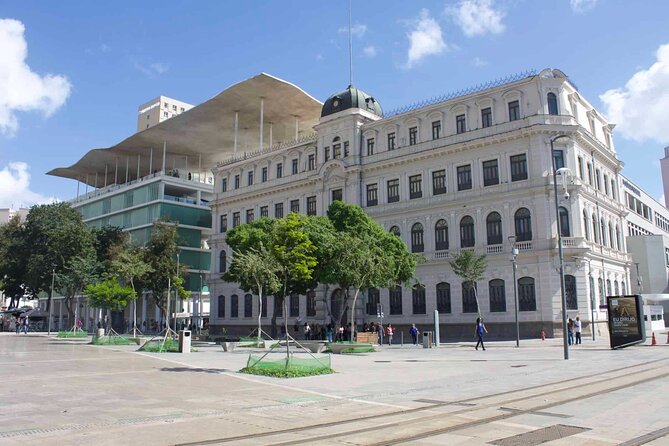
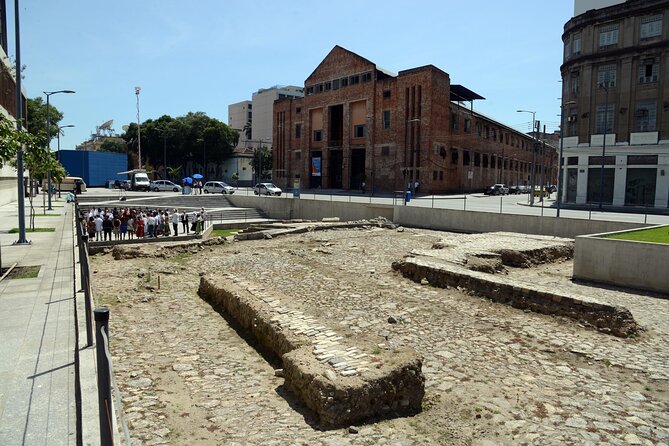
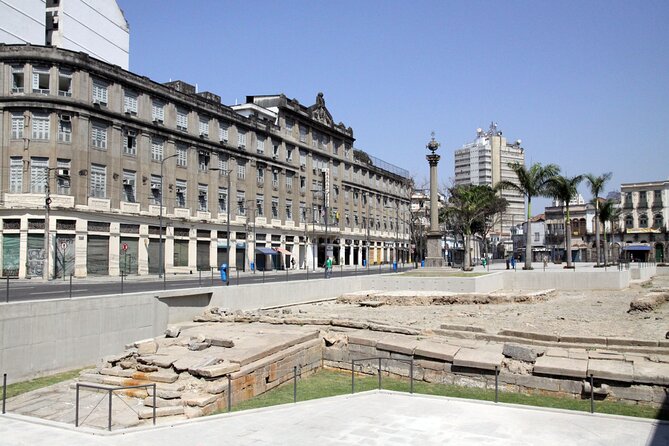
The route also includes the New Port of the city, and a World historical heritage stop tied to UNESCO. I won’t pretend you can wrap your head around Rio’s heritage system in four hours, but this kind of pairing helps.
You’ll see a city that redevelops, then learn how official recognition and “heritage” labels interact with neighborhoods that lived through major social shifts. That’s where the tour earns its value: it helps you look at Rio’s built environment as a narrative you can read.
This is also a good section for people who want more than “cool stuff to photograph.” You’ll be guided to notice what’s preserved, what’s repackaged, and what changes how people experience the city.
Kobra’s Mural Ethnias and the Largest Graphite in the World
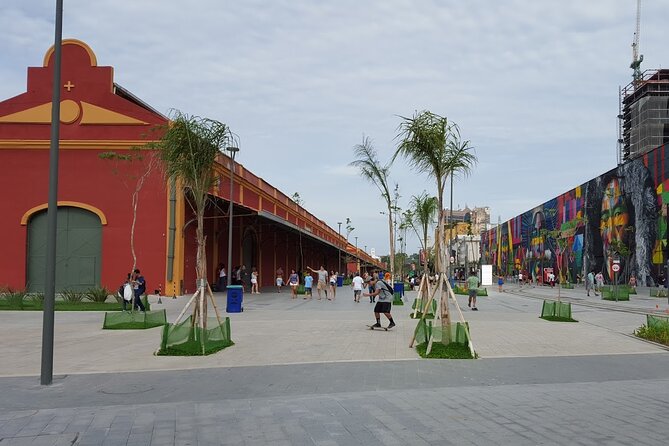
Street art plays a major role here, including a stop for a mural connected to Kobra, plus the largest graphite in the world. I like this pairing because it turns street walls into teaching tools. You’re not just looking at a design, you’re learning why identity is part of public space.
Kobra’s work is often used to communicate scale and visibility, meaning the art is meant to be seen widely and read as cultural messaging. When a tour includes this alongside Afro culture and samba resistance, it reinforces the theme: identity is not only stored in archives. It also shows up on walls, in the materials people choose, and in what gets placed where.
If you like art, this is one of the most satisfying segments because it gives you something visual that also has a story structure.
What the $50 Gets You, and Why That’s Usually Good Value
At $50 per person for about 4 hours, the value depends on what you’d otherwise pay to enter places on your own. Here, you do not just walk around. You get all activities included, all taxes and fees handled, plus admission to Cidade do Samba.
For me, that inclusion is the difference between a “nice walk” and a tour that saves you money and time. You’re also capped at 15 people, so you’re not paying $50 for a large group shuffle.
The main cost to you is energy and advance planning. No hotel pickup means you need to start at CCBB on time. If you’re traveling without a car, that’s fine, just build in buffer so you don’t feel stressed right at the meeting point.
Who Should Book This Tour (and Who Might Want Another Option)
This is a strong match if you want:
- Afro culture in Rio explained through neighborhoods, not just viewpoints
- A guided route that connects samba, identity, and public art
- A small-group pace with time to ask questions
- A ticketed visit at Cidade do Samba, not only street stops
It might be less ideal if:
- You hate walking and prefer very short excursions
- You’re very sensitive to schedule changes, especially since you can’t rely on hotel pickup
- You need absolute certainty about guides showing up, since there have been issues reported in some cases
Also, this tour requires a current valid passport on the day of travel. Plan for that even if you are traveling from within Brazil, because it is explicitly required.
A Quick Word on Language and Comfort
One provided review notes a Spanish-language tour experience, which is a helpful sign for Spanish speakers. If language matters for you, confirm language options when booking rather than assuming.
Comfort-wise, bring water, wear supportive shoes, and treat the tour as a light-to-moderate walking day. The route includes several city-area moves, and the timing is tight enough that you should not plan to stop for long meals mid-tour.
Should You Book This Afro Walking Tour?
I’d book it if you want samba and Afro identity explained with real city stops and a ticketed Cidade do Samba segment, and you like small groups. For the money, the included admission plus the theme-focused route is a fair deal, especially compared with piecing together separate entries yourself.
I’d hesitate only if you cannot handle the small chance of operational issues, since there have been documented cases of guides not showing up. If you book, confirm the meeting point and start time ahead of the day, and have the provider contact info ready so you can act fast if anything seems off.
FAQ
How long is the Afro Walking Tour?
It runs for about 4 hours.
What is the price per person?
The price is $50.00 per person.
What is included in the tour price?
All activities are included, along with taxes, fees, and handling charges. Cidade do Samba entrance is also included.
Do I get hotel pickup and drop-off?
No, hotel pickup and drop-off are not included.
Where does the tour start and end?
It starts at Centro Cultural Banco do Brasil (CCBB) at R. Primeiro de Março, 66 – Centro, Rio de Janeiro. It ends at Largo São Francisco da Prainha – Saúde, Rio de Janeiro.
Do I need a passport, and is there any age requirement?
A current valid passport is required on the day of travel. The minimum drinking age is 18 years.
Newest Rio de Janeiro reviews
- Maracanã Matchday Tour – Ticket + Guide + Transfer★ 5.0 · 14 reviews
- Angra & Ilha Grande From Rio: Boat Tour With Barbecue and Drinks★ 5.0 · 14 reviews
- Private Tour with Churrasco in Vela Catamaran – Velas do Rio★ 5.0 · 14 reviews
- Half-Day Private Tour:Rio de Janeiro Highlights by Bernard Moraes★ 5.0 · 14 reviews
- Tijuca Forest Adventure★ 4.5 · 14 reviews
- Rio de Janeiro: Join a Fluminense game at Maracanã with locals★ 5.0 · 15 reviews
- Rio de Janeiro: Join a Botafogo soccer game with transport★ 5.0 · 15 reviews
- Christ the Redeemer, Selaron Steps and Santa Teresa Half-day Tour★ 4.5 · 15 reviews
Carnival & Samba, compared.


Pub Crawl in Lapa with Cachaça Tasting and Live Samba
Read our review →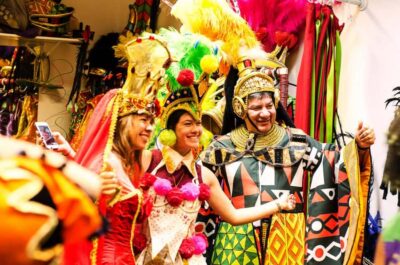
Carnival Backstage Tour at Samba City with Cocktail
Read our review →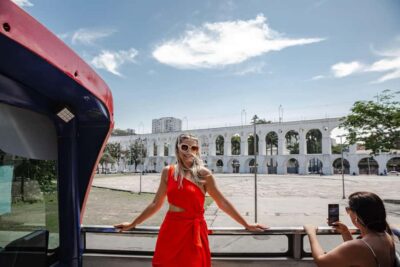
Hop-ON Hop-OFF Sightseeing Bus in Rio de Janeiro – Rio Samba Bus
Read our review →
Carnaval Experience: Backstage Tour at Samba City with Cocktail
Read our review →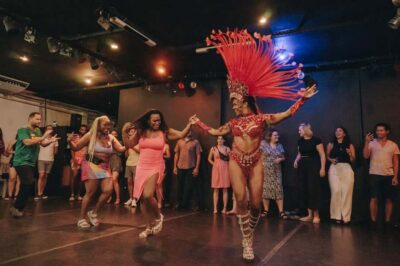
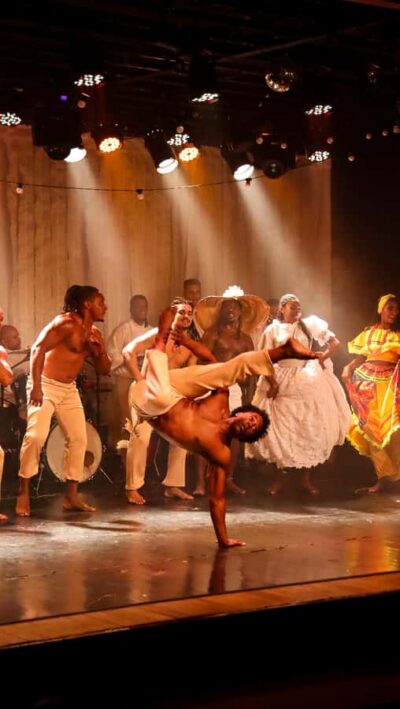

Ginga Tropical – Brazilian Samba and Folklore Show
Read our review →Browse the lists this tour appears in