
Reviewed · PANTANAL WILDLIFE
8 Days Jaguars and Pantanal Safari tour
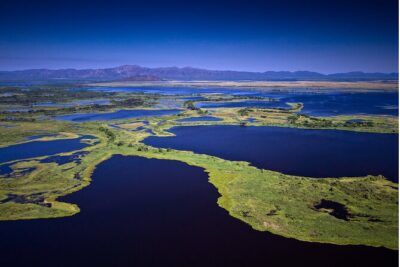
The Pantanal is one of South America’s great wildlife arenas, but this trip is built for both serious animal time and serious bird time. You’re not bouncing around for quick glimpses. You’re based where the habitat is close, the sightings are repeatable, and the guides run you through the day like a field team.
I especially like the Pouso Alegre lodge birding setup. Multiple habitats are right there, rivers and wetlands one moment, dry scrub the next, so your chances improve with every stop instead of just luck. I also like that you get long, focused jaguar time on the water, not a short “search for an hour and hope” approach.
One consideration: this is a big nature schedule. Expect early starts, long drives and boat rides, and nights that can be cool and dark, especially during spotlighting.
Quick highlights you should care about
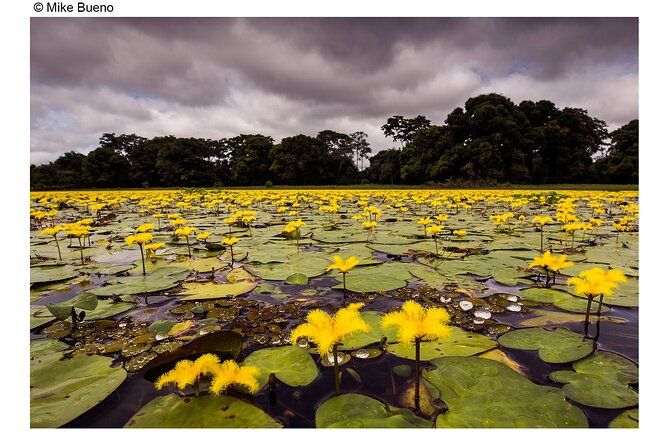
- Pouso Alegre’s private reserve habitats in one place, which supports major bird counts and lots of different species
- Open-truck wildlife cruising on private roads, plus spotlight night searching near the lodge
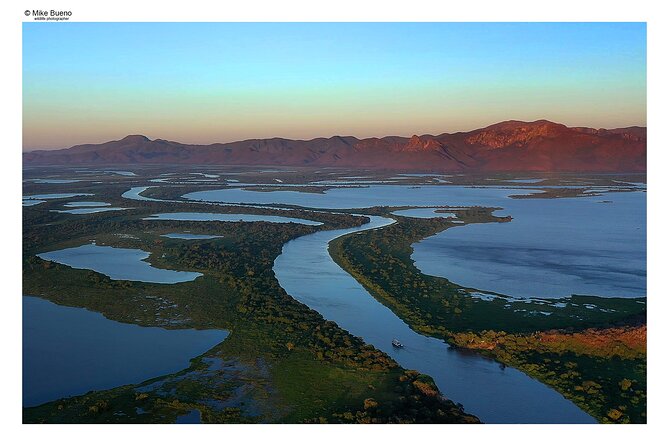
- Rio Claro River boat trips timed for herons, kingfishers, and other river specialists, including the chance of Giant Otters
- Transpantaneira highway bird stops, aimed at specific species like Scarlet-headed Blackbird and Maguari Stork
- Jaguar hunting from boats near the Three Brothers River, with an intense full-day outing
- Small group size, max 8 travelers, which makes it easier to keep everyone together and control viewing time
First day: settling in near Pocone and dialing in your bird senses
Day 1 starts with a pickup in the Cuiabá area, then a long but practical transfer toward the Pantanal. You drive about 100 km to Pocone, then continue roughly 40 km farther to reach Pouso Alegre lodge. That matters because the Pantanal rewards patience. The sooner you’re based near productive habitat, the more time you spend actually looking, not traveling.
Once you arrive, the focus is birds, and this lodge is famous for it. The reason is simple: access to multiple habitats. You can work rivers, wetlands, flooded pastures, gallery forest, and dry scrub without changing bases. The guides are also set up to turn that variety into a steady day-to-day rhythm. That’s how you get those big daily bird lists people talk about, because the birds are there and the viewing conditions are manageable.
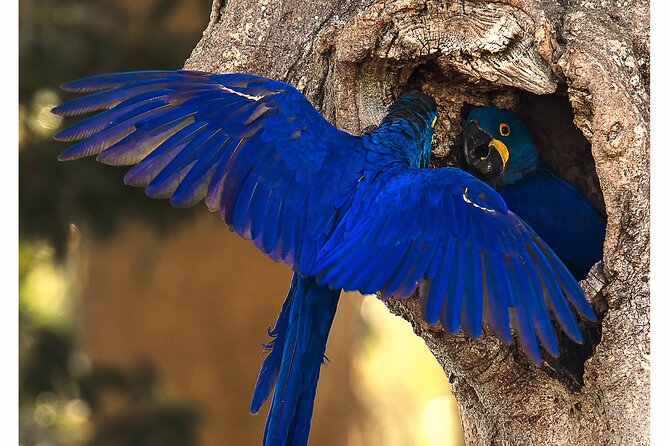
The kinds of species you can target in this area include Hyacinth Macaws, Greater Rhea, Bare-faced Curassow, Chestnut-bellied Guan, and up to four ibises (depending on what’s moving that day). You might also see Southern Screamer, Jabiru, Maguari Stork, and Maguari Stork again later in the itinerary, which is a good sign the trip is building birding targets in real time. Raptors and passerines can show up too, with options like Black-collared Hawk, Nacunda Nighthawk, Mato Grosso Antbird, and Gray-crested Cacholote.
More of the Pantanal:
- 2 Days and 1 Night Pantanal Eco Tour from Cuiabá
★ 5.0 · 8 reviews - 3-day Pantanal Wildlife Tour with accommodation- Departing from Cuiaba
★ 4.5 · 6 reviews
What to expect on Day 1
You’ll have a welcome start, then a setup day that balances orientation with real wildlife time. If you love birds, you’ll feel the momentum right away. If you’re more of a mammal person, the day still works because birds are a great way to learn what the habitat is doing.
Day 2 at Pouso Alegre: walk, scan, cruise, then spotlight
Day 2 is the kind of birding day that turns first-timers into field junkies. It starts with an early morning walk for bird and wildlife viewing around the lodge area. You return for breakfast, then you walk into forest and grasslands to pick up additional species.
This is where the tour’s habitat planning shows. You’re not stuck in one ecosystem. One segment of your day can be rheas and armadillos in open areas, while another can be coatis, capybaras, and howler monkeys where the food and cover are right. Hyacinth Macaws are a recurring target, and that’s a good sign, because when a lodge can reliably produce a charismatic species, it usually means the site management and habitat access are strong.
After lunch, you switch to an open truck on a private road. This portion is about moving faster while still keeping the viewing quality high. Your chance set expands: marsh deer, giant anteater, toco toucans, tapirs, armadillos, and more hyacinth macaws. Even if you don’t get every mammal, you’re still likely to collect a bunch of birds and get a feel for how the wetland system changes with the light.
Then, if conditions line up, you get water-hole waiting time. The tour notes that from mid July to mid October, you can spend time at water holes as animals come to drink. That timing is important, because it turns “looking for animals” into “waiting for predictable behavior,” which is where wildlife tours become truly efficient.
After dinner, the night safari begins. You drive along the lodge’s private road with spotlighting for nightjars. This is the part that many people love most because night life is usually invisible unless someone helps you read it. You might see Swallow-tailed and Spot-tailed Nightjars, plus Pauraque.
The practical payoff
By the end of Day 2, you understand the Pantanal rhythm. Birds give you structure. Mammals respond to water and cover. Night wildlife tells you what’s active when most of the world sleeps.
Day 3 and the Rio Claro River: calm boat time that can produce big surprises
On Day 3, you drive a few hours south deeper into the Pantanal and spend two nights at a lodge on the edge of the sluggish Rio Claro River. The itinerary highlights afternoon boat trips here, and that makes sense. River systems concentrate animals and simplify the search.
This is where you can expect heron and kingfisher variety. The tour lists Agami and Boat-billed Herons, plus Blue-throated Piping-Guan. You might also spot Black-collared Hawk, and up to five species of kingfisher. Giant Otter is explicitly mentioned as a possibility, and in the Pantanal, that’s the kind of species that changes your whole day when it appears.
Evening spotlighting is part of the plan. As darkness comes, Band-tailed Nighthawks can hunt insects over the river, and you might see huge Greater Bulldog Bats. The guide approach here is about matching time of day to species behavior. Nightjars can show up too, including Swallow-tailed and Spot-tailed Nightjars, plus Pauraque, depending on conditions.
What you’ll feel on these two days
It’s a change of pace. The boat rides are relaxing compared with the longer daytime cruising, but they still keep you engaged. You’re learning to watch without rushing, which is a skill that pays off when the mammals decide to show up.
Day 4 gallery forest trail: birds that respond to smart imitation
Day 4 adds a trail walk through gallery forest along the river. The key detail is that gallery forest can be loaded with birds in the morning, and the open nature of the forest makes it relatively easy to see them.
You can target Band-tailed Antbird, Large-billed Antwren, and Helmeted Manakin. The tour also mentions that a Ferruginous Pygmy-Owl imitation often brings in mobbing flocks of passerines. That’s a real birding technique, and it’s why this segment can be more than just a walk. If the birds respond, you get a burst of activity and a mix of smaller species that you’d otherwise miss.
Possible additions in that mix include Flavescent Warbler, Ashy-headed Greenlet, Stripe-necked Tody-Tyrant, and others. The itinerary also lists options like White-naped Xenopsaris, Pale-crested Woodpecker, and Nanday Parakeet (some years). Not every target will happen, but the structure is solid.
You have another option of a river boat ride in the afternoon. That’s a nice flexibility day, because the morning often works better for quiet birding, while afternoon can shift focus back toward river species.
The drawback to know
This day is weather-sensitive in the normal way. If conditions make trail visibility harder, it can be slower. The good news is you still have the river as a backup focus.
Day 5 Transpantaneira highway and end-of-road cruising for jaguars
Day 5 starts with a drive south toward the end of the Pantanal Transpantaneira highway, with stops along the way to search for specific birds. This is a different style from lodge-based birding. You’re driving segments that open into viewing opportunities, and the guide is calling out targets that are likely in that habitat at that time.
Targets include Scarlet-headed Blackbird, Cinereous-breasted Spinetail, Fawn-breasted Wren, and elegant Maguari Stork. You’ll also keep an eye out for other species as the landscape shifts around you.
By late morning you reach a comfortable hotel at the very end of the road. After lunch, you switch to cruising rivers looking for jaguars, along with birds and other wildlife. This is an important transition day: it gets you into the jaguar zone without the pressure of a full 10-12 hour push right away.
Why this pacing is smart
It helps your body and your eyes. When you finally do the biggest jaguar day, you’re not starting from scratch.
Day 6 and 7: the Three Brothers River jaguar hunt, 10 to 12 hours of focus
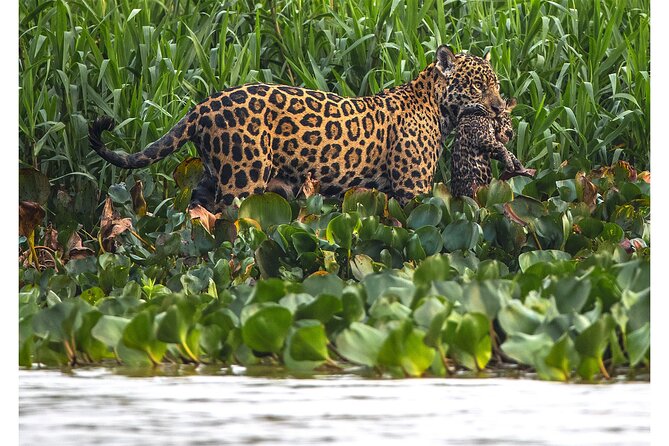
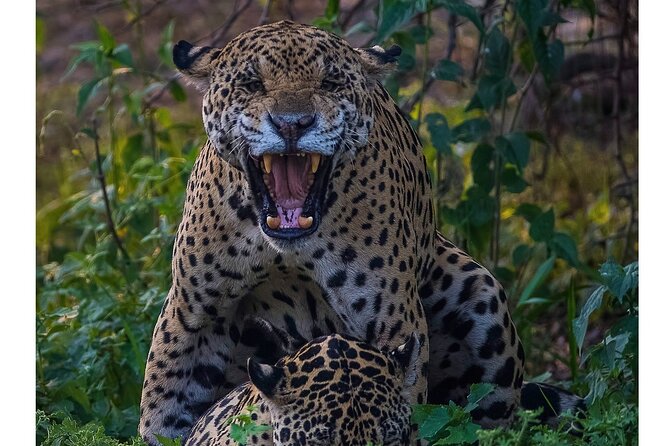
This is the core of the trip. Day 6 begins with an early breakfast, then you go by boat between 6:45 and 7:00. The route from the lodge to the hunting area takes about 35 minutes by boat to the three brothers river, which the itinerary describes as the best area in the world to spot and photograph jaguars.
Then you spend the full day on the river looking for jaguars, about 10-12 hours total. When the boats return to the lodge for lunch, you enjoy a picnic-style meal directly in the prime jaguar area, so you are not wasting time moving around. You arrive back around 5:30 to 6 pm, and you have time to refresh before dinner at the restaurant.
What else you can see while chasing jaguars
The prime focus is jaguars, but the tour makes room for other wildlife that shares the same river life. The itinerary lists chances for giant river otters, howler and capuchin monkeys, anaconda, and a variety of bird species. The best part of this approach is that you’re not ignoring the extras when a jaguar is not immediately in view. You keep scanning, because rivers reward constant attention.
Day 7 repeats this same big-format strategy. In wildlife photography and spotting, repetition matters. Sometimes the first day tells you where animals are moving. The second day gives you the encounter you’ve been waiting for.
The one consideration for expectations
Even in prime habitat, jaguars are still wild animals. The tour structure maximizes time and location quality, but nature keeps control. You should plan for a day of constant looking, not guaranteed sightings.
Day 8: last morning, then back to Cuiabá for a workable ending
Day 8 is a clean wrap-up. After breakfast, you check out and head back toward Cuiabá. The itinerary notes that you normally arrive around 12 am, with lunch time mentioned as the general expectation for that timing. If you have an early flight, the provider can arrange more early transport to the airport.
How to plan your day off
If you hate travel-day stress, aim to keep your last day flexible. A long return drive can change your exact timing, even when the tour tries to keep it smooth.
Price and value: is $5,644.22 per person worth it?
This price is not cheap, but you’re paying for three things that are hard to replicate on a DIY trip: time, prime habitat, and specialized spotting.
- You get a full 8 days of planned wildlife time across multiple habitats: the bird-rich lodge area, river cruising zones, and the jaguar-focused three brothers river days. Many “Pantanal” experiences spend a day here and a day there. This spends days in the right places.
- You get long jaguar effort that is built around boats and a specific target river. The tour isn’t just saying you might see jaguars, it’s dedicating roughly 10-12 hour days on the water, twice.
- You get daily birding and night spotlighting without losing the schedule. The Pouso Alegre birding segment is not an afterthought, it’s a major part of the week.
Is it worth it if you’re only casually interested in wildlife? Probably not. If you care about seeing animals in natural behavior, and you can handle early mornings and long days, the value starts to make sense.
Who this tour suits best
This is a great fit if you:
- Want jaguars plus serious birds in the same trip
- Like long guided outings and structured searching
- Prefer small groups, with a maximum of 8 travelers
- Enjoy learning behavior, not just ticking species names
It may not be the best fit if you want a slow, resort-style pace, or if you dislike early starts and long boat days.
Should you book Jaguars and Pantanal Safari with Pantanal Safaris?
If your dream is to spend real time in the Pantanal and your priorities include birding quality and serious jaguar time, I’d say this is a strong choice. The itinerary is built around places where habitat meets animals on a schedule: morning bird walks, open truck cruising, river boat trips, and long jaguar days.
Before you book, be honest about the commitment. You’re signing up for a nature week where the plan runs on animal activity, not your sleep schedule. If that sounds like your idea of fun, book it. If you want guaranteed sightings of a specific animal every day, remember this is wildlife, not a zoo.
FAQ
FAQ
What time does the tour start?
The start time listed is 8:00 am.
Where does the tour begin?
The tour is based in Cuiabá, Brazil, and you are welcomed at the airport or hotel before driving to the Pantanal area.
How large is the group?
The maximum group size is 8 travelers.
What kind of wildlife searching do you do at night?
You do night safaris with spotlighting, including the chance to see nightjars like Swallow-tailed and Spot-tailed Nightjars and Pauraque.
When does the tour mention water-hole waiting?
It notes that from mid July to mid October, you can spend time at water holes waiting for animals to come drink water.
How long is the main jaguar search day?
On the Three Brothers River days, you spend about 10-12 hours on the river searching for jaguars.
Can you get back to Cuiabá quickly enough for an early flight?
The tour usually arrives back around 12 am, but if you have an early flight to catch, early transport to the airport can be arranged.
Newest Cuiaba reviews
- 3-day Pantanal Wildlife Tour with accommodation- Departing from Cuiaba★ 4.5 · 6 reviews
- 2 Days and 1 Night Pantanal Eco Tour from Cuiabá★ 5.0 · 8 reviews
Pantanal Wildlife, compared.
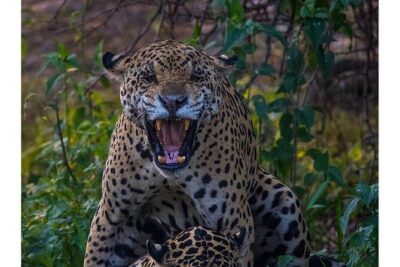
4-day Pantanal Tour with accommodation – Departing from Cuiaba
Read our review →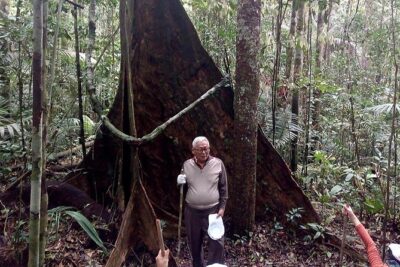
Half Day Tour- Jaguar Jungle Survival – Amazon Rainforest – From Manaus
Read our review →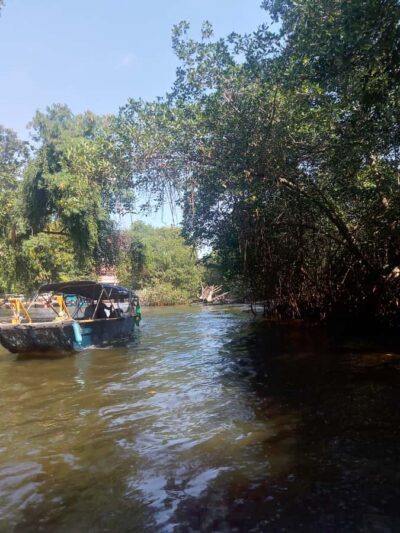
6 Days Pantanal and Jaguar Safari departing from Cuiaba
Read our review →
FULL DAY TOUR – Jaguar Jungle Survival – Amazon Rainforest – From Manaus
Read our review →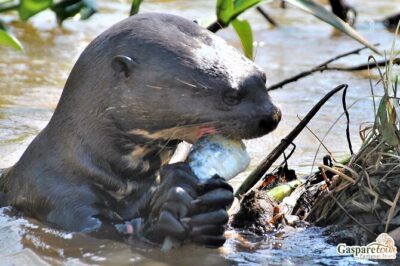
2 Days and 1 Night Pantanal Eco Tour from Cuiabá
Read our review →
3-day Pantanal Wildlife Tour with accommodation- Departing from Cuiaba
Read our review →Browse the lists this tour appears in